
What Is Commercial Cleaning and Why Does It Matter?
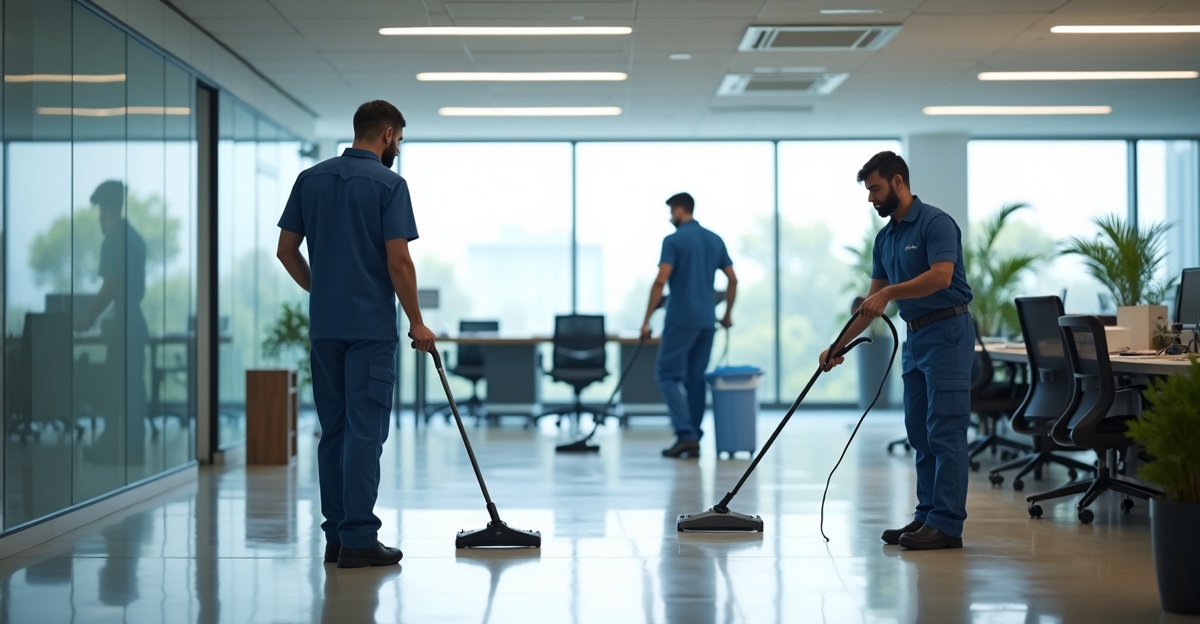
Understanding commercial cleaning means recognising its critical role in supporting workplace safety, health standards, and daily operations. Across industries—from healthcare to government facilities—strong cleaning practices reduce risk, protect infrastructure, and help teams stay sharp and productive.
Key Takeaways
- Commercial cleaning protects health, promotes employee wellness, and supports compliance requirements across multiple sectors.
- Unlike residential or basic janitorial services, it relies on structured procedures, skilled professionals, and documented performance tracking.
- Cleaning demands shift based on industry and facility type. Each site requires a specific strategy that reflects usage patterns, traffic levels, and scheduling challenges.
- A strong cleaning plan boosts air quality, limits equipment failures, and improves employee output while leaving a strong impression on clients.
- Choosing the right vendor means looking beyond price. Look for defined scopes, open communication, and results you can measure.
The Operational Impact of Cleanliness: Why It Matters More Than You Think
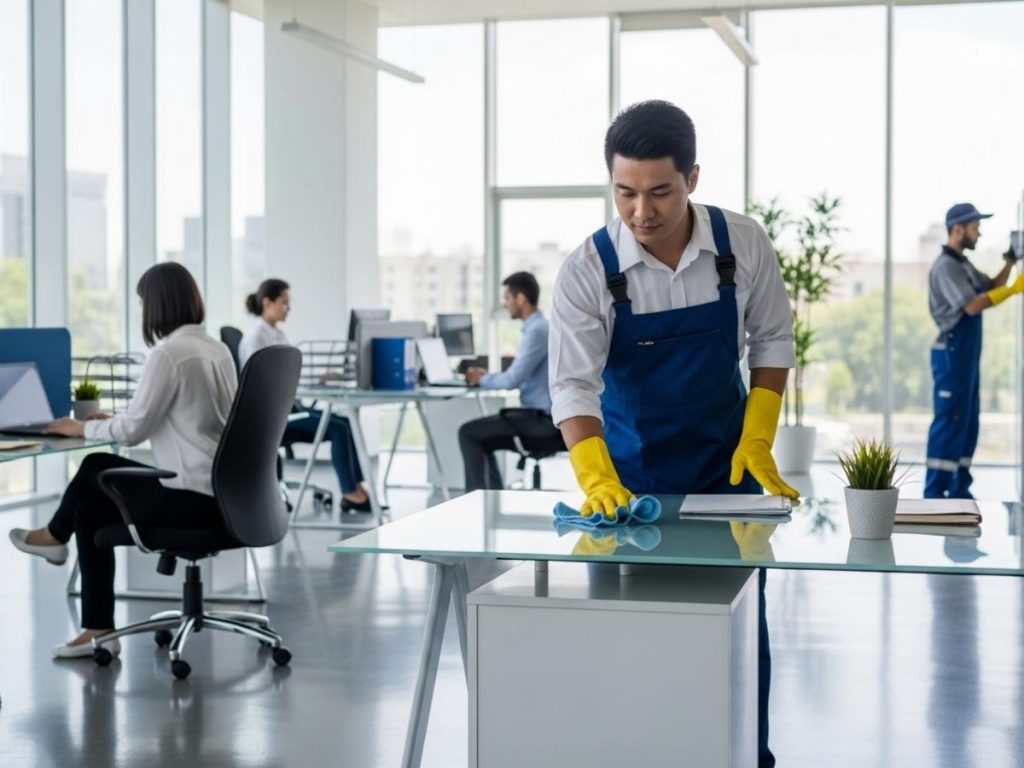
Cleanliness in commercial settings isn’t a secondary concern—it shapes safety, compliance, and business continuity. Poor or inconsistent cleaning can lead to real disruption: according to World Health Organization guidance on infection prevention in workplaces, illness spreads quickly, staff take more sick leave, customers raise complaints, and public perception suffers.. Equipment failures due to grime and dust build-up often result in avoidable downtime.
In sectors like healthcare, cleaning goes beyond appearance—it’s critical for infection control compliance and patient safety, as outlined in national infection prevention and control guidelines for healthcare facilities. Government buildings must maintain public trust through visibly clean, well-kept facilities under close regulatory scrutiny. In office environments, substandard cleaning shortens asset life and impacts productivity, morale, and retention.
A well-managed commercial cleaning plan reduces disruption by avoiding hygiene breaches, maintaining clear air quality, and supporting workplace safety. The real importance of commercial cleaning lies in how it underpins not just presentation, but daily operations.
What Does Commercial Cleaning Include? Scope, Services, and Specialisations
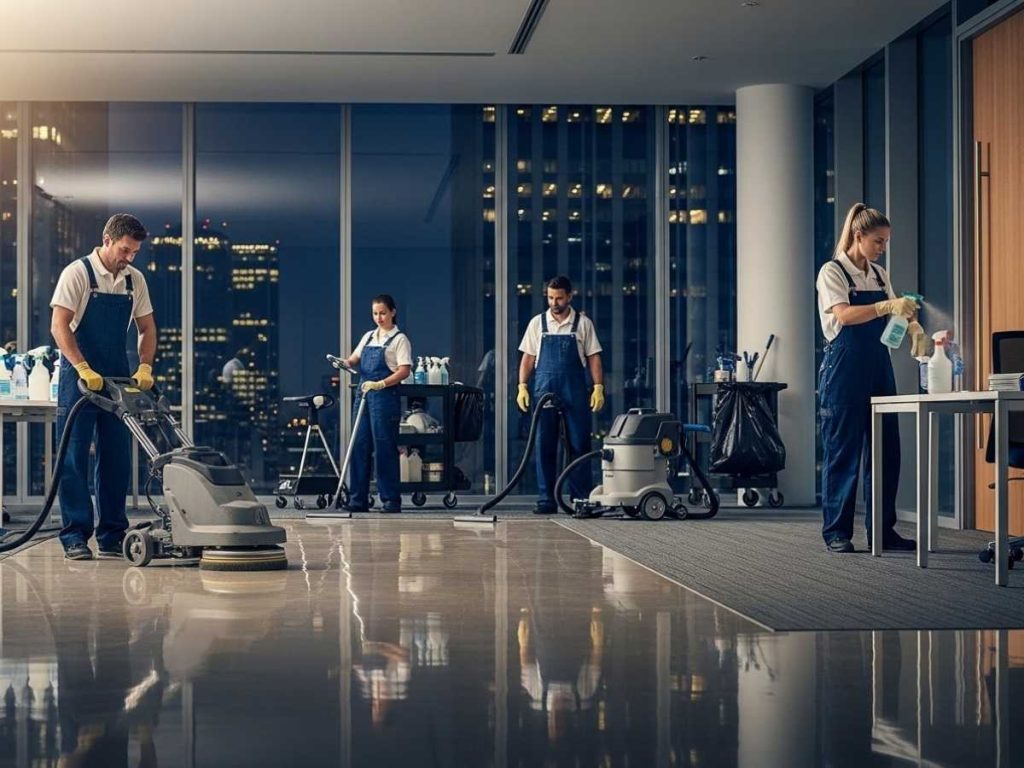
Commercial cleaning isn’t a general tidy-up. It’s a structured approach built around defined processes, team training, and measurable standards. Daily or scheduled cleaning tasks can include:
Typical Activities in a Commercial Cleaning Program
- Hard floor cleaning and polishing
- Carpet extraction or steam cleaning
- Bathroom and restroom sanitisation
- High-touchpoint disinfection
- Internal and external window washing
- Waste and recycling management
- Consumables restocking and hygiene servicing
For high-compliance environments like medical facilities or food production sites, commercial cleaning might also involve infection control checks, biohazard cleanup, and antimicrobial chemical use. Sites with high traffic—such as aged care facilities, transit stations, or retail outlets—require more frequent, targeted sanitation strategies.
Every building has unique layouts, schedules, and cleaning pressures. A commercial office block, for instance, needs after-hours scheduling and attention to desk hygiene. Medical suites require ongoing disinfection and sterile control. Cleaners working across these environments must adapt plans accordingly.
Whether it’s a commercial property or government facility, meaningful results come from consistency, not checklists. Professional commercial cleaning means going beyond surface tasks to ensure sanitation supports health, safety, and operational performance.
How Commercial Cleaning Differs from Janitorial or Residential Services
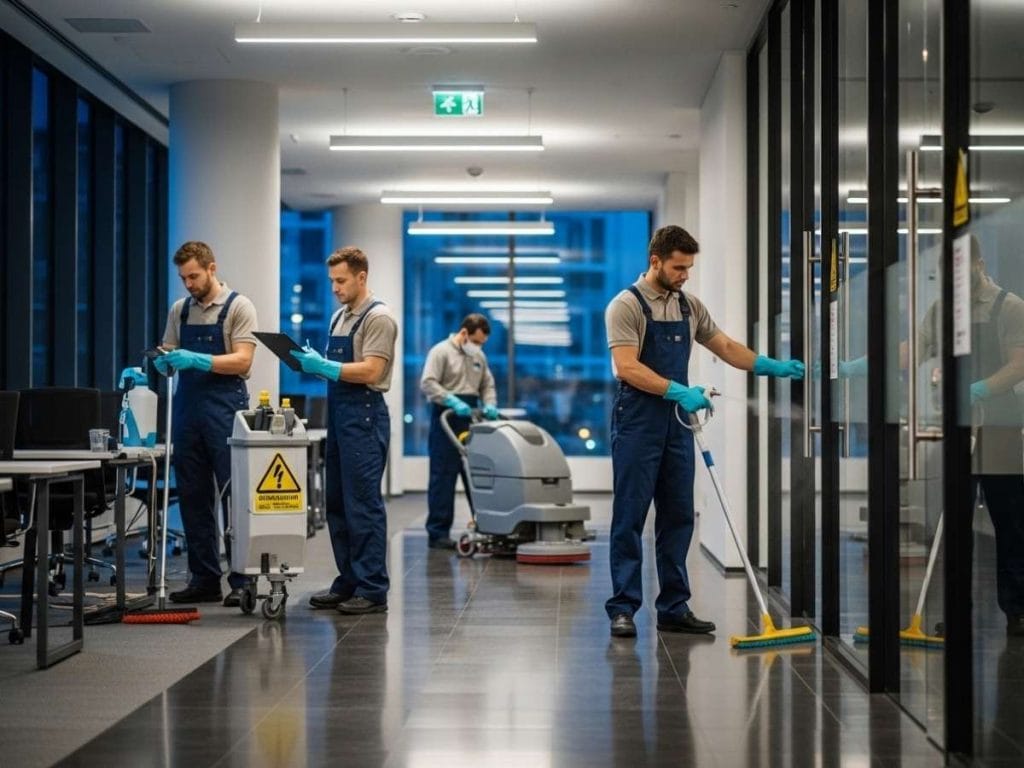
While janitorial or residential cleaning may focus on daily upkeep or personalised service, commercial cleaning requires a different level of planning and precision. It’s not just about size or heavier-duty work—it involves adherence to compliance frameworks, formal documentation, and well-trained teams managed for consistency.
In residential cleaning, goals often relate to aesthetics and comfort. In contrast, commercial cleaning focuses on long-term outcomes like safety, durability, and operational readiness. General janitorial services may handle superficial cleanliness. Commercial cleaning is performance-based: executed consistently, often at set intervals, and in line with health regulations.
Staffing differs too. Commercial cleaners must often be trained in WHS procedures, chemical safety, or infection control, in line with national workplace health and safety standards. Plus, commercial cleaning is usually carried out in secure or sensitive spaces, requiring vetting and insurance coverage.
To illustrate:
- Residential: remove dust, clean bathrooms, change sheets
- Commercial: apply disinfectants according to standards, protect flooring investments, reduce liability risks
Understanding the difference between cleaning and commercial cleaning is essential for choosing appropriate services for your facility. Assumptions that commercial cleaning is just “heavier” work miss the point—it’s high-value maintenance that keeps businesses aligned with regulatory and stakeholder expectations.
Tailoring Cleaning to Your Industry: Why One Size Doesn’t Fit All
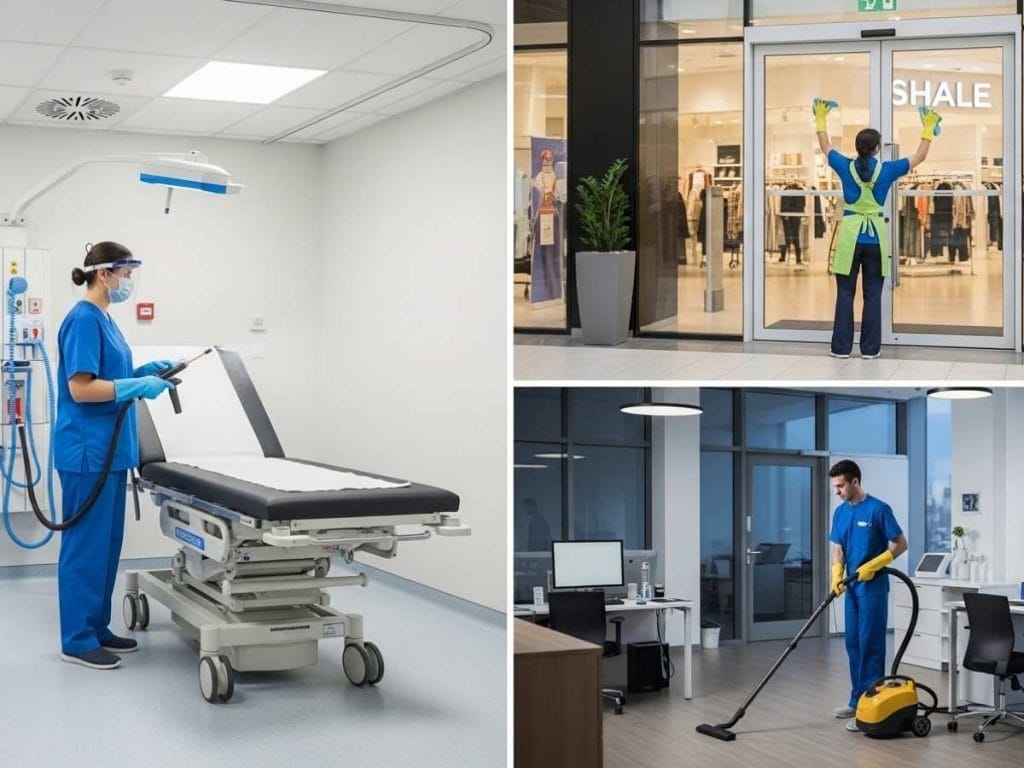
Every industry brings different cleaning demands. A retail centre sees thousands of daily contacts on escalators and entry doors. A surgical clinic must pass infection audits. An office might need discreet, after-hours cleaning to avoid disrupting workflows. That’s why professional commercial cleaning doesn’t rely on generic service lists.
Let’s look at a few sector-specific requirements:
- Healthcare: Must meet stringent sterile environment and infection control requirements, using approved medical-grade disinfectants and PPE.
- Government sites: Require cleaning personnel with security clearance and the ability to manage frequently accessed public spaces with visible, traceable routines.
- Corporate offices: Need visible cleanliness for staff wellbeing and client perception, plus flexible scheduling around peak occupancy times.
A quality commercial cleaning provider builds plans around these specific site pressures. It’s not enough to know how to clean. The provider must understand accreditation standards, seasonality, footfall, and risk priorities.
This is especially vital for facilities dealing with audits, lease renewals, or changing staff patterns. A cookie-cutter approach just won’t deliver the outcomes decision-makers need.
How to Choose a Commercial Cleaning Company That Delivers
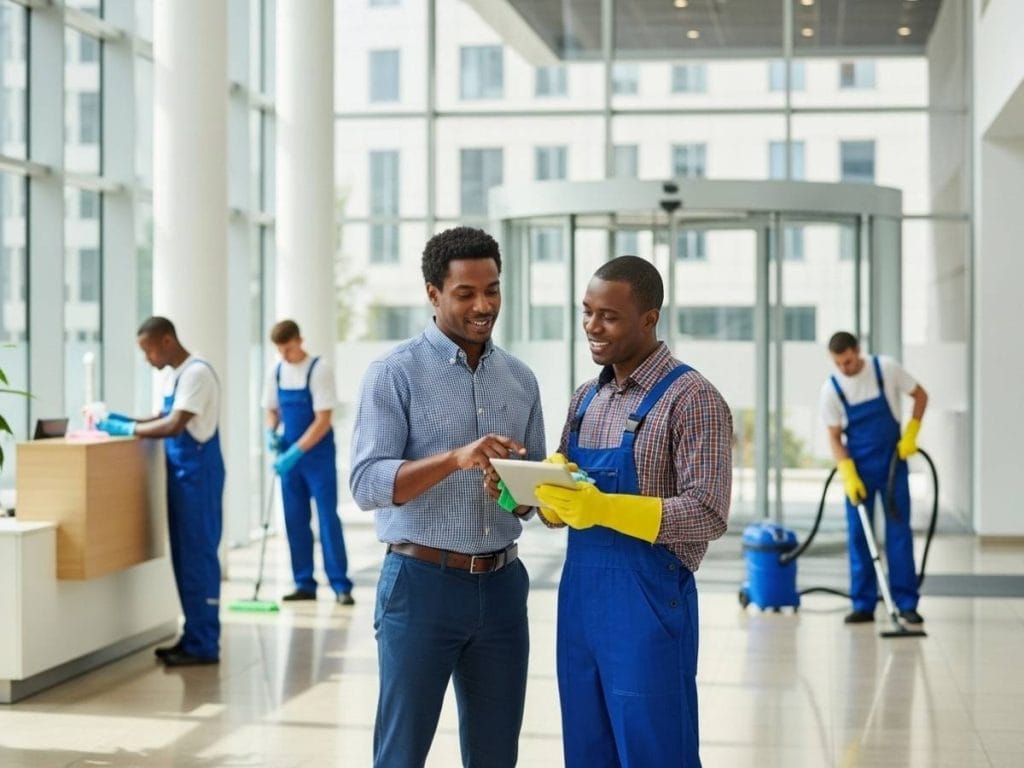
Choosing a cleaning company that genuinely supports your operations starts with asking the right questions—not just comparing quotes. Here’s a focused checklist we recommend:
- Does the team offer consistent communication and low staff turnover?
- Have they worked with facilities like yours before?
- Can they show processes for infection control, chemical handling, and WHS compliance?
- Is their service scalable, or locked into rigid contracts?
- Do they provide clear scopes, transparent pricing, and flexible scheduling?
Many businesses face the same pain points—cleaners not showing up, inconsistent results, or a lack of accountability. These usually come down to rushed provider selection and unclear agreements.
Early discussions should focus on how cleaning success will be measured. Will supervisors check work? Can you adjust services if occupancy changes? These are the conversations that signal whether a provider understands cleaning for function—not just appearance.
To start this process, a simple step is to request a quote and have an honest conversation about site needs, risk points, and work schedules.
Real Benefits You Can Expect from a Properly Managed Commercial Cleaning Program
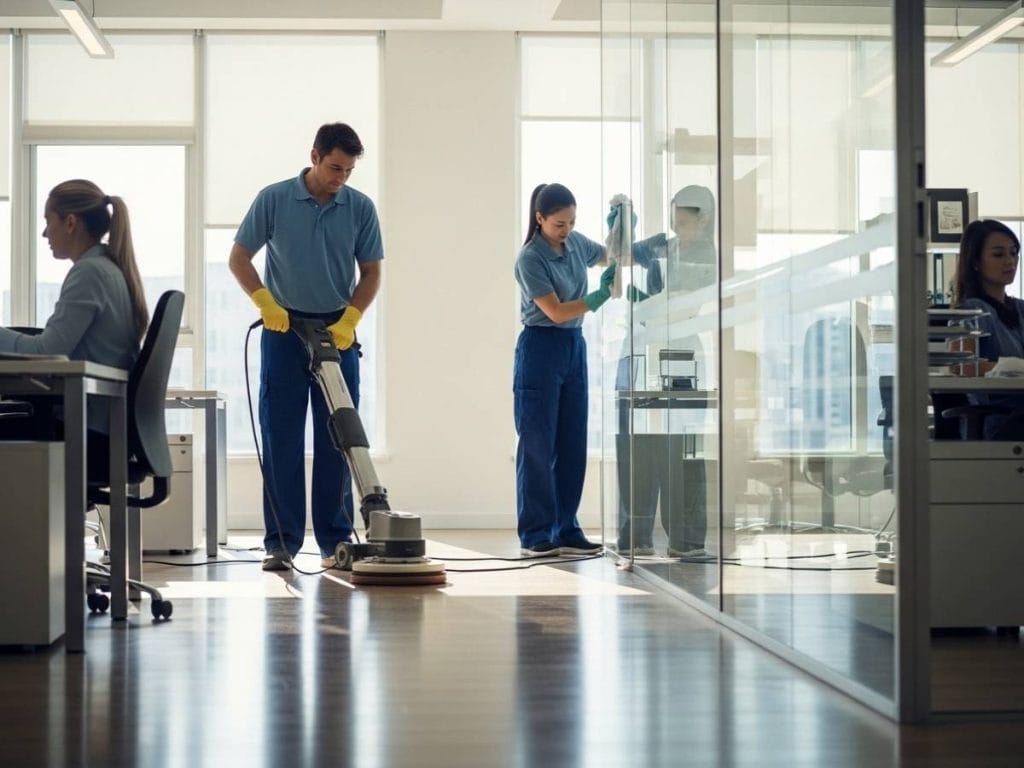
A well-run cleaning program unlocks operational advantages far beyond neat floors. Facility managers and business owners can count on:
- Full compliance with hygiene, safety, and regulatory requirements, as defined under workplace health and safety regulations.
- Healthier indoor environments—as demonstrated in research on indoor air quality and workplace productivity—reduce sick leave and increase overall performance.
- Fewer tenant or staff complaints due to visible and consistent results
- Protection of long-term assets—preserving carpet life, paintwork, and hard floors
- Better client impressions and improved public image
These benefits don’t just happen. They result from a structured approach—clear scheduling, documented processes, trained staff, and regular assessments. Companies like Aus Pro Commercial Cleaners don’t just clean—they help maintain safety, functionality, and reputation through thoughtful planning.
If professional commercial cleaning sounds like something your business can benefit from, we suggest starting with a provider who asks about your challenges, rather than handing over a generic list of services.
Understanding the real importance of commercial cleaning means recognising that it supports every corner of an operation—performance, compliance, and perception. Managed well, it becomes a business asset—not a background task.
Frequently Asked Questions
Commercial cleaning refers to professional cleaning services designed for workplaces, public buildings, and industrial environments. It involves structured procedures, trained staff, and scheduled services to maintain hygiene, safety, and operational standards. Unlike basic cleaning, it focuses on compliance, risk reduction, and long-term facility maintenance.
Commercial cleaning is broader and more compliance-driven than janitorial cleaning. While janitorial services often cover routine daily tasks, commercial cleaning follows documented processes, uses specialised equipment and chemicals, and aligns with health, safety, and regulatory requirements specific to each industry.
Commercial cleaning is important because it reduces illness, supports workplace safety, and protects business assets. Consistent cleaning improves indoor air quality, limits equipment wear, and helps organisations meet compliance obligations while maintaining a professional environment for staff and visitors.
Most businesses benefit from commercial cleaning, including offices, healthcare facilities, government buildings, retail centres, and industrial sites. Each environment has different hygiene risks and traffic levels, which require tailored cleaning plans rather than generic cleaning routines.
Commercial cleaning services typically include floor care, restroom sanitisation, high-touch surface disinfection, waste management, window cleaning, and consumables restocking. In high-risk environments, services may also cover infection control procedures, biohazard cleaning, and specialised disinfection methods.