
What Is Infection Control Cleaning and When Is It Needed?
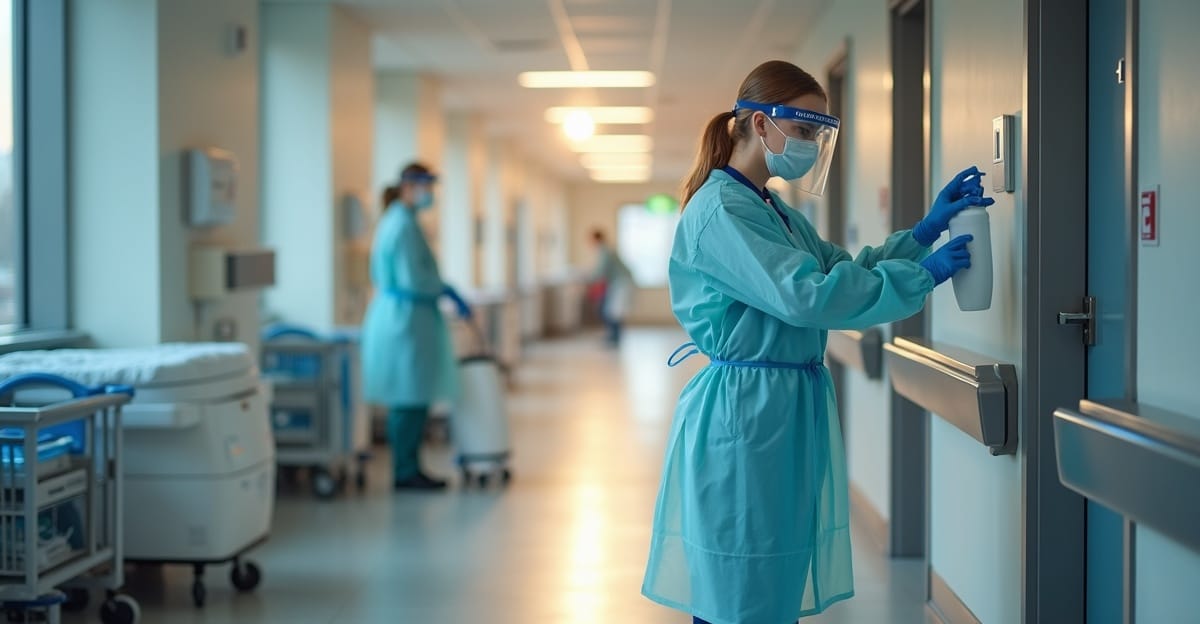
Infection control cleaning services follow structured, risk-based systems that reduce the spread of infectious pathogens in commercial settings where health exposure, vulnerable occupants, or compliance obligations exist. We implement these services when routine cleaning no longer provides adequate protection, such as during outbreaks, biohazard incidents, periods of heavy foot traffic, or within regulated environments like healthcare, aged care, and government facilities.
Key Takeaways
- Infection control cleaning targets risk reduction and regulatory compliance rather than appearance alone, and we align our work with Australian infection control standards and Safe Work Australia guidance.
- We activate these services during confirmed illness, suspected contamination, biohazard incidents, or while operating under medical-grade and high-compliance requirements.
- Our teams use trained technicians, appropriate PPE, approved hospital-grade disinfectants, structured high-touch surface disinfection, and documented procedures where compliance demands evidence.
- Infection control cleaning differs from routine and deep cleaning because we focus on interrupting pathogen transmission through controlled sequences, correct chemical dwell times, and strict cross-contamination prevention.
- We trigger escalation beyond routine cleaning based on risk assessments, vulnerable occupants, rising sick leave patterns, audit preparation, or increased occupancy and traffic levels.
What Infection Control Cleaning Services Involve in Commercial Settings
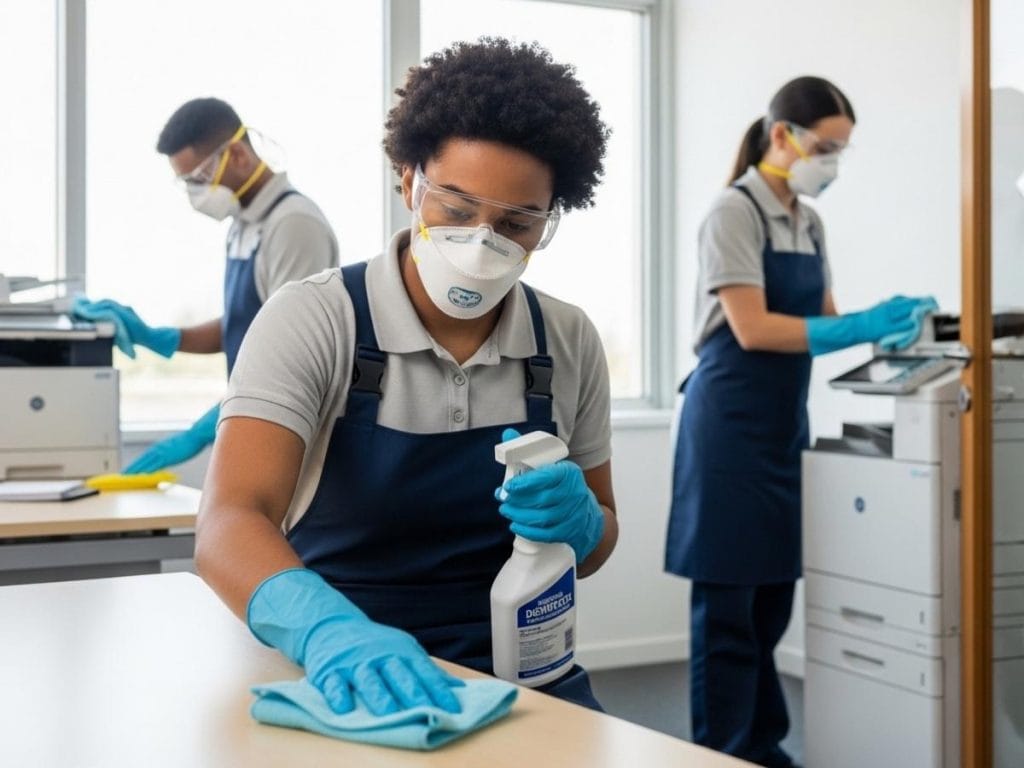
Infection control cleaning services are structured, risk-based cleaning processes developed to reduce the spread of infectious pathogens in commercial environments. They apply in settings where the risk of illness, contamination, or regulatory scrutiny is higher than usual.
The primary goal is risk reduction. We focus on limiting transmission, supporting healthcare cleaning compliance Australia requirements, and protecting staff, visitors, and brand reputation. At the same time, we help businesses maintain operational continuity across offices, medical centres, aged care facilities, government buildings, schools, and multi-site operations throughout Brisbane and the Gold Coast.
This approach differs from presentation-focused cleaning. Infection prevention cleaning services prioritise infection risks over surface appearance. The objective isn’t to claim elimination of all pathogens. No provider can guarantee that. The objective is to reduce risk in line with Australian infection control guidelines and Safe Work Australia infection prevention guidance.
Commercial infection control cleaning uses defined procedures, hospital-grade disinfectants where required, and clear documentation when compliance matters. That matters in healthcare, aged care, and regulated government environments in particular.
When Infection Control Cleaning Is Required in the Workplace
Infection control cleaning isn’t necessary in every facility at all times. It becomes critical when risk levels increase or compliance expectations are higher, especially when assessing when is disinfection necessary in commercial environments.
Common scenarios include:
- A confirmed contagious illness onsite. Flu, COVID-19, gastro outbreaks, or similar events often require targeted outbreak cleaning services to limit transmission.
- Suspected contamination in shared spaces. Bathrooms, kitchens, waiting rooms, and high-density office floors can act as transmission points if an exposure incident occurs.
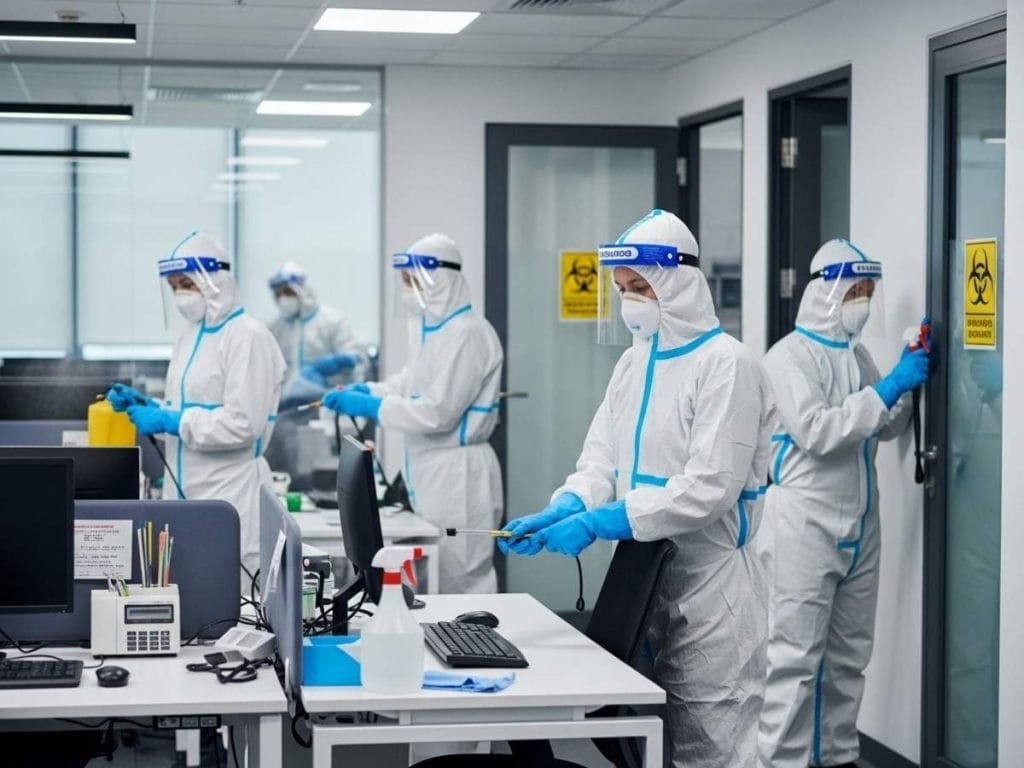
- Biohazard events. Blood or bodily fluid spills require controlled biohazard cleaning services, correct containment, and compliant waste disposal procedures.
- Healthcare and allied health facilities. These environments operate under medical-grade cleaning standards and stricter oversight. In these settings, commercial infection control cleaning isn’t optional.
- Aged care and disability services. Vulnerable occupants raise the risk profile significantly and increase scrutiny under Queensland infection control cleaning standards.
- Government and high-compliance sites. Facilities preparing for audits, responding to complaints, or operating under strict commercial cleaning compliance requirements often escalate beyond routine cleaning, including reducing complaints through cleaning.
- High foot traffic environments. Lift lobbies, reception counters, shared equipment, and commonly used meeting areas demand structured high-touch surface disinfection.
Operational indicators also signal the need to escalate. A noticeable rise in sick leave. Reported contamination exposure. An upcoming regulatory inspection. A landlord or property manager requesting documented procedures. Each of these points to a need for infection prevention cleaning services rather than general workplace sanitisation.
How Infection Control Cleaning Differs from Routine and Deep Cleaning
Confusion often arises when comparing quotes. Many businesses use the terms interchangeably, but the difference between infection control and regular cleaning is significant.
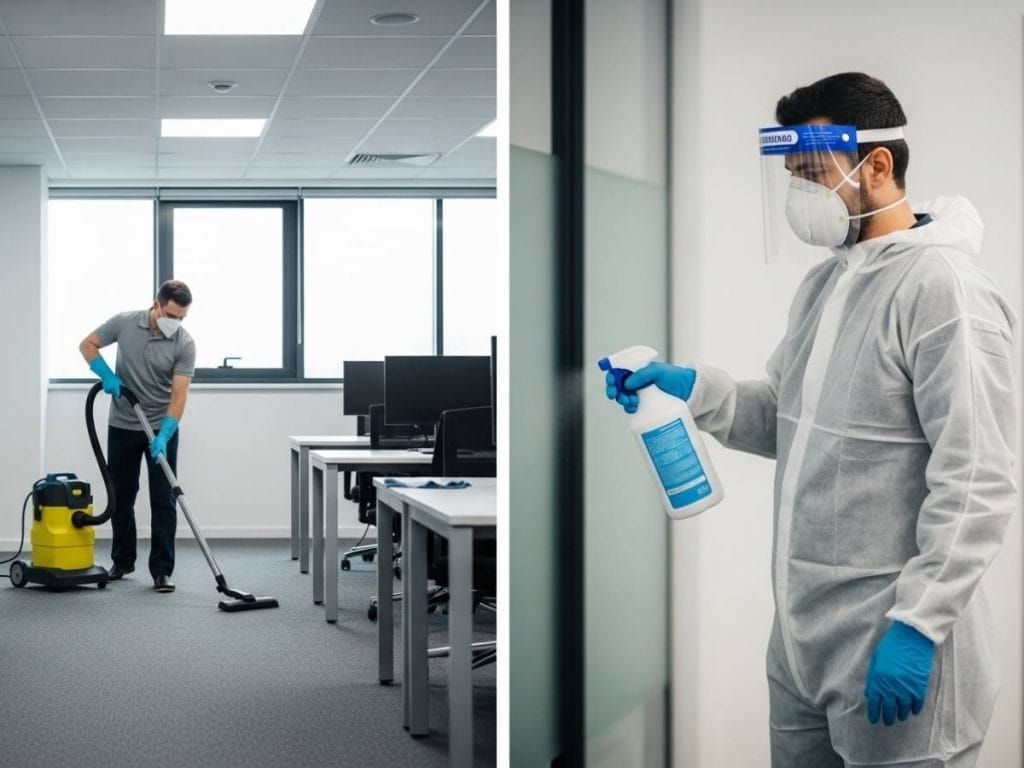
Routine commercial cleaning focuses on general hygiene and appearance. Tasks include vacuuming, dusting, bin removal, and surface wiping. Our commercial cleaning services maintain presentation and everyday workplace standards.
Infection control cleaning is risk-based. It targets pathogen transmission. It uses approved disinfectants applied at the correct concentration and dwell time. It incorporates PPE, structured techniques, and cross-contamination controls.
Deep cleaning increases intensity and detail. It may involve additional scrubbing, internal equipment cleaning, or neglected areas being addressed. Yet deep cleaning vs infection control cleaning is not the same comparison. A deep clean doesn’t automatically meet infection prevention standards.
Infection control cleaning follows national infection prevention and control standards published by the Australian Commission on Safety and Quality in Health Care where applicable. It integrates cleaning and disinfecting in sequence. It requires defined contact times, appropriate chemical selection, and sometimes reporting for compliance purposes.
Understanding the difference between infection control and regular cleaning helps avoid choosing the wrong service level. It protects operations from gaps that only become visible during an outbreak, complaint, or inspection.
Businesses often review this alongside broader scope definitions such as what commercial cleaning covers to ensure expectations are clear before engaging a provider.
What Is Included in a Professional Infection Control Cleaning Process
Professional infection control cleaning services rely on trained teams who understand infection prevention cleaning services and healthcare cleaning compliance Australia expectations.
A standard process typically includes:
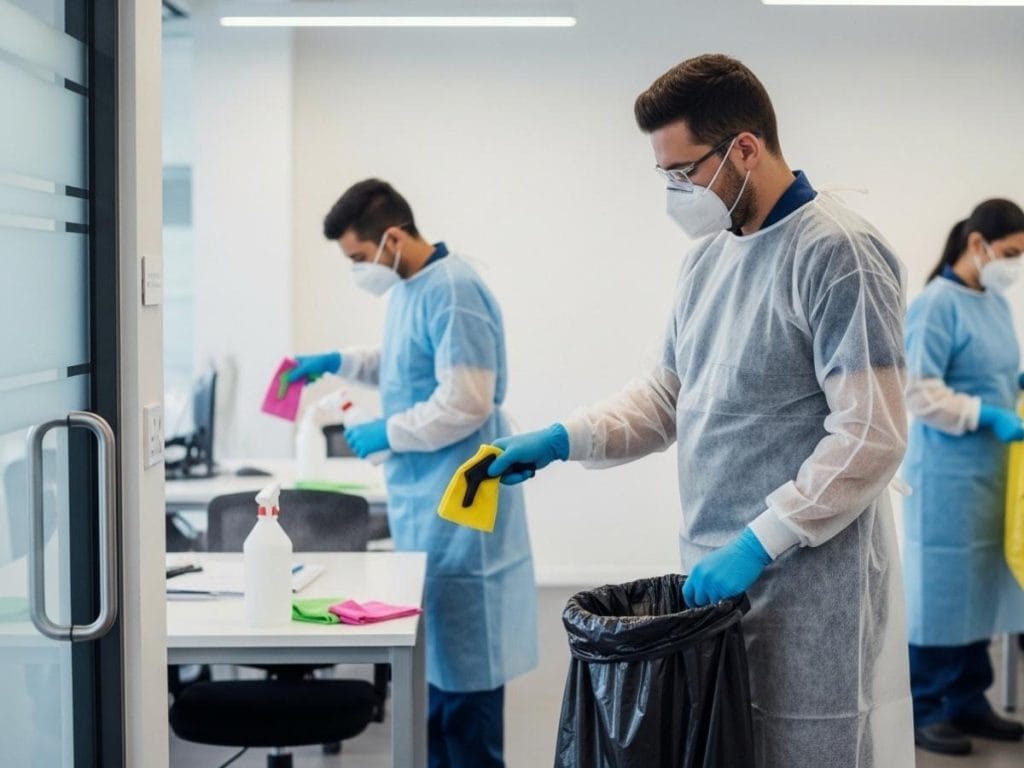
- Trained personnel. Staff receive instruction on risk assessment, disinfectant use, structured cleaning sequences, and cross-contamination prevention.
- Appropriate PPE. Gloves, masks, and protective clothing are used based on the identified risk level of the site or incident.
- Colour-coded systems. Cleaning tools are separated across bathrooms, kitchens, clinical spaces, and general areas to prevent cross-use.
- Hospital-grade or TGA-approved disinfectants regulated by the Therapeutic Goods Administration (TGA) are used according to manufacturer instructions and required dwell times.
- Structured high-touch surface disinfection. We prioritise door handles, lift buttons, desks, shared equipment, switches, handrails, and other repetitive contact points.
- Containment controls. Affected zones may be isolated during cleaning to limit spread.
- Safe waste handling. Where contamination exists, disposal follows Queensland clinical and biohazard waste disposal regulations.
- Documentation when required. Some facilities require records to demonstrate commercial cleaning compliance requirements for audits or inspections.
For workplaces needing targeted disinfection support, our sanitisation services are delivered using structured procedures aligned with risk level.
The overall approach remains calm and methodical. The priority is reducing liability exposure while allowing operations to continue safely and with minimal interruption.
Compliance and Risk Considerations for Queensland and Australian Businesses
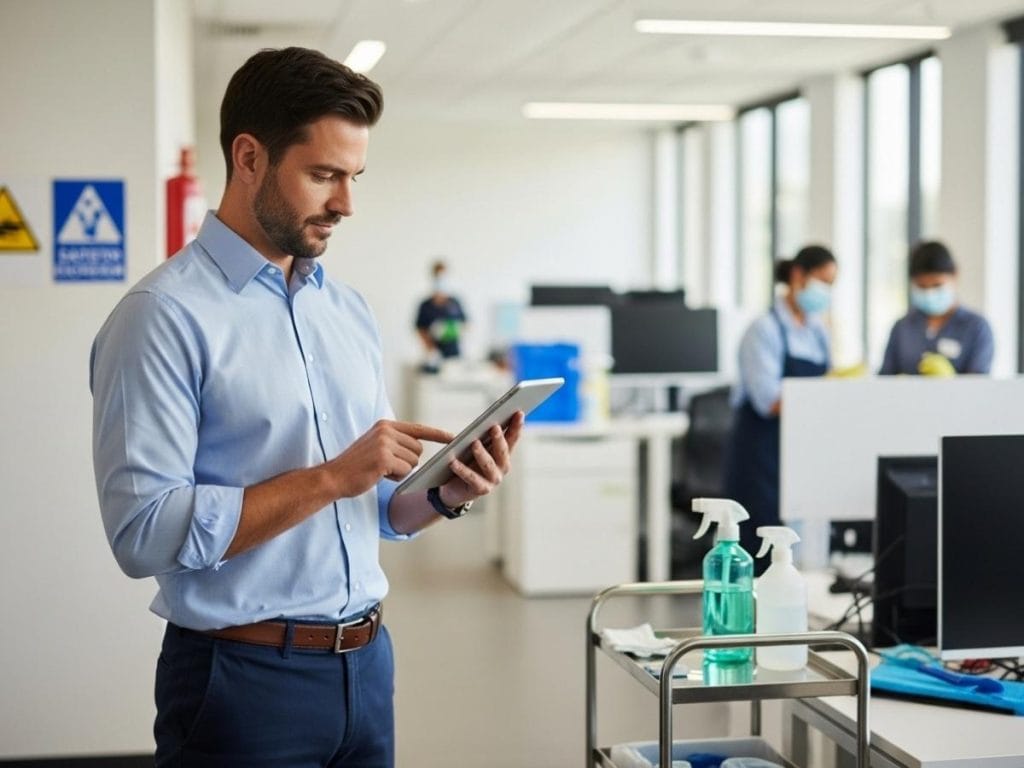
Infection control cleaning must align with Safe Work Australia guidance and relevant Australian infection control guidelines. The objective isn’t to overcomplicate technical requirements. It’s to demonstrate due diligence and practical risk management.
Queensland Health infection prevention and control standards apply more directly in healthcare, aged care, disability, and government environments. Businesses operating in these sectors often face formal audits or oversight. Facilities managers must show evidence that procedures align with expectations.
Risk assessment usually considers:
- Vulnerable occupants, such as elderly residents or immunocompromised patients.
- High-density foot traffic and shared facility use.
- History of outbreaks or repeat illnesses onsite.
- Regulatory oversight or contractual compliance obligations.
Inadequate infection control cleaning carries operational consequences. Increased illness-related absenteeism reduces productivity. Brand damage can follow a widely reported outbreak. Non-compliance findings may require corrective action. Operational disruption can escalate quickly if authorities intervene.
Compliance should remain practical and proportionate. Infection control cleaning services should match the risk profile of the facility, not exceed it without reason.
A Practical Framework to Decide If Escalation Beyond Routine Cleaning Is Needed
Facility managers often need a clear way to decide whether to escalate beyond normal cleaning schedules.
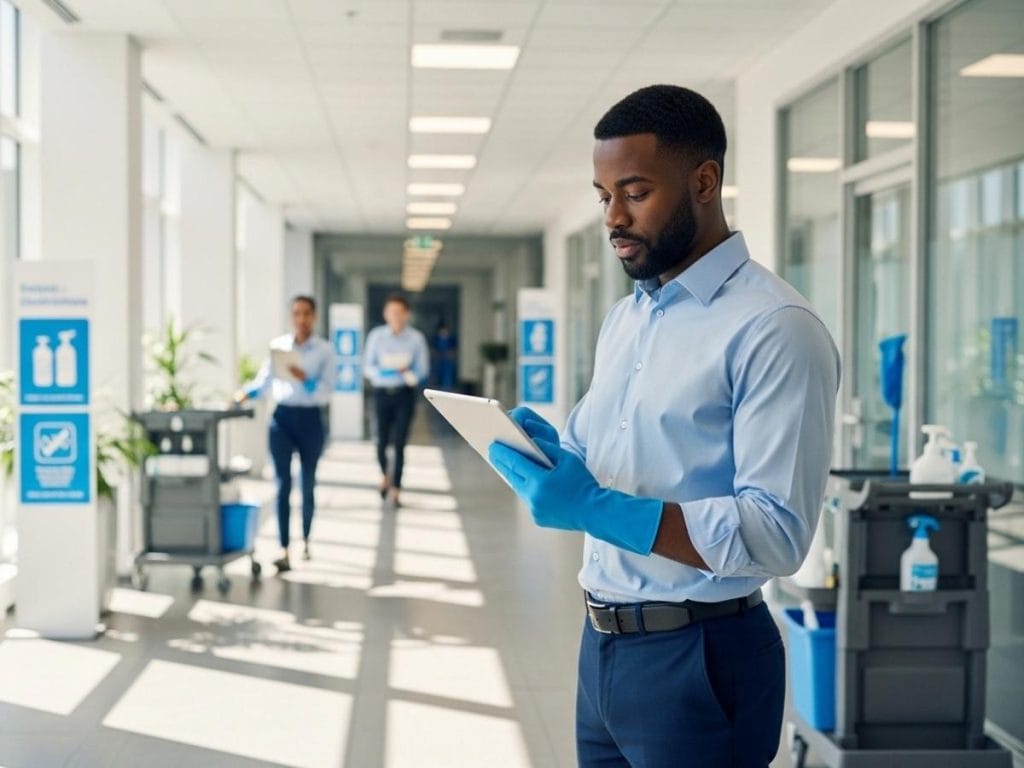
We recommend reviewing the following questions during internal risk assessments:
- Has there been a confirmed contagious illness or contamination incident onsite?
- Do we operate under medical-grade cleaning standards or healthcare cleaning compliance Australia requirements?
- Are vulnerable people present in our facility?
- Are we preparing for a regulatory audit or operating under strict commercial cleaning compliance requirements?
- Has foot traffic or occupancy increased beyond the capacity of our current cleaning schedule?
If one or more answers are yes, infection control cleaning services may be required instead of standard workplace sanitisation.
Escalation doesn’t always mean a full shutdown or extreme intervention. In many cases, a structured site assessment identifies targeted zones for commercial infection control cleaning, reducing disruption while addressing risk.
For Brisbane and Gold Coast facilities, a practical consultation clarifies the risk level and recommends a proportionate response. We approach this as an experienced service partner. We focus on practical outcomes, clear communication, and procedures that protect staff and operations without unnecessary complexity.
Where uncertainty remains, documenting the assessment process also supports compliance efforts later. Thoughtful escalation strengthens operational resilience and reduces risk exposure across the business.
Frequently Asked Questions
Infection control cleaning services are structured cleaning processes designed to reduce the spread of infectious pathogens in workplaces. They go beyond standard janitorial tasks by using hospital-grade disinfectants, correct chemical dwell times, and strict cross-contamination controls. These services focus on high-touch surfaces and risk-prone areas to support workplace health, regulatory compliance, and operational continuity.
A business should arrange infection control cleaning services after a confirmed illness, suspected contamination, or biohazard incident. They are also necessary in healthcare, aged care, and high-compliance environments. Rising sick leave, increased foot traffic, or preparation for an audit are additional triggers that indicate routine cleaning may no longer be sufficient.
Infection control cleaning services target pathogen transmission, while deep cleaning focuses on thorough removal of dirt and buildup. Infection control uses approved disinfectants at specific concentrations and contact times, along with PPE and structured procedures. Deep cleaning improves hygiene and appearance but does not automatically meet medical-grade or compliance-based infection prevention standards.
Infection control cleaning services are not mandatory for every office, but they become important when risk levels increase. Australian businesses may require them during outbreaks, after contamination events, or when operating under compliance obligations. Aligning with Safe Work Australia guidance helps demonstrate due diligence and responsible workplace risk management.
A professional infection control cleaning process includes trained technicians, appropriate personal protective equipment, and the use of hospital-grade disinfectants. It prioritises high-touch surface disinfection, follows defined cleaning sequences, and prevents cross-contamination through colour-coded systems. In regulated environments, documentation and safe waste disposal procedures are also included to support compliance requirements.