
What Cleaning Services Do Government Facilities Need?
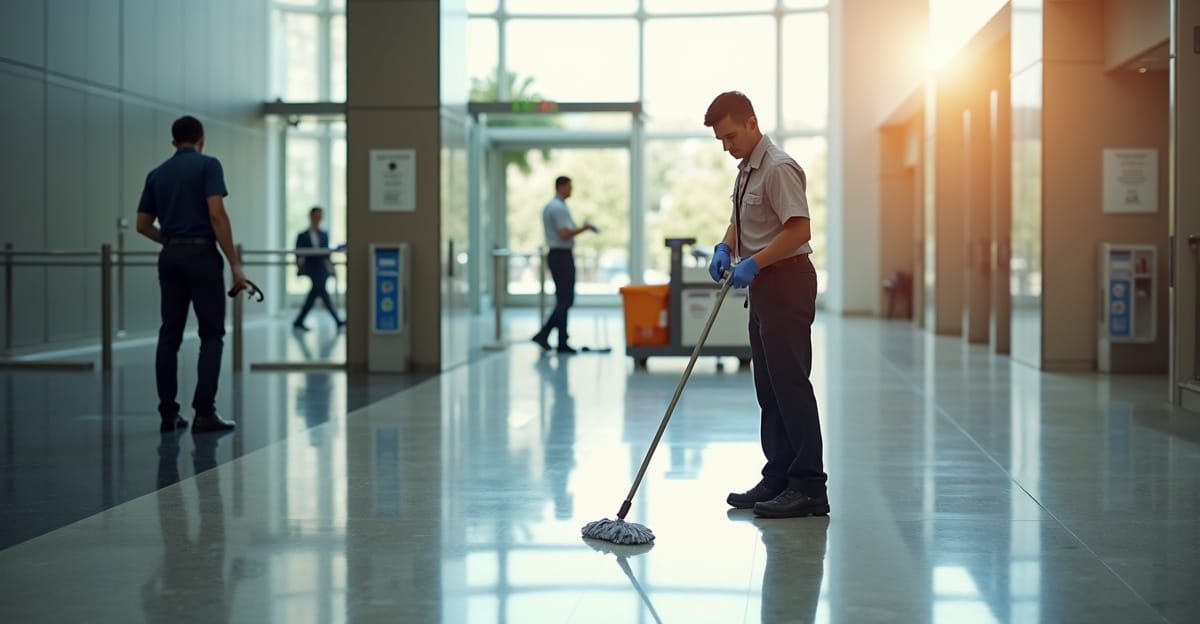
Government building cleaning demands more than visual presentation. We focus on compliance, risk control, audit readiness, and strict public accountability. Our approach aligns each cleaning program with the facility’s risk profile, security protocols, and operational demands. We deliver clear, measurable results that support safe, uninterrupted public service.
Key Takeaways
- Government facilities require structured cleaning programs that prioritise compliance, public safety, audit preparedness, and documented performance under contract standards. We ensure our scope and reporting meet these expectations at every stage.
- Cleaning requirements vary by facility type, from administrative offices to healthcare, community, and secure sites. We match our services to each location’s risk level and regulatory obligations.
- Core services include scheduled daily cleaning, targeted high-touch disinfection, periodic deep cleaning, preventive floor and asset maintenance, and specialist services where required. We plan each task to minimise disruption and maintain consistent standards.
- Traceable documentation, controlled waste management, routine quality inspections, and performance benchmarking support workplace health, environmental, and governance requirements. Our reporting systems create transparency and simplify audits.
- Security-cleared staff, strict access protocols, after-hours scheduling, and rapid emergency response protect sensitive environments and maintain operational continuity. We coordinate closely with facility managers to ensure secure and seamless service delivery.
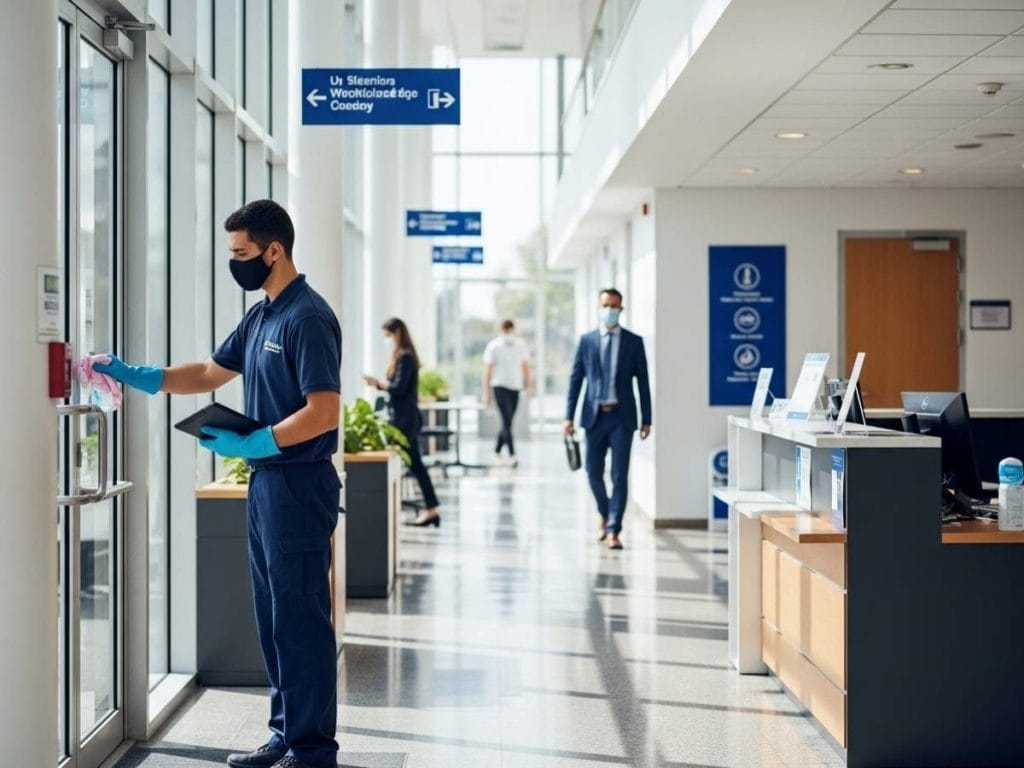
Government Facilities Operate Under Higher Cleaning Standards and Public Accountability
Government building cleaning needs extend well beyond presentation. They affect compliance, public safety, and readiness for audits at any time.
Public-facing spaces carry strict public sector cleaning requirements. High foot traffic, shared amenities, and constant community use increase risk levels. Councils, departments, and agencies must meet Safe Work Australia workplace health and safety obligations, environmental and waste regulations, and, where required, infection control standards in Australia.
Public accountability raises the bar. Cleaning performance may be reviewed during compliance audits, contract renewals, or incident investigations. Any gaps can become a governance issue, not just a maintenance concern.
Operational pressures are constant. Services must minimise disruption. Reporting must be transparent. Outcomes must be measurable. Under government contract cleaning standards, performance is rarely informal. It is documented, reviewed, and benchmarked.
We approach government facility cleaning with this context in mind. The focus stays on risk reduction, documentation, and consistent delivery aligned with public accountability expectations.
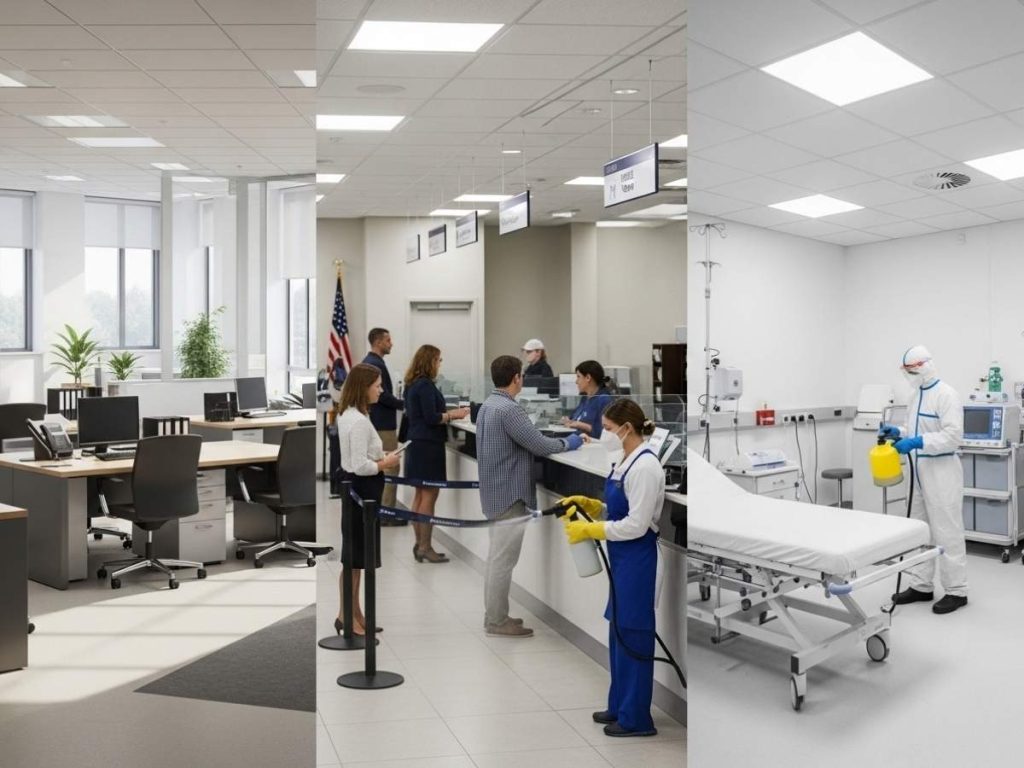
Cleaning Requirements Vary by Facility Type and Risk Profile
No two facilities are identical. Government facility cleaning services must reflect the operational risk, level of community exposure, and specific regulatory requirements of each site.
Administrative Offices and Civic Buildings
Administrative offices require structured daily cleaning. Workstations, meeting rooms, amenities, and shared kitchens need routine attention. Presentation matters, particularly in public-facing departments where confidence in service delivery begins at reception.
Civic buildings and public service centres experience sustained high-traffic facility cleaning demands. Counters, waiting areas, seating, lifts, and door handles require frequent touchpoint disinfection. Cleaning schedules must align with public service hours to avoid disruption while maintaining hygiene standards.
In these settings, clarity around scope is essential. A clear understanding of what commercial cleaning covers helps procurement teams define responsibilities and service frequency accurately.
Healthcare, Community, and Secure Sites
On-site clinics and medical rooms operate under medical-grade cleaning standards. Surface disinfection must align with Australian Government infection prevention and control guidelines. Treatment rooms, waiting areas, and consultation spaces carry higher risk. In these environments, cleaning supports clinical safety outcomes.
Facilities such as community centres and libraries face fluctuating usage. Events, school programs, and public gatherings create variable cleaning loads. Child-safe and public-safe sanitation practices are essential.
High-security sites add another layer. Restricted access zones require security-cleared cleaning staff. Cleaning tasks may be divided by clearance level. Defined cleaning zones and controlled movement protect sensitive information and assets.
In each case, the cleaning model must match the risk profile. A generalised approach rarely satisfies public sector cleaning requirements across mixed-use government portfolios.
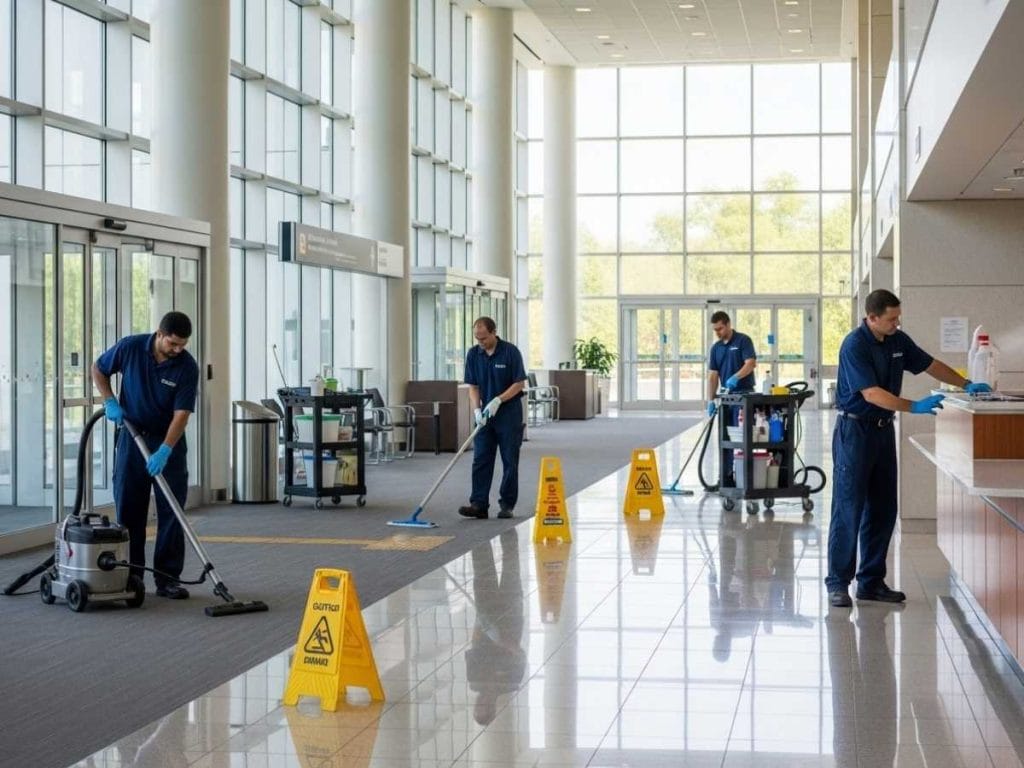
Core Routine and Periodic Cleaning Services Required
Government buildings depend on structured daily, weekly, and periodic cleaning services. Services must follow documented schedules tied to facility risk levels.
Daily and weekly tasks typically include vacuuming, mopping, bathroom sanitation, touchpoint disinfection, rubbish removal, and consumable restocking. These align with essential commercial cleaning services but are often delivered with tighter reporting and supervision standards.
High-touch surface protocols are critical. Entrances, lifts, counters, shared equipment, and security checkpoints need frequent disinfection. In many facilities, this is supported through structured sanitisation services delivered at agreed intervals.
Periodic deep cleaning protects assets and compliance status. Carpet extraction removes embedded soil and allergens. Machine scrubbing and sealing extend the life of vinyl and tiled floors through programmed floor cleaning. Scheduled window cleaning improves natural light and public presentation.
Preventive maintenance reduces long-term wear and lowers the likelihood of safety issues linked to slippery floors or degraded surfaces.
Specialist services may include upholstery cleaning, high-level dusting in atriums or council chambers, and degreasing of kitchen or food preparation areas. All tasks should connect back to documented service frequencies and measurable checklists, particularly in commercial cleaning for government buildings operating under contract performance frameworks.
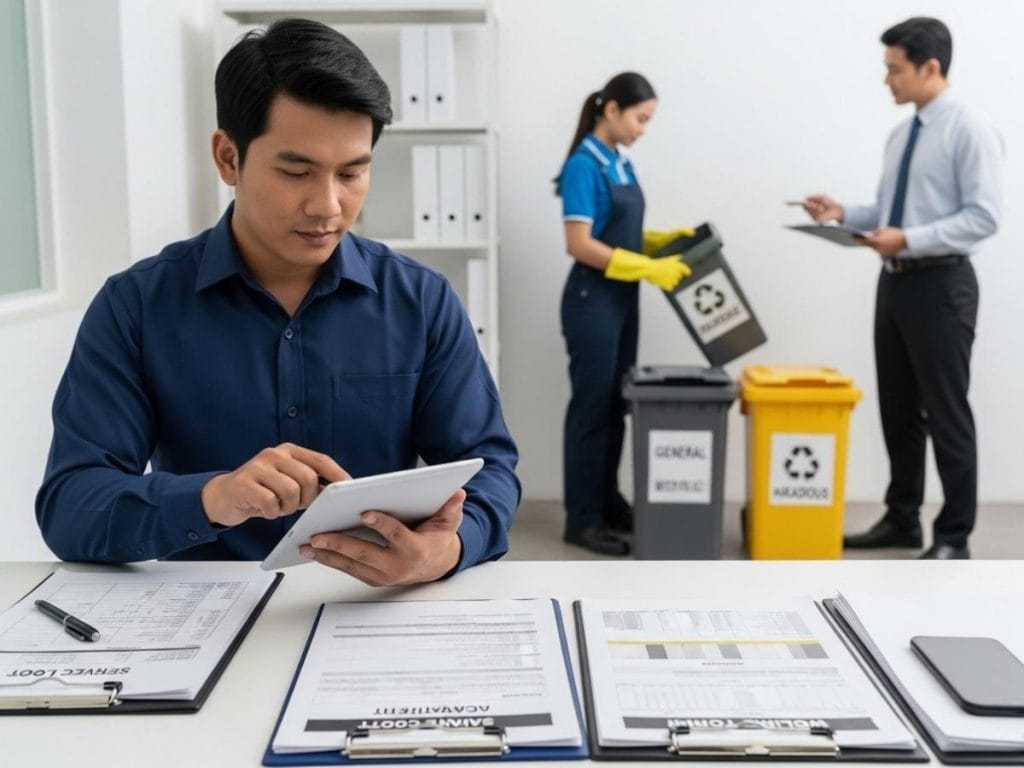
Compliance, Documentation, and Audit Readiness
Cleaning in government facilities must be traceable. Cleaning documentation and reporting systems are central to compliance.
Service logs, site checklists, supervisor sign-offs, and incident reports create accountability. Corrective action tracking ensures issues are closed out and recorded. These systems support cleaning compliance requirements Australia-wide, including WHS standards and environmental controls.
Quality assurance inspections should follow a defined structure. Supervisors conduct routine audits, with findings recorded and shared with facility managers. This reduces uncertainty during formal reviews.
Waste management controls are another key component. Segregation of general, recyclable, and hazardous waste must align with Australian Government waste management and environmental guidelines. Where applicable, disposal procedures for clinical or controlled waste must follow Australian clinical waste management guidelines.
Government contract cleaning standards often include performance benchmarking under the Commonwealth Procurement Rules issued by the Australian Government Department of Finance. Procurement teams may request evidence during contract performance reviews, or facilities may undergo compliance audits after incidents or complaints.
Regularly reviewing cleaning frameworks against workplace hygiene laws reduces disruption and protects organisational reputation.
Transparent communication between cleaning teams, facility managers, and procurement representatives supports continuous improvement. Clear reporting builds trust and simplifies renewal discussions.
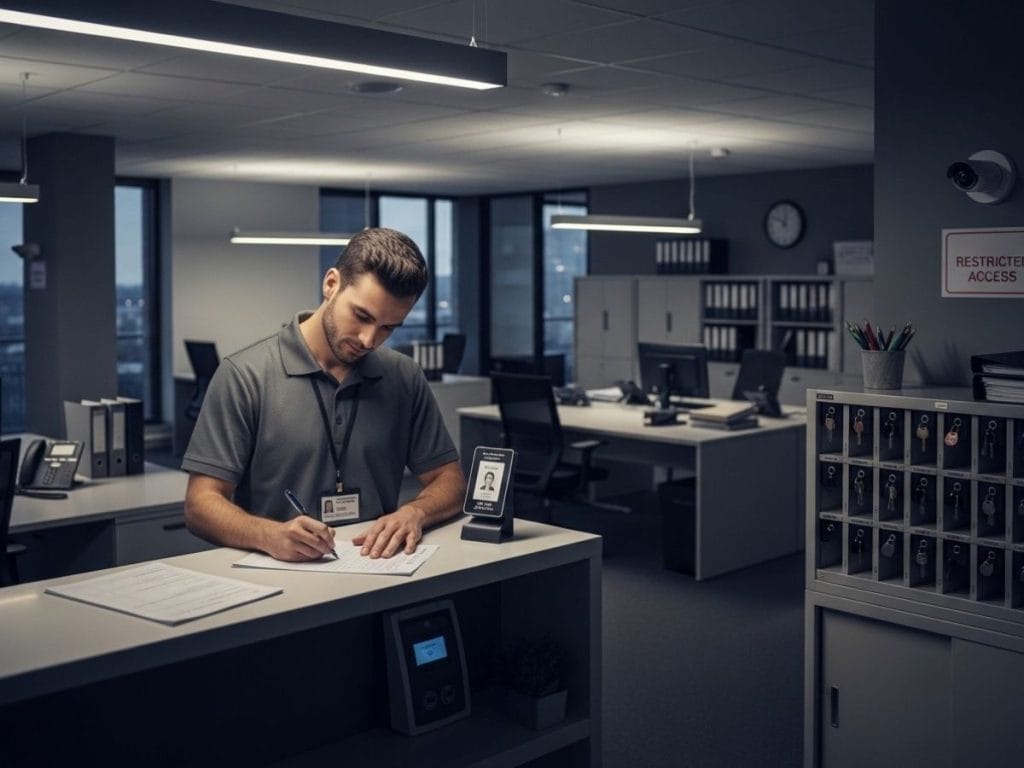
Security, Access Control, and Minimal Operational Disruption
Security requirements are central in government environments. Many sites require background-checked and security-cleared cleaning staff in accordance with the Australian Government Protective Security Policy Framework (PSPF). Clearance levels must align with designated access zones.
Controlled access procedures are essential. Sign-in protocols, key management systems, and secure handling of swipe cards protect assets and information. Clearly defined escalation processes address incidents, suspicious activity, or security breaches.
Confidentiality also matters. Administrative buildings may handle sensitive citizen data. Cleaning personnel must respect document security and restricted areas at all times.
To reduce impact on public operations, many facilities rely on after-hours commercial cleaning. This maintains hygiene standards without interrupting service delivery.
Operational planning should align with government schedules, public service windows, and emergency service availability where relevant. Flexibility is important, but it must operate within structured procedures.
Clear communication ensures building managers remain informed without excessive oversight. Cleaning activities should integrate smoothly into broader facilities management systems.
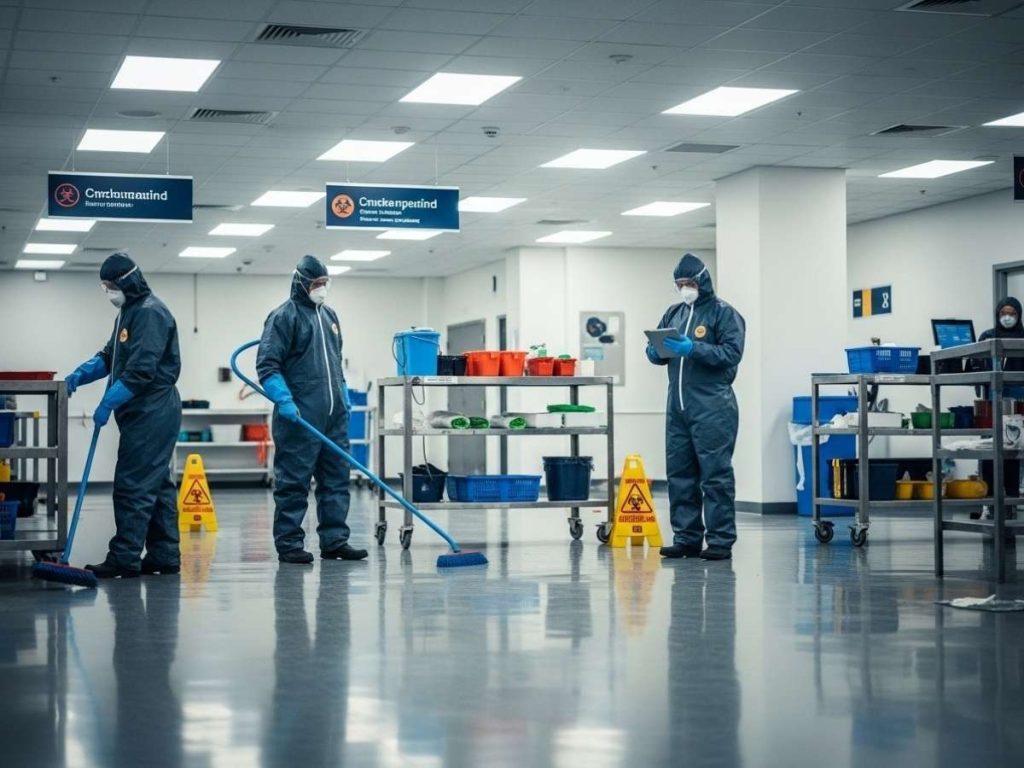
Emergency Response, Risk Management, and Provider Evaluation
Government environments require readiness for unexpected events. Spills, biohazards, storm damage, or public incidents demand rapid response capability.
Outbreak control or contamination events may require escalation to infection-focused protocols. Understanding infection control cleaning helps define when heightened measures are necessary. In medical or treatment settings, alignment with medical-grade cleaning standards becomes critical.
High-risk tasks should have documented risk assessments and method statements. These records protect both the agency and the cleaning provider.
When assessing providers for government facility cleaning services, decision-makers should consider:
- Proven experience across similar government sites
- Structured quality assurance and documented reporting systems
- Security-cleared cleaning staff where required
- Scalability for events or emergencies
- Transparent communication and long-term partnership focus
Facilities teams should review current government building cleaning needs against compliance, security, and documentation benchmarks. Gaps often emerge during audits rather than routine operations. Addressing them early supports smoother contract management.
Consistent delivery under government contract cleaning standards produces clear outcomes: compliance, accountability, safer environments, and reduced operational risk. Public facilities depend on cleaning systems that perform reliably, withstand scrutiny, and support uninterrupted service to the community.
Frequently Asked Questions
Government building cleaning needs must meet workplace health and safety, environmental, and contract performance standards. Facilities often require documented cleaning schedules, supervisor sign-offs, and audit-ready reporting. Compliance also includes proper waste segregation and infection control procedures where applicable. These measures ensure accountability, reduce risk, and support transparency during inspections or contract reviews.
Government facilities should schedule deep cleaning based on risk level, foot traffic, and facility type. High-traffic civic buildings may require quarterly deep cleans, while lower-risk administrative offices may need them biannually. Deep cleaning typically includes carpet extraction, hard floor restoration, and detailed sanitation. Regular scheduling protects assets, maintains hygiene standards, and supports audit readiness.
Documentation is essential because government contract cleaning services are performance-based and subject to review. Service logs, inspection reports, and corrective action records provide evidence that cleaning obligations are met. Clear documentation supports compliance audits, reduces disputes, and strengthens accountability. It also helps facility managers track trends and address issues before they escalate.
Many government buildings require security-cleared cleaning staff, particularly in restricted or high-security areas. Background checks and controlled access protocols help protect sensitive information and assets. Clearance levels often determine which zones staff can enter. These controls reduce operational risk while ensuring cleaning tasks are completed without compromising confidentiality or safety.
The difference lies in compliance, reporting, and risk management expectations. Government facility cleaning operates under stricter contract standards, formal documentation requirements, and higher public accountability. Services are aligned with audit readiness, security protocols, and regulatory obligations. Standard commercial cleaning focuses primarily on presentation, while government programs prioritise measurable performance and governance compliance.