
What Role Does Cleaning Play in Infection Prevention?
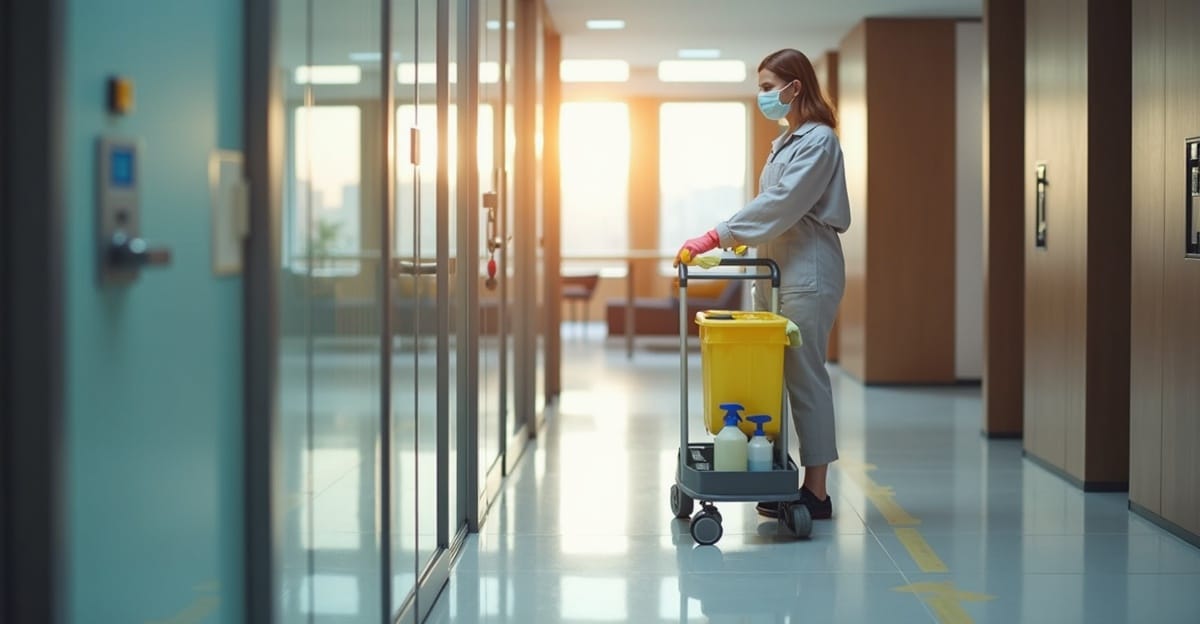
Infection prevention cleaning plays a critical role in reducing surface-based transmission in commercial environments. We apply structured, risk-based cleaning and disinfection protocols to control contamination at its source. We support these systems with clear documentation, skilled teams, and consistent quality checks. This approach protects workplace safety, strengthens compliance, and keeps operations running across offices, medical centres, and multi-site facilities.
Key Takeaways
- Infection prevention cleaning is a structured risk management control, not a cosmetic task, and requires defined protocols, frequencies, and supervision.
We treat infection control as a formal risk control measure. We define cleaning scopes, set clear frequencies, and assign supervision. Teams follow documented procedures, and supervisors verify outcomes. This structure reduces variability and keeps standards consistent across every site.
- High-touch surfaces such as door handles, lift buttons, shared desks, and bathroom fixtures are primary transmission points that demand consistent attention.
We identify and prioritise high-touch points in every facility. Door handles, lift buttons, shared desks, tap handles, and flush controls carry higher exposure risk. We increase cleaning frequency in these zones and track completion through checklists or digital logs. This focus limits surface-based transmission and reassures occupants.
- Effective infection control depends on correct sequencing of cleaning and disinfecting, appropriate chemical selection, and adherence to dwell times.
We clean first to remove soil and organic matter. We then apply approved disinfectants at the correct dilution. Teams follow manufacturer dwell times and never rush the process. Proper sequencing and chemical control ensure products perform as intended and deliver reliable pathogen reduction.
- Cross-contamination prevention, including colour-coded systems and controlled equipment allocation, is essential to stop pathogens spreading between zones.
We prevent cross-contamination through clear separation systems. Colour-coded cloths and mop heads stay assigned to specific areas, such as washrooms or food prep spaces. Equipment remains zone-specific wherever possible. This disciplined allocation stops pathogens from transferring between high-risk and low-risk areas.
- Regular program reviews, documentation, and audits strengthen compliance, reduce disruption during illness spikes, and support operational resilience.
We review cleaning schedules and risk assessments at planned intervals. We maintain accurate records to demonstrate compliance with health and safety standards. Audits help us identify gaps and correct issues early. Strong oversight reduces disruption during seasonal illness increases and supports long-term operational stability.
Infection Prevention Cleaning Protects Workplace Safety and Operational Continuity
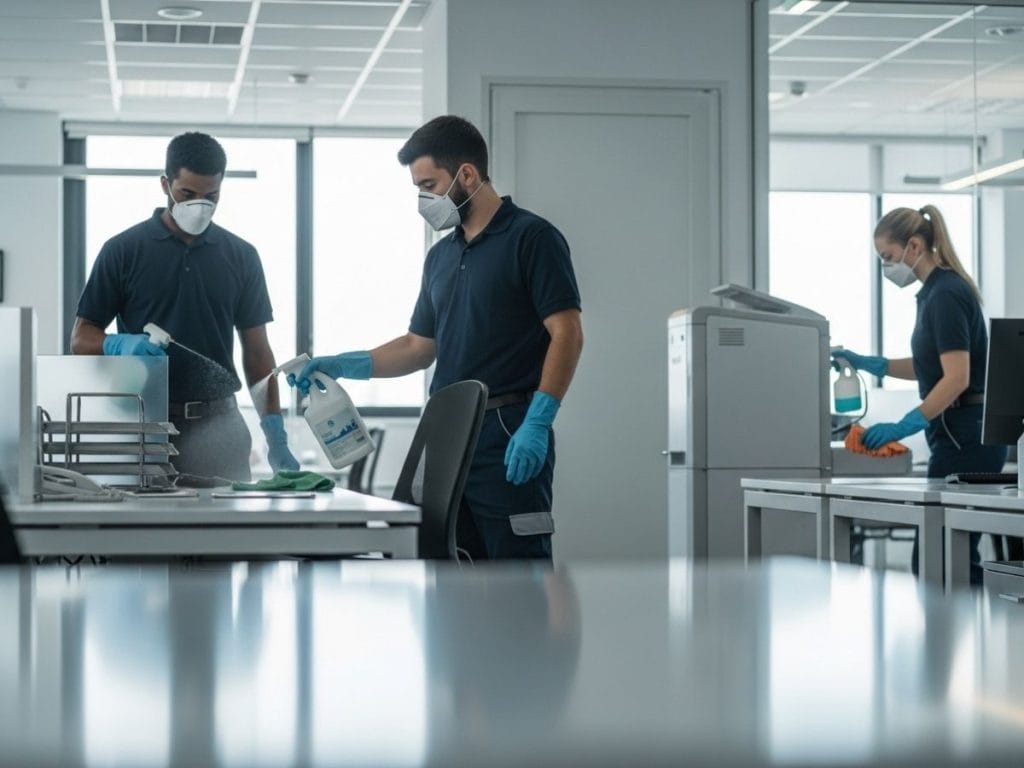
Infection prevention cleaning is a structured, risk-based approach consistent with Australian Government infection prevention and control guidelines that reduces health risks in medium to large commercial environments. It forms a core part of effective cleaning risk management and structured facility hygiene management.
We treat infection prevention cleaning as a strategic business control, with cleaning aligned to operational risk rather than routine cosmetic presentation. A surface that looks clean can still carry harmful pathogens. Without clear protocols, defined frequencies, and trained teams, cleaning becomes reactive and inconsistent.
A structured approach supports workplace infection control by reducing the likelihood of surface-based transmission through effective infection control cleaning practices. Fewer illness outbreaks mean lower absenteeism, stronger workforce stability, and minimal disruption to operations. That continuity matters in offices, medical centres, government buildings, education facilities, and multi-site portfolios across Brisbane and the Gold Coast.
The commercial impact is practical and measurable:
- Fewer internal complaints about hygiene standards
- Reduced operational disruption during illness spikes
- Stronger commercial cleaning compliance outcomes
- Greater confidence during audits or site inspections
- Protection of brand and public reputation
Professional commercial cleaning services should support these outcomes every day, including reducing complaints through cleaning. Cleaning must strengthen operations, not create uncertainty.
How Infections Spread in Commercial Environments
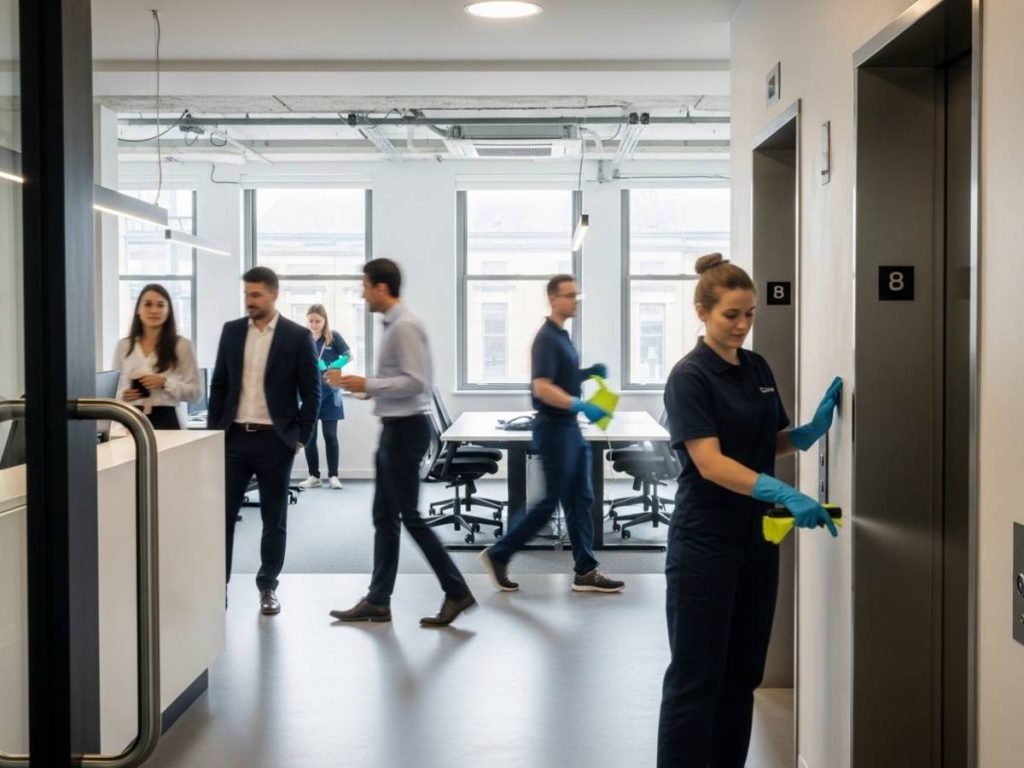
Infections spread quickly in shared environments. Commercial properties concentrate people, surfaces, and repetitive contact points into limited space. Without disciplined workplace infection control, contamination transfers easily from person to surface and back again.
Common transmission pathways in offices and facilities include contaminated surfaces, shared equipment, kitchens, and washrooms. High-traffic entry points also pose consistent risk as external contaminants enter the building.
High-touch surface cleaning must remain a priority. In most commercial sites, that includes:
- Door handles
- Lift buttons
- Reception counters
- Shared desks and meeting tables
- EFTPOS machines and shared devices
- Bathroom taps, flush buttons, and dispensers
Each of these points can transfer pathogens multiple times per hour in busy periods.
Cross contamination cleaning prevention is equally critical. If cleaning cloths, mops, or tools move between bathrooms, kitchens, and workspaces without controlled systems, they spread contamination instead of removing it. Poor tool control undermines otherwise strong cleaning efforts.
Multi-site portfolios face added pressure. Different teams, rotating staff, and varying occupancy levels create inconsistency. Buildings in Brisbane and the Gold Coast often experience fluctuating foot traffic due to tourism, events, and seasonal workforce changes. That variability increases infection risk if office infection control cleaning routines are not standardised.
We’ve outlined practical strategies for managing heavy foot traffic in our guide to cleaning safety in high-traffic areas. High movement requires structured response, not occasional extra wipes.
Cleaning, Sanitising, and Disinfecting: Why the Difference Matters
Cleaning, sanitising, and disinfecting are often used interchangeably. They are not the same.
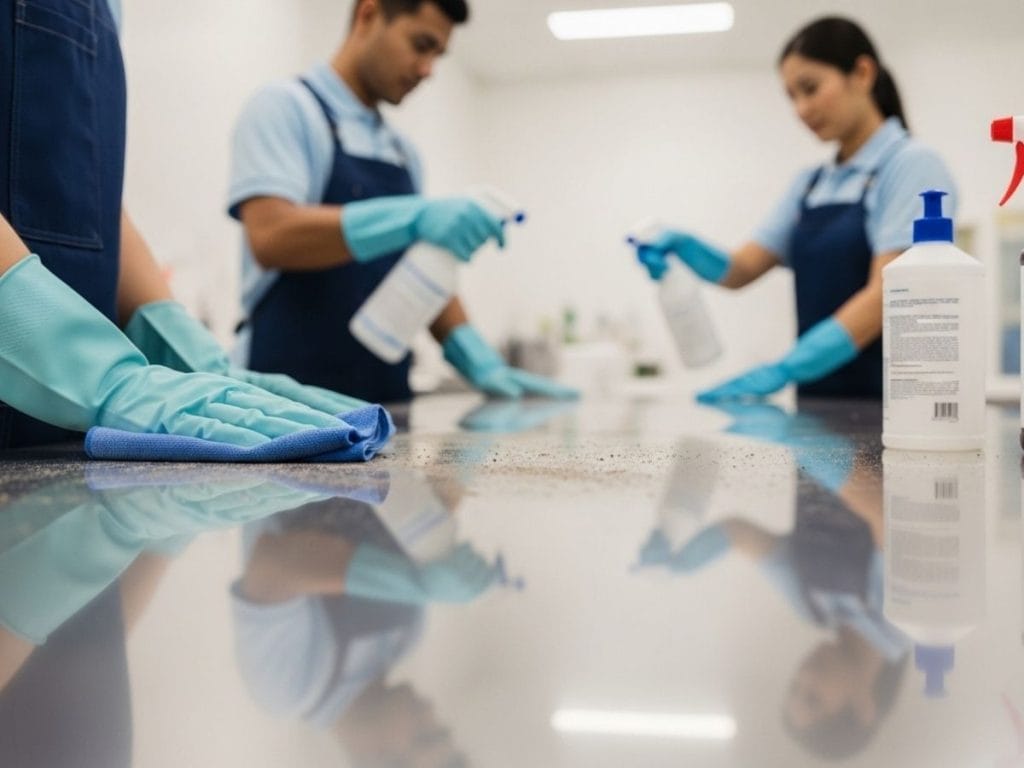
Cleaning removes visible soil, dust, and organic matter from a surface. It reduces contamination physically but does not necessarily kill pathogens.
Sanitising and health outcomes are closely linked, as sanitising reduces bacteria to acceptable public health levels. It lowers risk but does not eliminate all organisms.
Disinfecting uses approved chemicals to kill specific pathogens on surfaces. In Australia, disinfectants should align with Therapeutic Goods Administration (TGA) approved disinfectant standards where required.
The sequence matters. Cleaning must occur before disinfecting. Dirt and organic material reduce disinfectant effectiveness. Applying chemicals to a soiled surface weakens results and can create false confidence.
Dwell time also matters. Disinfectants require a specific contact period to work effectively in accordance with TGA requirements for disinfectant instructions and contact time. Wiping them off too quickly limits their impact. Over-application, on the other hand, wastes product and may create residue risks.
Safe Work Australia guidance on maintaining safe and hygienic workplaces outlines expectations for appropriate chemical handling and documentation. Regulated environments, such as medical facilities, may require adherence to higher medical-grade cleaning standards. We’ve explained these requirements further in our overview of medical facility cleaning standards.
Vague claims such as “kills 99.9% of germs” offer little assurance without process control. Effective cleaning and disinfecting depend on sequencing, product selection, training, and supervision. Documentation supports commercial cleaning compliance and demonstrates that standards are consistently applied.
What an Effective Infection Prevention Cleaning Program Involves
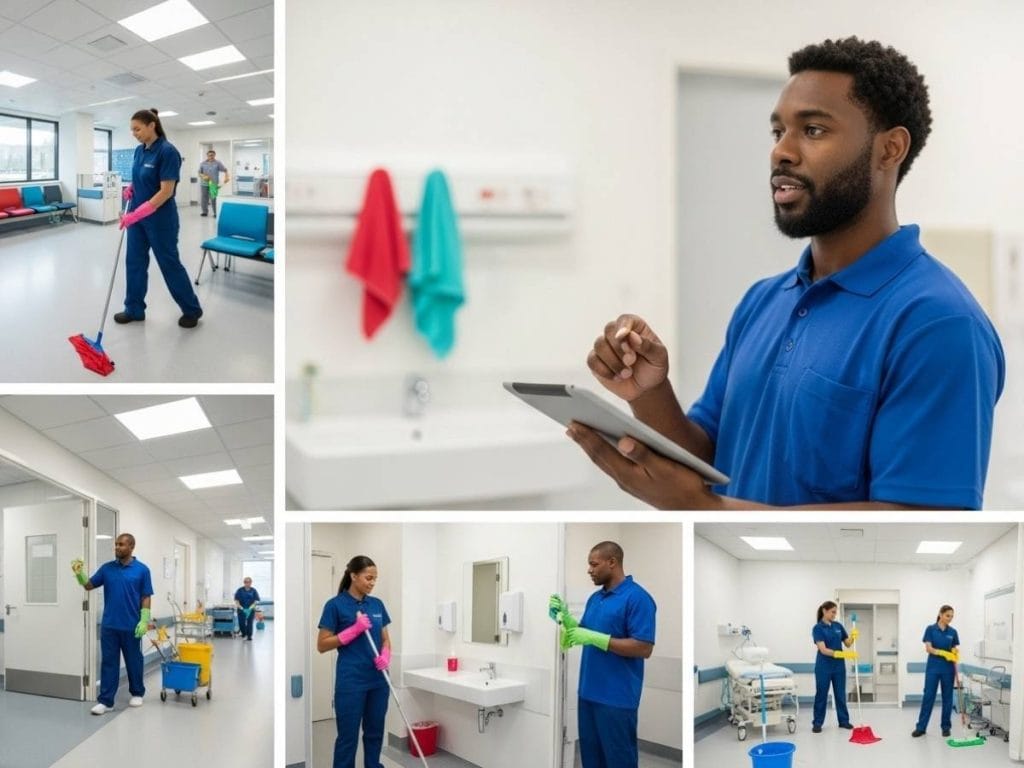
An effective program begins with a site-specific risk assessment. We evaluate traffic levels, occupancy type, operating hours, and whether vulnerable populations are present. Healthcare and clinical settings require tighter environmental controls than general offices. Facilities caring for vulnerable people must align with Australian Commission on Safety and Quality in Health Care infection control standards, as outlined in our guide to infection control cleaning.
Structured cleaning protocols define:
- What gets cleaned
- How it gets cleaned
- Which products are used
- How often tasks are completed
- Who is responsible
Colour-coded systems and controlled equipment allocation reduce cross-contamination. Clear separation between bathroom, kitchen, and general workspace tools prevents transfer of pathogens across zones.
Chemical selection must reflect surface type, risk level, and compliance requirements. Teams should document product use and maintain safety data information as part of commercial cleaning compliance.
Training is non-negotiable. Staff need competency checks, supervision, and reinforcement of correct application techniques. In specialised environments, higher standards apply. Our explanation of medical cleaning training requirements details why advanced skills are essential in clinical spaces.
Quality control closes the loop. Effective professional cleaning systems include:
- Task checklists
- Supervisory inspections
- Reporting mechanisms for incident response
- Scheduled audits
These controls integrate cleaning risk management into broader facility hygiene management. Cleaning becomes predictable and measurable rather than reactive.
What Decision-Makers Should Expect from Commercial Cleaning Services
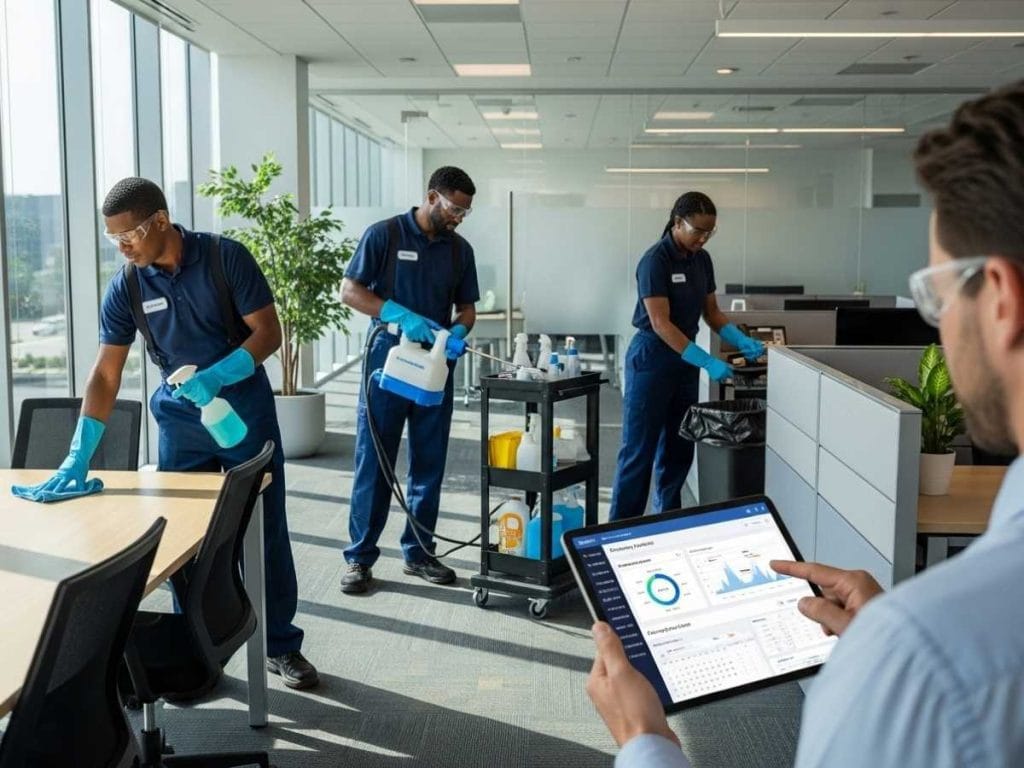
Facility managers and procurement teams should expect transparency. Infection prevention cleaning must be clearly defined, documented, and consistently delivered.
A professional provider outlines scope, cleaning frequencies, escalation procedures, and responsibilities in writing. Teams should remain consistent across shifts and sites. Multi-site operations require uniform standards.
Documented accountability strengthens internal confidence. That includes service reports, inspection records, and audit trails. Clear communication ensures rapid response when occupancy increases, high-risk events occur, or regulatory expectations change.
Decision-makers should also look for alignment with broader compliance requirements. Workplace cleanliness directly influences hazard control and risk mitigation under WorkSafe Queensland workplace health risk management guidance. We’ve explored this relationship in our article on how cleanliness influences workplace safety.
Standardised and well-managed janitorial services should reinforce these expectations across daily operations. Cleaning teams support operational resilience. They should never create compliance uncertainty.
When to Review or Upgrade Your Infection Prevention Cleaning Approach
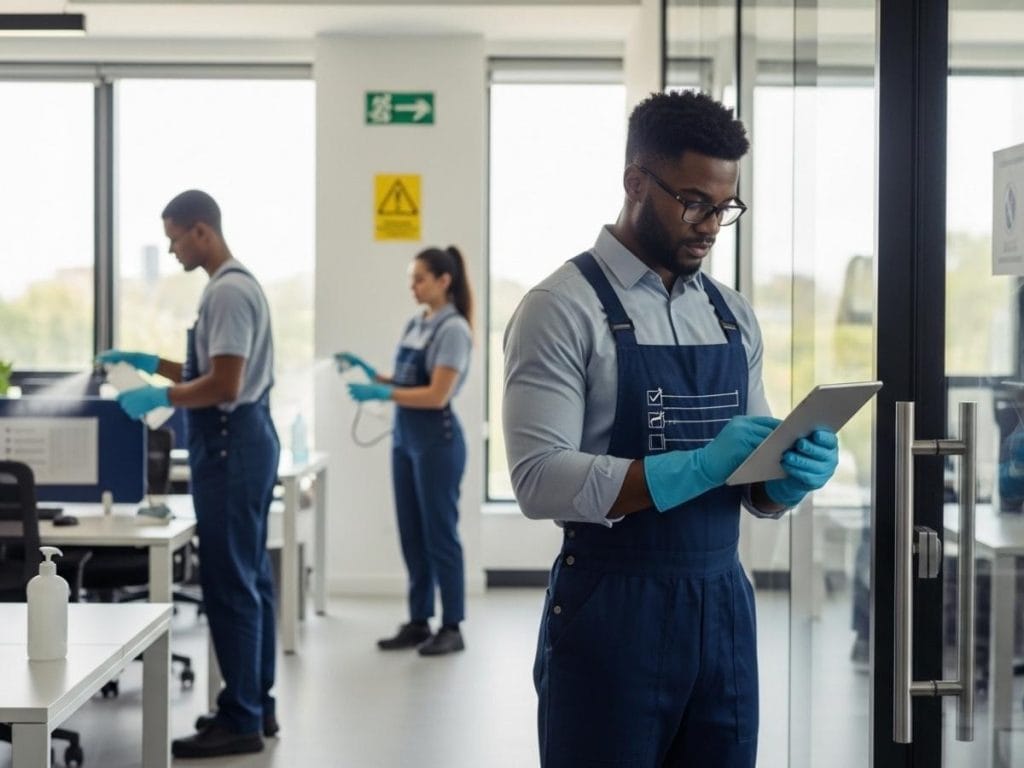
Infection risks change as operations grow or shift. Cleaning programs must adapt accordingly.
Review infection prevention cleaning arrangements when:
- Contracts approach renewal or service gaps appear
- Occupancy increases or operating hours extend
- Illness-related incidents occur in the workplace
- Regulatory expectations evolve
- Businesses expand into new sites across Brisbane or the Gold Coast
Changes in workplace structure often expose weaknesses in cleaning risk management. A structured review provides reassurance that protocols remain fit for purpose. It also confirms that documented controls meet internal and regulatory standards.
Strong compliance processes reduce stress for management teams. Our overview of workplace hygiene compliance explains how consistent cleaning practices support broader legal obligations.
Regular program reviews protect operational continuity. They reduce uncertainty, strengthen workforce confidence, and ensure facility hygiene management keeps pace with business growth. Consistency in infection prevention cleaning builds trust internally and externally, safeguarding both people and performance.
Frequently Asked Questions
Infection prevention cleaning is a structured approach to reducing contamination on surfaces in shared environments. It combines defined cleaning procedures, approved disinfectants, scheduled frequencies, and supervision. Unlike routine cosmetic cleaning, it focuses on lowering health risks and limiting surface-based transmission through documented risk controls and consistent quality checks.
Infection prevention cleaning reduces illness outbreaks by targeting high-touch surfaces and interrupting transmission pathways. Regular removal of soil followed by correct disinfectant use lowers pathogen levels on frequently contacted areas. When combined with documented protocols and monitoring, this approach decreases cross-contamination and helps maintain workforce stability during peak illness periods.
Common mistakes include skipping the cleaning step before disinfecting, ignoring required dwell times, and using the same tools across multiple zones. These errors reduce product effectiveness and spread contamination. A lack of documentation and supervision can also create inconsistent results, weakening compliance and increasing operational risk.
The right disinfectant depends on surface type, risk level, and regulatory requirements. Products must be suitable for the environment and used at the correct dilution. Selection should align with safety guidance and manufacturer instructions, including contact time. Proper chemical choice ensures effective pathogen reduction without damaging surfaces or creating residue issues.
A company should upgrade its infection prevention cleaning strategy when occupancy increases, new sites open, illness incidents rise, or regulations change. Contract renewals and operational expansion are also key review points. Periodic risk assessments and audits help confirm that cleaning protocols remain aligned with current workplace demands and compliance obligations.