
Why Consistency Matters in Commercial Cleaning

Consistent cleaning service benefits directly affect compliance, safety, budgeting stability, and daily operational performance across commercial facilities. When cleaning standards fluctuate, organisations absorb preventable risks, reactive costs, audit pressure, and added management strain. We see reliability as the foundation of effective workplace hygiene management.
Key Takeaways
- Inconsistent cleaning drives compliance gaps, safety risks, rising complaints, and reputational harm.
- Genuine commercial cleaning reliability depends on documented systems, active supervision, team continuity, and clear communication.
- Structured cleaning frameworks maintain audit readiness and reinforce health and safety duties.
- Consistent service limits reactive call-outs, stabilises costs, and improves budget forecasting.
- Reliable workplace hygiene management strengthens staff confidence, productivity, and brand perception.

The Real Cost of Inconsistent Cleaning in Commercial Facilities
Consistent cleaning service benefits directly influence operational efficiency, compliance outcomes, staff safety, and how a workplace presents to clients. Cleaning affects daily operations more than many realise. When standards fluctuate, the impact shows quickly.
We regularly see the same frustrations across medium to large facilities in Brisbane and the Gold Coast. Missed cleans. Uneven standards between shifts. Communication gaps. Reactive call-outs to fix preventable issues. Each one adds pressure on facility managers who already manage tight schedules and compliance obligations.
Inconsistent service creates avoidable consequences. Workplaces experience more complaints, declining hygiene standards, and increased exposure to safety risks. Audits become stressful. Brand reputation suffers when common areas, amenities, and high-touch surfaces are overlooked.
There is also risk exposure. Poor documentation and irregular service can lead to compliance breaches. Health concerns increase when cleaning protocols are not followed consistently. Costs become unpredictable because reactive works replace planned service delivery. Staff lose confidence in the workplace environment.
For larger sites, unreliable cleaning disrupts workflow and increases management workload. Time spent chasing cleaners, resolving complaints, or arranging urgent rectification could be spent on core operational tasks. The consistent cleaning service benefits extend far beyond appearance. They protect performance, people, and reputation.
Organisations that understand what commercial cleaning involves recognise that commercial cleaning reliability supports every other function in the building. It becomes a foundational service rather than an afterthought.
What Consistency Actually Means in Commercial Cleaning
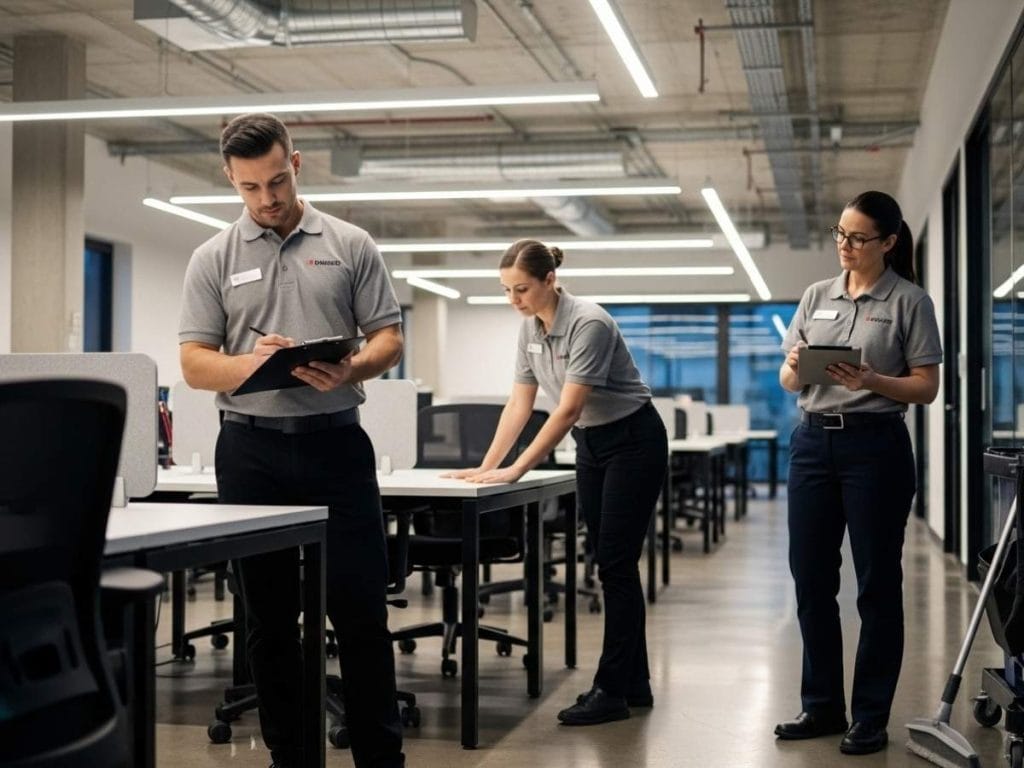
Consistency is not simply cleaners showing up. It is a structured system with accountability built in. Commercial cleaning reliability comes from processes, supervision, and clear communication, not verbal assurances.
A consistent scheduled commercial cleaning approach supports predictable facility cleaning standards, especially when guided by a structured commercial cleaning service checklist. Each task has frequency, responsibility, and verification attached to it. Workplace hygiene management becomes proactive rather than reactive.
Core Components of a Reliable Cleaning Framework
A truly consistent service includes the following structured measures:
- Documented cleaning quality control processes with traceable records
- Site-specific scope documents and detailed checklists
- Staff continuity so cleaners understand the site layout and standards
- Active supervision and scheduled site inspections
- Clear communication channels with reporting and escalation procedures
These systems protect service quality. Without them, standards drift. Tasks get skipped. Small issues grow into formal complaints.
Facilities should also clearly define the difference between routine work and periodic deep tasks. Understanding routine and detail cleaning helps maintain consistent cleaning schedule planning and prevents gaps.
Commercial cleaning reliability is built into operations. It does not depend on who is on shift that day. Strong cleaning quality control processes ensure continuity even during staff changes.
Compliance, Safety, and Risk Reduction Start with Reliability
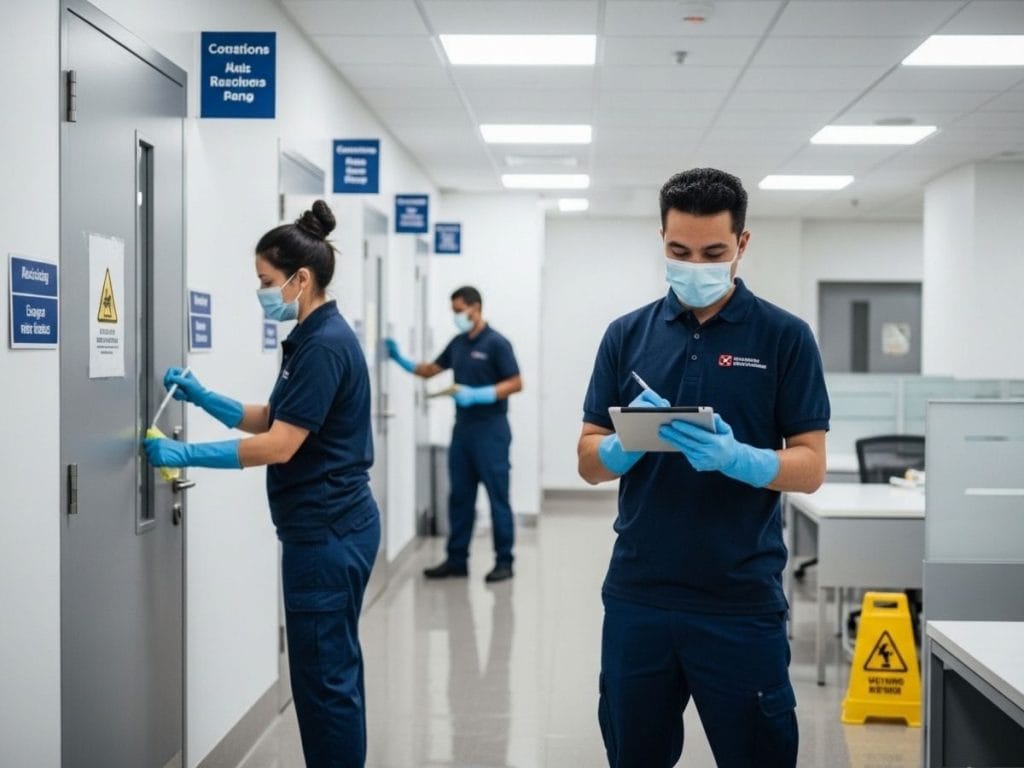
Commercial cleaning compliance supports Work Health and Safety (WHS) duties and health and safety cleaning standards. Reliable services maintain documentation, task completion logs, and inspection records. These records matter during audits and incident investigations.
Facilities such as medical centres, government buildings, and multi-site operations rely heavily on commercial cleaning audits and inspections. Documented processes give clear evidence that cleaning protocols were followed consistently.
High-traffic environments require risk reduction cleaning services. Regular disinfection, waste management, and high-touch surface controls reduce exposure risks. A structured sanitisation service supports this outcome through scheduled, recorded activities rather than ad hoc responses.
Preparation is another major benefit. When audits, expansions, or increased foot traffic occur, reliable services can scale without panic. There is no need for last-minute corrective cleaning because baseline standards are already maintained.
Cleaning also directly influences hazard prevention. Slips, contamination, and poor indoor hygiene correlate with inconsistent upkeep, particularly in environments where slip and trip hazards are identified by WorkSafe Tamania as a leading workplace risk. As outlined in how cleanliness influences workplace safety, regular and documented procedures strengthen compliance frameworks and reduce avoidable incidents.
Reliability transforms cleaning from a reactive expense into an essential risk management tool.

Financial Impact: Lower Reactive Costs and Predictable Budgeting
Inconsistent cleaning creates hidden financial strain. The costs often do not appear on an invoice line item, yet they accumulate quickly.
Reactive call-outs disrupt monthly budgets. Rework increases labour costs. Facility managers spend unplanned time managing complaints and organising corrective services. Staff dissatisfaction leads to further escalation.
Organisations focused on reducing operational waste aim to reduce cleaning complaints in workplace environments. One practical step is applying better cleaning practices supported by structured supervision.
A reliable outsourced commercial cleaning provider reduces volatility. Scheduled inspections catch issues early. Clear reporting creates transparency. Commercial cleaning reliability translates into fewer unexpected invoices and smoother cost forecasting.
Predictable service planning supports long-term facility performance. Vendor stability also matters. Frequent provider changes disrupt standards, retraining consumes time, and accumulated site knowledge is lost.
Consistent cleaning service benefits include financial control. Planned service reduces urgent interventions, and strong oversight lowers the need for excessive management involvement.
Workplace Experience, Staff Morale, and Brand Reputation
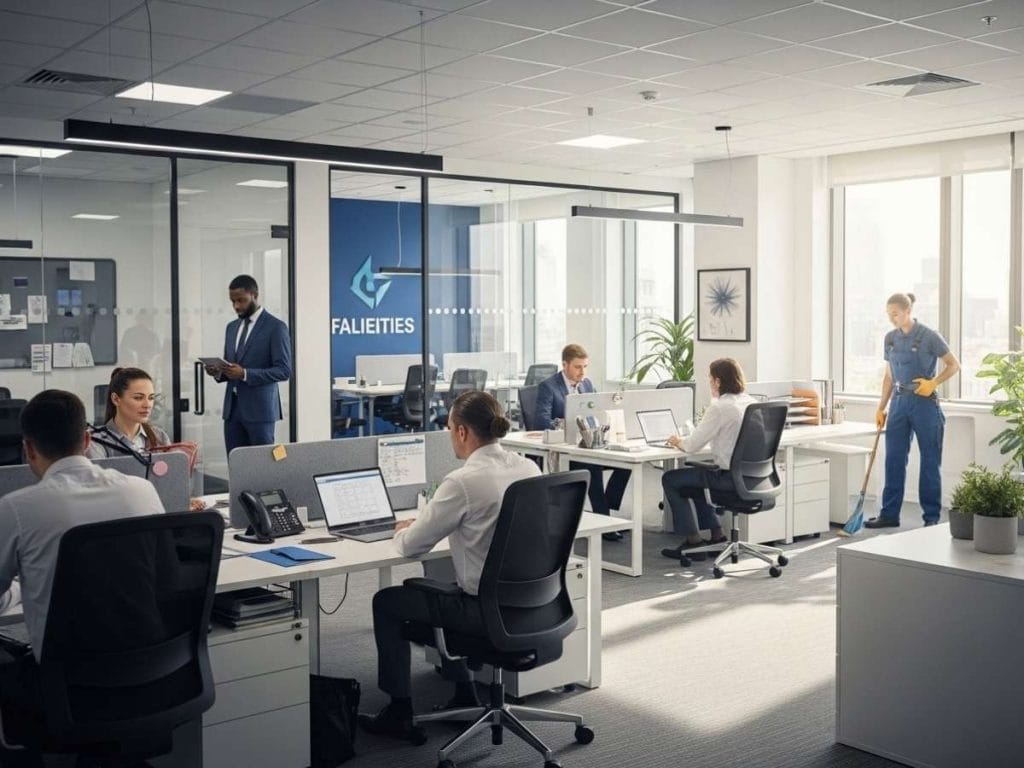
Clean environments signal professionalism and care. Workplace hygiene management directly influences staff confidence in their surroundings. When surfaces are consistently maintained and amenities are well presented, employees feel supported.
Staff productivity improves in clean environments. This connection is reinforced in how clean workplaces improve employee productivity, where structured hygiene contributes to comfort and focus.
Visitor perception also matters. Clients entering a corporate space notice presentation immediately. Reliable facility cleaning standards protect brand reputation without requiring last-minute preparation.
Corporate offices across Brisbane and the Gold Coast face real operational pressures. Multi-site locations compound the challenge. Working with an experienced corporate office cleaning provider helps standardise outcomes across locations while reducing internal coordination demands.
Facility managers often manage contractors, compliance reports, and tenant expectations simultaneously. A consistent professional cleaning contractor Brisbane organisations can rely on reduces oversight pressure.
Workplace hygiene management influences retention. Employees prefer stable, clean spaces where amenities function well and hygiene standards remain consistent. Cleaning becomes an extension of workplace culture.

How to Evaluate a Cleaning Provider for Consistency
Consistency should be measurable. Before renewing contracts or preparing for audits, facilities should evaluate whether their provider demonstrates structured systems.
Review the following areas carefully:
- Are site-specific scope documents and checklists documented and reviewed?
- How are inspections conducted and reported?
- Is there a dedicated supervisor or account manager?
- What training and continuity measures support staff stability?
- How are complaints logged, tracked, and resolved?
- Are formal processes in place for commercial cleaning audits and inspections?
Warning signs include high staff turnover, vague reporting, fluctuating results between visits, and unclear complaint processes. These issues often point to weak cleaning quality control processes.
Commercial cleaning reliability should be verifiable through records and communication, not verbal assurances. Facilities preparing for audits or growth should review whether their current outsourced commercial cleaning provider delivers measurable consistent cleaning service benefits.
We operate as a structured and compliance-focused commercial cleaning partner serving Brisbane and the Gold Coast. Our systems are built around transparency, supervision, and documented performance.
If service consistency has become unpredictable, it may be time for a practical review. We encourage facilities to assess whether current arrangements genuinely support long-term standards or to request a consultation to evaluate site-specific requirements with clarity and accountability.
Frequently Asked Questions
Consistent cleaning service benefits include improved compliance, safer work environments, predictable budgeting, and stronger brand presentation. Regular, documented cleaning reduces hygiene risks and prevents missed tasks that lead to complaints or audit failures. It also supports operational efficiency by minimising reactive call-outs and ensuring cleaning standards remain stable across shifts and locations.
A consistent cleaning schedule improves workplace safety by reducing hazards such as spills, contamination, and neglected high-touch surfaces. Routine, documented procedures help prevent slips, cross-contamination, and hygiene-related incidents. When tasks are completed on schedule and verified through inspections, facilities strengthen their Work Health and Safety (WHS) compliance and lower overall risk exposure.
Yes, consistent cleaning service benefits can reduce operational costs by limiting reactive repairs and emergency call-outs. Planned maintenance prevents small issues from escalating into expensive corrective work. Predictable service delivery also supports accurate budget forecasting, lowers management time spent resolving complaints, and reduces disruptions caused by inconsistent performance.
Documentation is essential because it provides verifiable proof that cleaning tasks were completed as scheduled, consistent with ISO 9001 quality management documentation principles. Detailed checklists, inspection reports, and service logs support audit readiness and regulatory compliance. Without records, facilities cannot demonstrate due diligence. Documented systems also create accountability and maintain service standards even when staffing changes occur.
To evaluate consistency, review whether the provider uses site-specific scopes, structured checklists, and scheduled inspections. Confirm there is active supervision and a clear complaint resolution process. Reliable contractors provide transparent reporting and maintain staff continuity. Measurable systems and traceable records indicate genuine commercial cleaning reliability rather than informal or inconsistent service delivery.