
Why Regular Deep Cleaning Is Essential for Businesses
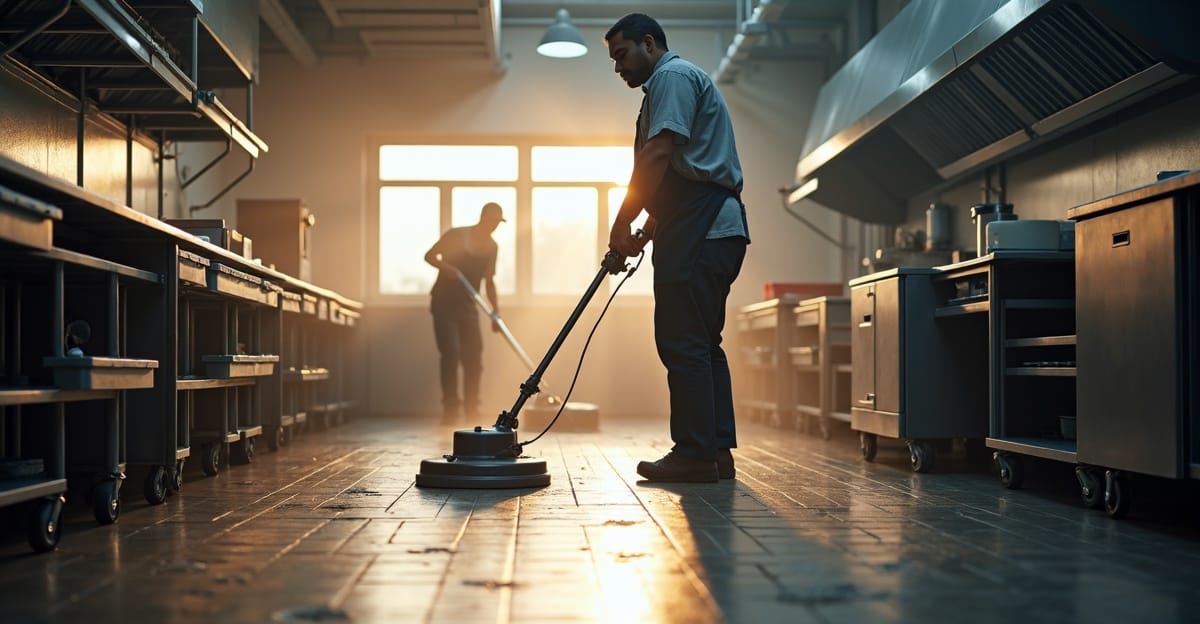
Regular structured maintenance proves the commercial deep cleaning importance in preventing slip hazards, contamination risks, mould growth, and asset deterioration that routine cleaning cannot manage alone. In high-traffic and humid settings, we rely on scheduled deep cleaning to support compliance, protect assets, reduce reactive maintenance, and stabilise operations before issues escalate.
Key Takeaways
- We reduce business risk through deep cleaning that removes hidden residue, bacteria build-up, dust accumulation, and early mould growth.
- We strengthen compliance readiness with scheduled programs that support documented hygiene standards and audit preparation.
- We separate deep cleaning from routine cleaning by targeting high-risk, high-traffic, and hard-to-reach areas with specialised methods and equipment.
- We extend the lifespan of flooring, fixtures, and HVAC systems through preventative deep cleaning that lowers long-term capital and maintenance costs.
- We set cleaning frequency based on traffic levels, industry requirements, humidity, and operational pressure instead of reacting after problems appear.
Deep Cleaning Directly Reduces Business Risk and Operational Disruption
Commercial deep cleaning importance extends well beyond presentation. We treat it as a core part of facility maintenance risk management.
In busy Brisbane and Gold Coast metro sites, daily operations create gradual build-up that routine cleaning won’t fully remove. Over time, that build-up becomes a risk factor.
Slip hazards often start with invisible residue. Hard floors that appear clean can hold detergent film, grease transfer from shoes, or compacted dirt in textured surfaces. Machine scrubbing and proper finish maintenance through hard floor cleaning and maintenance reduces that risk and restores traction.
Shared kitchens and washrooms carry contamination risks when grout lines, fixtures, and high-touch areas are left on surface-level cleaning only. Deep cleaning targets accumulated bacteria in joins, hinges, undersides, and splash zones. That work supports documented infection prevention practices, especially during seasonal illness spikes.
Humidity across Brisbane and the Gold Coast increases mould risk in poorly ventilated areas. We often see early growth in ceiling vents, behind fittings, and along damp grout lines. Structured deep cleaning reduces the chance of escalation and costly remediation.
Dust accumulation is another hidden disruptor. It settles in high-level ledges, air vents, and HVAC intakes. That impacts indoor air quality and system efficiency. Over time, it also contributes to staff complaints and increased maintenance call-outs.
From a management perspective, commercial deep cleaning importance shows up in practical outcomes:
- Fewer preventable slip incidents
- Reduced contamination complaints
- Lower frequency of reactive maintenance
- Better readiness for audits or inspections
High-traffic office cleaning solutions must account for seasonal peaks, tenant turnover, and flu season. Waiting for complaints creates operational strain. Scheduled preventative programs keep standards stable and reduce disruption before it affects productivity.
Protecting Compliance, Brand Reputation, and Audit Outcomes
Commercial cleaning compliance requirements are part of daily operations in government buildings, medical facilities, corporate offices, and strata-managed properties. Deep cleaning programs support alignment with workplace hygiene standards Australia by providing documented evidence of systematic maintenance.
Cleaning providers do not replace regulators. However, we can structure programs that support due diligence. That matters during inspections or audit reviews where scope, frequency, and records are examined closely.
Medical facility deep cleaning standards are stricter due to elevated infection control expectations. High-risk environments require intensified sanitisation cycles and detailed surface treatment. Targeted disinfection and sanitisation services form part of this structured approach.
In public-facing sites, visible cleanliness influences tenant confidence and visitor perception. Floors, washrooms, lifts, and shared spaces shape brand reputation in seconds. A consistent deep cleaning schedule reinforces trust without needing explanation.
Procurement and operations teams are under pressure to show demonstrable due diligence. Clear scopes, documented service intervals, and defined deep cleaning cycles support that requirement. We often see gaps where routine services are recorded but periodic deep cleans are informal or reactive.
For organisations operating across Brisbane, commercial deep cleaning services Brisbane providers must understand local conditions, usage spikes, and regulatory expectations. Structured programs reduce uncertainty and keep facilities aligned with commercial cleaning compliance requirements and workplace hygiene standards Australia.
The benefits of professional commercial cleaning at this level are practical: fewer surprises, clearer reporting, and stronger audit positions.
What Counts as Deep Cleaning — And How It Differs from Routine Services
The difference between deep cleaning and regular cleaning is scope and intent.
Routine cleaning usually runs daily or weekly. It focuses on visible surfaces and presentation. Tasks include vacuuming, wiping desks, emptying bins, and general washroom upkeep. These services maintain daily order and appearance, often delivered through general commercial cleaning programs.
Deep cleaning is scheduled and systematic. It targets high-touch, high-traffic, and hard-to-reach areas using specialised equipment and methods. The goal is preventative control, not cosmetic refresh.
Examples clarify the difference:
- Carpet surface vacuuming removes loose debris. Deep extraction through carpet and upholstery cleaning removes embedded soil and residue.
- Mopping maintains appearance. Machine scrubbing and resealing restores floor performance and safety.
- Standard washroom cleaning wipes exposed surfaces. Deep descaling removes mineral build-up around fixtures and grout lines.
- Visible ledges may be dusted weekly. High-level vents and ceiling fittings require scheduled access and equipment.
Clarity here supports budget planning and vendor discussions. Without understanding the difference between deep cleaning and regular cleaning, services drift. Routine tasks expand in response to complaints while underlying contamination remains.
Operational planning should also address how often a business should be professionally cleaned at both routine and deep levels. Deep cleaning is strategic. It prevents performance decline before surfaces visibly fail.
For Brisbane facilities, commercial deep cleaning services Brisbane programs should align with usage, humidity, and tenancy patterns. Sporadic reactive cleans rarely achieve the same control as scheduled cycles.
Asset Longevity and Long-Term Cost Control
Asset longevity through preventative cleaning is one of the strongest financial arguments for structured deep cleaning.
Carpet fibres trap fine grit. That grit acts like sandpaper under foot traffic. Without periodic extraction, carpet lifespan shortens significantly. Replacing flooring earlier than planned shifts expenditure from operational budgets into capital costs.
Hard floors face similar risks. Chemical residue and abrasive soil break down finishes. Stripping and resealing at planned intervals protects the underlying substrate. Facility maintenance risk management includes protecting these finishes before visible damage occurs.
Washrooms highlight the pattern clearly. Ongoing mineral scale and chemical build-up degrade fixtures and grout. Over time, cleaning becomes harder and replacements become unavoidable.
Dust accumulation in vents and plant rooms affects HVAC efficiency. Reduced airflow increases strain on components. Structured deep cleaning lowers that load and supports smoother system performance.
The benefits of professional commercial cleaning at this level are measurable:
- Extended flooring lifespan
- Reduced refurbishment frequency
- Fewer emergency maintenance escalations
- Better control over long-term budgeting
Commercial deep cleaning importance often becomes obvious after deterioration appears. A planned approach avoids reactive capital expense. Deep cleaning should sit within facility maintenance risk management plans as a controlled operational cost.
Scheduling Deep Cleaning: Frequency Guidelines and Industry Considerations
How often a business should schedule deep cleaning depends on traffic volume, industry type, seasonality, and compliance cycles.
High-traffic offices in Brisbane CBD or Gold Coast commercial hubs typically require quarterly or bi-annual programs. Large corporate sites may combine more frequent carpet extraction with annual full-scope hard floor restoration. Our experience in corporate office cleaning shows that occupancy levels directly influence frequency.
Medical and health environments follow tighter cycles aligned with medical facility deep cleaning standards. Higher-risk areas require intensified cleaning intervals and documented verification.
Government buildings and public-facing sites often align deep cleaning schedules with audit windows or peak usage periods. Planning before inspections reduces pressure and supports commercial cleaning compliance requirements.
Multi-site operations benefit from staggered scheduling. This reduces operational disruption and spreads budget impact across the financial year. After-hours programs delivered through after-hours cleaning further minimise downtime.
In humid Brisbane and Gold Coast conditions, mould risk and heavy foot traffic support more frequent cycles than cooler or lower-density regions. High-traffic office cleaning solutions should reflect local environment rather than generic national standards.
Clear scheduling supports forecasting. It reduces surprise expenditure and operational disruption while maintaining commercial deep cleaning importance within facility planning.
Signs Your Current Cleaning Program May Not Be Enough
Some indicators suggest routine services no longer cover operational risk. These signs often appear gradually:
- Persistent odours despite regular cleaning
- Dull or sticky floors after mopping
- Carpet stains that return quickly
- Visible grime in grout, corners, or vents
- Repeated hygiene complaints from staff or tenants
- Growing concern ahead of compliance audits
These issues often stem from misunderstanding the difference between deep cleaning and regular cleaning. Routine tasks expand, but structured deep cleaning never formalises.
Programs should evolve with occupancy, layout changes, and traffic increases. Facility maintenance risk management requires periodic review, not static scopes set years earlier.
This is not about fault. Cleaning environments shift as businesses grow. Reviewing commercial deep cleaning importance against current risk, compliance obligations, and commercial cleaning compliance requirements helps reset expectations.
A practical next step is a structured site assessment to compare visible condition with documented scope. From there, we can confirm whether existing services are sufficient or whether a defined deep cleaning cycle is required. Clear evaluation supports informed decisions and stable operations.