
How Cleaning Affects Indoor Air Quality
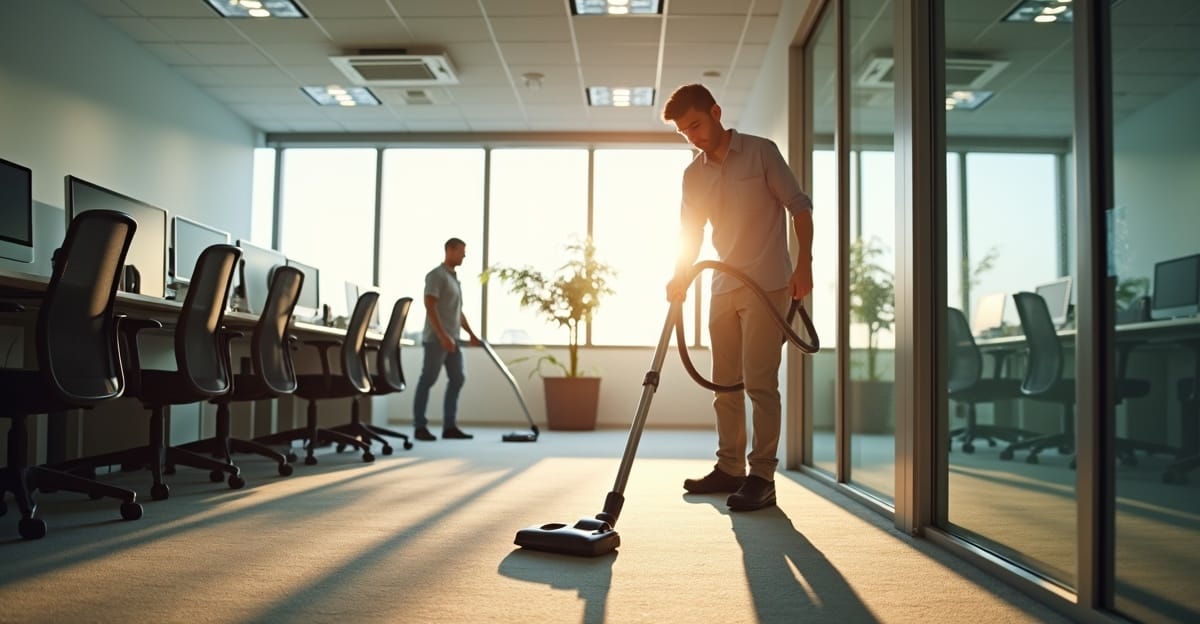
Air quality and commercial cleaning connect directly in offices, medical centres, and government buildings. We see dust and contaminants become airborne when teams leave them in place. HVAC systems then pull these particles in and recirculate them across the facility. We implement structured cleaning programs that cover carpets, vents, high-touch surfaces, and filtration systems. This approach lowers particulate levels, supports HVAC performance, and keeps workplaces compliant and fully operational.
Key Takeaways
- We know dust, allergens, VOCs, and surface contaminants build up in commercial spaces. They recirculate through the air when we apply inconsistent or incomplete cleaning practices.
- We recognise that cleaning frequency and methods directly influence HVAC efficiency, energy consumption, and long-term asset performance.
- We use HEPA-filter vacuums and microfiber systems to limit the spread of fine particles during routine cleaning. These tools trap debris instead of pushing it back into the air.
- We select low-VOC products and apply chemicals correctly to reduce added indoor air pollutants. Proper dilution and targeted application make a measurable difference.
- We maintain documented cleaning schedules and coordinate closely with HVAC maintenance programs. This structure supports compliance, reduces occupant complaints, and lowers operational risk.
Poor Air Quality in Commercial Buildings Starts With What Isn’t Being Cleaned
Air quality and commercial cleaning are directly connected in offices, medical centres, and government buildings. What remains uncleaned often becomes airborne, circulated, and repeatedly inhaled throughout the day.
Indoor air quality in commercial buildings is influenced by what settles into carpets, workstations, upholstery, vents, and high-touch surfaces. Dust and airborne contaminants in offices don’t disappear on their own. They accumulate in soft furnishings, cling to vertical surfaces, and build up on return air grilles.
The cause-and-effect chain is consistent. Dust builds up across floors and surfaces. HVAC systems work harder as filters load with particulates. Airflow redistributes fine particles throughout the workspace. Occupants begin reporting stuffiness, odours, and general discomfort.
Visible cleanliness isn’t the same as measurable workplace air quality. A tidy desk and vacuumed walkway can still sit within a space carrying elevated airborne particulates. Without a structured cleaning system, contamination cycles continue through recirculated air.
Safe Work Australia workplace health and safety guidance outlines employer obligations to provide a safe working environment. That includes maintaining conditions that support appropriate workplace air quality. While cleaning doesn’t replace ventilation design, it plays a central role in controlling dust load and surface contaminants.
Operationally, the impact is clear. Organisations that prioritise structured cleaning programs see fewer complaints, better asset performance, and reduced reactive maintenance. As outlined in how clean facilities reduce sick days, consistent hygiene standards support attendance and day-to-day performance without making medical claims.
The Pollutants That Influence Workplace Air Quality
Common indoor air pollutants identified by environmental health authorities affect indoor air quality in commercial buildings. Many originate from normal business activity.
Dust particles and fine particulates are tracked in through foot traffic and carried on clothing and deliveries. Allergens and pollen enter through doors and ventilation points. In Brisbane and Gold Coast conditions, humidity increases the risk of mould growth in carpets, ceiling spaces, and soft furnishings if cleaning and moisture control aren’t aligned.
Volatile organic compounds (VOCs) come from office furniture, equipment, and certain cleaning chemicals. Government guidance on VOC emissions from cleaning products notes that cleaning chemical residues can contribute to workplace air quality issues when products are poorly diluted or low-grade supplies are used. This is why we prioritise low-VOC cleaning products and controlled application methods. Our approach aligns with the principles discussed in green cleaning in offices.
High-touch surfaces play a role as well. Contamination on desks, shared equipment, and touchpoints can transfer to hands and surrounding surfaces, adding to airborne distribution during normal movement and airflow.
HVAC systems circulate air across the facility. If return vents, grilles, and surrounding ceiling areas aren’t cleaned, accumulated dust can re-enter the air stream. HVAC hygiene and maintenance are shared responsibilities. Facility managers oversee mechanical servicing, while cleaning contractors must manage surrounding surfaces, diffusers, and accessible duct entry points within scope.
Without coordination, contaminants continue cycling. With structured cleaning and maintenance, airborne particulate load reduces significantly over time.
How Cleaning Frequency and Methods Directly Affect HVAC Performance
Cleaning frequency and air quality move together. Infrequent or inconsistent cleaning increases the particulate load across a building.
As surface dust accumulates, HVAC filters clog faster. Airflow efficiency drops. Systems run longer to maintain temperature settings. Energy consumption rises, and wear on components increases. Over time, this affects building performance and maintenance budgets.
Effective facility management cleaning best practices address this at the source. We reduce particulate build-up before it reaches the mechanical system.
HEPA filtration in commercial cleaning equipment is central to this process. Standard vacuums can release fine particles back into the air. HEPA filtration standards for high-efficiency particulate air filters show that HEPA-filter vacuums capture micro-particulates instead of redistributing them. This lowers airborne dust levels during and after cleaning.
Microfiber systems also help. Unlike traditional cloths that push dust around, microfiber traps and holds particles. This reduces resettling across workstations and floors.
Documented cleaning schedules support commercial cleaning standards and compliance. Areas with higher occupancy or foot traffic require increased frequency. Shared offices, medical waiting areas, and education facilities benefit from targeted programs such as general commercial cleaning aligned with usage patterns.
Structured programs protect HVAC hygiene and maintenance outcomes. They lower strain on filtration systems and support longer asset life across the facility.
Compliance, Risk Management, and Workplace Health Obligations
Professional cleaning is a risk management function. It protects building users, supports compliance, and preserves assets.
Safe Work Australia guidance requires employers to provide and maintain a work environment without risks to health and safety, so far as is reasonably practicable. Maintaining acceptable workplace air quality forms part of that obligation. Cleaning plays a supporting role by reducing dust accumulation, surface contamination, and odour sources.
Commercial cleaning compliance reduces operational friction. Fewer complaints emerge about air quality, odours, or visible dust. Tenant dissatisfaction declines. Audit preparation becomes easier with documented schedules, service records, and reporting.
Multi-site operations benefit from accountability systems. Documented scopes, communication logs, and periodic audits create transparency. This matters in environments where disruption must be minimal, including medical clinics and government buildings. Services like healthcare medical facilities cleaning require reliability and precise coordination.
We focus on risk reduction and workplace wellbeing. We avoid overstating outcomes. Structured cleaning won’t replace ventilation upgrades, but it significantly limits preventable contamination within existing systems.
Operational Outcomes That Matter to Facility and Operations Leaders
Leaders measure results in performance, cost control, and reduced disruption. Workplace air quality influences all three.
Cleaner environments support efforts to reduce sick leave workplace cleaning initiatives by lowering environmental contamination and improving hygiene consistency. This is a practical risk-reduction approach rather than a medical guarantee.
Fewer comfort complaints mean fewer reactive investigations. Odours, visible dust, and stagnant air are common triggers for internal reports. Proactive programs addressing preventing odours in commercial spaces create measurable day-to-day benefits.
Asset protection is another outcome. Regular vacuuming with HEPA filtration extends carpet life. Periodic services such as carpet and upholstery cleaning remove embedded particulates that contribute to fibre breakdown. Reduced dust circulation supports HVAC longevity and lowers long-term maintenance costs.
Large facilities across Brisbane and the Gold Coast require transparency. Detailed reporting and clear communication reduce time spent managing contractor performance. Consistency in commercial cleaning standards strengthens overall site management and planning.
How to Evaluate Your Cleaning Provider’s Real Impact on Air Quality
A structured review helps determine whether a cleaning contractor genuinely supports workplace air quality. We recommend assessing the following:
Air Quality Cleaning Checklist
- Confirm they use HEPA filtration in commercial cleaning equipment.
- Verify that low-VOC cleaning products are specified and documented.
- Ensure cleaning frequency aligns with occupancy levels and building use.
- Check whether vents, high-level surfaces, and soft furnishings are included in scope.
- Request documented schedules, reporting processes, and periodic audits.
- Confirm understanding of HVAC hygiene and maintenance coordination with facility management.
These points reflect practical facility management cleaning best practices. They also demonstrate whether the provider understands that air quality and commercial cleaning are interconnected.
We encourage reviewing compliance documentation and accountability systems before contracts are renewed. A structured site assessment can identify overlooked dust sources, scheduling gaps, or equipment limitations.
Professional, documented cleaning protects workplace air quality. It reduces operational risk, supports long-term HVAC performance, and maintains consistent building standards across growing portfolios.
Frequently Asked Questions
Commercial cleaning improves indoor air quality by removing dust, allergens, and contaminants that accumulate on surfaces and flooring. When these particles remain in a building, HVAC systems can circulate them through the air. Structured cleaning routines—such as vacuuming with HEPA filters, wiping surfaces with microfiber cloths, and maintaining vents—help reduce airborne particles and support cleaner, healthier indoor environments.
Air quality in commercial buildings affects comfort, productivity, and overall workplace conditions. Poor indoor air quality can result from dust buildup, chemical residues, mould growth, or poorly maintained ventilation systems. Maintaining proper cleaning schedules and ventilation helps control airborne contaminants, reduces odours, and ensures workplaces meet occupational health and safety standards.
Yes, certain cleaning products can release volatile organic compounds (VOCs) that contribute to indoor air pollution. High-VOC chemicals may produce strong odours and add airborne pollutants to enclosed spaces. Using low-VOC cleaning solutions, applying correct dilution methods, and limiting unnecessary chemical use can help maintain better air quality while still achieving effective sanitation.
Cleaning frequency should match the building’s occupancy level, foot traffic, and type of activity. High-traffic areas such as entrances, shared workspaces, and waiting rooms typically require daily cleaning, while carpets and upholstery need periodic deep cleaning. Regular maintenance prevents dust buildup, reduces the load on HVAC filters, and helps maintain stable indoor air quality.
HVAC systems circulate air throughout a building, so their condition directly affects indoor air quality. When vents, filters, and surrounding surfaces collect dust, particles can re-enter the air stream. Coordinating professional cleaning with routine HVAC maintenance helps reduce airborne contaminants, improves airflow efficiency, and supports consistent air quality across the facility.