
How much does carpet cleaning cost?
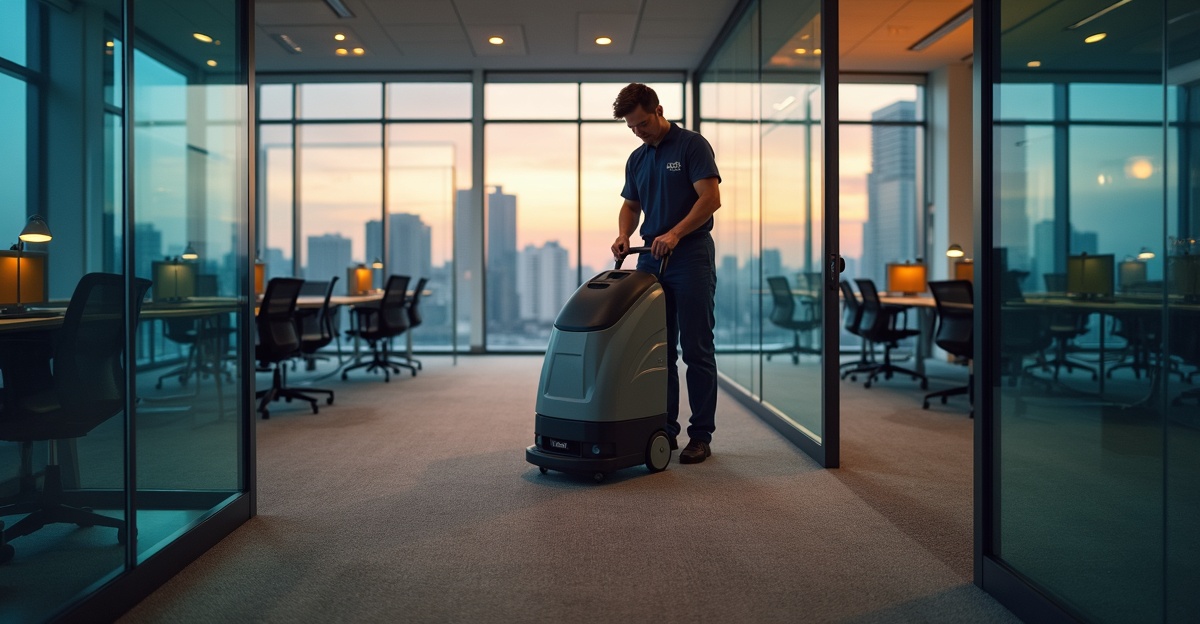
How much does carpet cleaning cost for Brisbane and Gold Coast businesses typically ranges from $2 to $6 per square metre, depending on site size, access, service frequency, and compliance requirements. We base commercial pricing on clear factors such as total floor area, after-hours access, reporting obligations, and whether we complete a one-off deep clean or manage an ongoing maintenance agreement.
Key Takeaways
- Commercial carpet cleaning in Brisbane and the Gold Coast generally costs $2 to $6 per m², with pricing shifting based on scope and site conditions.
- Total square metreage, carpet condition, access restrictions, and furniture movement drive overall costs.
- One-off deep cleans usually attract higher per m² rates than scheduled maintenance agreements.
- Compliance needs, including safety documentation, site inductions, and reporting, can influence final pricing.
- Ongoing maintenance programs give us stronger budget control and help extend carpet life compared with occasional restoration cleans.
Carpet Cleaning Costs for Brisbane and Gold Coast Businesses: Realistic Price Ranges
Commercial carpet cleaning costs in Brisbane and the Gold Coast typically range from $2 to $6 per square metre. Actual pricing depends on scope, access, frequency, and the operational requirements of the site.
Many managers ask how much does carpet cleaning cost, but there isn’t one fixed “average” that applies across all businesses. A small office with three rooms is very different from a multi-floor corporate building or government facility.
In commercial environments, pricing commonly looks like this:
- $2 to $6 per m² for most medium to large commercial sites
- Negotiated contract rates for large ongoing agreements based on total annual volume
- Higher per m² rates for one-off deep cleans
- Per room pricing for small offices, less common for open-plan commercial layouts
When we’re asked how much does commercial carpet cleaning cost, we assess total area first. Square metreage drives labour time, equipment use, and drying planning.
For businesses asking how much does professional carpet cleaning cost, it’s important to distinguish between residential and commercial models. Residential services often price per room in a home. Commercial sites involve compliance requirements, security protocols, after-hours servicing, and reporting obligations. These factors directly affect costs.
Another common question is how much does it cost for carpet cleaning in large facilities. The answer always depends on measurable criteria: size, risk profile, frequency, and level of service required.
There’s no single industry “average cost” that suits every operation. A medical clinic, for example, carries different compliance expectations compared with a standard office tenancy. Government buildings often require documented procedures and contractor inductions. Corporate headquarters may require staged works to avoid workflow disruption.
Pricing should reflect scope, risk management, compliance requirements, and service reliability. It shouldn’t be based on surface cleaning alone.
For Brisbane-based organisations needing consistent performance across offices, health facilities, retail, or strata buildings, we structure pricing through clear commercial carpet cleaning services with defined scope and documented processes. That clarity protects budgets and operational continuity.
What Drives Commercial Carpet Cleaning Costs in Large Facilities
Total floor area is the primary cost driver. The more square metres involved, the more labour hours, machinery time, and supervision required. Larger sites may benefit from scaled pricing, but overall volume remains the foundation of the estimate.
Carpet condition also plays a significant role. High-traffic zones demand greater attention. Entryways, corridors, lift lobbies, and shared breakout areas accumulate soil faster than private offices. Stain treatment increases time per metre. Long gaps between cleans often shift the service from maintenance-level treatment to restoration-level work.
Furniture handling requirements impact pricing. Large workstations, fixed boardroom tables, and compactus units take time to move safely. Additional labour must be allocated to reposition furniture and reset the workspace correctly.
Access affects cost structure as well. Multi-storey buildings requiring lift coordination extend cleaning windows. Government or medical sites may require security clearance, supervised access, or contractor inductions. Limited daytime access forces night works.
After-hours or weekend servicing is common in commercial buildings. Businesses can’t afford disruption during peak hours. However, evening crews, supervisory oversight, and extended drying management add operational cost.
Compliance and reporting also influence pricing. Some facilities require:
- Work Method Statements
- Safety documentation and inductions
- Insurance certificates
- Documented cleaning reports for audit purposes
Service frequency directly affects long-term cost. Quarterly or biannual programs maintain carpet condition efficiently. Annual or sporadic cleans often require heavier treatment. Ongoing maintenance spreads cost over time and reduces aggressive restoration work.
Pricing in large commercial facilities reflects risk management, coordination, and reliability. It accounts for keeping operations uninterrupted, protecting assets, and meeting compliance standards—not just cleaning time on site.
Common Commercial Pricing Models Explained
Per square metre pricing is the most common structure for medium to large organisations. Rates are based on total usable carpeted floor space. Larger sites may receive scaled rates depending on total area and contract length.
Per room pricing is generally limited to smaller offices. It becomes impractical in open-plan layouts where “rooms” aren’t clearly defined or vary significantly in size.
One-off deep cleans are used for end-of-lease requirements, corrective cleaning after long gaps between services, or sites that haven’t maintained scheduled programs. These cleans usually cost more per square metre due to intensive extraction and stain treatment.
Ongoing maintenance contracts offer stronger cost control. Fixed-term agreements allow structured scheduling to manage wear and extend carpet lifespan. Budget forecasting becomes easier because the scope and frequency are agreed upfront.
Some organisations bundle carpet cleaning with broader commercial cleaning services. This approach can streamline procurement and create efficiencies by consolidating contractors. It also simplifies reporting and coordination across multiple services.
Understanding carpet cleaning how much does it cost depends heavily on which pricing model applies. A per m² maintenance contract will differ significantly from a one-off corrective clean priced under time-sensitive conditions.
For general budgeting comparisons, many managers also review related cost benchmarks such as commercial cleaning hourly rates in Australia. While carpet cleaning is usually priced differently from hourly general cleaning, understanding broader commercial cleaning structures helps with financial planning.
What Should Be Included in a Commercial Carpet Cleaning Quote?
A reliable quote should clearly state total square metreage. Without accurate measurements, pricing can quickly shift once work begins.
Scope of work must be defined. At minimum, this typically includes:
- Pre-vacuuming
- Spot and stain treatment
- Hot water extraction or the agreed cleaning method
- Deodorising where required
Furniture handling terms should be specified. The quote must explain what will and won’t be moved. Unsupported assumptions create delays and cost variations.
Access timing needs confirmation. Whether servicing occurs during business hours or after-hours affects staffing and drying planning. Drying time expectations should also be clearly communicated to reduce workplace disruption.
Compliance documentation should be outlined upfront. This may include safety documentation, insurance certificates, Work Method Statements, and any government or medical reporting obligations.
Potential additional charges must be transparent. These can include excessive stain removal, restricted access delays, or specialised chemical treatments.
Procurement teams should compare providers fairly. Price matters, but so do reliability, communication standards, commercial experience, and insurance coverage. Vague proposals often result in budget uncertainty or scope creep later.
Clarity protects both parties. A detailed quote ensures expectations are aligned before work begins.
Budgeting for Annual Planning and Contract Renewals
Facility managers benefit from projecting annual carpet cleaning requirements well before renewal cycles. Start by estimating total carpeted square metres across the portfolio. Confirm appropriate service frequency based on traffic levels and compliance needs.
High-traffic zones may require more frequent attention than private offices. Lobbies and corridors often need quarterly cleaning, while low-traffic areas may suit biannual or annual schedules.
Reactive cleaning may appear lower cost initially. However, heavy restoration cleans increase time, chemical use, and downtime. Scheduled maintenance programs stabilise budgets and extend carpet life.
Carpet replacement is expensive. Well-maintained carpets last significantly longer. Preventive cleaning reduces fibre breakdown and protects the original finish. Over several years, ongoing programs lower lifecycle cost compared with infrequent deep interventions.
Multi-site organisations across Brisbane and the Gold Coast should also consider consolidated service coordination. Single-provider contracts simplify reporting and maintain consistent standards. This approach reduces administrative overhead and operational disruption.
Effective budgeting aligns with broader service planning. Understanding essential commercial cleaning services helps position carpet maintenance within the overall facility strategy.
The most accurate way to forecast expenses is through a detailed site assessment. Generic benchmarks provide guidance, but they rarely reflect real-world conditions. A transparent, structured proposal offers clearer projections and avoids surprise costs later.
We focus on reliable delivery, minimal disruption, and clear communication. For organisations reviewing annual contracts or planning corrective cleans, requesting a detailed commercial cleaning quote provides a realistic cost framework aligned with operational needs.