
How Cleanliness Influences Workplace Safety
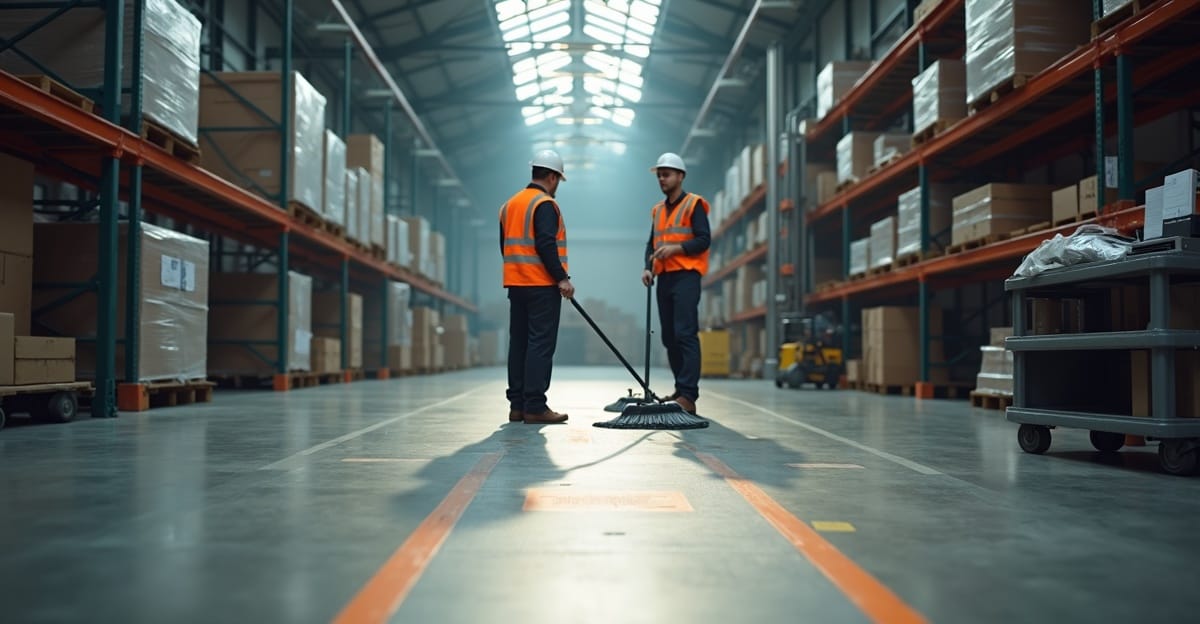
Cleanliness and workplace safety connect through structured risk control, not appearance alone. We treat cleaning as a frontline defence that limits slips, cross-contamination, poor air quality, and compliance gaps. When we align cleaning programs with WHS duties, documented procedures, and site-specific risk profiles, we reduce incidents, cut absenteeism, strengthen audit results, and protect daily operations.
Key Takeaways
- Cleaning reduces operational risks such as slips, infection spread, air quality issues, and waste-related hazards when we align it with formal risk controls.
- Weak cleaning standards expose organisations to injury claims, regulatory scrutiny, higher insurance costs, and reputational harm.
- Risk-based cleaning programs adjust frequency and scope based on traffic flow, surface use, seasonal pressures, and site-specific hazards.
- Clear documentation, routine inspections, and accurate reporting logs improve compliance and keep us audit-ready.
- An effective cleaning partner aligns services with WHS duties, infection control requirements, and operational needs so we minimise disruption and liability.
Cleanliness as a Frontline Risk Control Measure
Cleanliness and workplace safety are directly connected through risk reduction, not appearance. A clean site controls hazards before they lead to incidents, complaints, or claims.
We treat cleaning as a practical control within workplace health and safety cleaning frameworks. Structured programs reduce exposure to slips, contamination, and poor air quality. Presentation improves as a result, but risk control is the primary outcome.
Within Australian workplaces, cleanliness forms part of a broader duty of care. It supports WHS cleaning obligations Australia by reducing foreseeable hazards and demonstrating that reasonable steps have been taken to maintain a safe environment. For a practical overview of how cleaning supports operations, see what commercial cleaning involves.
For medium to large organisations, the impact goes further than day-to-day hygiene. Cleaning influences:
- Slip prevention through structured floor care and moisture management
- Air quality and workplace health through dust and ventilation control
- Infection control in the workplace by managing high-touch surfaces
- Reduced complaints and service disruptions
- Audit readiness and documented compliance
Risk-based cleaning programs support measurable outcomes. Fewer reported slips. Lower absenteeism during seasonal illness. Improved audit results. Reduced liability exposure. These are operational priorities for corporate offices, healthcare clinics, government sites, and industrial facilities.
When cleaning is aligned with risk, it protects people and strengthens business continuity.
The Most Common Workplace Risks Linked to Poor Cleaning
Poor cleaning standards introduce predictable risks across commercial environments. These issues scale quickly in high-traffic sites.
Slip and fall hazards are among the most common. Wet entryways during storm season in QLD, unaddressed spills, and polished floors without proper maintenance all increase risk. Slip and fall prevention cleaning relies on routine inspections, correct floor treatments, and timely hazard response. Without consistent hard floor cleaning and maintenance, even quality flooring becomes a liability.
Cross-contamination is another major concern. Shared kitchens, bathrooms, meeting rooms, and hot desks can distribute bacteria and viruses rapidly. Inconsistent sanitisation leads to infection spread and increased absenteeism. Many failures occur at high-touch points, including door handles, lift buttons, and reception counters. Understanding infection control cleaning standards helps businesses reduce this exposure.
Medical centres and high-traffic offices face amplified risks. Clinical and reception areas require structured processes aligned with medical cleaning standards to prevent cross-contamination.
Air quality and workplace health also suffer when dust accumulates around HVAC vents or ventilation systems receive limited attention. Fine particles circulate through closed environments, affecting respiratory health and overall comfort.
Waste mismanagement presents another commercial risk. Overflowing bins and poor disposal processes attract pests and increase contamination concerns, particularly in food preparation zones or industrial facilities.
Across offices, medical facilities, and government buildings, these risks lead to measurable impacts:
- Reduced slips when floors are maintained correctly
- Fewer complaints from staff and visitors
- Lower absenteeism linked to infection spread
- Improved audit outcomes and documentation records
These are not residential-scale concerns. They are operational hazards that affect productivity, reputation, and legal exposure.
Australian WHS Obligations and the Cost of Non-Compliance
Under Australian WHS legislation, employers must provide a safe work environment so far as reasonably practicable. Workplace health and safety cleaning is part of that obligation.
Inadequate controls can contribute to reportable incidents. Slips resulting in injury, infection outbreaks in shared offices, or contamination issues in medical sites may trigger investigations, workers’ compensation claims, and regulator scrutiny. Cleaning gaps become visible quickly during these processes.
Commercial cleaning compliance also influences insurance premiums and contract negotiations. Tenants and procurement teams increasingly assess cleaning standards as part of risk management. Failure to meet office cleaning standards Australia expectations can result in lost contracts and reputational damage.
Preventative action costs less than reactive incident management. Structured cleaning programs reduce the likelihood of emergency responses, complaint-driven cleaning, and last-minute audit preparations. For deeper guidance on compliance frameworks, review maintaining workplace hygiene laws.
Consistent documentation demonstrates that reasonable steps have been taken. In high-risk sectors such as clinics and hospitals, healthcare cleaning services must align closely with infection control protocols and WHS requirements.
Cleaning supports compliance. Poor cleaning weakens it.
How Risk-Based Cleaning Programs Reduce Incidents
Routine, surface-level cleaning differs significantly from structured, risk-based cleaning programs. Basic routines may maintain appearance. Risk-based systems are developed around hazard identification, traffic flow, and usage intensity.
A structured program considers:
- Foot traffic at entry points
- Shared surface frequency in offices and clinics
- Seasonal illness patterns
- Floor type and slip potential
- Ventilation and air circulation
Daily disinfecting of shared desks may be necessary in high-density offices. Medical clinics often require multiple sanitisation rounds for treatment rooms and waiting areas. Increased frequency during flu season reduces infection pressure in confined environments.
Clear differentiation between routine and detailed scopes is essential. See routine and detail cleaning differences for context on how deeper tasks support safety outcomes.
High-risk zones typically include entryways, bathrooms, kitchens, shared desks, medical areas, and HVAC vents. Programs should align directly with commercial cleaning compliance requirements and WHS cleaning obligations Australia.
Documentation strengthens control. Reporting logs, inspection checklists, and quality assurance reviews provide evidence during audits or incident investigations. This approach positions cleaning as part of operational risk management rather than an afterthought.
In corporate environments, structured office cleaning services help maintain compliance while supporting minimal disruption. Some organisations rely on after-hours cleaning to ensure cleaning controls are implemented without interrupting productivity.
Risk-based cleaning programs align frequency and scope with operational reality. That alignment reduces incident rates and supports consistent safety performance.
Practical Checklist: Signs Your Cleaning Program May Be Increasing Safety Risk
Patterns often reveal weaknesses in a cleaning program. The following signs indicate potential exposure:
- Repeated slip incidents near entrances or in amenities, suggesting ineffective moisture control or inadequate floor care
- Visible dust accumulation around vents, indicating possible air quality concerns
- Inconsistent high-touch surface sanitisation in shared kitchens, meeting rooms, or reception areas
- A lack of documented cleaning schedules or audit trails
- Reactive cleaning driven by complaints rather than structured planning
- No clear link between cleaning scope and WHS cleaning obligations Australia
Reviewing current cleaning standards against organisational safety responsibilities often reveals opportunities for improvement. Small adjustments in frequency, scope, or documentation can significantly reduce risk.
What to Look for in a Cleaning Partner Focused on Safety and Compliance
Capability matters when safety and compliance are part of the objective. Commercial environments across Brisbane, the Gold Coast, and surrounding areas require consistent systems and clear reporting.
An effective partner should demonstrate experience across offices, medical facilities, and government buildings. Understanding cross-contamination prevention, infection control processes, and floor safety protocols is essential.
Clear communication and documented procedures support commercial cleaning compliance. Structured reporting, quality assurance checks, and traceable schedules aligned with office cleaning standards Australia provide confidence during audits.
Flexibility is equally important. Changing foot traffic, seasonal illness spikes, or operational expansions require program adjustments. A reliable provider adapts frequency and scope without creating disruption.
Calm, consistent communication supports facility managers preparing for inspections or responding to concerns. Cleaning should reduce pressure, not add to it.
At Aus Pro Commercial Cleaners, we align cleaning programs with each site’s risk profile and compliance expectations. Organisations can review our general commercial cleaning services or request a structured assessment through our commercial cleaning quote process to determine whether current arrangements support their safety objectives.
A cleaning program linked directly to risk delivers measurable safety outcomes and protects operational continuity.
Frequently Asked Questions
Cleanliness and workplace safety directly influence productivity by reducing injuries, illness-related absences, and operational disruptions. A well-maintained environment minimises slip hazards, limits germ transmission, and improves indoor air quality. When employees feel safe and healthy, they are more focused and efficient. Fewer incidents also mean less downtime, fewer investigations, and more consistent daily operations.
The most common hazards linked to poor cleaning include slips and falls, cross-contamination, dust-related respiratory issues, and waste management risks. Wet floors without proper signage, neglected high-touch surfaces, and blocked ventilation systems increase exposure to preventable incidents. Over time, these conditions can lead to injury claims, higher absenteeism, and regulatory scrutiny under workplace health and safety laws.
Cleaning frequency should be based on risk level, foot traffic, and site usage rather than a fixed schedule. High-traffic offices, medical clinics, and shared facilities often require daily or multi-daily sanitisation of common areas. Seasonal illness spikes or weather conditions may also require adjustments. A risk-based cleaning schedule helps organisations meet safety obligations and maintain audit readiness.
Yes, inadequate cleaning can contribute to legal claims, workers’ compensation cases, and regulatory penalties. If an incident occurs and documentation shows weak cleaning controls, businesses may face increased liability exposure. Poor standards can also affect insurance premiums and contract eligibility. Demonstrating structured cleaning processes helps show that reasonable safety measures are in place.
Routine cleaning focuses primarily on appearance and basic upkeep. Safety-focused cleaning programs are structured around hazard identification, infection control, and compliance requirements. They adjust frequency and scope based on traffic patterns, surface risk, and operational needs. This approach integrates cleaning into formal risk management systems, reducing incident rates and strengthening workplace health and safety outcomes.