
How Often Should a Business Be Professionally Cleaned?

Determining how often to clean a business hinges on multiple factors—not just a pre-set schedule. Things like industry standards, daily traffic, and how each area is used all shape the right approach. This cleaning frequency guide helps facility managers match routines to real-world needs, reducing risks while managing costs.
Key Takeaways
- Skipping necessary cleaning raises health hazards, threatens compliance, and weakens brand reputation, especially in regulated or high-visibility sectors.
- Cleaning too often can waste money and wear down surfaces without any real gain in safety.
- Cleaning requirements shift by industry—medical centers, retail shops, and schools each follow different routines based on how they’re used.
- Climate-related factors like humidity or seasonal changes affect how often specific zones need attention.
- Ongoing reviews of cleaning schedules help ensure smart use of resources, especially in high-contact or risk-prone areas.
What Happens When Cleaning Frequency Misses the Mark
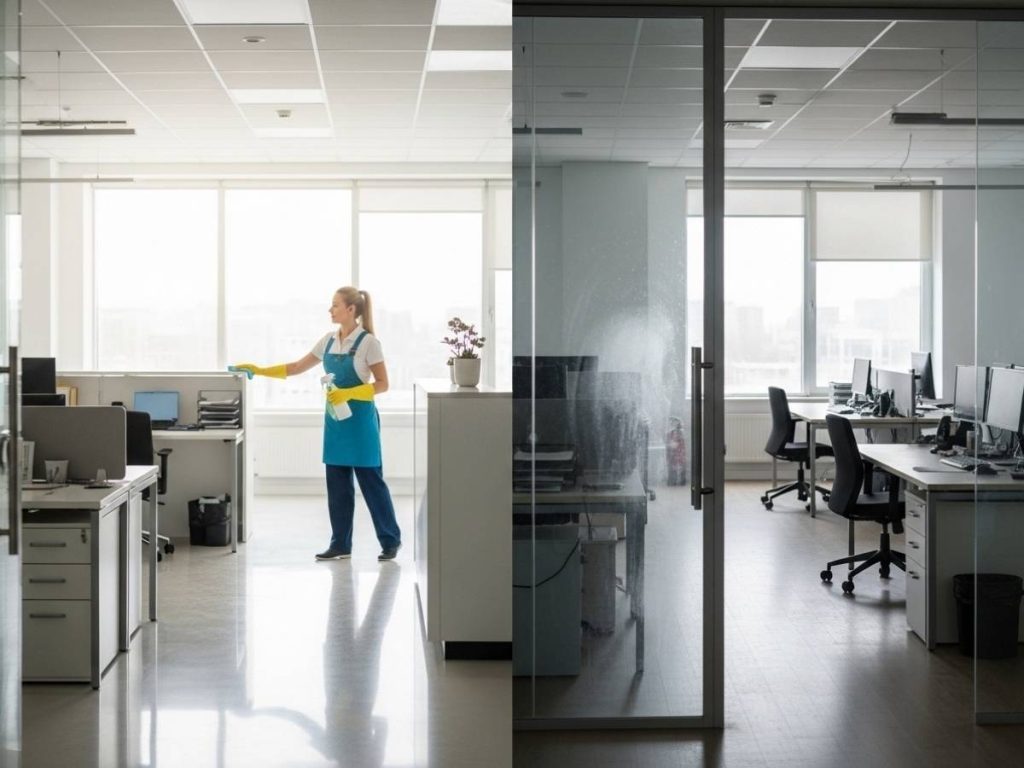
Cleaning schedules that don’t match a business’s needs can quietly disrupt operations. Hygiene lapses increase the chances of illness, safety concerns, and failed inspections. This is especially critical in sectors like healthcare, hospitality, and food services, where issues can have immediate consequences for compliance and public trust, particularly under Safe Work Australia’s workplace health and safety duties.
When cleaning is inconsistent, liability risks increase. In environments with high visibility—like retail stores or busy receptions—appearance matters just as much as sanitation. Failing to maintain a consistent cleaning routine affects not just hygiene but also brand reputation.
Over-cleaning carries its own problems. It can drive up operational costs, damage flooring and furnishings over time, and waste staff hours or contract services. Many workplaces continue to follow heightened disinfection protocols introduced during COVID, in line with Australian Government workplace cleaning guidance during COVID-19. Businesses across Australia still maintain daily and even multiple daily cleanings of high-touch surfaces.
One example comes from a Brisbane office that reduced its cleaning frequency while employees worked remotely. Once full-office occupancy resumed, sick day reporting surged by 22%, reflecting findings from occupational health research linking workplace hygiene to reduced absenteeism.
Maintaining the right schedule ensures compliance with cleaning standards across Australia and leads to better workplace hygiene outcomes. For further detail, readers can explore this comprehensive guide on why commercial cleaning matters.
The Variables That Define Your Ideal Cleaning Schedule
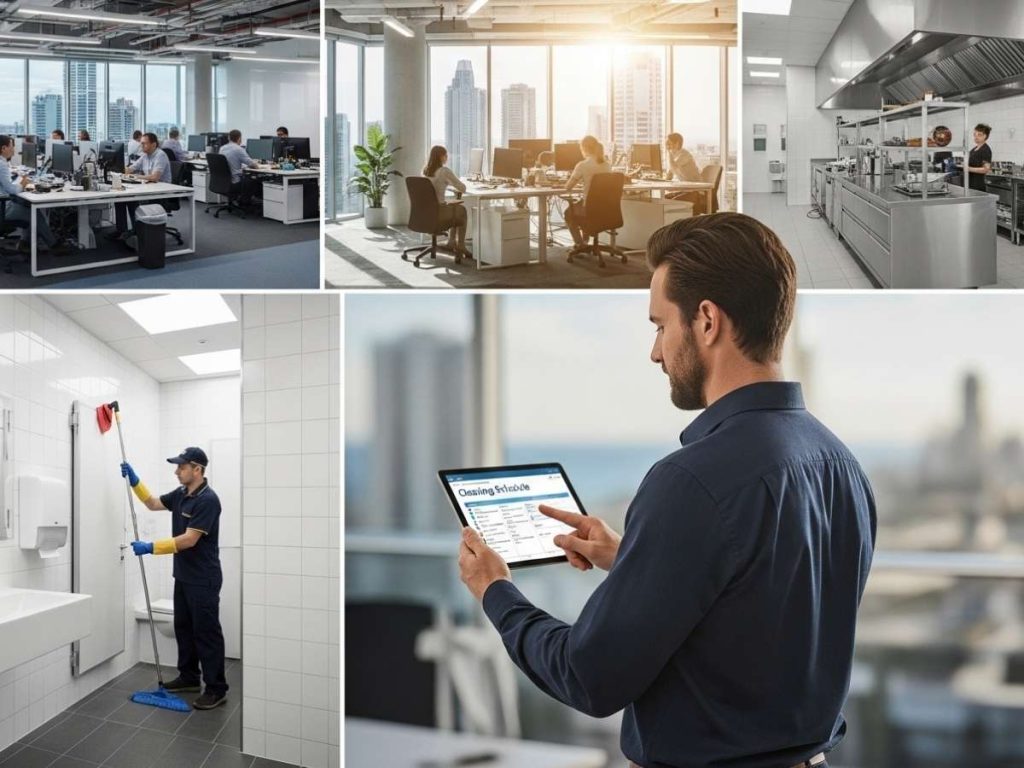
There’s no single answer to how often a business should be cleaned. Frequency depends on a blend of practical, environmental, and regulatory factors.
Key Factors That Influence Cleaning Frequency
Managers should consider the following when building or adjusting a routine:
- Industry type: For instance, a healthcare clinic faces stricter hygiene expectations than a low-traffic warehouse.
- Foot traffic: Businesses welcoming customers daily need more frequent cleaning than back-office workplaces with limited access.
- Area usage: Kitchens, bathrooms, and elevators should be cleaned more frequently than storage rooms.
- Australian regulations: Guidance from Safe Work Australia and standards issued by the Australian Commission on Safety and Quality in Health Care shapes cleaning schedules in sectors like education and medicine.
- Environmental exposure: Coastal businesses in Brisbane or the Gold Coast face challenges like high humidity, salt air, or storm debris, often requiring more frequent service.
Decision-makers should routinely ask: “Is this space used heavily? Are hygiene sensitivities or compliance risks present in this area?”
For guidance suited to your industry, explore our range of commercial cleaning services designed around typical usage patterns across Australian businesses.
Industry-Specific Cleaning Frequency Benchmarks
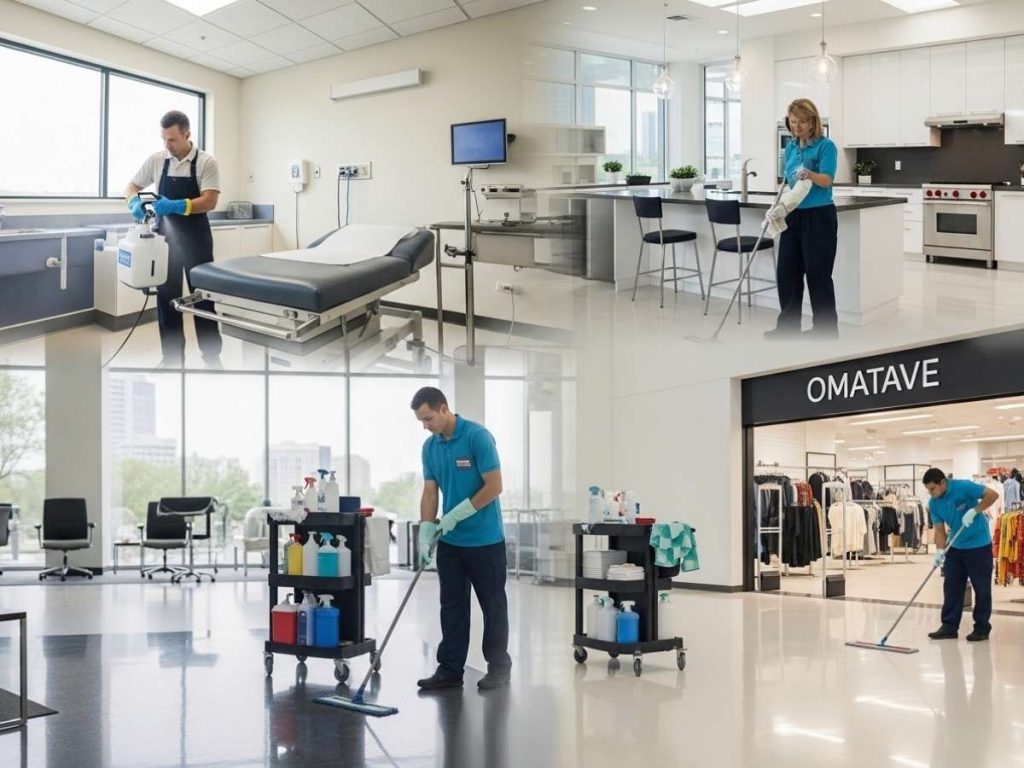
Understanding what’s typical within your sector helps avoid either over-servicing or missing critical hygiene needs.
Cleaning Frequency Benchmarks by Sector
Here are general guidelines used across several key industries:
- Medical Facilities:
- Exam rooms disinfected daily
- Waiting areas cleaned every night
- Weekly or bi-weekly deep cleans
- Offices:
- Kitchens and restrooms cleaned daily
- Desks and shared workstations weekly
- Touchpoints (door handles, switches) wiped daily
- Retail:
- Entrances and merchandised areas serviced daily
- Dressing rooms cleaned several times per week, depending on usage
- Educational Institutions:
- Classrooms cleaned daily during term
- Hallways and toilets multiple times per day during peak seasons
These cleaning schedules support compliance with Australian infection prevention and control guidelines and enhance employee and visitor safety. They also highlight areas where routines may fall short or exceed practical needs. Businesses can compare their own efforts against these benchmarks to identify adjustments that better align with activity volume and risk exposure.
Companies working in medical settings may find value in our professional cleaning for medical facilities, which adheres to infection control standards without overreaching.
Assessing Your Current Cleaning Routine: A Practical Checklist
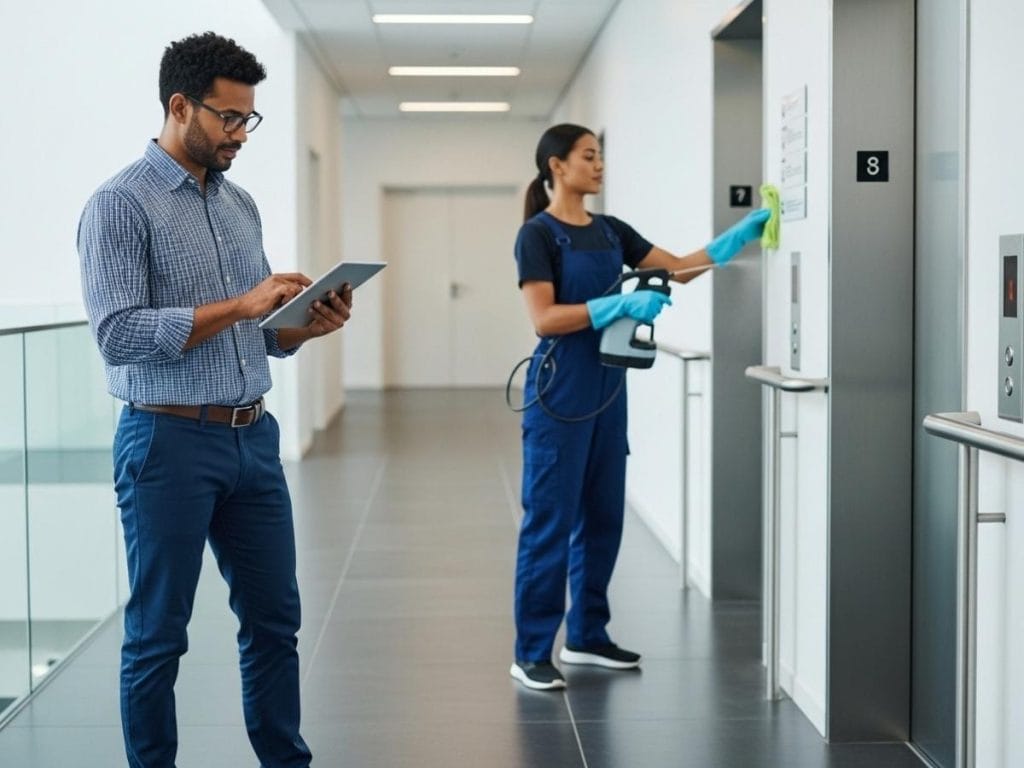
Periodic reviews keep cleaning protocols aligned with day-to-day demands. Here’s a checklist for assessing whether your current approach is effective:
- Are high-touch zones like rails, handles, and lifts cleaned often enough for your risk level?
- Do current cleaning practices meet relevant Australian regulatory standards?
- Have complaints about cleanliness increased at any sites or floors?
- Is your cleaning crew regularly updating frequency based on events (e.g., outbreaks, flu season)?
- Can your provider adjust scheduling during periods of increased need?
Facilities managers benefit from reassessing at least quarterly or alongside workplace health and safety evaluations. This ensures the cleaning routine continues to support hygiene and workplace efficiency year-round.
For ongoing guidance, refer to our blog which covers key topics across industry sectors and compliance standards in Australia.
Balancing Operational Costs with Hygiene Expectations
Finding the right balance between safety and spending comes down to well-targeted scheduling.
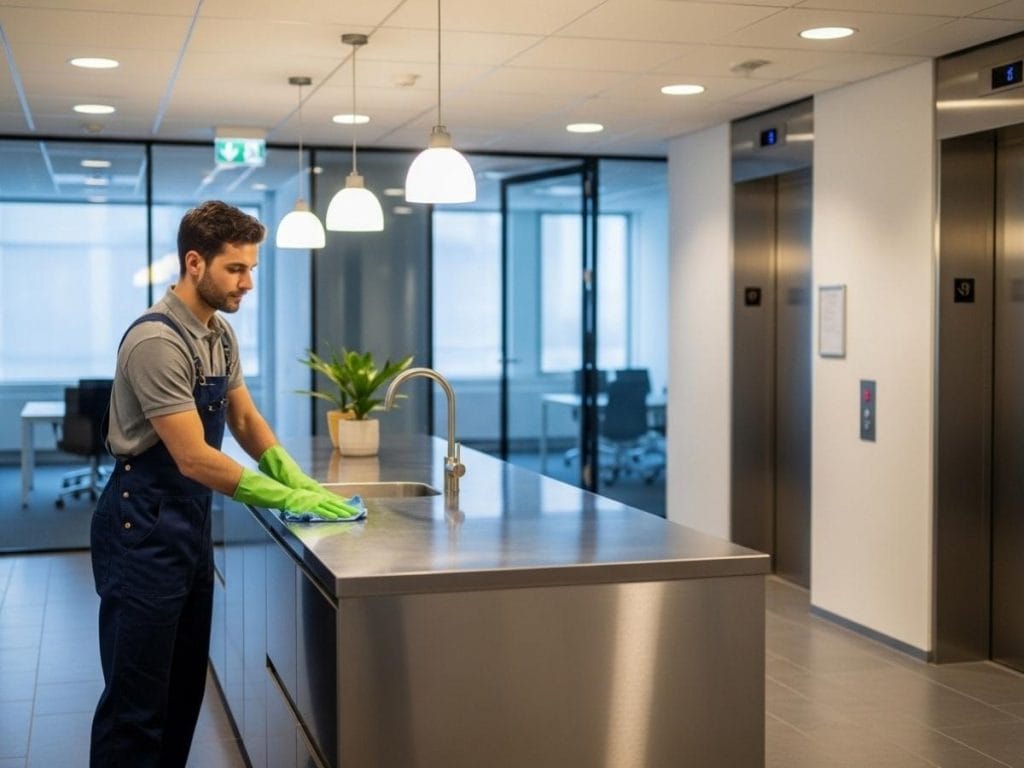
Avoid blanket cleaning services across all areas, especially for zones that don’t see daily activity. Instead, identify high-traffic zones such as shared kitchens, lift areas, entrances and restrooms—these often require daily or multiple cleans per day. In contrast, underused meeting rooms or storage zones may only need weekly attention.
Operating at night or outside business hours can improve effectiveness while avoiding workday disruption. It may cost slightly more in staffing but results in a cleaner business when employees or customers return each morning.
Businesses in Brisbane or the Gold Coast face extra environmental demands. Coastal salt, humidity, and stormy conditions make more frequent service necessary in some months. Scheduling should build in seasonal adjustments such as heavier service during summer storm season or spring pollen build-up.
Review which services are essential versus cosmetic. For low-traffic zones, consider a rotating deep-cleaning approach.
Post-COVID, many businesses found better return on investment by scaling back excessive high-fogging routines but maintaining daily disinfecting for shared zones. It’s a matter of right-sizing the plan—enough to protect health and compliance without over-stretching the cleaning budget.
For advice built around your unique footprint and activity levels, explore our general commercial cleaning services that prioritise efficiency and practical outcomes.
When to Re-Evaluate Your Cleaning Provider or Approach
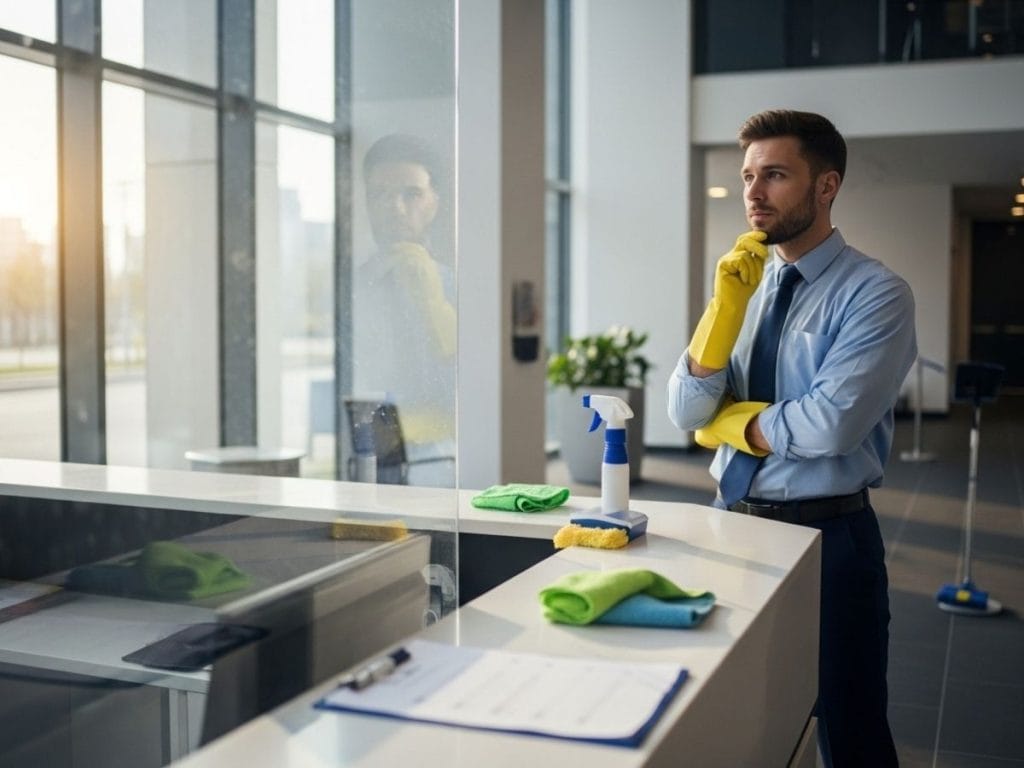
Even if compliance boxes are ticked, underperformance in visible cleanliness, odours, or feedback may point to gaps in execution. A schedule that’s inflexible or fails to adjust to your needs—like flu outbreaks, major events, or seasonal use changes—can lead to mismatches between cleaning and operational flow.
Look out for signs such as:
- Clearly visible dirt or poor presentation despite regular service
- Inflexible scheduling that doesn’t adapt to your team’s hours or building usage
- Missed tasks or delays in high-risk periods (outbreaks, flu season)
- Lack of detail in reporting or poor communication with contract staff
If these concerns sound familiar, your business may benefit from a professional review. In many cases, it’s not about increasing frequency—it’s about working smarter with the schedule.
If you’re unsure whether your current routine meets industry best practices, consider requesting a professional site assessment to help you plan an efficient and standards-aligned cleaning approach.
Frequently Asked Questions
Most businesses benefit from professional cleaning at least once per week, but high-traffic or public-facing workplaces often require daily service. The ideal schedule depends on foot traffic, industry regulations, and how spaces are used. Areas like restrooms, kitchens, and entrances usually need more frequent attention than storage or low-use rooms.
Cleaning frequency is influenced by industry type, number of occupants, customer traffic, and regulatory requirements. Environmental factors such as humidity or seasonal conditions also matter. High-touch surfaces and shared areas increase cleaning needs, while low-traffic zones can be serviced less often without compromising hygiene or compliance.
Yes, over-cleaning can increase costs and damage surfaces over time without improving hygiene outcomes. Excessive use of chemicals may also degrade flooring, furnishings, and fixtures. A targeted cleaning schedule that focuses on high-risk and high-use areas is more effective than applying the same frequency across the entire facility.
High-touch surfaces like door handles, light switches, lift buttons, and shared equipment should be cleaned daily in most offices. In workplaces with higher occupancy or frequent visitors, multiple daily wipe-downs may be necessary. Regular disinfection of these points helps reduce illness transmission and supports workplace health standards.
Cleaning schedules should be reviewed at least quarterly or when there are changes in occupancy, usage patterns, or health risks. Increases in sick leave, cleanliness complaints, or regulatory updates are also triggers for reassessment. Seasonal changes and special events may require temporary adjustments to maintain hygiene standards.