
How to Minimise Cross-Contamination During Cleaning
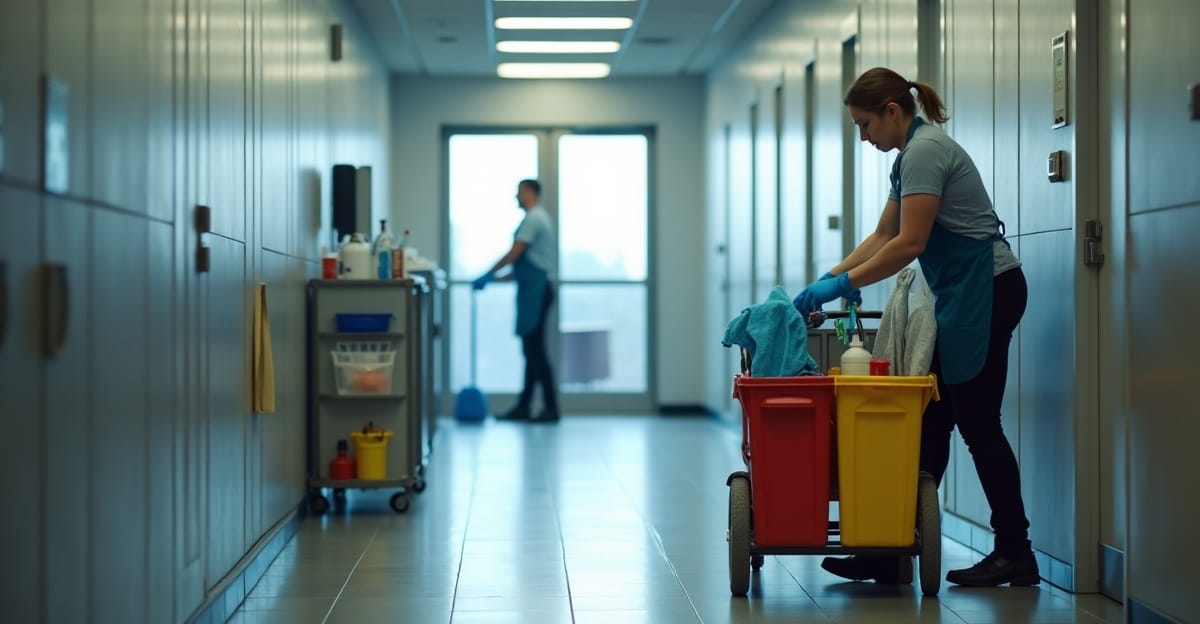
Cross contamination cleaning prevention depends on structured systems, controlled equipment use, and disciplined cleaning sequences that stop bacteria and contaminants moving between zones in commercial facilities. We separate tools, enforce colour coding, control chemical dilution, and strengthen training and supervision to reduce infection risks, protect compliance outcomes, and maintain consistent hygiene standards across high‑traffic environments.
Key Takeaways
- Cross-contamination often occurs through shared equipment, poor cleaning sequences, incorrect chemical dilution, and weak segregation of high-risk areas.
- Structured workflows such as clean-to-dirty and high-to-low sequences reduce transfer risk and support consistent results.
- Colour coding cleaning systems and allocating dedicated equipment per zone create clear physical separation between restrooms, kitchens, and office areas.
- High-touch surface cleaning protocols, increased frequency in high-traffic sites, and proper cloth rotation play a vital role in infection control.
- Ongoing training, documented SOPs, audits, and supervisor oversight strengthen facility cleaning risk management and compliance standards.
Where Cross-Contamination Actually Happens in Commercial Facilities
Cross contamination cleaning prevention means stopping the transfer of bacteria, viruses, and contaminants from one surface, zone, or area to another during cleaning. At a facility level, it comes down to systems, equipment control, and disciplined work sequences.
We regularly see cross-contamination occur in everyday situations across offices, medical centres, and multi-site premises. A common example is using the same mop across restroom floors and open-plan office areas. Another is sharing cloth systems between kitchenettes and meeting rooms without defined separation. Cleaning trolleys often move between high-risk and low-risk zones without being reset or sanitised.
Improper chemical dilution also plays a role. If disinfectants are mixed too weak, pathogens remain active. If they’re mixed too strong, surfaces can degrade and staff safety is compromised. Poor storage of used cloths in sealed bags inside cleaning cupboards can also allow microbial growth and odour transfer.
High-risk transfer points include shared equipment, inadequate colour coding, and neglected high-touch surface cleaning protocols. We also see incorrect cleaning sequences, such as moving from restrooms to administration desks without resetting tools, or cleaning visibly dirty areas before low-risk zones.
In Brisbane, the Gold Coast, and across South East Queensland, local conditions amplify these risks. High humidity supports microbial survival on surfaces. Heavy foot traffic in commercial buildings increases surface contamination. Shared amenities such as lifts, gyms, and communal kitchens create multiple contact points across departments and tenancies.
Operational consequences are serious. Facilities can fail inspections linked to workplace hygiene compliance. Teams experience higher absenteeism due to illness transmission. Reputational damage follows quickly if clients or staff perceive hygiene failures. In healthcare settings, poor alignment with medical facility cleaning requirements can result in regulatory scrutiny.
Effective infection control in commercial facilities requires structured systems. Without them, facility cleaning risk management remains reactive rather than controlled.
Structured Cleaning Sequences That Reduce Risk from the Start
Clear workflows form the backbone of commercial cleaning best practices. Ad-hoc cleaning increases the probability of cross-transfer.
We apply consistent sequences across sites:
- Clean to dirty. Start in low-risk zones such as offices or corridors before moving into restrooms and waste areas.
- High to low. Wipe desks, counters, and fixtures before vacuuming or mopping floors.
- Separate critical areas. Restrooms and kitchen areas must remain operationally distinct from general office spaces, with no crossover of tools.
Documented Standard Operating Procedures (SOPs) define the order of tasks and zone boundaries. These documents outline which equipment belongs in each area, required PPE, chemical specifications, and waste handling steps. Without written SOPs, staff rely on memory or habit, which weakens cross contamination cleaning prevention.
Dedicated equipment per zone or building significantly reduces transfer risk. In larger facilities, separate trolleys for amenities and office areas maintain physical separation throughout the shift.
Waste handling needs special attention. Healthcare-adjacent offices and allied health practices must manage biohazard materials according to medical facility cleaning requirements. Sharps containers, contaminated disposables, and clinical waste streams require defined procedures aligned with infection control in commercial facilities.
PPE use in high-risk environments is also non-negotiable. Gloves, masks, and gowns are part of infection control cleaning where exposure risk is elevated.
Consistency is what allows organisations to prevent cross contamination in the workplace. Documentation, supervision, and repeatable systems protect outcomes over time.
Colour Coding, Equipment Segregation and Chemical Controls
Colour coding cleaning systems create visible, practical barriers between risk zones. They remove guesswork and support accountability.
A typical structure includes:
- Red for bathrooms and sanitary fixtures
- Blue for general office surfaces
- Green for kitchens and food preparation areas
This approach reduces surface crossover and strengthens cross contamination cleaning prevention. Cloths and mops remain within their assigned zones. Supervisors can instantly identify misuse.
Equipment segregation goes beyond cloths. Larger facilities should allocate dedicated mops, buckets, and trolleys for high-risk zones. Clearly labelled storage shelves must separate clean materials from used ones. Reusable cloth systems require segregated laundry processes to prevent contaminated items mixing with general-use stock.
Chemical controls also play a critical role in facility cleaning risk management. Product selection must align with surface type and risk profile. An open-plan office has different disinfection needs than a treatment room governed by medical facility cleaning requirements.
Accurate dilution matters. Disinfectants must meet manufacturer contact time requirements to achieve effectiveness. Automated dosing systems should be routinely checked and calibrated. Manual mixing processes require clear instructions displayed on-site.
Routine audits confirm chemicals are in date, correctly labelled, and stored safely. This supports commercial cleaning compliance standards and reduces liability exposure across managed properties.
High-Touch Surfaces and Shared Spaces: Non-Negotiable Protocols
High-touch surface cleaning protocols are central to infection control in commercial facilities. These surfaces act as transmission hubs in offices and multi-site buildings.
Common high-touch points include door handles, lift buttons, shared desks, meeting room tables, light switches, handrails, kitchen appliances, and restroom fixtures. Detailed guidance is available in our article on high-touch surface cleaning.
High-traffic environments require increased frequency schedules. In corporate offices, daily disinfection of shared spaces may suffice. In medical, education, or hospitality settings, multiple cleans per day are often necessary. Our experience across healthcare cleaning facilities shows that frequency and documentation are critical safeguards.
Cloth management is especially important. We avoid reusing a single cloth across multiple high-touch points without rotation or replacement. Microfibre systems must follow a clear fold-and-rotate method to minimise transfer within the same zone.
Electronic or manual checklists verify completion. Responsibilities should be defined by role and shift. This supports cleaning quality control systems and ensures continuity during staff leave or shift changes.
Facility cleaning risk management depends on repeatable controls. High-touch points cannot rely on memory or informal routines if organisations want to prevent cross contamination in the workplace.
Training, Supervision and Quality Control Systems
Documented cleaning staff training procedures distinguish reliable operators from informal providers. Structured induction programs introduce infection control in commercial facilities, site-specific hazards, and commercial cleaning compliance standards.
Each new team member should complete:
- Formal induction training
- Site-specific SOP training
- Competency sign-off before independent work
- Scheduled refresher sessions
Shadowing alone is insufficient. Cross contamination cleaning prevention relies on proven understanding, not assumption.
Different facility types require different documentation. Corporate offices focus on shared equipment and high-touch protocols. Medical centres align closely with medical facility cleaning requirements and expanded PPE use.
Supervisor oversight strengthens outcomes. Scheduled inspections, spot checks, and audit scorecards form part of effective cleaning quality control systems. Corrective action logs document deviations and resolutions.
Clear accountability also matters. Site supervisors need defined reporting lines and escalation pathways for non-compliance. Facility cleaning risk management works best where responsibility is visible and measurable.
These systems reflect commercial cleaning best practices in action. They protect staff, occupants, and business continuity across complex sites.
Signs Your Current Cleaning Process May Be Increasing Risk
Some risk indicators are easy to identify during a routine walkthrough or contract review. They provide a practical self-assessment tool before renewal or expansion.
Look for the following warning signs:
- No visible colour coding cleaning systems in place
- Staff moving between restrooms and office areas without changing equipment or PPE
- No documented workflows or cleaning checklists
- Chemicals stored without dilution controls or manufacturer instructions on site
- Inconsistent high-touch surface cleaning protocols
- Little evidence of audits or supervisor inspections
- A provider unable to clearly explain how they prevent cross contamination in the workplace
These gaps weaken facility cleaning risk management and may compromise commercial cleaning compliance standards.
A structured review of current arrangements helps identify exposure before an inspection or outbreak highlights the problem. Many organisations assume systems are working until an issue surfaces.
Where gaps are identified, engaging experienced support through our general commercial cleaning services can restore control and consistency. Clear systems, defined accountability, and documented processes are what keep cross contamination cleaning prevention effective over the long term.
Frequently Asked Questions
Cross contamination cleaning prevention is the process of stopping bacteria, viruses, and contaminants from spreading between surfaces or zones during cleaning. It involves structured workflows, dedicated equipment, colour coding systems, and correct chemical use. These controls reduce infection risks, protect workplace hygiene compliance, and maintain consistent sanitation standards in high-traffic commercial environments.
Colour coding helps prevent cross contamination by clearly separating cleaning tools by area or risk level. For example, specific colours are assigned to restrooms, kitchens, and office spaces. This reduces the chance of using the same cloth or mop in multiple zones. Visual identification improves accountability and supports safer, more controlled cleaning processes.
Cleaning from clean to dirty reduces the risk of transferring contaminants to low-risk areas. Starting in offices or shared workspaces before moving to restrooms or waste areas limits pathogen spread. This structured sequence supports infection control by containing higher-risk zones and preventing cross-transfer through equipment or footwear.
High-touch surfaces should be disinfected daily in standard office settings and multiple times per day in high-traffic or healthcare environments. Items like door handles, lift buttons, and shared desks act as transmission points. Increased frequency reduces microbial build-up and strengthens overall cross contamination cleaning prevention strategies.
Common mistakes include reusing cloths across multiple areas, failing to follow documented workflows, incorrect chemical dilution, and moving equipment between high-risk and low-risk zones without resetting. Lack of training and supervision also increases exposure. Addressing these gaps improves facility cleaning risk management and reduces compliance failures.