
What Are the Benefits of Scheduled Maintenance Cleaning?
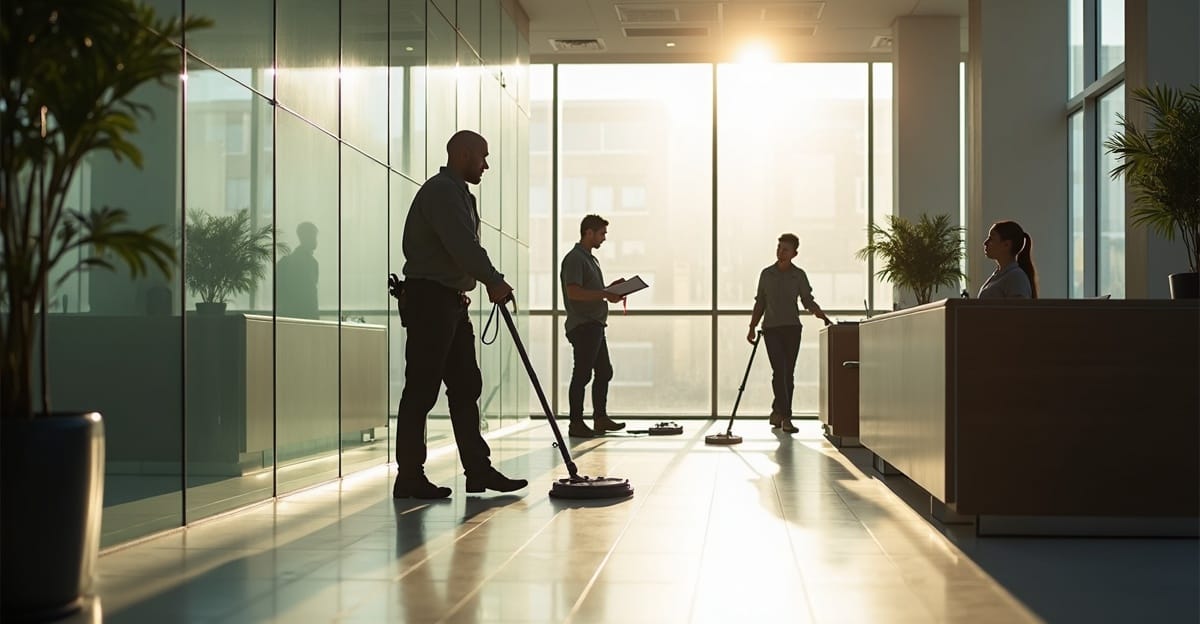
Scheduled commercial cleaning replaces reactive call-outs with a structured maintenance plan. We reduce disruption, control costs, and support compliance across complex facilities. We help teams move from last-minute fixes to planned execution. The benefits of scheduled maintenance cleaning include stronger operational reliability, longer asset life, audit readiness, and a consistent workplace image across offices, medical facilities, and multi-tenant properties.
Key Takeaways
- A structured cleaning schedule reduces emergency call-outs, workplace complaints, and daily operational disruption. We keep routines predictable and facilities running smoothly.
- Preventative maintenance protects flooring, carpets, and fixtures. We extend asset lifespan and improve long-term cost control through planned care.
- Documented service schedules and clear reporting strengthen compliance and audit preparation. We give managers the records they need to demonstrate control and reduce risk.
- Consistent hygiene standards support staff wellbeing and tenant satisfaction. We maintain a professional environment that reflects positively on every organization we serve.
- Clear contracts, defined scopes of work, and regular performance reviews improve accountability. We create transparent oversight that strengthens contractor management and service quality.
Reduced Operational Disruption and Greater Day-to-Day Reliability
Scheduled commercial cleaning creates consistency through a structured plan rather than reactive call-outs. A defined commercial cleaning maintenance schedule sets clear expectations, service frequencies, and quality checks. That structure removes guesswork from facility operations.
Unplanned cleaning leads to interruptions. Emergency clean-ups, last-minute bookings, and inconsistent standards place pressure on site managers. A scheduled approach keeps environments predictable and controlled. For decision-makers managing offices across Brisbane, the Gold Coast, and surrounding metro areas, reliability matters just as much as cleanliness.
High-traffic offices rely on regular touchpoint sanitising, waste removal, and washroom servicing to avoid staff complaints. Multi-site premises need uniform standards so tenants experience the same level of care at every location. Medical facilities and government buildings cannot risk inconsistent hygiene practices. In those settings, gaps quickly lead to complaints, inspection concerns, or downtime.
An organised office cleaning maintenance plan delivers measurable improvements:
- Fewer workplace cleaning complaints
- Reduced emergency call-outs
- Improved staff and tenant satisfaction
- Clear communication around service expectations
Facility managers consistently tell us that structured facility maintenance cleaning reduces operational friction. Established service cycles allow cleaning teams to anticipate wear patterns and address issues early. The result is fewer surprises and greater confidence in day-to-day operations.
Decision-makers also value a defined commercial cleaning contract. That document formalises service scope, access times, and performance standards. It supports continuity even if site contacts change. For growing organisations, scheduled commercial cleaning becomes part of operational infrastructure, just like security or maintenance.
Those who want a clearer breakdown of service inclusions can review what a cleaning schedule should include to understand how structure drives performance. Consistency forms the foundation of dependable facilities management, and why consistency matters in commercial cleaning explains the operational impact in greater detail.
Long-Term Cost Control and Asset Protection
Many organisations view cleaning as a variable expense. In practice, scheduled cleaning functions as cost control. A preventative cleaning program protects assets and reduces long-term capital outlay.
Flooring provides a clear example. High-traffic corridors, lift lobbies, and shared entryways experience daily wear. Regular buffing, machine scrubbing, and protective treatments delay surface deterioration. Without routine care, flooring requires premature replacement, which disrupts operations and inflates budgets. Structured hard floor cleaning maintenance extends usable life and preserves appearance.
Carpeted office areas follow the same pattern. Routine vacuuming combined with scheduled deep extraction removes abrasive soil that damages fibres. Proper carpet and upholstery cleaning prevents staining and eliminates early replacement costs.
Washrooms and kitchenettes also benefit from preventative attention. Regular descaling, grout care, and sanitising preserve fixtures and reduce repair frequency. Office fit-outs represent significant investment. Facility managers protect that investment through asset protection cleaning built into their maintenance strategy.
Reactive repair models create fluctuating expenses. Emergency work carries higher service costs and may require additional oversight. Budget forecasting becomes difficult. A structured preventative cleaning program provides predictable monthly expenditure and fewer unexpected invoices. Over time, long-term cleaning cost savings outweigh short-term reductions in service frequency.
For organisations evaluating financial outcomes, we often recommend reviewing how to measure ROI on commercial cleaning services. Scheduled cleaning supports asset longevity, reduces replacement cycles, and improves financial planning accuracy.
Risk Reduction and Compliance Alignment
Workplace hygiene standards continue to tighten across multiple sectors. Compliance cleaning services help organisations maintain alignment with internal policies and regulatory expectations.
Medical facility cleaning standards require controlled processes, documented frequency, and defined sanitisation protocols. Government buildings and large corporate sites frequently undergo audits. In those environments, cleaning cannot rely on informal arrangements. Structured reporting and documented site inspections provide evidence of activity.
Risk reduction cleaning services address three key exposure points:
- Health risks
- Operational complaints
- Potential liability
Scheduled disinfection of high-touch surfaces supports infection control protocols. For sites requiring additional assurance, disinfection and sanitisation services reinforce routine cleaning cycles.
Preparation for audits often reveals weaknesses in cleaning documentation rather than execution. Clear cleaning logs, supervisor checklists, and quality control reporting strengthen accountability. Facility managers gain confidence when they can demonstrate compliance through structured records.
Across multi-tenant commercial properties, non-compliance can impact lease relationships and tenant retention. Reliable commercial property cleaning programs support consistent standards across shared foyers, amenities, and common areas.
Scheduled facility maintenance cleaning aligns hygiene practices with risk management goals. Instead of responding after an incident, organisations maintain proactive controls. That shift reduces operational stress and strengthens governance oversight.
Stronger Workplace Presentation and Staff Wellbeing
Clean facilities signal professionalism. Clients, visitors, and stakeholders form immediate impressions based on shared spaces, washrooms, and reception areas. Scheduled commercial cleaning ensures that presentation remains consistent every day, not just before important meetings.
An office cleaning maintenance plan sets defined standards for meeting rooms, workstations, and kitchens. High-touch areas receive regular sanitising. Floors remain clean and free of visible wear. Glass surfaces stay clear and streak-free. That consistency protects brand reputation.
Shared environments require coordinated service to avoid uneven outcomes. Multi-tenant sites depend on equal attention to common areas. Gaps in service create visible differences that prompt complaints. Structured programs reduce those friction points.
Clean workplaces also support staff wellbeing. We see the operational link clearly across corporate offices. Accessible resources such as how clean workplaces improve employee productivity and how clean facilities reduce sick days explain how controlled hygiene standards influence morale and attendance.
Reduced complaints matter. Consistent sanitisation of desks, kitchens, and washrooms lowers friction between teams and facility management. Employees focus on work rather than reporting avoidable issues. Leadership avoids reputational concerns caused by visibly unclean environments.
Professional presentation combined with predictable hygiene standards strengthens stakeholder confidence. Scheduled cleaning protects perception in the same way it protects assets.
Clear Accountability, Reporting, and Contract Performance
A well-managed commercial cleaning contract defines responsibilities, service frequency, communication channels, and quality control processes. Clarity prevents misunderstandings and sets measurable expectations.
Effective facility maintenance cleaning includes:
- Detailed service schedules
- Supervisor inspections
- Performance reviews
- Transparent reporting
- Defined escalation procedures
These elements address common frustrations such as inconsistent service or lack of follow-up. Documented site inspections provide objective performance benchmarks. Regular review meetings create space for adjustment as site requirements evolve.
For procurement teams evaluating vendor performance across commercial cleaning Brisbane and Gold Coast locations, transparency matters. Decision-makers want documented outcomes, clear communication, and accountability without repeated follow-ups.
Structured janitorial programs provide that clarity. Professional janitorial services typically operate under defined checklists and inspection cycles. Broader general commercial cleaning services can integrate with security, maintenance, and tenancy schedules to support smooth site management.
After-hours scheduling also supports operational flow. Many organisations prefer after-hours cleaning to eliminate disruption during peak business periods.
Accountability transforms cleaning from a background service into an integrated facilities management function. Clear reporting supports internal reporting obligations and simplifies contractor oversight.
Why Scheduled Cleaning Outperforms Reactive Approaches
Reactive cleaning responds after issues arise. Scheduled commercial cleaning prevents many of those issues from developing in the first place.
Operationally, structured programs reduce interruptions. Teams arrive according to an agreed timetable. Issues get addressed before they escalate into complaints. Sites experience fewer emergency interventions.
Financially, scheduled services provide predictable budgeting. Preventative cleaning programs support long-term cleaning cost savings by protecting assets and reducing sudden repair or replacement costs. Reactive spending varies from month to month and often exceeds planned expenditure.
From a compliance perspective, structured cleaning maintains audit readiness. Documented processes align with workplace hygiene standards and sector-specific expectations. Reactive responses offer limited documentation and weaker oversight.
Medium to large organisations prioritise risk mitigation, cost control, compliance alignment, and consistent presentation. Scheduled cleaning supports each of these priorities through structure and accountability.
We work with organisations that value dependable outcomes and clear communication. A disciplined commercial cleaning program supports operational performance across every level of the business. For sites requiring structured commercial cleaning services, a scheduled model consistently delivers stronger long-term results than reactive alternatives.
Frequently Asked Questions
Scheduled commercial cleaning is a structured cleaning program where services are performed at planned intervals rather than requested on demand. A predefined schedule outlines tasks, service frequency, and quality checks. This approach ensures consistent hygiene standards, predictable operations, and fewer emergency clean-ups. Facility managers can plan maintenance activities in advance, helping teams maintain cleanliness across offices, medical facilities, and shared commercial spaces.
Scheduled commercial cleaning focuses on prevention rather than responding after problems occur. Regular service cycles address dirt, wear, and hygiene risks before they escalate into complaints or costly repairs. Reactive cleaning often leads to disruption and inconsistent results. With a structured plan, facilities maintain stable hygiene standards, predictable service delivery, and better long-term cost control.
The frequency of scheduled commercial cleaning depends on foot traffic, building size, and industry requirements. High-traffic offices often require daily cleaning for workspaces, washrooms, and common areas. Lower-traffic offices may schedule cleaning several times per week with periodic deep cleaning. Establishing the right schedule ensures surfaces remain hygienic, waste is managed properly, and the workplace maintains a professional appearance.
Yes, scheduled commercial cleaning helps control long-term maintenance costs by protecting building assets. Routine floor care, carpet cleaning, and surface maintenance prevent premature wear and deterioration. Preventative cleaning removes abrasive dirt and contaminants that damage materials over time. By extending the lifespan of flooring, fixtures, and furnishings, organisations avoid early replacements and reduce unexpected repair expenses.
Scheduled commercial cleaning supports workplace health and safety by maintaining consistent hygiene standards. Regular sanitising of high-touch surfaces, washrooms, and shared spaces helps reduce the spread of germs and bacteria. A structured cleaning program also ensures waste removal and spill management are handled promptly. These practices contribute to a healthier environment for employees, visitors, and tenants.