
What Are the Essential Services in Commercial Cleaning?
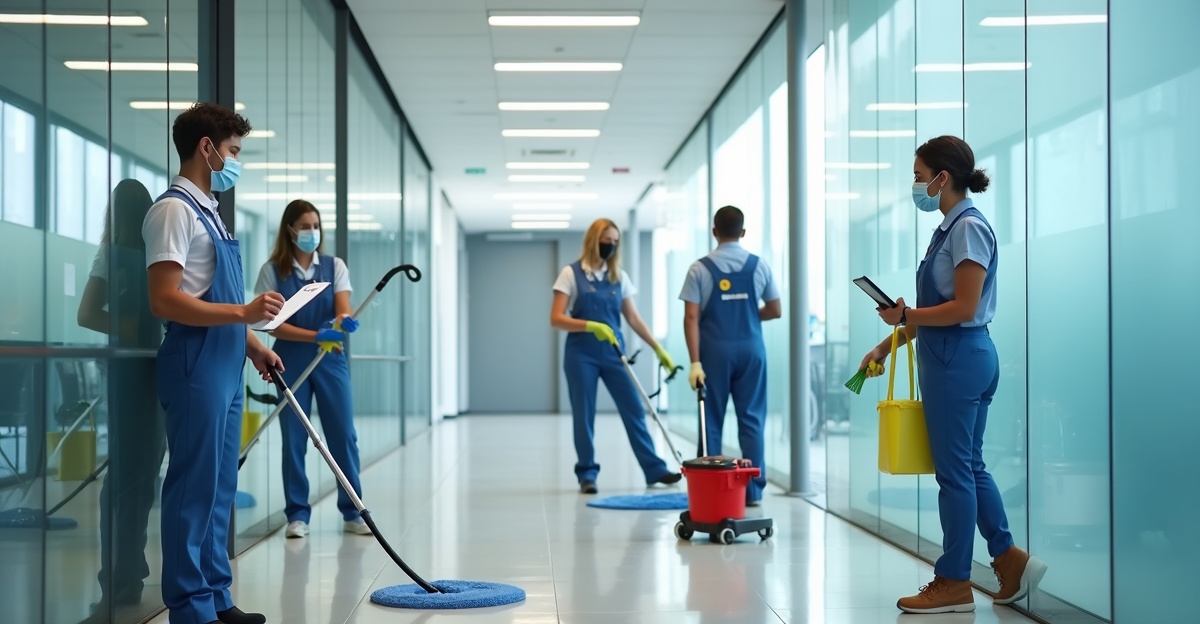
A commercial cleaning service checklist defines the core services we need to keep facilities clean, safe, and efficient. From everyday upkeep to specialized disinfection, this checklist helps set clear standards, supports regulatory requirements, and ensures reliable results across all locations.
Key Takeaways
- A strong commercial cleaning checklist covers daily upkeep, trash removal, floor maintenance, glass cleaning, and focused sanitation.
- Specific industries—like healthcare or government—demand cleaning strategies that meet strict infection controls or security requirements.
- Meeting workplace safety and hygiene standards relies on proper sanitizing steps, safe handling of products, and skilled staff.
- Trusted providers deliver consistency through screened teams, written processes, and performance tracking across each facility.
- Quality cleaning services use the right tools, eco-conscious methods, and adjustable schedules to help operations run smoothly.
Understanding the Core of a Commercial Cleaning Service Checklist
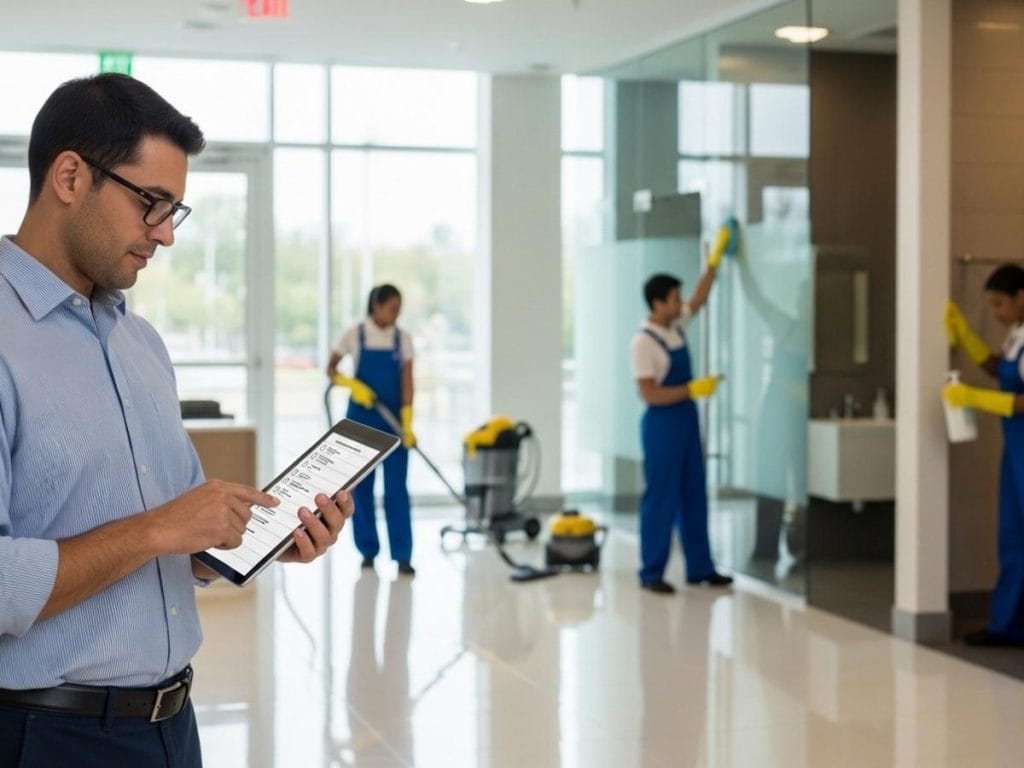
A strong commercial cleaning service checklist sets the groundwork for consistent, professional cleaning outcomes. For facility managers, this checklist serves as a measuring stick—laying out precisely what tasks should be done and how often they should occur. It removes ambiguity, ensures service consistency, and allows for easy comparison between providers.
A comprehensive commercial cleaning service checklist should capture both routine and specialised tasks:
- Daily janitorial cleaning: dusting, vacuuming, rubbish removal, and restroom care
- Waste management and secure disposal
- Window and glass cleaning, including high-touchpoints like door handles and switches
- Floor maintenance such as mopping, buffing, stripping, or polishing
- Carpet and upholstery cleaning for shared areas and meeting rooms
- Targeted disinfection and sanitation protocols for hygiene-critical locations
Using a structured and transparent office cleaning checklist allows decision-makers to benchmark performance, hold vendors accountable, and maintain alignment with internal hygiene protocols. For those refining their facility contracts or running service tenders, a documented service plan helps eliminate grey areas and reduce risk.
Customised Cleaning for Specific Industries: Healthcare, Government, and Offices
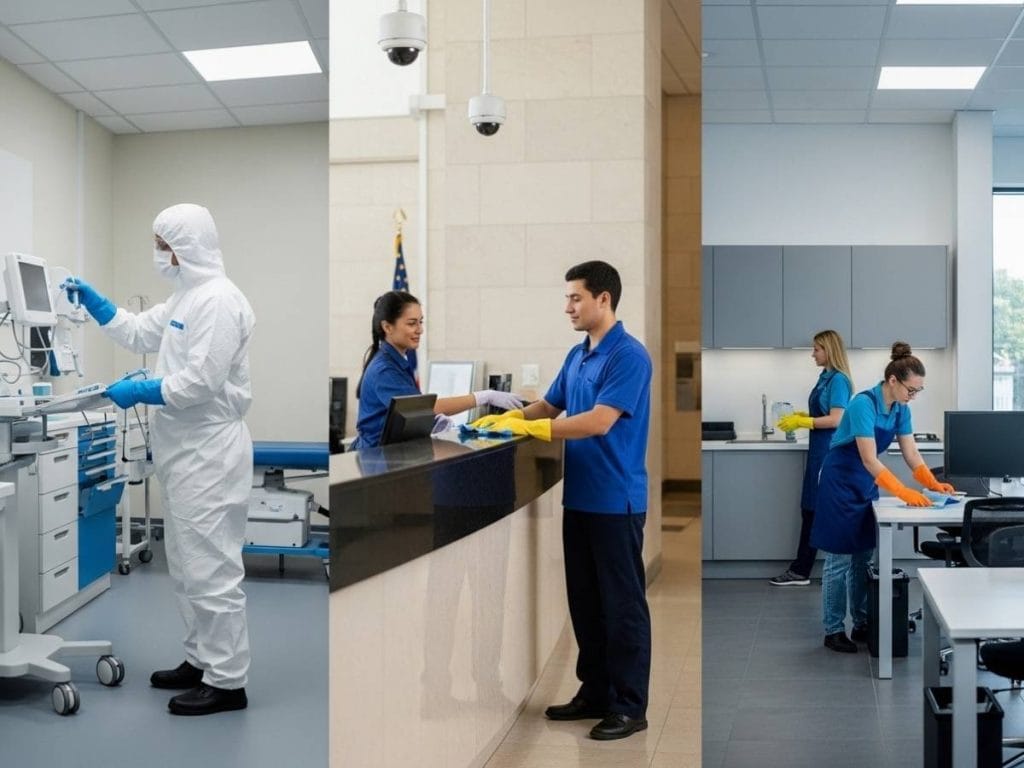
Not all facilities need the same services. What qualifies as “essential” shifts greatly depending on the industry. Cleaning in a medical clinic differs vastly from what an office or government site demands. Developing a plan based on facility type isn’t just practical—it’s necessary for compliance, safety, and stakeholder trust.
Key customisations by sector include:
Healthcare Facilities: Cleaning in clinics, hospitals, and aged care buildings must meet strict compliance. Medical facility cleaning services involve infection control procedures, clinical waste disposal, PPE use, and cleaning products that align with the NHMRC infection prevention and control guidelines and Safe Work Australia hygiene requirements.
Government Buildings: Security and access control are paramount. Background-checked cleaners, secure key management, and careful disinfection of public-facing areas support operational integrity and public confidence.
Corporate Offices: Core needs here include consistent kitchen and restroom care, odour control, and surface sanitisation. Many rely on after-hours cleaning to avoid workflow disruption.
In each case, facility management cleaning plans must reflect the actual environment, risk profile, and compliance responsibilities. Customisation is essential—not just for performance, but also for legal and reputational protection.
Disinfection and Safety Standards: Meeting OH&S and Hygiene Compliance
Staying on top of OH&S cleaning compliance isn’t optional under Safe Work Australia’s workplace health and safety laws. Whether supporting a busy food court, childcare centre, or GP clinic, disinfection routines must follow workplace health and safety laws. Risks associated with infectious outbreaks or cross-contamination—particularly in high-traffic facilities—are well documented in Australian Department of Health infection control guidance and have both human and operational consequences.
A well-structured disinfection plan covers:
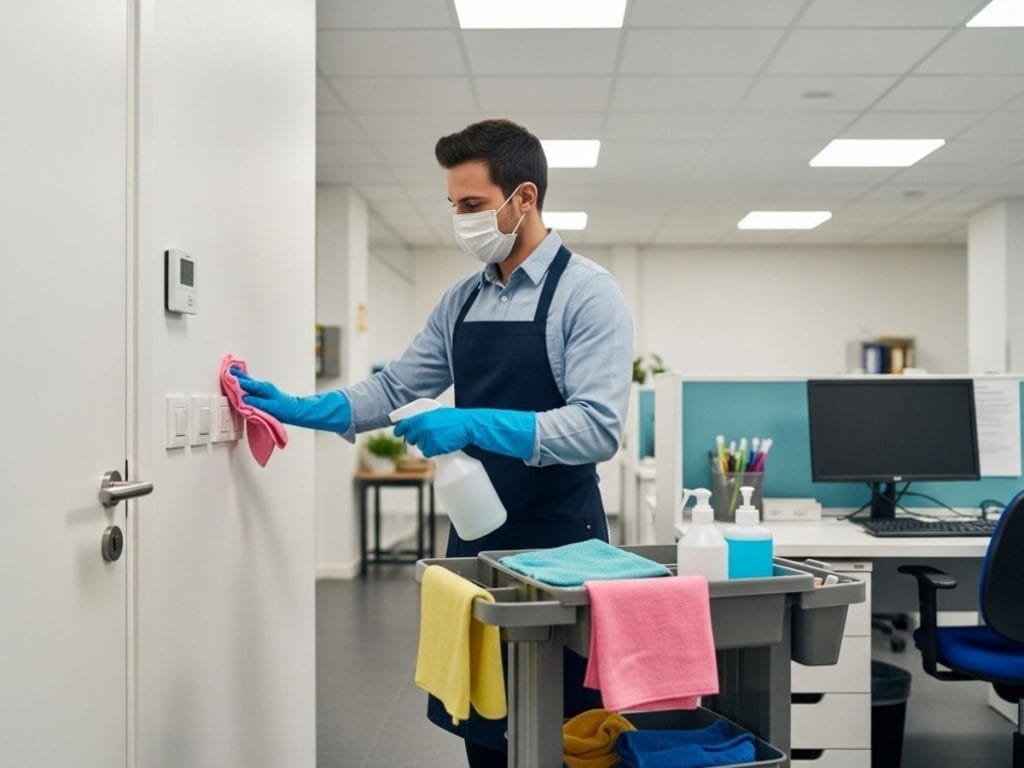
- Frequent cleaning of high-touch surfaces like door handles, light switches, and workstations
- Segregated reusable cloth protocols, with colour-coded materials
- Proper PPE usage and safe chemical handling procedures
For food-handling environments, compliance with Australia’s HACCP food safety guidelines ensures procedures won’t compromise health inspections or operational licences. Similarly, healthcare sites must meet NHMRC standards for everything from daily cleans to outbreak-level disinfection.
Without proper oversight, skipped steps in these protocols can lead to increased absenteeism, failed audits, or reputational damage. High-functioning providers follow documented commercial cleaning standards that comply fully with workplace legislation.
Reliability Behind the Scenes: Staff Vetting, Training & Scheduling Consistency
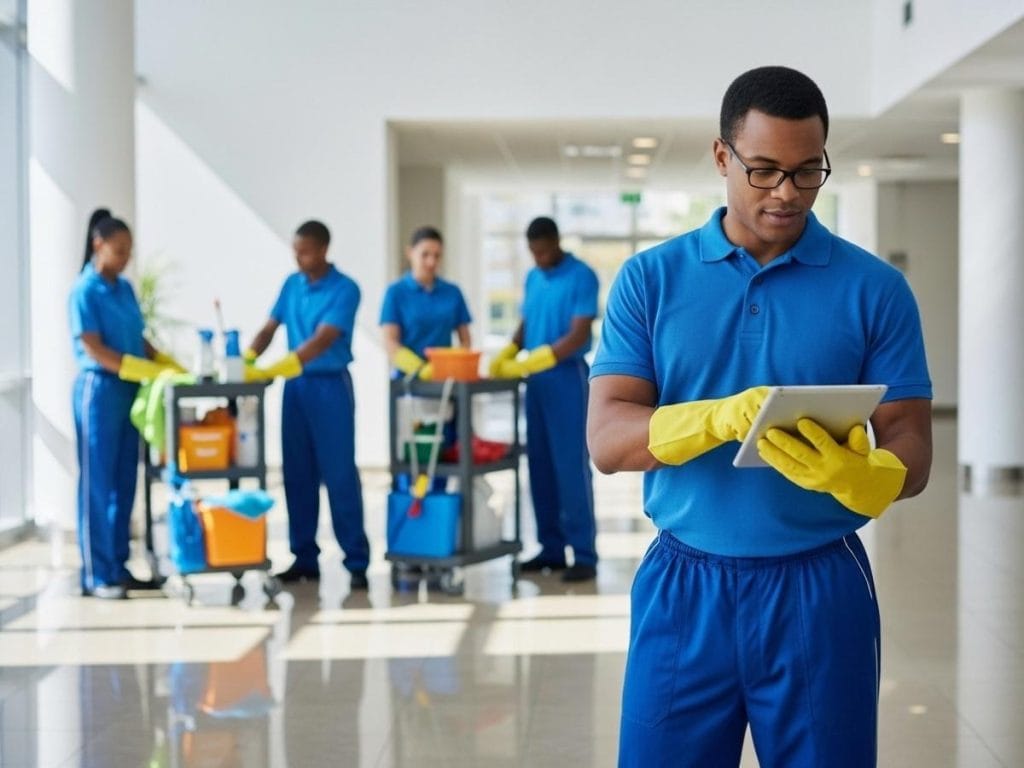
The reliability of cleaning outcomes isn’t just about the mop and bucket. It starts behind the scenes—with trustworthy people, proper training, and systems that ensure tasks happen consistently without impacting day-to-day site operations.
Any reputable provider of janitorial services should provide:
- Police-checked and professionally trained cleaners
- Low staff turnover to ensure familiarity with your site’s specific needs
- A structured scheduling system with backup staff plans
- Use of checklists and job cards to confirm all tasks are completed
- Ongoing inspections or reporting so gaps are caught early
In multi-site operations, consistency across locations is often a major concern. When different buildings receive different results, it often traces back to poor training, lack of documentation, or patchy oversight.
Understanding what to expect from a commercial cleaner includes more than how well the floors shine. It’s about whether processes are sustainable, reliable, and designed to minimise risk long-term.
Service Methods, Materials, and Operational Flexibility
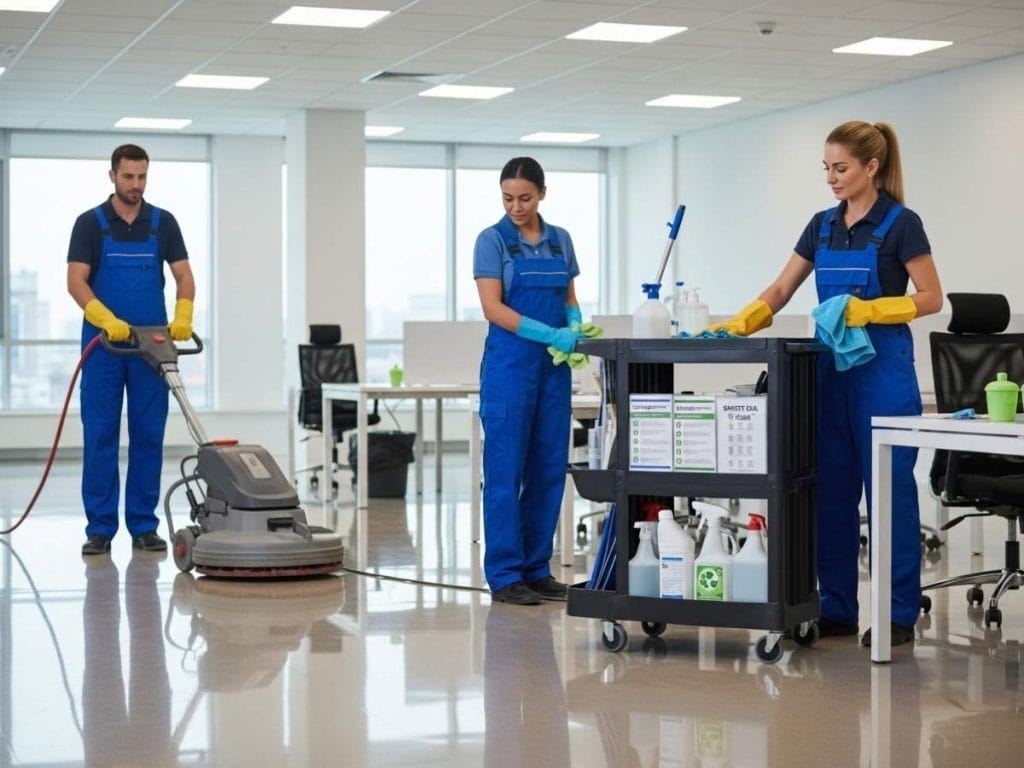
Product choice and cleaning methods directly affect cleanliness, workplace safety, and property condition. Low-quality materials can cause permanent damage, increase allergens in the air, or leave strong chemical residues.
All essential commercial cleaning services should involve:
- Commercial-grade tools and machinery suited for each surface type
- Risks associated with infectious outbreaks or cross-contamination have both human and operational consequences. Safe, fit-for-purpose chemicals with clearly labeled Safety Data Sheets (SDS) as required by Safe Work Australia.
- Colour-coded cloths and tools to reduce the risk of cross-contamination
- Environmentally responsible waste management practices
In addition, experienced teams adapt to your operational flow. Whether it’s cleaning after hours or coordinating around high-traffic periods, flexibility reduces disturbance and enables productivity.
Facilities that aren’t cleaned with the right materials or approaches end up suffering damage—whether it’s scratched flooring, tarnished fixtures, or slow odour build-up. Effective facility management cleaning means paying attention to cleaning methods as much as cleaning frequency.
What to Look for in a Reliable Commercial Cleaning Partner
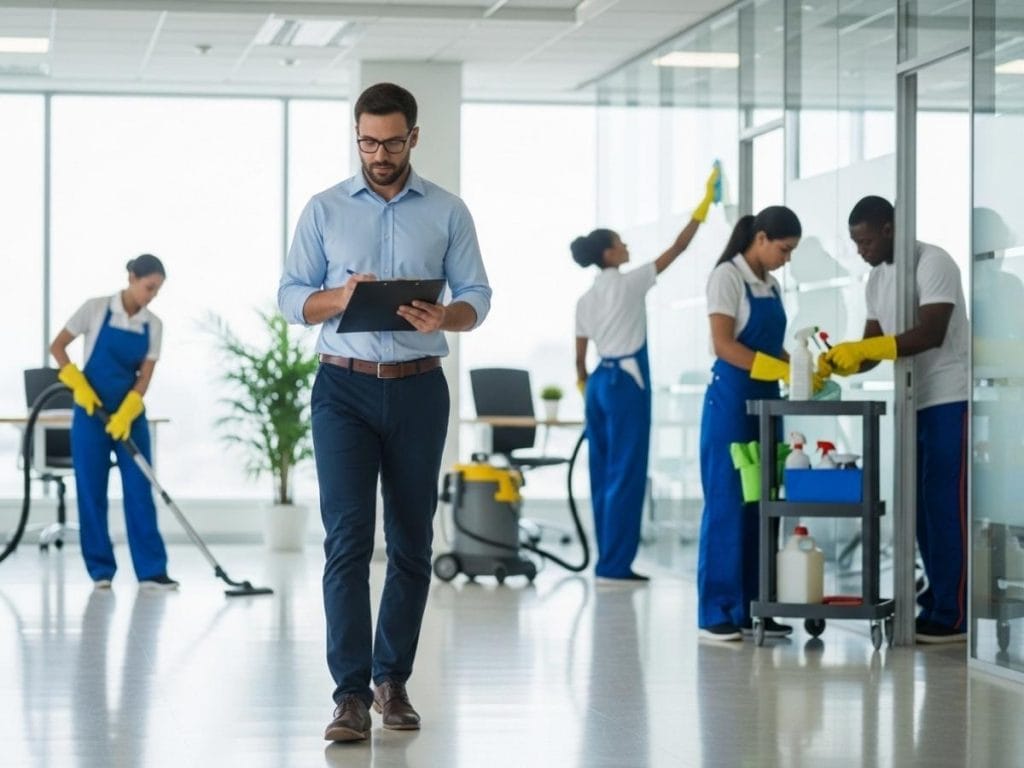
Choosing the right partner goes beyond price or availability. A long-term partnership relies on transparency, responsiveness, and proven systems. Here’s what every decision-maker should confirm before signing a new agreement or renewing a current contract:
Evaluation checklist for choosing a provider:
- Clear breakdown of services in scope
- Public liability and workers’ compensation insurance
- Reporting tools or proof-of-service documentation
- Quality control systems, including supervisor checks
- Easy communication methods for feedback or issue resolution
These checks can help keep contractual discussions grounded and outcome-based. We recommend working directly from a documented commercial cleaning checklist Australia–wide businesses recognise for ensuring consistent practices.
A well-structured commercial cleaning service checklist can help streamline your next vendor review or internal contract discussion. It becomes a foundation for accountability—supporting better hygiene, safer working conditions, and property preservation.
For more insights on setting cleaning expectations and aligning frequency with operational needs, explore our guide to professional cleaning frequency or visit our commercial cleaning blog hub.
If you’re reviewing your current cleaning standards or need help benchmarking service levels, our team at Aus Pro Commercial Cleaners is ready to support. For an assessment or quote, visit Get a Quote.
Frequently Asked Questions
A standard commercial cleaning service checklist includes routine tasks such as dusting, vacuuming, rubbish removal, restroom cleaning, floor mopping, and surface sanitising. It may also cover periodic services like window cleaning, carpet care, and deep disinfection. The exact inclusions depend on the facility type, usage levels, and compliance requirements.
A commercial cleaning service checklist is important because it defines clear expectations and ensures consistent cleaning standards. It helps businesses meet workplace hygiene regulations, track service performance, and reduce health and safety risks. A documented checklist also supports accountability when managing cleaning contractors or multi-site facilities.
Task frequency depends on foot traffic, industry standards, and risk levels. High-use areas like restrooms and kitchens are usually cleaned daily, while services such as window cleaning or carpet maintenance may be scheduled weekly, monthly, or quarterly. A tailored checklist aligns cleaning frequency with operational needs and compliance obligations.
Yes, a commercial cleaning service checklist should be customised for each industry. Healthcare facilities require infection control and clinical waste handling, offices focus on workspaces and amenities, and government buildings may need security-sensitive procedures. Customisation ensures the checklist reflects real risks, regulations, and operational priorities.
Businesses should check that the checklist clearly defines tasks, frequencies, and quality standards. It should include disinfection protocols, safety procedures, and reporting methods. A strong checklist also shows how staff are trained, how performance is monitored, and how issues are addressed to maintain consistent results.