
What Are Touchpoint Cleaning Protocols?
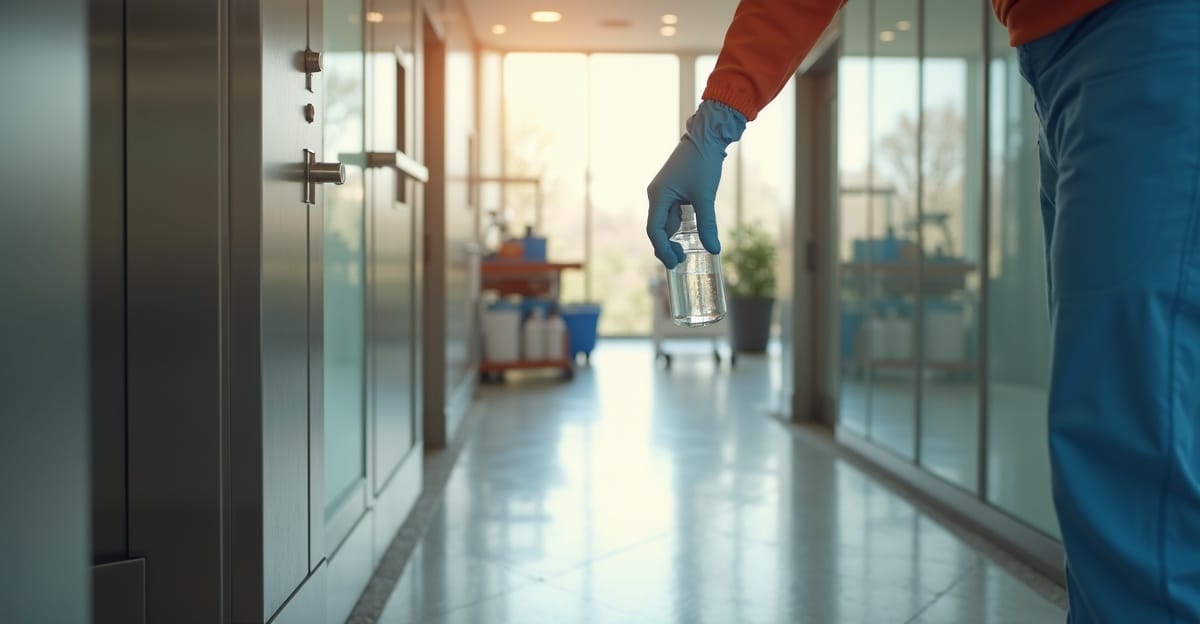
Touchpoint cleaning protocols give us a clear system for managing hygiene risks across commercial spaces. We focus on high-contact surfaces and apply consistent cleaning and disinfection methods that reduce contamination. Strong touchpoint disinfection goes further than standard cleaning. We set risk-based frequencies, document each step, and verify completion so we stay compliant, audit-ready, and consistent across every site.
Key Takeaways
- Touchpoint cleaning protocols focus on high-contact surfaces such as door handles, lift buttons, shared equipment, and bathroom fixtures based on facility-specific risk assessments.
- We separate these protocols from routine cleaning by prioritising pathogen control, correct disinfectant selection, and verified dwell times instead of surface appearance alone.
- We build effective programs with a clear structure: identify high-risk areas, clean surfaces before disinfecting, apply suitable products correctly, and document every task.
- We align cleaning frequency with traffic flow, frequency of use, and overall site risk. We increase schedules in high-density or high-turnover environments to reduce transmission risk.
- We use oversight tools such as checklists, sign-off sheets, routine audits, and documented staff training to create accountability, demonstrate compliance, and protect operational continuity.
Why Touchpoint Disinfection Is Critical in Commercial Environments
Touchpoint disinfection practices are structured, scheduled cleaning and disinfecting processes focused on high-frequency contact surfaces in commercial settings. They form a core part of modern workplace hygiene protocols and support consistent commercial disinfection standards across facilities.
In active workplaces, hundreds of surface contacts occur every day. Without clear systems in place, those surfaces quickly become sources of hygiene risk. A documented touchpoint program reduces exposure pathways, supports cleaning compliance requirements, and creates measurable accountability.
Operationally, the outcomes matter. Structured touchpoint disinfection practices help reduce hygiene-related complaints, improve workplace perception, and protect business continuity. They also support audit readiness and contractor oversight. When cleaning activities are scheduled, documented, and verified, there’s clear evidence that standards are being maintained.
This approach isn’t a pandemic response. It’s an ongoing workplace hygiene protocol aligned with professional facility management. Businesses now expect visible, repeatable processes that support risk control and compliance. We integrate high-frequency surface control into broader janitorial services to ensure standards remain consistent across shifts and sites.
Clear structure builds confidence. Staff feel safer. Visitors recognise professionalism. Management gains clarity through documented service delivery.
What Qualifies as a High-Touch Surface in Your Facility
High-touch surface cleaning focuses on surfaces that are frequently contacted throughout the day. These are the areas where transfer risk is highest due to repeated hand contact.
Typical examples include:
- Door handles
- Lift buttons
- Shared equipment
- Reception desks
- Light switches
- Handrails
- EFTPOS machines
- Bathroom fixtures
What qualifies as high-touch varies by facility type. In corporate offices, shared meeting rooms and kitchen areas may present higher exposure points. In medical facilities, waiting areas and clinical surfaces carry additional risk. Government buildings and multi-site facilities often experience variable public access, which affects exposure levels. High-density environments require tighter monitoring than low-traffic offices.
Traffic flow, staff density, and visitor access shape risk profiles. Surfaces near entry points or shared service areas often require more frequent attention than enclosed back-office spaces.
We recommend using a structured facility cleaning checklist to identify site-specific touchpoints. A checklist removes assumptions. It allows facility managers to assess each zone and assign cleaning frequency based on real usage patterns. This connects directly with high-touch surface cleaning standards and strengthens day-to-day hygiene performance.
Clear identification is the first step in risk reduction.
How Touchpoint Cleaning Protocols Differ from General Cleaning
Routine vs deep cleaning differences are often misunderstood. Routine cleaning usually focuses on general surface appearance, dust removal, and overall presentation. It keeps a space tidy and visually professional.
Touchpoint cleaning protocols operate differently. They prioritise risk-based disinfection frequency and surface-specific treatment. The focus shifts from appearance to pathogen control. That requires defined intervals, product selection based on surface material, and confirmation that disinfectants perform effectively.
Effective touchpoint cleaning is never just wiping surfaces. It follows documented steps:
- Clean surfaces to remove soil and residue.
- Apply an appropriate disinfectant.
- Allow the product to remain for the correct dwell time.
This structure aligns with broader office sanitation best practices and recognised infection prevention principles. In higher-risk environments, procedures may escalate to full infection control cleaning frameworks.
We embed these protocols within our general commercial cleaning programs so that disinfection activities are integrated into daily operations rather than treated as isolated tasks.
Documented separation between routine presentation cleaning and targeted disinfection keeps expectations clear and reduces service gaps.
The Structure Behind Effective Disinfection Protocols
Strong disinfection systems follow a clear sequence. In commercial facilities, consistency matters more than ad hoc action.
An effective touchpoint program typically includes:
- Identification of high-risk areas based on usage and density
- Cleaning before disinfecting to remove soil
- Use of appropriate disinfectant products suitable for surface type
- Observing correct dwell time for disinfectants
- Safe and consistent application methods
Those steps support commercial disinfection standards and protect surface integrity.
Structured systems sit behind this process. Colour-coded equipment reduces cross-contamination risk. Documented cleaning schedules define frequency. Sign-off sheets and reporting logs create traceability. Site audits verify adherence.
Quality assurance systems strengthen compliance. Regular reviews confirm that procedures match current cleaning compliance requirements. Supervisory inspections close the loop between schedule and execution.
Staff capability is equally important. Cleaning teams must understand correct product dilution, dwell time, and surface compatibility. In healthcare and similar environments, knowledge of medical-grade cleaning standards is essential. Facilities such as healthcare cleaning services require heightened discipline due to elevated risk exposure.
We also prioritise controls that help minimise cross-contamination during cleaning. Process discipline reduces error and improves consistency across shifts.
Structured programs create predictable outcomes. Documentation makes performance measurable.
Frequency Guidelines Based on Risk and Environment
There are no universal frequency rules. Cleaning intervals should reflect traffic volume, surface usage, and facility sensitivity.
Corporate offices with moderate traffic usually require daily scheduled touchpoint cleaning. Shared areas such as meeting rooms, kitchens, and reception zones often need additional attention during peak periods. Facilities providing corporate office cleaning services often integrate midday checks for shared amenities.
Medical facilities may require multiple cleaning rotations per day. These schedules align with medical-grade cleaning standards and higher risk exposure. Waiting areas and consultation rooms often receive repeated disinfection throughout operating hours.
Public-facing government or multi-site facilities benefit from scheduled checks across the day. High visitor turnover requires responsive monitoring to maintain presentation and hygiene confidence. In busy settings, structured allowances for cleaning safety in high-traffic areas also protect both cleaners and occupants.
Recommended frequency should always reflect site risk assessments and documented cleaning compliance requirements. Increasing frequency in identified hotspots often reduces complaints and strengthens operational resilience.
Risk management drives scheduling decisions. Clear reporting confirms whether frequency targets are met.
A Practical Framework to Evaluate Your Current Cleaning Provider
Consistent touchpoint performance depends on structured oversight. Decision-makers should expect evidence, not assumptions.
We recommend reviewing the following points:
- Is there a documented touchpoint cleaning schedule?
- Are high-touch surface cleaning areas clearly identified per site?
- Are disinfectants suitable for the surface and used with correct dwell time?
- Are sign-off sheets, audits, and reporting logs maintained?
- Is staff training documented and regularly reviewed?
- Is there a clear quality assurance and escalation process?
These checks support alignment with compliance standards and audit readiness. They also reduce reactive issue management and maintain consistent facility presentation.
A professional cleaning partner should provide visibility into systems, not vague assurances. Structured workplace hygiene protocols protect reputation and daily operations. If documentation is unclear or inconsistent, it may indicate gaps in service execution.
Reliable touchpoint cleaning protocols protect staff, visitors, and brand perception. Strong structure behind those protocols keeps performance steady across shifts and sites.
Frequently Asked Questions
Touchpoint disinfection practices focus specifically on high-contact surfaces to reduce pathogen transmission, while routine office cleaning prioritises general appearance and tidiness. Disinfection requires correct product selection, surface preparation, and verified dwell time. Unlike basic cleaning, it follows structured schedules and documentation processes to ensure hygiene control, compliance, and measurable risk reduction.
High-touch surfaces should be disinfected based on traffic levels, occupancy density, and facility risk profile. In standard office environments, daily disinfection may be sufficient, while high-traffic or public-facing areas often require multiple cleanings per day. Medical or high-risk facilities typically follow stricter schedules aligned with infection prevention standards and documented risk assessments.
Professional touchpoint disinfection practices include surfaces frequently handled throughout the day. Common examples are door handles, lift buttons, light switches, shared desks, handrails, reception counters, kitchen appliances, and bathroom fixtures. The exact list varies by facility type and usage patterns, which should be identified through a structured site-specific risk assessment.
Dwell time is the required period a disinfectant must remain wet on a surface to effectively kill pathogens. If wiped away too quickly, the product may not achieve full efficacy. Following manufacturer-recommended dwell times ensures proper microbial reduction, supports compliance standards, and strengthens the effectiveness of structured disinfection procedures.
Businesses can verify compliance by using documented schedules, sign-off sheets, audit checklists, and routine inspections. Clear reporting systems confirm that tasks are completed at the required frequency and standard. Staff training records and quality assurance reviews further demonstrate accountability, helping organisations remain audit-ready and consistent across multiple sites.