
What Cleaning Standards Do Medical Facilities Require?
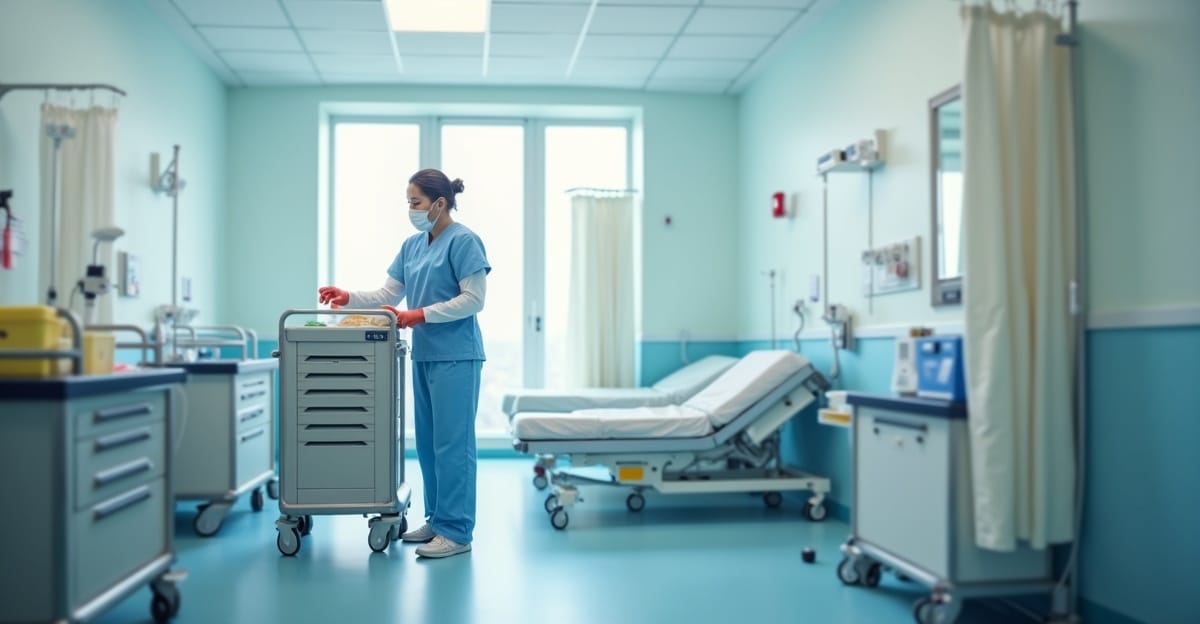
Medical facility cleaning standards define how we control infection risk, meet audit expectations, and protect patients and staff through structured, risk-based cleaning systems. These standards shift by facility type and draw on Australian guidelines, accreditation frameworks, and daily operational controls rather than appearance alone. We treat cleaning as a clinical safeguard, not a visual task.
Key Takeaways
- Cleaning in medical facilities is an operational infection control measure, not a cosmetic service
- Australian medical cleaning expectations come from multiple guidelines and standards that must be applied together
- Cleaning requirements vary by clinical risk, with higher standards in procedure and treatment areas
- Auditors look for documented, repeatable cleaning systems linked to clinical risk
- Underqualified cleaners create compliance gaps through poor methods, training, and documentation
Why medical cleaning standards matter for compliance, safety, and audits
Medical facility cleaning standards sit at the centre of infection control, patient and staff safety, and regulatory compliance. Cleaning plays a direct role in reducing healthcare-associated infection risk. Poor environmental hygiene remains a recognised contributor to infection spread, which makes cleaning an operational control, not a cosmetic service.
Healthcare leaders are expected to show that cleaning is deliberate, consistent, and matched to clinical risk. Auditors and inspectors don’t look for tidy rooms alone. They assess whether cleaning is planned, documented, and suitable for the services delivered. Gaps often appear during audits when schedules don’t align with risk, records are incomplete, or contractors can’t demonstrate infection control knowledge.
This is why healthcare cleaning requirements in Australia differ from standard commercial cleaning. Medical environments demand a structured approach that supports audit readiness and protects patients, clinicians, and visitors every day.
The Australian standards, guidelines, and frameworks that apply
There isn’t a single law that defines all Australian medical cleaning standards. Instead, expectations come from overlapping frameworks that together shape compliance.
Key guidance includes the NHMRC infection prevention guidelines, which outline principles for environmental cleaning as part of broader infection control systems. These principles focus on risk-based cleaning, correct use of disinfectants, and staff training.
General practices are also assessed against RACGP Standards, which require clinics to maintain clean and safe environments and demonstrate systems that reduce infection risk. While these standards may not prescribe exact cleaning frequencies, they expect clear processes and accountability.
Additional expectations come from relevant AS/NZS cleaning standards for healthcare environments and state or territory health department guidance. Some requirements are mandatory under workplace health and safety or public health legislation. Others represent best-practice benchmarks commonly reviewed during accreditation.
The practical challenge is distinguishing between legal obligations and recommended standards. Over-compliance can waste resources. Under-compliance exposes facilities to audit findings, reputational damage, and safety incidents. Understanding where cleaning fits within commercial cleaning compliance helps decision-makers set the right level of control.
How cleaning standards differ by medical facility type
Cleaning standards aren’t uniform across healthcare. Clinical risk, patient vulnerability, and procedures performed all influence what “compliant” cleaning looks like.
GP clinic cleaning focuses on consistent infection control across consultation rooms, treatment areas, waiting rooms, and shared amenities. High-touch points need frequent attention, and consultation rooms must be reset between patients where required.
Allied health spaces usually carry lower clinical risk, but standards still demand disciplined surface hygiene, equipment cleaning, and safe handling of spills. These environments often fail audits when cleaning programs assume office-level requirements.
Day surgeries and specialist procedure rooms operate under higher-grade expectations. They require stricter zoning, defined workflows between clean and contaminated areas, and increased cleaning frequency. Generic cleaning plans don’t meet medical grade cleaning Australia expectations in these settings.
This risk-based variation explains why one-size-fits-all programs don’t work. Facilities that rely on generic commercial cleaning coverage often struggle to demonstrate clinical cleaning best practices during inspections.
What compliant medical cleaning looks like day to day
Day-to-day compliance comes from systems that staff follow consistently, even when clinics are busy. Cleaning frequencies are set by risk, not convenience. High-risk areas receive more frequent and structured cleaning than administrative or public spaces.
Correct methods matter as much as frequency. Teams must follow proper cleaning sequences, use TGA-approved disinfectants, and separate equipment through colour-coding to prevent cross-contamination. Clinical and non-clinical zones should never share tools.
Core elements auditors expect to see
Auditors usually look for evidence that cleaning is controlled and repeatable. This includes:
- Defined cleaning schedules linked to clinical risk
- Documented checklists and sign-offs
- Incident and spill response logs
- Records showing staff infection control training and PPE use
These elements support healthcare environmental cleaning and reinforce infection control cleaning standards. Without documentation, even good cleaning practices are difficult to defend during an audit. Facilities that align cleaning with routine and detail cleaning differences are generally better positioned for inspections.
Common risk areas and gaps with underqualified cleaners
Medical facilities often encounter problems when cleaning is delivered by providers without healthcare experience. A common issue is surface-level presentation without infection control understanding. Shiny finishes don’t equal risk reduction.
Other frequent gaps include incorrect chemical use, missed high-touch points, and inconsistent attendance. Cleaning teams may also fail to adjust methods for treatment rooms or procedural areas. Documentation is often incomplete or absent, which becomes obvious during audits or incident investigations.
These healthcare facility cleaning risks intensify operational pressure for practice managers and executives. Investigations following outbreaks frequently identify cleaning compliance issues that could have been prevented with the right capability. Understanding janitorial versus commercial cleaning helps clarify why medical settings sit higher again in required skill and oversight.
How to assess whether a cleaning provider meets medical standards
Assessing a healthcare cleaning provider starts with alignment to recognised frameworks. Providers should clearly explain how their programs support NHMRC infection prevention guidelines, RACGP standards, and relevant AS/NZS expectations.
Key evaluation areas include staff training, supervision, and how cleaning differs by clinical zone. Providers should demonstrate clear documentation processes and experience supporting audit readiness. Flexibility also matters, as clinical risk changes with services delivered.
Facilities that partner with experienced teams in healthcare facility cleaning reduce compliance risk and service disruption. For environments requiring higher-level controls, structured disinfection and sanitisation services add another safeguard.
Choosing the right provider isn’t about price alone. It’s about confidence that cleaning can withstand scrutiny. When standards are clear and systems are proven, audits become routine rather than disruptive. Facilities that need clarity across service types can also review cleaning expectations across different industries or request tailored support through a cleaning assessment and quote.
Frequently Asked Questions
Medical facility cleaning standards in Australia are based on risk-based infection control principles rather than appearance. They draw from NHMRC infection prevention guidelines, accreditation frameworks, and state health guidance. Facilities must show that cleaning methods, frequencies, and products reduce infection risk and are documented, repeatable, and aligned to the clinical services delivered.
Cleaning frequency depends on clinical risk, not convenience. High-risk areas such as treatment rooms and procedure spaces require more frequent and structured cleaning than offices or waiting areas. Medical facility cleaning standards expect schedules to match patient contact, surface use, and infection risk, with documented evidence that cleaning occurs as planned.
No, medical facility cleaning standards vary by facility type. GP clinics focus on consistent hygiene and high-touch surface control, while day surgeries require stricter zoning, workflows, and cleaning protocols. Higher-risk environments must demonstrate more rigorous systems, increased frequency, and stronger documentation to meet compliance and audit expectations.
Auditors expect clear records showing cleaning schedules, completed checklists, staff training, and incident responses. Medical facility cleaning standards rely heavily on documentation to prove that cleaning is controlled and repeatable. Without written evidence, even well-performed cleaning is difficult to defend during audits or investigations.
Facilities should assess whether providers understand healthcare-specific risks and align with frameworks such as RACGP standards and relevant AS/NZS Standards. Providers should explain how cleaning differs by clinical zone, show training records, and demonstrate audit-ready documentation that supports medical facility cleaning standards.