
What Is High-Touch Surface Cleaning and Why Is It Important?
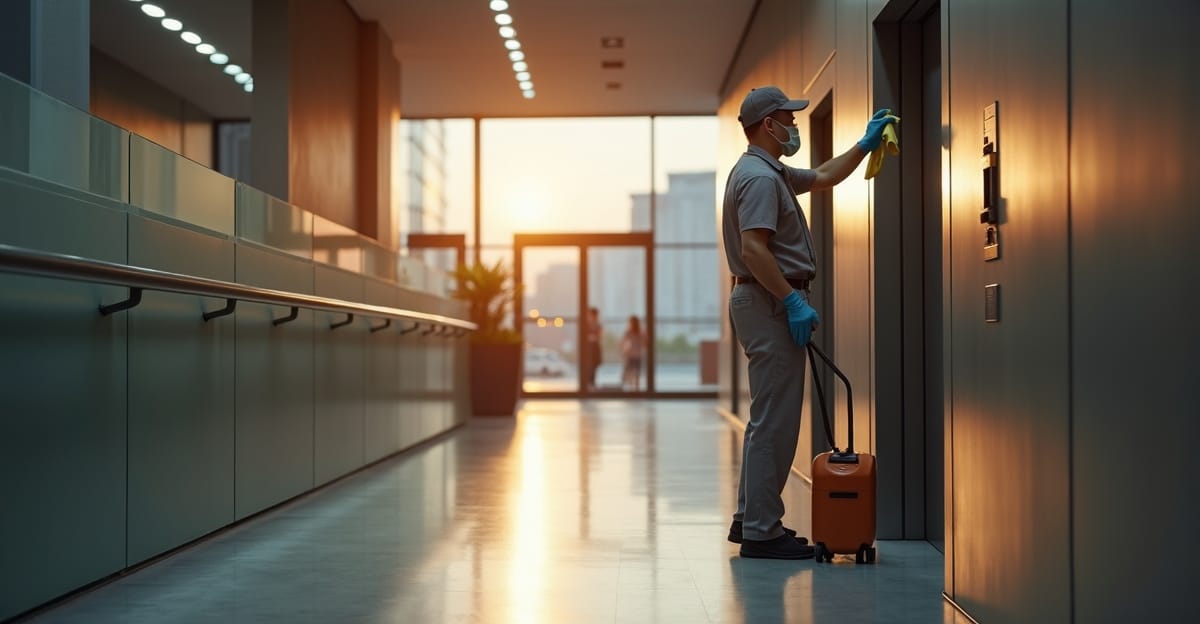
High-touch area cleaning involves structured cleaning and disinfection of frequently handled surfaces in commercial facilities to reduce cross-contamination and control workplace infection risk. We focus on these surfaces because they directly influence absenteeism, audit results, tenant satisfaction, and overall hygiene compliance across offices, healthcare sites, schools, and shared spaces. Our approach connects practical cleaning methods with measurable risk control, so teams protect both people and brand reputation.
Key Takeaways
- High-touch surfaces include door handles, lift buttons, handrails, shared desks, kitchen fixtures, and bathroom contact points that multiple people use daily. We treat these as priority surfaces because constant contact quickly transfers contaminants between occupants.
- Repeated handling raises contamination risk, which makes these surfaces essential control points in infection prevention and commercial cleaning risk management. We prioritise them in every structured cleaning plan.
- High-touch surface cleaning differs from general cleaning because we apply a targeted, frequency-based disinfection system supported by documented checklists and active supervision. Standard wipe-downs don’t provide the same level of control or accountability.
- Cleaning frequency should reflect foot traffic, public access levels, and industry risk. We increase disinfection cycles in high-traffic and healthcare environments to limit exposure and maintain compliance.
- Clear documentation, defined scope within cleaning contracts, and scheduled quality checks strengthen compliance, improve audit readiness, and protect brand reputation. We recommend written schedules and sign-off processes to maintain consistency and transparency.
Why High-Touch Surfaces Are a Critical Risk Point in Commercial Buildings
High-touch area cleaning is the focused cleaning and disinfection of surfaces that people handle repeatedly throughout the day in medium to large commercial premises. These contact points attract constant physical interaction from staff, visitors, contractors, and the public, which increases the likelihood of cross-contamination.
Every touch transfers microorganisms. The more frequent the contact, the higher the exposure risk. In busy office buildings, medical centres, schools, and government sites across Brisbane and the Gold Coast, foot traffic directly affects contamination levels. As traffic increases, so does risk.
From a commercial cleaning risk management perspective, high-touch surfaces sit at the centre of infection control in workplaces. They are key control points in any structured workplace hygiene compliance strategy. If these surfaces are overlooked, the operational impact can be immediate:
- Increased absenteeism due to preventable illness
- Tenant or visitor complaints in shared buildings
- Greater scrutiny during workplace hygiene or safety audits
- Reputational damage in client-facing environments
Effective infection control in workplaces always prioritises high-frequency contact zones. Without a clear process, gaps appear quickly. In Brisbane commercial cleaning contracts, we treat high-touch area cleaning as a defined risk-control measure rather than a general task.
What Qualifies as High-Touch Surfaces in Offices, Medical and Shared Facilities
High-touch surfaces in offices are any fixtures or equipment that multiple people handle daily. These are typically small contact points that don’t draw attention but carry consistent contamination risk.
In office environments, common examples include:
- Door handles and push plates
- Lift buttons and access control keypads
- Light switches
- Shared desks and meeting room tables
- Keyboards and telephone handsets (where included in scope)
- Reception counters and EFTPOS machines
In shared common areas, we also assess:
- Handrails on stairs and ramps
- Kitchen benches, fridge handles, microwave buttons
- Bathroom taps, flush buttons, and partition locks
Some environments carry elevated risk. Healthcare facilities must align with medical-grade cleaning standards due to vulnerable occupants and regulatory oversight. Education centres and public sector buildings face high turnover and mass daily contact, which increases exposure points.
Identification should never be assumed. High-touch surfaces must be documented within a structured facility cleaning checklist. Many areas are frequently missed during standard routines, which we address in our guidance on missed areas during office cleaning. Clear documentation prevents inconsistency and sets measurable expectations.
The Difference Between General Cleaning and Targeted High-Touch Surface Cleaning
General commercial cleaning focuses on overall presentation. This includes floors, visible surfaces, bins, and amenities. It creates a tidy and organised appearance.
High-touch surface cleaning is different. It is targeted, risk-based, and driven by frequency. It prioritises contact points that require routine disinfection regardless of how clean they appear.
Within a structured workplace cleaning program, touchpoint disinfection forms a defined process. It includes:
- Selecting disinfectants suitable for commercial use and safe for the surface material
- Scheduling cleans based on traffic intensity
- Following documented cleaning frequency guidelines
- Conducting supervisor checks and recording completion
This level of structure aligns with broader commercial cleaning standards. It cannot be left as an assumption within a general scope. High-touch surface cleaning should be written clearly into cleaning contracts, with frequency expectations stated.
In many facilities, daytime janitorial support strengthens consistency. Our janitorial services integrate routine touchpoint disinfection into active site operations, especially in high-occupancy offices. This reduces risk between scheduled after-hours cleans.
Recommended Cleaning Frequency Based on Foot Traffic and Industry Type
Cleaning frequency guidelines must reflect risk exposure rather than budget pressure. Foot traffic, shared equipment use, public access, and compliance expectations all shape the schedule.
As a general framework:
- Low-traffic offices: daily high-touch area cleaning at minimum
- Medium-traffic commercial offices: daily cleaning with additional daytime spot disinfection in lifts, amenities, and reception areas
- High-traffic or public-facing buildings: multiple cleans per day
- Medical and healthcare environments: frequency aligned with medical-grade cleaning standards and clinical risk classification
Office cleaning best practices support daily disinfection of high-touch surfaces, even in smaller teams. Once shared desks, meeting rooms, and communal kitchens are introduced, contact multiplies quickly.
Facilities with open public access, such as government buildings or training institutions, require higher-intensity scheduling. Cleaning frequency is a risk decision, not just an operational cost. Reducing it without reviewing foot traffic and compliance requirements often increases long-term exposure.
For higher-risk settings, structured disinfection and sanitisation services provide additional coverage during periods of elevated illness transmission or outbreak response.
How High-Touch Area Cleaning Supports Compliance, Audits and Brand Protection
High-touch area cleaning plays a direct role in workplace hygiene compliance. Employers have obligations under workplace health and safety frameworks to provide a safe environment. While we don’t provide legal advice, practical cleaning controls form part of that responsibility.
Documented touchpoint disinfection supports:
- Internal safety audits
- External compliance inspections
- Reduced complaint rates in multi-tenant buildings
- Demonstrable due diligence for staff and visitors
Clear records, checklists, and supervisor sign-offs align with commercial cleaning standards and strengthen commercial cleaning risk management processes. In facilities subject to government or healthcare audits, documentation becomes essential rather than optional.
Perception also matters. People judge cleanliness by what they touch. Sticky door handles, marked lift buttons, or unclean reception counters damage trust immediately. In corporate offices, medical centres, and public buildings, visible care of high-touch surfaces reinforces credibility.
Workplace hygiene compliance depends on systems, not intention. Our guidance on maintaining compliance with workplace hygiene laws explains how documented cleaning frameworks reduce uncertainty and improve audit readiness.
How to Assess Whether Your Current Cleaning Provider Is Covering High-Touch Areas Properly
Many facilities assume high-touch surfaces are covered under general cleaning. Assumptions create gaps. A structured review makes coverage clear and measurable.
When evaluating a Brisbane commercial cleaning contract, we recommend checking:
- Are high-touch surfaces clearly listed in the cleaning scope?
- Is cleaning frequency based on documented foot traffic levels?
- Is touchpoint disinfection included within the standard program or treated as an add-on?
- Are supervisors conducting routine quality checks and recording outcomes?
- Where relevant, is there alignment with medical-grade cleaning standards?
Facility managers should review their workplace cleaning program annually or after occupancy changes. Increased staffing, tenancy changes, or public access adjustments often shift risk levels.
High-touch area cleaning is measurable. It should form a defined line item within a Brisbane commercial cleaning agreement, supported by reporting and transparent processes.
We encourage operational teams to review their current scope carefully. Practical improvements are often simple once gaps are identified. An experienced provider can help refine frequency, clarify documentation, and strengthen commercial cleaning risk management without unnecessary cost increases.
Frequently Asked Questions
High-touch surfaces are items that multiple people handle frequently throughout the day. These typically include door handles, lift buttons, light switches, handrails, shared desks, kitchen appliance handles, and bathroom fixtures. Because they experience repeated contact, they become key points for contamination transfer and require routine disinfection within a structured high-touch area cleaning program.
High-touch area cleaning should be performed at least daily in most offices, with increased frequency in high-traffic or public-facing environments. Buildings with shared workspaces, reception areas, and communal kitchens often require multiple disinfection cycles per day. Cleaning frequency should be based on foot traffic, occupancy levels, and industry risk rather than a fixed schedule.
High-touch area cleaning supports workplace hygiene compliance by reducing contamination risks in shared environments. Documented cleaning schedules, checklists, and supervisor sign-offs demonstrate due diligence during audits and inspections. Without a defined touchpoint disinfection process, businesses may face higher absenteeism, complaints, and increased scrutiny during safety or hygiene assessments.
General cleaning focuses on overall appearance, such as floors, bins, and visible surfaces. High-touch area cleaning is targeted and risk-based, prioritising surfaces that require frequent disinfection regardless of visible dirt. It involves scheduled cleaning cycles, appropriate commercial-grade disinfectants, and documented procedures to control cross-contamination in busy facilities.
Yes, consistent high-touch area cleaning can help reduce workplace illness transmission. By disinfecting frequently handled surfaces, businesses limit the spread of microorganisms between staff and visitors. While no cleaning program eliminates all risk, structured and frequency-based touchpoint disinfection lowers exposure levels and supports healthier, more productive work environments.