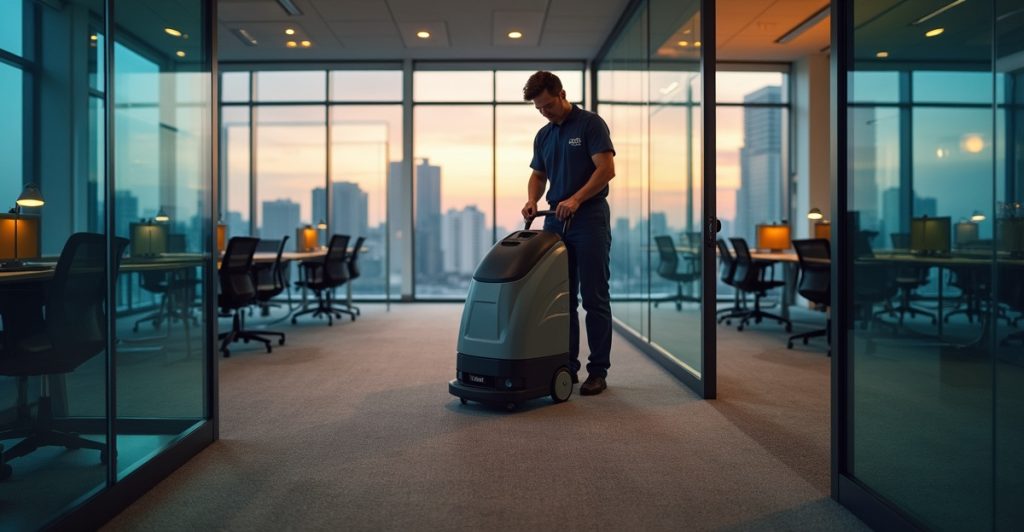
Which Chemical Used for Floor Cleaning?
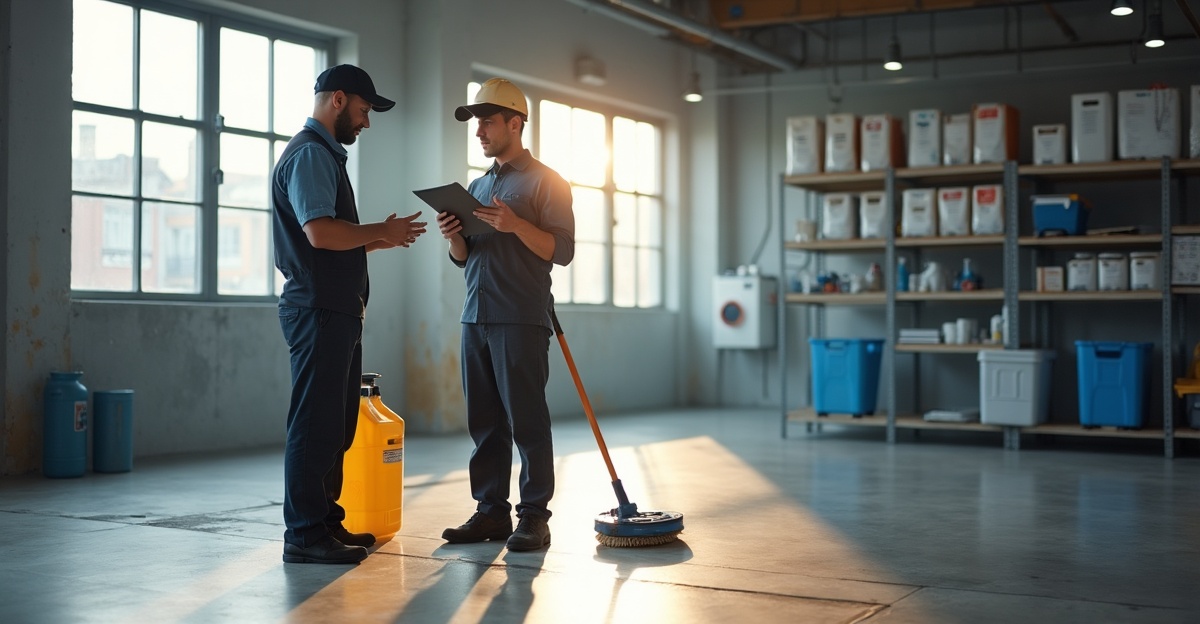
Understanding which chemical we use for floor cleaning in a commercial facility depends on floor type, traffic levels, contamination risks, and compliance requirements. No single product works for every setting. If we choose the wrong chemical, we can damage surfaces, increase slip risks, and trigger audit or warranty issues.
Key Takeaways
- No universal floor cleaning chemical exists; we must match the product to the floor material, contamination level, and operational risk.
- Neutral detergents, degreasers, disinfectants, alkaline cleaners, and specialty products each play a defined role in a structured maintenance program.
- Incorrect chemical use leads to surface damage, slip hazards, compliance failures, and higher long-term costs.
- Safety Data Sheets, correct dilution ratios, and proper staff training protect compliance and reduce risk.
- Professional assessment and regular review help us protect assets, improve safety outcomes, and maintain operational efficiency.
There Is No Single “Chemical Used for Floor Cleaning” in Commercial Settings
There is no single answer to which chemical used for floor cleaning applies in a commercial facility. The correct product always depends on the floor material, environment, traffic level, contamination type, and regulatory requirements.
Facility managers often ask which chemical is used for floor cleaning as if there is one standard solution. In practice, the chemical used for floor cleaning is a risk-management decision. It affects asset lifespan, safety outcomes, audit results, and long-term costs.
The idea that “one product fits all” creates problems. Using the same solution across vinyl, stone, timber, and industrial epoxy can cause surface damage, void warranties, and increase slip incidents. It can also lead to compliance failures in regulated sectors such as healthcare and food service.
Across Brisbane and the Gold Coast, managers face inspections, complaints, slip claims, and tight budgets. Chemical selection must support these operational realities. Getting it right reduces rework, extends floor life, and improves safety performance.
Main Categories of Chemicals Used in Professional Floor Cleaning
Different environments require different chemical classes. Each has a specific role within a structured floor care program.
Core Chemical Types and Their Applications
Below are the main categories used in professional floor programs:
- Neutral pH detergents
Used for daily maintenance in offices, corporate spaces, and low-risk areas. They remove light soil without stripping protective finishes. Suitable for vinyl, sealed hardwood, laminate, and polished concrete during routine cycles. - Degreasers
Essential in kitchens, food production areas, workshops, and heavy-use facilities. They break down fats and oils that neutral cleaners cannot remove. In food-service settings, they support grease control and reduce slip risks. - Disinfectants
Required in healthcare facilities, childcare centres, and high-touch sites. They must meet hygiene standards and achieve required contact times. Disinfectants support cleaning but never replace soil removal. Effective infection prevention depends on proper cleaning first, as outlined in cleaning and infection prevention guidance. - Heavy-duty alkaline cleaners
Used for periodic restoration and deep cleaning in high-traffic zones. They remove embedded grime and build-up. These products must be controlled carefully to avoid finish degradation. - Specialty stone cleaners
Formulated for marble, terrazzo, limestone, and similar surfaces. They prevent etching and chemical reactions triggered by acidic or incompatible products. - Timber-safe cleaners
Developed for hardwood and engineered timber floors. They protect coatings and limit moisture exposure that can cause swelling or finish breakdown.
Product selection should always link back to floor conditions and the site’s risk profile. In structured commercial floor cleaning services, chemicals form part of a broader maintenance plan.
How Floor Type and Environment Determine Chemical Selection
Floor chemistry starts with material compatibility. Vinyl, sealed concrete, epoxy, terrazzo, natural stone, and hardwood each react differently to pH levels and solvent strength. Using the wrong chemical used for floor cleaning can permanently damage coatings or substrates.
Traffic intensity also matters. High-traffic retail corridors and government buildings accumulate heavy soil quickly. They require scheduled deep cleaning cycles supported by appropriate chemistry. A low-traffic office suite may rely primarily on neutral cleaners with periodic treatment.
Contamination type further influences product selection. Grease demands degreasers. Biological matter may require disinfectant support. Fine dust calls for effective removal without residue. Chemical residues in industrial settings often require targeted solutions integrated into industrial cleaning programs.
Industry standards raise the stakes. Healthcare settings require documented disinfectant protocols aligned with hygiene requirements, including processes described in infection control cleaning. Food-service sites must meet strict cleanliness and grease control expectations.
Incorrect product selection can void flooring warranties and shorten asset lifespan through coating failure or surface etching. Over time, this drives higher capital replacement costs and unplanned downtime.
Safety, Compliance and Risk Management Considerations
Every chemical used on site must have an accessible Safety Data Sheet (SDS). This is a fundamental compliance requirement in Australian workplaces. Documentation protects cleaning staff and facility operators.
Dilution ratios are equally important. Over-concentration may damage surfaces and increase slip risk due to residue. Under-dilution reduces cleaning effectiveness and leads to re-soiling. Controlled dispensing systems reduce human error and chemical waste.
Chemical storage and disposal require structured processes. Segregation of incompatible products prevents dangerous reactions. Spill response procedures must be clear and practiced. Environmental management also matters, particularly where runoff could affect surrounding areas.
Workplace safety expectations in healthcare and food-service sectors are strict. Chemicals should never be mixed casually. Staff must receive training on handling, dilution, and emergency response. In high-traffic zones, chemical choice and application methods must align with slip-prevention planning, as outlined in cleaning safety in high-traffic areas.
Risk management should drive chemical selection at every stage.
Risks of Incorrect Chemical Use in Commercial Facilities
Surface damage is the most visible consequence of incorrect product selection. Stone can etch. Protective coatings can strip. Timber may absorb excess moisture and swell. Vinyl can turn dull from repeated misuse of harsh alkalines.
Slip hazards also increase when chemicals are misapplied. Residue left on the surface creates a film that reduces traction. Poor rinsing compounds the issue.
Other warning signs include:
- Sticky surfaces that attract dirt quickly
- Persistent strong odours caused by leftover residue
- Increased cleaning frequency due to rapid re-soiling
- Staff complaints about irritation or chemical exposure
Regulatory non-compliance poses a serious operational risk. Audit findings can affect reputation and contractual standings. In food and healthcare settings, these findings can escalate quickly.
Poor chemical management often leads to higher long-term costs than structured and appropriate selection.
How Professional Cleaners Assess and Select the Right Floor Chemicals
Professional assessment begins with identifying floor type, finish condition, traffic load, and historical maintenance methods. Contamination risks are then evaluated across office, medical, retail, or industrial environments.
A formal risk review follows. This considers compliance requirements, slip prevention, surface warranty conditions, and operational hours. The chemical used for floor cleaning must support all of these variables.
Ongoing monitoring is critical. Floors change over time. Traffic patterns shift. Tenancy use can alter contamination levels. Chemical programs must adapt accordingly.
When reviewing a cleaning provider, consider the following:
- Can they clearly explain which chemical is used for floor cleaning in each area and why?
- Do they provide access to current SDS documentation?
- Are dilution systems controlled and recorded?
- Are cleaning methods aligned with flooring warranties and industry standards?
Clear answers demonstrate structure and accountability. Generic responses often signal a “one product fits all” approach.
In structured janitorial services, chemical oversight forms part of consistent service delivery. It links daily maintenance to risk control and asset protection.
Chemical selection should never be random or convenient. It must be deliberate, documented, and regularly reviewed. That discipline supports safe environments, compliant operations, and long-term floor performance across every commercial facility.