
Why Medical Cleaning Requires Specialised Training
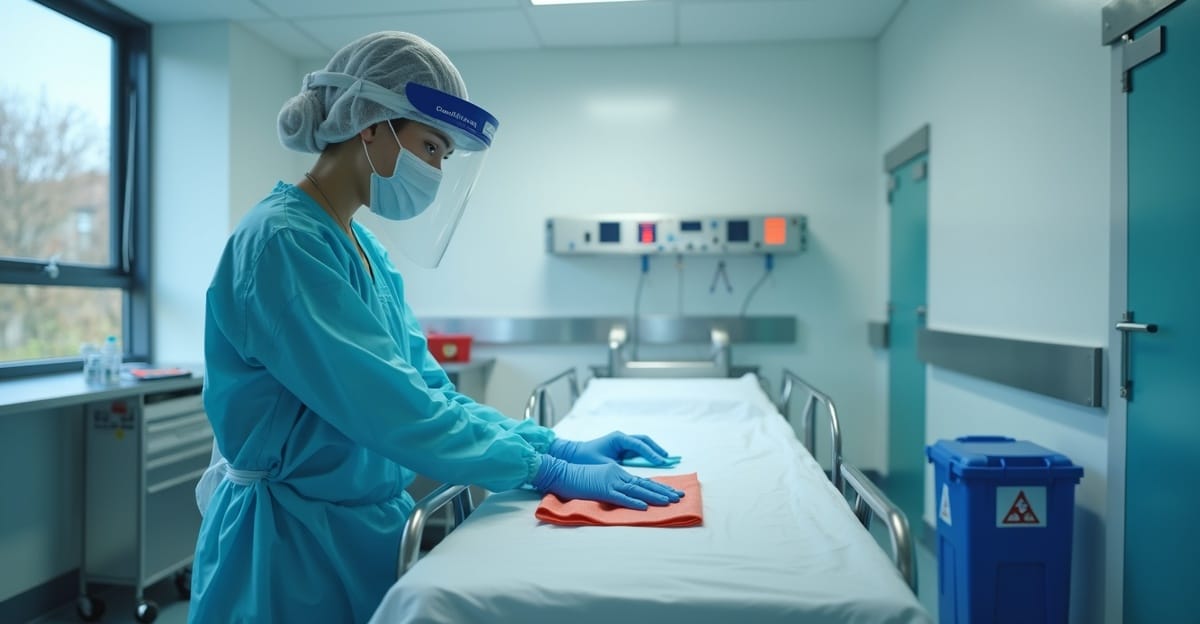
Medical environments operate under strict infection control and compliance requirements. We train our specialised medical cleaning teams to go far beyond standard commercial practices. Our work directly supports patient safety, audit readiness, biohazard management, and healthcare cleaning compliance Queensland standards. Errors create cross-contamination risks, regulatory breaches, and operational disruption, so we refuse to leave room for shortcuts.
Key Takeaways
- Medical cleaning centres on infection control, risk reduction, and compliance instead of general appearance.
- Structured training covers cross-contamination prevention, zoning systems, chemical control, and documented task verification.
- Proper PPE use, safe sharps handling, and biohazard cleaning procedures lower injury risk and limit legal exposure.
- Hospital-grade disinfectants, correct dwell times, and strict equipment segregation drive effective clinical disinfection.
- Audit-ready records, supervisor sign-offs, and quality assurance frameworks shield facilities from compliance failures and reputational harm.
When Cleaning Standards Fail, Patient Safety and Compliance Are at Risk
Healthcare facilities operate in high-risk environments where infection exposure, regulatory oversight, and patient vulnerability intersect. Standard office cleaning methods do not meet these demands. The gap between medical cleaning vs commercial cleaning becomes clear the moment clinical risk is introduced.
In GP clinics, dental practices, day surgeries, specialist centres, and allied health facilities across Brisbane and the Gold Coast, cleaning directly supports patient safety. Without healthcare cleaning compliance Queensland standards in place, cross-contamination between treatment rooms can occur. So can incorrect biohazard disposal, misuse of chemicals, and incomplete disinfection of high-touch clinical surfaces.
Operational consequences escalate quickly. Treatment rooms may be contaminated from shared equipment. Staff can face WHS breaches. Patient complaints increase if visible hygiene standards fall short. Accreditation processes stall when documentation is incomplete. In serious cases, insurance exposure expands due to poor cleaning records or untrained personnel.
Decision-makers also carry pressure around healthcare audit readiness cleaning. Audits require documented evidence of cleaning schedules, chemical use, and incident reporting. Cleaning contractors must provide more than surface-level service. Facilities need clear task logs, verified procedures, and properly vetted staff. Without these controls, reputational damage and regulatory attention follow.
Cross-contamination prevention healthcare practices are not optional safeguards. They are core operational requirements. Specialised medical cleaning staff directly influence safety outcomes and business continuity. In clinical settings, cleaning is a controlled process tied to risk management, compliance standards, and patient trust.
What Sets Specialised Medical Cleaning Staff Apart from General Commercial Cleaners
Specialised medical cleaning staff are trained in infection control cleaning procedures, biohazard cleaning protocols, and the clinical cleaning requirements Brisbane healthcare facilities must follow. Their work aligns with documented medical cleaning standards rather than general presentation-focused cleaning.
Commercial cleaning focuses on visible surfaces, common areas, and standard hygiene maintenance. Medical facility cleaning services operate under risk-based frameworks. Each task connects to infection control principles. The objective shifts from appearance to contamination control and regulatory compliance.
Understanding medical cleaning standards clarifies the difference. Clinical areas require structured workflows, approved disinfectants, and documented verification processes. Administrative offices within healthcare buildings may follow simpler routines. Treatment areas cannot.
Specialised medical cleaning staff demonstrate competencies that go beyond basic cleaning tasks. These include:
- Identifying high-touch points in treatment rooms, waiting areas, reception desks, and clinical equipment surrounds
- Applying room zoning techniques to prevent contaminant transfer between clean and contaminated zones
- Following documented cleaning procedures with task sign-off and supervisor verification
- Completing incident reporting for spills, exposure events, or irregular waste findings
Training, supervision, and accountability are consistent. Performance is monitored. Procedures are recorded. This structured approach is fundamental to maintaining compliance in healthcare environments.
Infection Control Training and Cross-Contamination Prevention in Clinical Settings
Effective infection control cleaning procedures rely on structured methodology. Cleaning frequency is determined by risk level. A high-traffic waiting room follows a different schedule from a procedure room or sterilisation area.
Core principles include risk-based cleaning frequencies, targeted high-touch surface disinfection, and the use of correct chemical dilution ratios. Manufacturer-specified dwell times must be observed. Surfaces must remain visibly wet for the required period to ensure efficacy. Rushing this process undermines disinfection outcomes.
Workflow matters just as much as chemicals. Cleaning should move from least contaminated areas to most contaminated areas. This sequence reduces bacterial spread and strengthens cross-contamination prevention healthcare strategies.
Colour-coded systems and equipment segregation are central to the clinical cleaning requirements Brisbane facilities depend on. Dedicated cloths and mops are assigned to treatment rooms, bathrooms, and common areas. Equipment does not move between zones without proper decontamination.
We often see problems when basic controls are not enforced. A single mop used across multiple treatment rooms can transfer pathogens from one patient environment to another. The same applies to reusable cloths without correct laundering protocols. Minor oversights create real clinical risk.
Documentation supports healthcare audit readiness cleaning. Cleaning logs record room completion times, chemicals used, and staff responsible. Supervisors verify compliance. If auditors request proof of cleaning in a specific area, records must be available immediately. This links directly to infection control cleaning procedures and how they are practically implemented within healthcare facilities.
PPE Protocols, Sharps Handling, and Biohazard Cleaning Protocols
PPE protocols medical cleaning teams follow are structured and mandatory. Gloves, gowns, masks, and eye protection are selected based on task risk. Staff receive training in correct donning and doffing procedures to prevent self-contamination.
Improper removal of gloves or gowns can expose workers to contaminants. Incorrect disposal methods increase infection risk. Training ensures protective equipment functions as intended rather than becoming another contamination pathway.
Sharps handling presents additional risk. Specialised medical cleaning staff understand safe interaction with sharps containers. They avoid manual handling of needles or exposed instruments. If a container is damaged or overfilled, staff follow incident procedures rather than improvising solutions. All handling aligns with WHS requirements and healthcare cleaning compliance Queensland expectations.
Biohazard cleaning protocols are structured and controlled. They typically include:
- Immediate isolation of contaminated areas
- Containment of spills using approved absorbent and disinfectant agents
- Safe disposal of contaminated materials via regulated waste pathways
- Incident documentation and escalation to facility management
Improper handling increases the chance of staff injury, exposure to bloodborne pathogens, and regulatory penalties. It also creates significant legal liability for facility operators. Strict adherence to biohazard cleaning protocols protects staff, patients, and the organisation itself.
For facilities that require dedicated clinical standards, our approach reflects the structured processes outlined in our healthcare cleaning services, which align with medical-grade risk controls.
Approved Chemicals, Equipment Control, and Quality Assurance Systems
Hospital-grade disinfectants approved for clinical use form the backbone of medical facility cleaning services. These products must match the surface type and contamination risk. Substituting general-purpose cleaners for disinfectants compromises outcomes.
Chemical control sits at the centre of compliance. Correct storage prevents cross-reaction and degradation. Clear labelling avoids misuse. Safety Data Sheets must remain accessible onsite. Dilution must follow manufacturer instructions exactly. Staff must understand and apply specified dwell times every time.
Equipment segregation mirrors zoning principles. Dedicated tools serve clinical treatment rooms. Separate equipment handles administrative offices and public areas. Tools are cleaned and stored in designated areas to prevent cross-contamination.
Medical cleaning standards also require documented cleaning procedures and current staff training records. Quality inspections verify work completion. Supervisors conduct periodic audits and sign-offs. Corrective actions are recorded and tracked.
These systems support healthcare audit readiness cleaning. Procurement teams expect consistent service delivery, minimal operational disruption, and verifiable compliance evidence. Well-documented processes make contract oversight straightforward. Facilities reduce operational risk by choosing providers with structured quality assurance controls aligned with workplace hygiene laws.
How to Assess Whether Your Cleaning Provider Meets Medical-Grade Standards
Facility managers across Brisbane and Queensland operate under contract cycles, expansion plans, and limited internal resources for contractor oversight. A structured review process simplifies risk analysis.
The following checkpoints clarify whether cleaning services align with clinical expectations:
- Are specialised medical cleaning staff formally trained in infection control cleaning procedures?
- Are biohazard cleaning protocols documented, accessible, and periodically tested?
- Are PPE protocols medical cleaning specific and consistently enforced onsite?
- Is clear documentation available for audit review and incident reporting?
- Do cleaning schedules align with clinical risk zones rather than generic building areas?
- Is there verified insurance coverage, staff vetting, and evidence of healthcare cleaning compliance Queensland standards?
These questions highlight the difference between standard cleaning contracts and medical-grade partnerships. Clinical cleaning requirements Brisbane facilities must meet are practical, measurable, and documented.
We support medical practices, day surgeries, dental clinics, and allied health providers through structured medical facility cleaning services backed by trained staff and verified procedures. Risk reduction starts with reviewing existing protocols. Facilities can conduct an internal compliance review or request a confidential site assessment through our cleaning service consultation process to identify potential gaps before audits or incidents occur.
Consistent standards protect patients, staff, and operational continuity. Specialised medical cleaning staff form an essential part of that protection system.
Frequently Asked Questions
Specialised medical cleaning staff should complete formal infection control training and understand healthcare compliance standards. This includes instruction in cross-contamination prevention, biohazard response, chemical handling, and PPE protocols. Many facilities also require WHS certification and documented competency assessments. Ongoing refresher training ensures cleaners stay aligned with updated healthcare regulations and audit requirements.
Training for specialised medical cleaning staff focuses on infection prevention rather than appearance-based cleaning. It covers zoning systems, hospital-grade disinfectants, dwell times, sharps safety, and compliance documentation. Commercial cleaning training typically addresses general hygiene and surface maintenance. In healthcare settings, cleaners must follow structured procedures linked directly to patient safety and regulatory standards.
Documentation provides proof that cleaning tasks were completed according to healthcare standards. Specialised medical cleaning staff record schedules, chemicals used, and task verification to support audit readiness. These records protect facilities during inspections and reduce legal risk. Without documented evidence, even properly completed cleaning work may fail compliance reviews.
Specialised medical cleaning staff use colour-coded systems, equipment segregation, and risk-based workflows to prevent cross-contamination. Cleaning progresses from low-risk to high-risk areas to limit pathogen spread. Dedicated tools are assigned to treatment rooms and bathrooms, and disinfectants are applied using correct dilution and dwell times to ensure effective surface decontamination.
A healthcare facility should hire specialised medical cleaning staff whenever clinical treatments, invasive procedures, or biohazard risks are present. GP clinics, dental surgeries, day hospitals, and allied health centres all require medical-grade cleaning protocols. Engaging trained professionals helps maintain infection control standards, regulatory compliance, and consistent audit readiness.