
What Are the Risks of In-House Cleaning Teams?
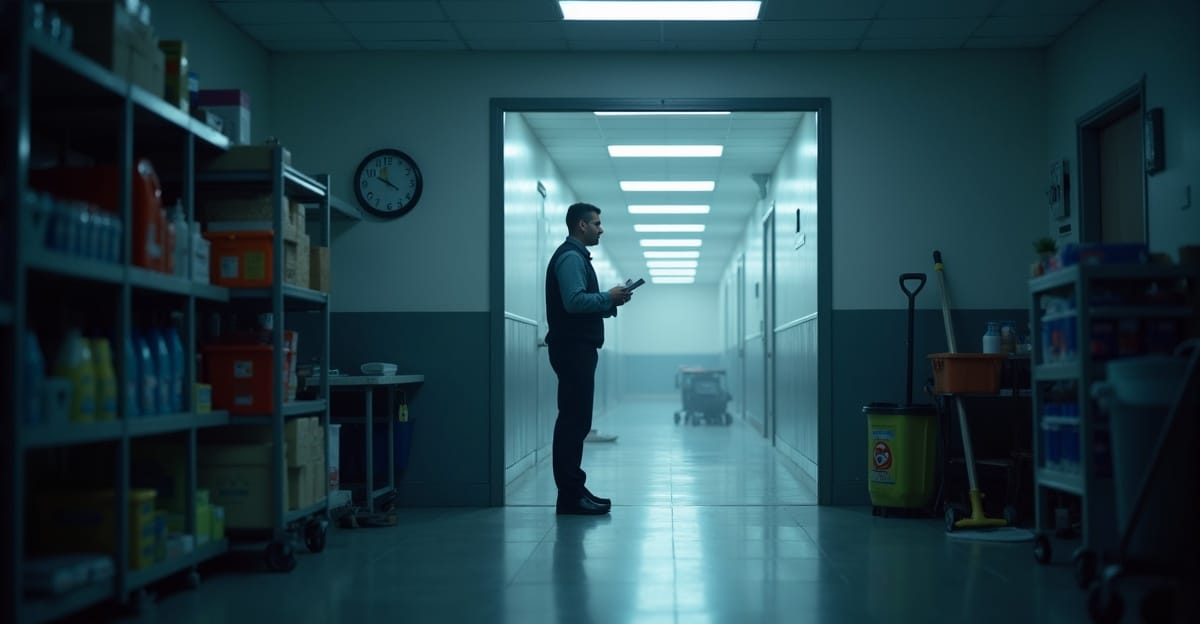
Managing cleaning internally appears simple at first glance, but internal cleaning teams create serious risks as staffing gaps, compliance pressure, and multi-site demands strain operations. We often see workforce turnover, documentation gaps, hidden employment costs, and liability exposure undermine performance. Without firm oversight, in-house models struggle to maintain consistent hygiene, safety compliance, and financial control.
Key Takeaways
- Staffing turnover and short-notice absences disrupt cleaning schedules, reduce standards, and push teams into reactive maintenance instead of planned routines.
- Commercial cleaning compliance risks, WHS obligations, and workplace hygiene documentation remain fully our responsibility when we manage services internally.
- The true cost of in-house cleaning teams includes wages, on-costs, equipment, consumables, administration, supervision, and workers compensation exposure.
- Quality control challenges grow quickly without structured inspections, measurable KPIs, and consistent frameworks across each site.
- Liability for injuries, chemical handling incidents, and property damage stays with us, increasing administrative workload and insurance pressure.
Do not modify or enhance the wording; the text must remain identical except for the HTML markup. Do not convert the first sentence or introductory text into a heading — it must remain a normal paragraph (<p>).
Operational Disruptions and Staffing Reliability Risks
The risks of internal cleaning teams often begin with staffing reliability. Cleaning staff turnover risks can create immediate service gaps, especially during sick leave, annual leave, or unexpected resignations.
An in-house model requires active internal cleaning staff management. Recruitment, background checks, onboarding, payroll, and ongoing performance oversight all sit with the organisation. This can work well in stable environments, but the pressure increases quickly when team members are unavailable.
Short-notice absences frequently leave facilities understaffed. Tasks get skipped. Cleaning frequencies drop. Teams move into reactive mode rather than preventative cleaning. Over time, this impacts presentation standards and increases broader facility maintenance risk management concerns.
Multi-site facilities across Brisbane and the Gold Coast face added pressure. Without a structured relief staffing pool, maintaining consistent standards across locations becomes difficult. Operational leaders often divert management time to filling shifts, handling complaints, or negotiating overtime.
Some organisations retain internal teams for greater control or cultural alignment. That approach can support internal values, but it increases dependency on workforce continuity. When turnover rises, cleaning quality control challenges follow closely behind.
Compliance, WHS, and Regulatory Exposure
Commercial cleaning compliance risks rise significantly when teams are managed internally. Safe Work Australia WHS obligations, chemical storage regulations, PPE standards, and documented training requirements must all be maintained and regularly reviewed.
Workplace hygiene compliance Brisbane considerations are especially relevant in medical facilities, government buildings, and high-traffic commercial offices. Any lapse in documentation or procedure can expose the organisation to audit failures, penalties, or reputational pressure.
Chemical handling compliance risks include incorrect dilution ratios, unsafe storage, and lack of accessible Safety Data Sheets (SDS). Food preparation areas, clinical rooms, and shared amenities require strict hygiene protocols. Gaps increase infection risk and widen facility cleaning liability.
When cleaning is managed internally, compliance accountability remains fully with the organisation. There is no external safety framework to rely on. Leaders must ensure structured documentation systems are in place and regularly reviewed. For many facilities, guidance on maintaining workplace hygiene laws becomes essential to avoid preventable exposure.
Facility maintenance risk management must include clear training records, chemical registers, incident reporting systems, and ongoing WHS reviews. Without these controls, even small oversights can escalate into formal compliance issues.
Financial Pressures and the True Cost of In-House Cleaning Teams
The cost of in-house cleaning teams extends well beyond wages. Superannuation, leave entitlements, workers compensation insurance, payroll tax, uniforms, consumables, and supervision all add to the total expense.
Capital expenditure also rises quickly. Commercial-grade scrubbers, vacuums, and specialty equipment require substantial upfront investment. Ongoing maintenance and replacement costs increase budget pressure. When equipment fails unexpectedly, emergency replacements disrupt financial planning.
Hidden administrative costs often go unrecognised. Internal cleaning staff management includes HR processes, rostering systems, performance reviews, and ongoing training. Overtime payments during staff shortages further increase unpredictability.
Comparing in-house cleaning vs outsourcing requires a full ownership cost review rather than a simple hourly wage comparison. Budget assessments should include:
- Direct wages and employment on-costs
- Equipment purchase and maintenance
- Chemical and consumable supply
- Administrative and supervision time
- Compliance training and documentation systems
- Workers compensation exposure
Without this complete assessment, facility maintenance risk management decisions may rely on incomplete data. Many organisations discover the broader financial picture when reviewing outsourced commercial cleaning benefits, including more predictable service structures and consolidated cost models.
Quality Control and Consistency Challenges Across Sites
Cleaning quality control challenges often emerge where formal inspection systems are absent. Internal teams may rely on informal supervision instead of structured audits or KPI reporting.
This approach makes consistency difficult, particularly across multi-location operations in Brisbane and surrounding metro areas. One site may perform well while another falls behind. Without documented service standards, variability increases.
Complaint-driven management becomes common. Issues are addressed after they arise rather than prevented through active quality assurance. High-traffic environments require method statements and routine performance reviews to maintain presentation and hygiene standards.
The risks of internal cleaning teams become more visible in environments with high stakeholder expectations. Offices, medical facilities, and public sector buildings depend on consistent hygiene. Service variability can affect staff wellbeing, tenant satisfaction, and brand reputation.
Processes such as clear cross-contamination controls are critical in healthcare and shared environments. Structured approaches like those outlined in minimising cross-contamination during cleaning highlight the level of oversight required to maintain clinical and commercial standards.
When comparing in-house cleaning vs outsourcing, leaders should assess whether their internal inspection systems deliver measurable, documented outcomes across every site.
Liability, Insurance, and Risk Transfer Limitations
Facility cleaning liability remains with the organisation when cleaners are directly employed. Injury claims, chemical exposure incidents, and accidental property damage become internal insurance matters.
Workplace incidents can increase workers compensation premiums. They also add administrative workload through investigations, reporting, and claim management. These pressures often fall on operations or HR teams already managing competing priorities.
Commercial cleaning compliance risks compound this exposure. Without structured risk management oversight, preventable hazards may go unidentified. Effective facility maintenance risk management requires ongoing safety audits, documented training programs, and disciplined supervision.
Outsourced commercial cleaning benefits typically include structured insurance coverage, formalised safety systems, and documented training frameworks. Providers that specialise in commercial cleaning services operate with defined procedures that reduce direct liability exposure for facility owners.
Transferring operational risk does not remove accountability. It does, however, shift day-to-day safety management to trained providers with established systems and oversight practices.
When and Why Organisations Reassess Their Cleaning Model
Organisations often reassess their approach after specific triggers. Audit failures, rising complaint volumes, budget pressures, expansion to new facilities, or increased regulatory scrutiny commonly prompt review.
A structured internal risk audit helps clarify exposure areas. This review should examine staffing reliability, compliance documentation, total cost of ownership, quality control systems, and insurance arrangements. Clear analysis strengthens overall facility maintenance risk management.
Some organisations intentionally retain in-house teams for flexibility or direct supervision. That decision should be reviewed periodically against operational priorities and resource capacity. The risks of internal cleaning teams can increase as facilities grow or regulatory expectations tighten.
Many Brisbane and Gold Coast managers conduct side-by-side assessments of in-house cleaning vs outsourcing to benchmark performance and stability. Outsourced commercial cleaning benefits often include relief staffing, standardised training, scalable service models, compliance documentation, and dedicated account management.
Workplace hygiene compliance Brisbane standards continue to demand consistency and documentation. Reviewing current systems ensures standards remain defensible and audit-ready.
For facilities considering their next step, we recommend a practical service review. A structured comparison can clarify cost exposure, compliance readiness, and quality assurance gaps. Managers ready to benchmark their current model can request a confidential assessment or request a service quote to evaluate performance, risk, and long-term sustainability.
Frequently Asked Questions
The most common risks of internal cleaning teams include staffing shortages, inconsistent cleaning standards, compliance gaps, and higher administrative workload. When organisations manage cleaning internally, they are responsible for recruitment, supervision, training, and quality monitoring. If staffing changes or documentation lapses occur, cleaning schedules and hygiene standards can quickly decline, especially across multiple locations.
Internal cleaning teams can create compliance and safety risks because the organisation must manage all workplace health and safety requirements. This includes chemical handling procedures, PPE standards, training records, and safety documentation. Without structured compliance systems and regular reviews, small oversights—such as missing safety data sheets or incorrect chemical storage—can expose facilities to regulatory penalties and workplace safety incidents.
Staffing shortages can significantly disrupt in-house cleaning operations by reducing coverage and forcing teams to prioritise urgent tasks over routine maintenance. When employees take leave or resign unexpectedly, facilities may struggle to maintain cleaning schedules. This often leads to skipped tasks, reduced cleaning frequency, and reactive maintenance rather than preventative hygiene management.
In-house cleaning can be more expensive than outsourcing when all operational costs are considered. Beyond wages, organisations must cover employment on-costs, workers compensation insurance, equipment purchases, consumables, supervision, and administrative management. When these costs are fully calculated, many facilities find that internal cleaning teams create higher long-term financial pressure compared to structured outsourced cleaning services.
A business should reconsider using an internal cleaning team when operational issues begin to increase. Common triggers include rising staff turnover, compliance concerns, inconsistent cleaning quality, expanding facilities, or growing administrative workload. Conducting a structured review of staffing reliability, total cleaning costs, and regulatory responsibilities can help determine whether the current cleaning model remains sustainable.