
What is included in office cleaning?
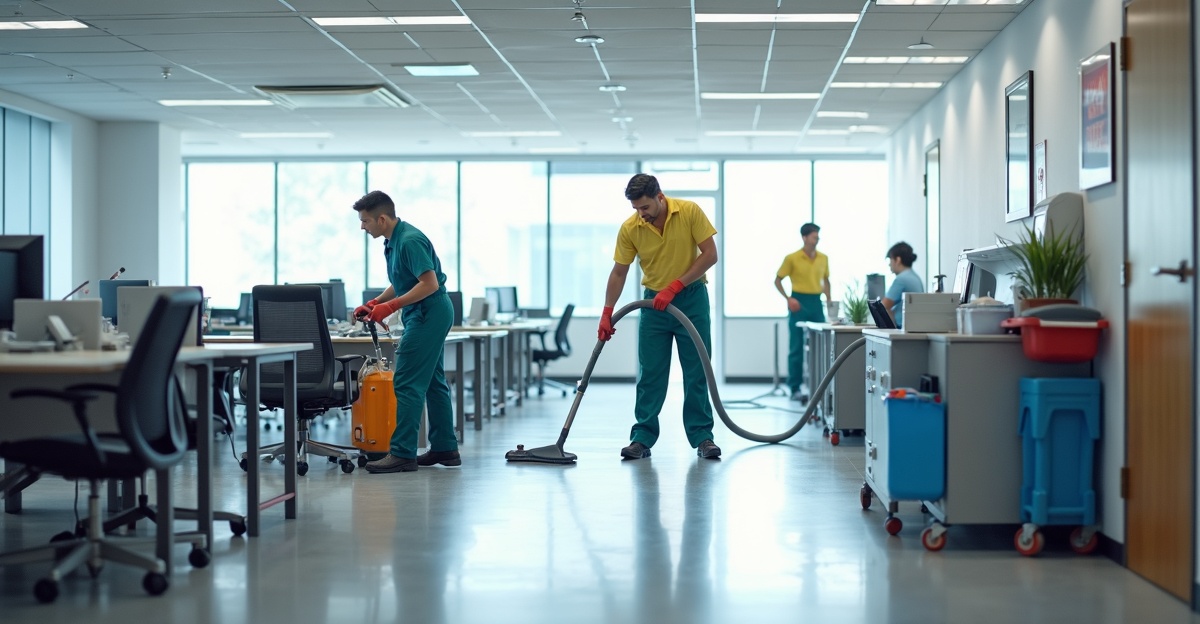
Understanding what’s included in office cleaning means grasping every layer of service—from daily hygiene routines to scheduled deep cleans and sector-specific custom solutions. A structured method keeps spaces not just presentable but clean, safe, and efficient over time.
Key Takeaways
- Daily office cleaning handles necessities like vacuuming, emptying bins, wiping surfaces, disinfecting touchpoints, sanitising restrooms, and cleaning kitchen areas. These tasks keep spaces consistently clean and reduce the spread of germs.
- Scheduled services go further with carpet steam cleaning, polishing hard floors, washing interior windows, and eliminating odours. These help preserve the condition and appearance of office materials.
- Deep cleaning tackles harder-to-reach areas—high fixtures, HVAC components, and upholstered furniture. We schedule it based on usage levels and workplace health risks.
- Facilities in areas like healthcare, government, or commercial offices need specific cleaning strategies. These should align with industry regulations and foot traffic levels.
- A dependable cleaning partner will provide a clear checklist broken down by task type. They’ll adjust services to how the space is used and maintain open communication for full transparency.
Core Daily Office Cleaning Inclusions
Daily cleaning tasks form the foundation of a healthy office environment. These are the essentials that reduce disruption, prevent complaints, and support hygiene compliance. Any reliable office cleaning service should include them as part of standard coverage.
These key tasks support smooth operations and employee wellbeing:
- Vacuuming carpets and floor areas, especially in shared work zones.
- Emptying all waste paper bins and replacing liners.
- Wiping down desks, keyboards, and work surfaces.
- Disinfecting high-touch areas like door handles, switches, and phones.
- Fully sanitising restrooms including toilets, sinks, and mirrors.
- Restocking key consumables such as soap, paper towels, and toilet paper.
- Cleaning kitchen surfaces, cupboard handles, and microwave touchpoints.
We’ll also pay particular attention to high-traffic spaces such as reception areas, shared equipment hubs, and break rooms. Neglecting these quickly leads to unpleasant smells, visible mess, and staff frustration. Clean workspaces matter—both for first impressions and for everyday productivity.
For a more detailed overview, explore what’s typically part of a commercial office cleaning package.
Scheduled and Periodic Cleaning Services
Beyond daily upkeep, periodic or scheduled services handle the buildup of dust, grime, and hidden contaminants. These jobs are usually completed weekly, fortnightly, or monthly depending on usage levels.
These tasks broaden the scope of regular maintenance:
- Dusting vents, blinds, and wall fixtures.
- Mopping and polishing hard floors.
- Steam cleaning or hot water extraction for carpets.
- Deep cleaning of shared kitchen appliances like fridges and microwaves.
- Sanitising bins and removing lingering odours.
- Spot cleaning marks or scuffs from walls or skirting boards.
- Interior window and glass partition cleaning.
Open-plan offices, flexible workstations, and rotating staff create unique cleaning patterns. We adjust periodic service plans to match these dynamics, focusing on areas that accumulate dirt or allergens over time. A consistent commercial cleaning checklist helps reduce long-term wear and maintain a respectable appearance.
Deep Cleaning & Specialist Tasks
Intensive services play a key role in long-term hygiene strategy. They’re not needed weekly or even monthly in every case, but when scheduled correctly, they reset cleanliness standards and help meet internal inspections or audit readiness markers.
Specialist options may include:
- Cleaning ceiling vents and high-level surfaces.
- Sanitising HVAC grilles and diffusers.
- Stripping, sealing, or buffing vinyl and stone floors.
- Upholstery cleaning for office chairs and padded partitions.
- Targeted high-touchpoint disinfection, particularly for offices recovering from illness outbreaks.
We typically suggest deep cleaning on a quarterly cycle for standard offices, or more often in healthcare and high-contact environments. These deeper services boost compliance and address issues that basic wipe-downs can’t resolve. To access full-suite coverage, consider our disinfection and sanitisation services or specialised carpet and upholstery cleaning.
Tailoring Cleaning Based on Facility Type
Not all offices share the same cleaning needs. Facility size, industry regulations, and site-specific activity levels shape how we plan and deliver cleaning services.
Examples by Facility Type
Here’s how cleaning strategies adjust based on sector:
- Medical offices: Require clinic-grade disinfection. We use TGA-listed products, focus on cross-contamination controls, and handle clinical waste safely.
- Government buildings: Emphasise traceable processes with cleaning logs, audit trails, and vetting for all staff involved.
- Corporate HQs: Standards pivot heavily toward aesthetics. Fingerprint-free glass, odour control, and executive-level washroom upkeep are expected.
Each setting comes with unique expectations that go beyond basic hygiene. When reviewing vendors, ask about their experience in your industry. We recommend reviewing this insight into essential commercial cleaning services across sectors.
Janitorial vs. Professional Commercial Cleaning: Know the Difference
It’s a common mistake to assume that any cleaner covering surfaces and bins is delivering full service. There’s a clear difference between routine janitorial work and complete commercial cleaning.
Janitorial services usually focus on the following:
- Surface-level tidying.
- Basic bin emptying.
- Restroom top-ups and surface wipes.
Professional commercial cleaning goes further. We work under a structured checklist that covers disinfection protocols, scheduled deep cleans, and compliance with hygiene codes. Cleaning teams receive safety training, site-specific induction, and use approved tools and methods. More importantly, there’s built-in accountability—routine inspections and client reporting come standard.
If you’re unsure which type of service you’re getting, this resource outlining why commercial cleaning matters can help pinpoint the gaps.
How to Confidently Evaluate Cleaning Providers
Choosing the right provider starts with knowing the right questions to ask. Whether you’re reassessing a current contract or comparing proposals, decision-makers should focus on practical service markers and transparent communication.
To evaluate office cleaning inclusions and coverage, ask for:
- A full cleaning checklist segmented by daily, weekly, and monthly services.
- Specifics on frequency, including how they adapt to peak usage periods.
- Procedures for handling consumables—do staff notify, order, or restock directly?
- Disinfection methods for high-touchpoints.
- Qualifications or accreditations (such as Safe Work Australia standards).
- Flexibility for urgent site needs or unexpected events.
Also confirm accountability steps: Do they provide on-site supervision? Are checklists signed off? Is feedback reviewed weekly or monthly?
Aligning your cleaning partner to business outcomes—cleaner spaces, healthier teams, and reliable service—starts with clear expectations. If you’re reviewing current coverage, check against this commercial cleaning contract guide.
For routine and specialised cleaning backed by experience, our general commercial cleaning services offer structured plans that scale across industries. You can request a walkthrough or get a quote when you’re ready.