What Is the Role of a Cleaning Site Supervisor?

Cleaning supervisor responsibilities define how we maintain cleaning standards, compliance, and daily performance across commercial facilities. In medium to large environments, we rely on a cleaning site supervisor to coordinate staff, enforce quality control systems, manage inspections, oversee WHS requirements, and provide clear reporting that supports audit-ready, consistent results.
Key Takeaways
- Cleaning site supervisors provide structure through staff coordination, task allocation, and coverage management to maintain consistent service delivery.
- We implement documented quality control processes, including standardised inspections and corrective action tracking, to keep standards high.
- Supervisors manage compliance obligations such as WHS documentation, PPE enforcement, incident reporting, and safety monitoring to reduce risk.
- Structured inspections and performance reports create measurable KPIs and reduce complaints through proactive issue resolution.
- Clear communication with facility managers strengthens accountability, supports contract reviews, and reduces operational pressure.
How Effective Supervision Directly Impacts Quality, Compliance and Consistency
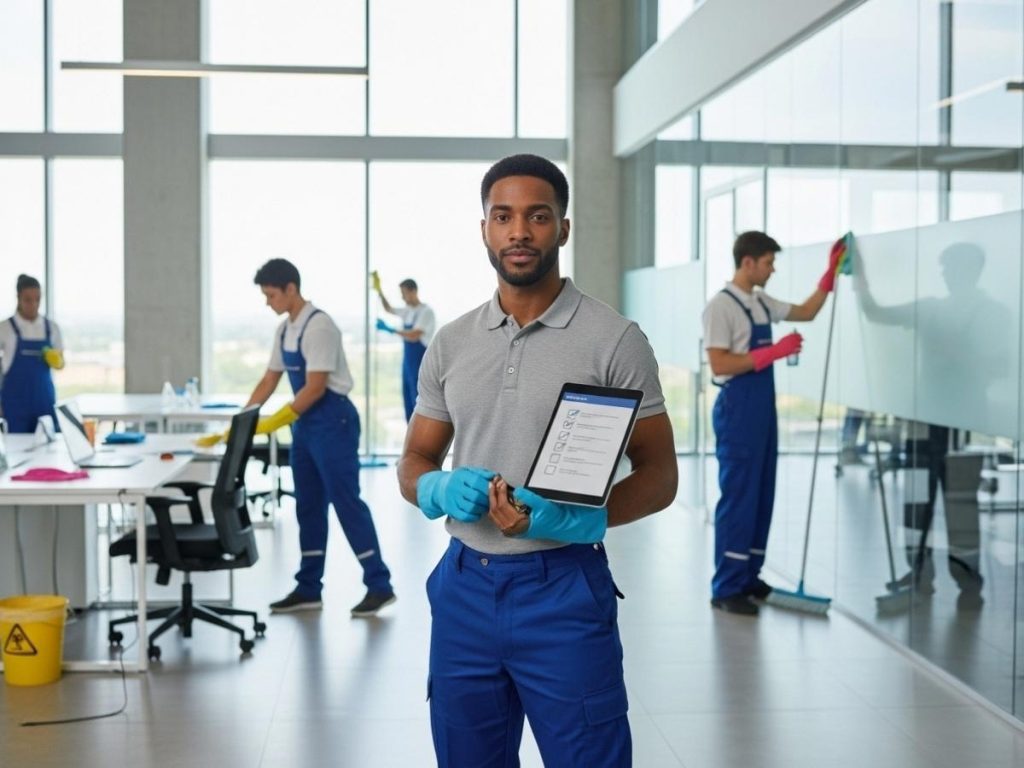
Cleaning supervisor responsibilities in commercial environments go well beyond basic oversight. They directly shape cleaning quality, compliance with workplace health and safety expectations, and day-to-day service consistency.
In medium to large facilities such as offices, medical centres, government buildings, and multi-site premises, structured supervision prevents inconsistent cleaning, missed tasks, compliance risks, and poor communication. Without it, even strong cleaning teams can struggle to maintain standards under pressure.
A commercial cleaning supervisor plays a central role in achieving audit-ready cleaning services. Strong supervision strengthens cleaning service accountability, supports facility cleaning standards, and ensures commercial cleaning quality control systems are applied consistently rather than informally.
Facility and operations managers want predictable outcomes. Effective supervision delivers:
- Fewer service disruptions
- Reduced complaints
- Clear documentation and records
- Measurable KPIs
- Safer work environments
These outcomes protect brand reputation and reduce operational stress. Over time, consistent supervision becomes the foundation for long-term reliability.
Core Cleaning Supervisor Responsibilities in Commercial Facilities
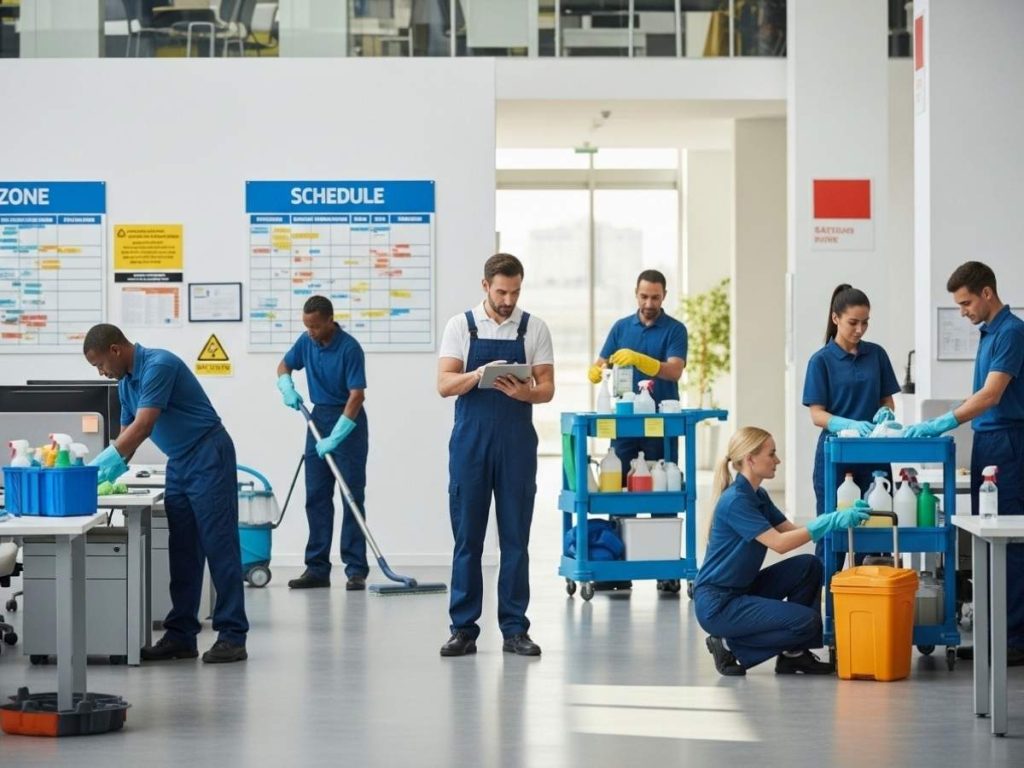
Cleaning supervisor responsibilities begin with structure. Supervisors create order across people, processes, and expectations so standards remain consistent every shift.
Cleaning Staff Management and Site Coordination
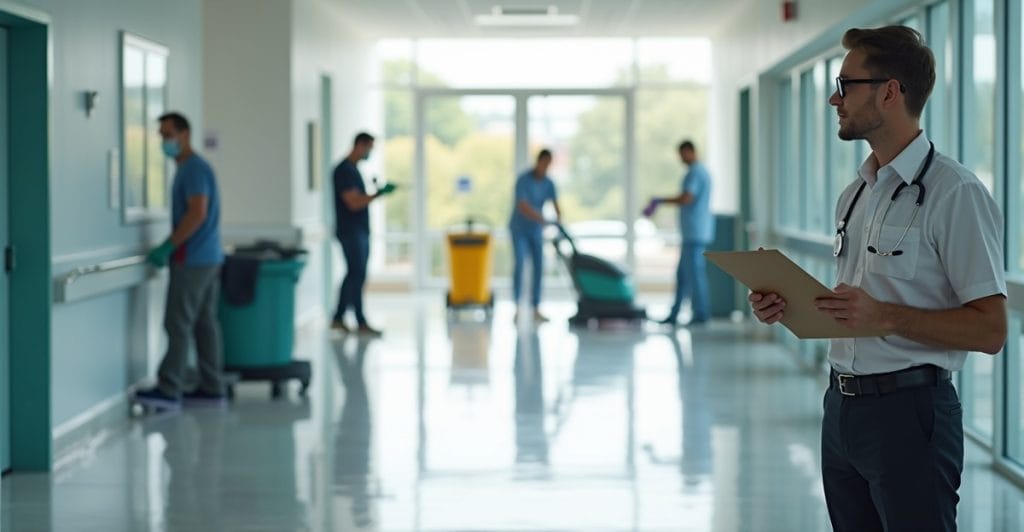
Strong cleaning staff management ensures correct staffing levels, reliable shift coverage, and smooth leave coordination. In multi-site operations, this prevents coverage gaps that lead to rushed or incomplete work.
Site supervisor cleaning duties typically include:
- Allocating daily and weekly task schedules
- Managing checklists aligned with facility cleaning standards
- Supporting cleaners during operational peaks
- Coordinating temporary or relief staff
- Escalating issues when required
These actions protect continuity. When supervisors actively monitor workflow, they can correct issues in real time and reinforce standards before small problems become complaints.
Structured onboarding is also essential. Training must align with site requirements, safe chemical handling protocols, equipment use, and any client-specific expectations. This ensures new or temporary staff integrate smoothly without lowering overall performance.
Clear task allocation and documented processes support cleaning consistency in commercial environments. Consistency builds trust with facility managers and reduces avoidable service breakdowns.
Applying Structured Quality Control Processes
A commercial cleaning supervisor should never rely on casual “spot checks.” Effective commercial cleaning quality control requires documented methods and repeatable systems.
Supervisors must:
- Implement standardised inspection checklists
- Monitor task completion rates
- Verify presentation standards
- Record and follow up on corrective actions
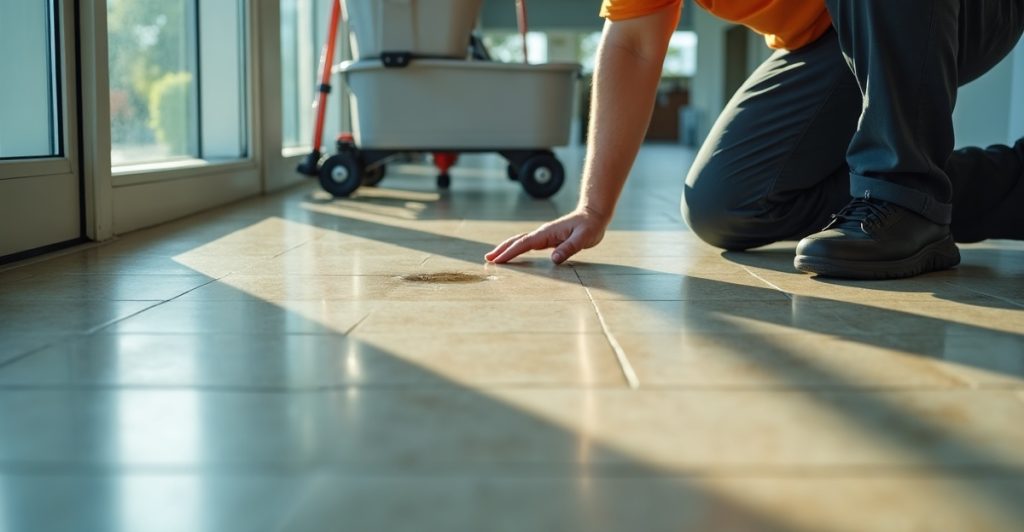
This structured oversight transforms cleaning from reactive work into a measurable service process. In high-risk areas, supervisors also reinforce procedures aligned with cleaning safety in high-traffic areas to reduce hazards and protect staff and visitors.
When supervision is proactive, service disruptions decrease. Complaints become less frequent because standards are maintained before issues escalate.
Quality Control, Inspections and Performance Reporting
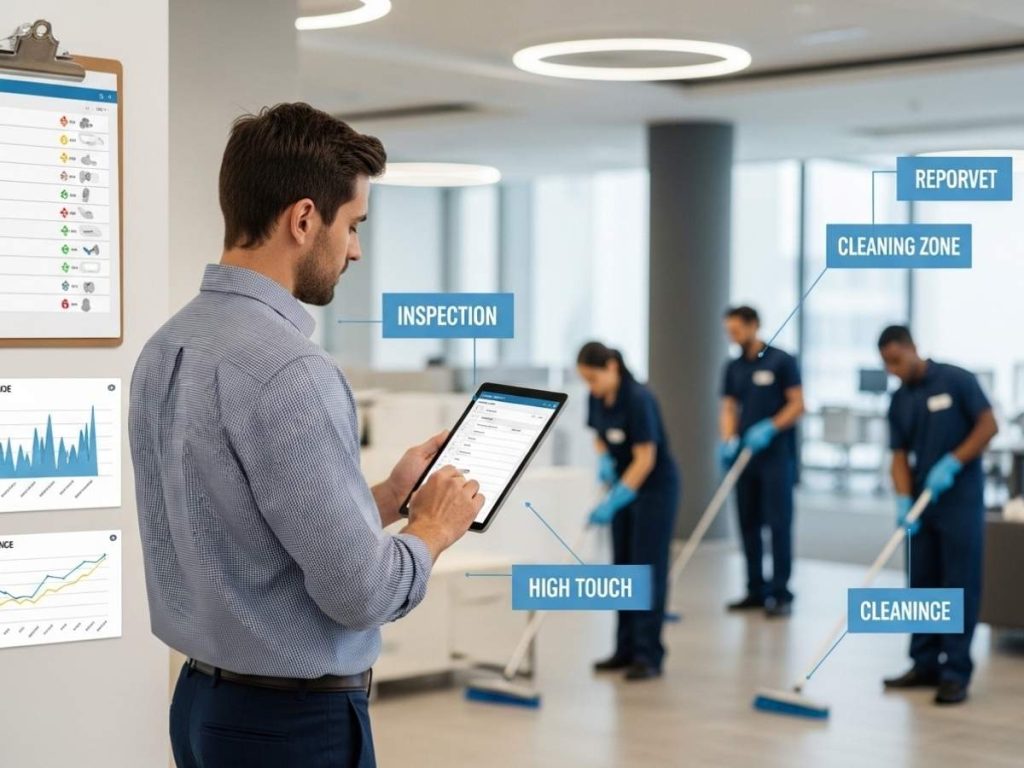
Clear inspection systems define professional supervision. Commercial cleaning inspections must be scheduled, documented, and tailored to the specific facility.
Supervisors conduct inspections across offices, medical facilities, government buildings, and multi-tenant sites using customised checklists. These inspections assess:
- Task completion
- Cleanliness standards
- Hygiene compliance
- Presentation outcomes
Commercial cleaning quality control systems convert these observations into data. Cleaning performance reporting tracks recurring issues, response times, and corrective actions. Patterns become visible, and trends can be addressed before they affect the wider operation.
Documented inspection records are essential for audit-ready cleaning services. They support contract reviews and demonstrate performance transparency. Facility managers can see evidence of service delivery rather than relying on verbal confirmation.
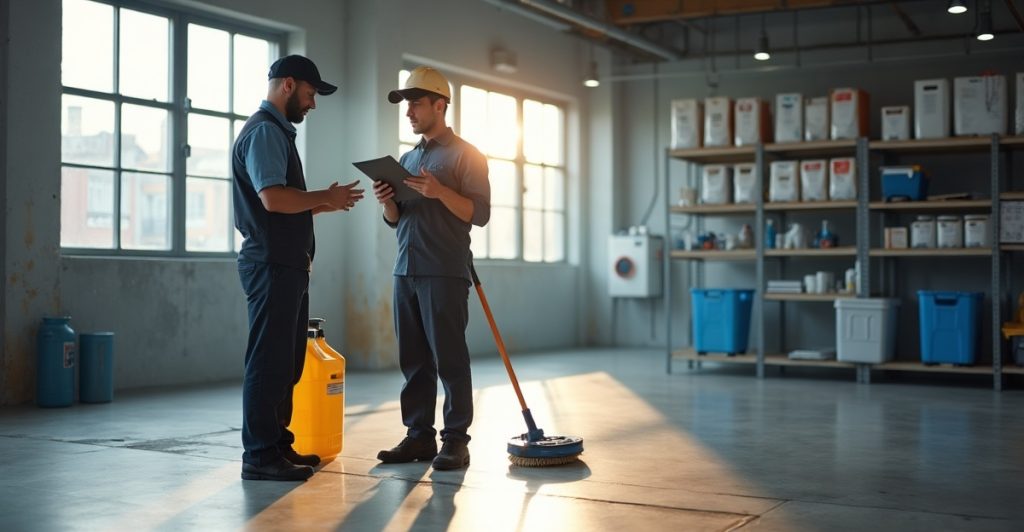
Structured feedback loops also matter. Supervisors must create clear communication channels between cleaners and facility managers. When expectations shift, the cleaning plan adjusts quickly. When issues arise, they are documented and resolved with defined follow-up.
Clear escalation processes strengthen accountability. Each performance gap should result in corrective action, documented review, and verification that standards have been restored.
Managers looking to reduce service complaints often benefit from aligning supervision processes with proven complaint-reduction strategies, such as those outlined in better cleaning practices.
Compliance, WHS and Risk Management Oversight
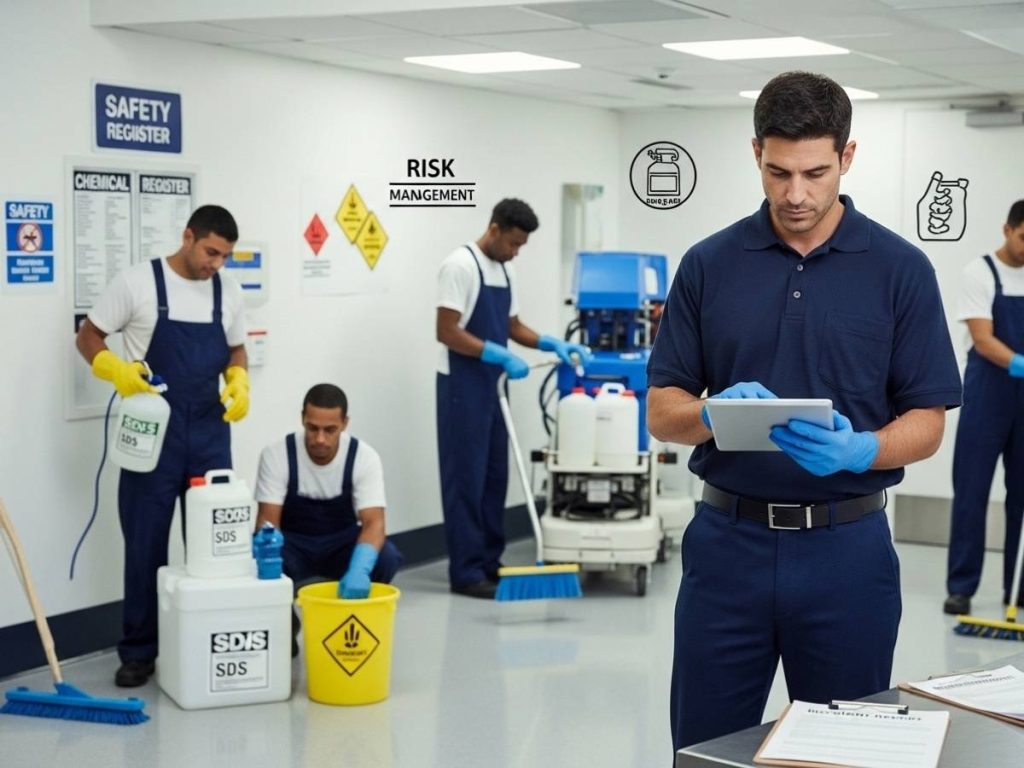
Cleaning compliance and WHS oversight form a core part of cleaning supervisor responsibilities. Supervisors help ensure workplace expectations are met by maintaining current documentation and enforcing safe practices on site.
This includes monitoring:
- Safe Work Method Statements (SWMS)
- Chemical registers and Safety Data Sheets (SDS)
- personal protective equipment (PPE) usage
- Equipment safety
- Hazard identification processes
Supervisors also lead incident reporting procedures. When incidents occur, they document details, investigate contributing factors, and implement corrective actions to prevent recurrence. Incident reporting must be clear, timely, and traceable.
Proactive supervision reduces operational and reputational risk. Instead of responding to problems after they escalate, supervisors identify early warning signs through inspections and reporting.
Audit-ready cleaning services depend on up-to-date compliance records. Inspection logs, safety documentation, and corrective action reports must be organised and accessible. This protects both the client and the cleaning contractor during compliance reviews.
Facilities operating in sensitive environments such as corporate offices or healthcare settings often require additional oversight. Industry-specific supervision frameworks can be applied through structured services like corporate office cleaning programs or medical cleaning services, where compliance expectations are more stringent.
Communication and Accountability with Facility Managers
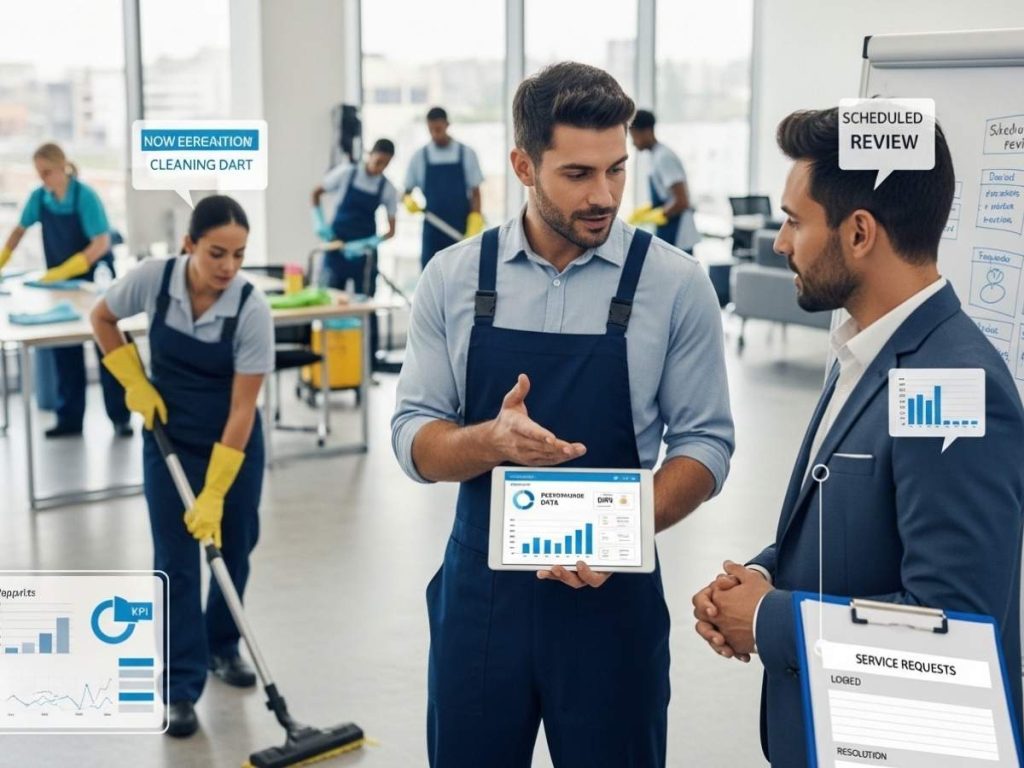
A commercial cleaning supervisor acts as the primary operational link between cleaners and facility managers. Clear communication strengthens cleaning service accountability and prevents small issues from becoming recurring frustrations.
Supervisors provide:
- Structured performance summaries
- Cleaning performance reporting data
- Scheduled review meetings
- Documented responses to service requests
- Resolution tracking for complaints
This approach supports procurement teams and property managers during contract renewals. Documented KPIs and clear reporting demonstrate measurable accountability.
Operational realities change. Tenancy shifts, foot traffic increases, and infection control concerns emerge. Supervisors must adjust cleaning workflows quickly while maintaining transparency with stakeholders.
Facility managers operate under constant time pressure. They need solutions that reduce workload, not add to it. Clear documentation, prompt updates, and measurable outcomes help maintain trust in the cleaning program.
When managers are unsure whether current supervision processes are sufficient, a structured review can help. Conducting a formal cleaning provider audit often reveals gaps in inspections, reporting, or accountability. Understanding what to expect from a cleaning company also clarifies whether supervision standards align with industry expectations.
In well-managed facilities, supervision is visible yet controlled. Cleaners understand expectations. Managers receive clear reporting. Compliance records are maintained. Performance is measurable.
Cleaning supervisor responsibilities, when executed properly, protect service quality, safety standards, and long-term operational stability across commercial environments.
Frequently Asked Questions
A cleaning supervisor manages daily cleaning operations to ensure tasks are completed correctly, safely, and on schedule. They coordinate cleaning staff, assign duties, monitor performance, and conduct inspections to maintain quality standards. Supervisors also ensure compliance with safety procedures, manage supplies and equipment, and communicate with facility managers to address service issues and maintain consistent cleaning outcomes.
A cleaning site supervisor needs strong leadership, communication, and organisational skills to manage teams effectively. They must understand cleaning procedures, chemical safety, and workplace health and safety requirements. Attention to detail is critical for inspections and quality control, while problem-solving skills help resolve operational issues quickly. Basic reporting and documentation skills are also important for tracking performance and compliance.
A cleaning supervisor maintains quality control by using structured inspections, standardised checklists, and performance monitoring. They regularly review completed tasks, verify cleanliness standards, and document any issues found during inspections. When problems are identified, supervisors implement corrective actions and follow up to ensure improvements are made. This structured process helps maintain consistent cleaning standards across the facility.
Supervision is important because it ensures cleaning tasks are completed consistently and according to required standards. A supervisor provides oversight, coordinates staff, and verifies that safety and hygiene procedures are followed. Without supervision, cleaning teams may miss tasks or fail to maintain quality levels. Effective supervision reduces complaints, improves accountability, and supports reliable service delivery in busy commercial environments.
A cleaning supervisor supports workplace safety by enforcing proper use of personal protective equipment, safe chemical handling, and equipment safety procedures. They maintain documentation such as safety data sheets, incident reports, and risk assessments. Supervisors also monitor hazards during inspections and ensure staff follow workplace health and safety guidelines, helping reduce accidents and maintain compliance with industry regulations.