Why Facility Managers Prefer Long-Term Cleaning Contracts

Facility managers prefer structured agreements because long-term cleaning contract benefits give us stronger operational control, consistent service delivery, and lower compliance risk across complex facilities. These agreements improve cleaning consistency, stabilise budgets, formalise performance standards, and reduce disruptions in high-traffic, regulated, and multi-site environments. We gain clearer oversight and tighter coordination through defined scopes and reporting lines. Teams stay aligned, and expectations remain clear.
Key Takeaways
- Long-term contracts strengthen operational control through consistent teams, documented scopes of work, and repeatable service standards. We keep knowledge within the assigned crew, reduce onboarding gaps, and maintain steady performance across sites.
- Predictable pricing structures support accurate budgeting, reduce tender frequency, and limit unexpected cost increases. We plan operating expenses with confidence and avoid repeated procurement cycles that drain internal resources.
- Structured audits, reporting, and compliance processes lower risk in regulated and high-footfall facilities. Regular inspections and documented checks protect us during audits and demonstrate due diligence.
- Defined KPIs, review schedules, and escalation pathways create measurable accountability and reduce service disputes. Clear metrics let us address issues early and correct performance before it affects operations.
- Well-written agreements include flexibility provisions, performance reviews, and exit clauses to address concerns about lock-in. We protect our interests by setting review points, benchmarking rates, and outlining fair termination terms.
Stronger Operational Control Through Consistent Service Delivery
Long-term commercial cleaning contracts give facility managers stronger operational control through reliable, repeatable service. Cleaning service consistency becomes easier to maintain across offices, medical facilities, government buildings, and multi-site premises when the same provider manages the work over time.
Consistent team allocation is a key mechanism. When stable teams are assigned to a site, they understand traffic flows, high-risk areas, and site-specific requirements. That reduces onboarding errors and limits disruptions caused by staff turnover. Frequent changes in personnel often lead to missed tasks, unclear responsibilities, and service gaps. A long-term agreement helps prevent that.
Practical outcomes follow quickly. Fewer complaints are raised by tenants or department heads. Site management runs more smoothly because expectations remain aligned. Teams become proactive rather than reactive. Workplace hygiene management improves because cleaning routines are embedded into daily operations.
Clear documentation plays a critical role. A defined scope of work within a cleaning service agreement ensures nothing is left open to interpretation. Tasks, frequencies, consumables, and reporting requirements are set out in writing. Facility managers can review what commercial contracts include to see how structured scopes avoid ambiguity and reduce service gaps.
This structure is particularly important for facility management cleaning services in Brisbane and the Gold Coast. High-traffic commercial properties, mixed-use developments, and medical environments demand continuity. Regular foot traffic, shared amenities, and extended operating hours leave little room for inconsistency.
Many organisations choose outsourced cleaning services to secure that stability without expanding internal headcount. A reliable commercial cleaning provider Brisbane facilities can depend on will prioritise team retention, documented procedures, and clear communication channels. Over time, that partnership strengthens cleaning service consistency across the entire portfolio.

Greater Financial Predictability and Budget Stability
Facility managers operate within strict annual budgeting cycles. Procurement reviews, cost centre reporting, and financial accountability demand accurate forecasting. Long-term agreements support commercial cleaning cost predictability by providing fixed or structured pricing.
With commercial cleaning contracts set for multiple years, pricing is typically agreed in advance, with clearly defined review points. That reduces the risk of sudden cost increases or unplanned variations. Predictable monthly invoicing makes it easier to plan operating expenditure across quarters and financial years.
The difference becomes clear in the comparison between contract cleaning vs short-term cleaning. Short-term arrangements often involve price fluctuations, higher emergency call-out costs, and reactive service charges. A series of short engagements can also create administrative burden through repeated quoting, onboarding, and approvals.
Long-term cleaning contract benefits extend beyond price alone. They reduce the frequency of tenders and rebidding processes. Procurement teams save time. Facility managers spend less effort renegotiating scope and rates. Internal stakeholders see stable costs month after month.
Organisations considering the financial case can review why outsourcing cleaning services saves money to understand how structured agreements support broader cost control. Commercial cleaning cost predictability strengthens long-term planning and reduces the strain of unexpected operational expenses.
Reduced Risk and Stronger Compliance Support
Cleaning sits within broader risk management in facility management. Hygiene failures can affect staff wellbeing, public perception, and regulatory compliance. Long-term cleaning service agreements form part of a structured compliance approach.
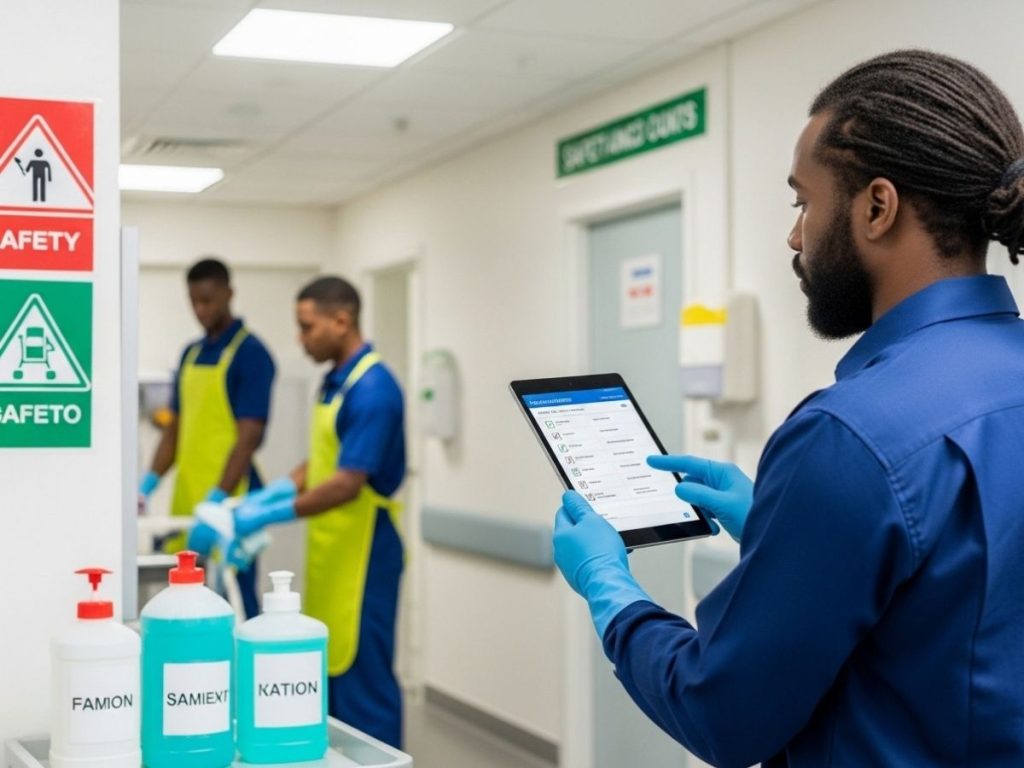
Established providers embed cleaning compliance standards into daily practice. That includes workplace health and safety procedures, chemical handling protocols, and documented training. In regulated environments such as medical facilities or government sites, medical-grade cleaning requirements and reporting processes are clearly defined.
Long-term agreements typically include scheduled quality audits and structured reporting. Regular inspections document performance against agreed criteria. Issues are rectified before they escalate. This systematic approach supports stronger workplace hygiene management and smoother compliance inspections.
For facilities handling sensitive or regulated environments, established processes reduce audit risk. Clear records show what was cleaned, how often, and by whom. Incident reports are tracked and resolved within agreed timeframes. Risk management in facility management improves because cleaning is treated as a controlled, monitored function rather than an ad hoc service.
Reliability also reinforces compliance. Organisations that value why consistency matters in commercial cleaning recognise that repeatable systems reduce human error. Over time, fewer audit issues and reduced incident reports translate into tangible operational stability.

Clear Accountability and Measurable Performance Standards
Longer agreements create structured accountability. Commercial cleaning contracts define key performance indicators (KPIs), service level expectations, escalation pathways, and review schedules. A clear cleaning service agreement establishes how performance is measured and how concerns are addressed.
Transactional short-term engagements tend to focus on completing isolated tasks. Performance monitoring is limited. In contrast, a partnership-based approach builds regular check-ins, site inspections, and documented communication logs into the framework.
Structured Performance Monitoring
Accountability is maintained through formal mechanisms—and clearly outlined cleaning supervisor responsibilities—designed to protect service quality and transparency:
- Scheduled performance reviews against agreed KPIs
- Routine site inspections with documented findings
- Formal communication records and issue tracking
- Defined escalation processes for service failures
These measures reduce disputes. Service transparency improves because expectations are agreed in advance and reviewed consistently. Vendor performance management becomes structured rather than reactive.
Concerns about underperformance or “lock-in” are addressed through clear performance clauses and review checkpoints. Commercial cleaning contracts should outline corrective action processes and escalation steps. Facility managers reviewing options can gain clarity on what to expect from a professional cleaning contract before entering a long-term agreement.
Clear accountability builds trust over time. Both parties understand obligations, reporting lines, and review intervals. That alignment supports stable outcomes across complex facilities.

Addressing Common Concerns About Lock-In and Flexibility
Concerns about being locked into underperformance are common. Facility managers and procurement specialists carry responsibility for service quality and budget control. Flexibility matters, especially in dynamic organisations.
Well-structured long-term contracts include practical safeguards. Performance review periods allow both parties to evaluate service delivery. Probationary stages at the beginning of the term provide an early assessment window. Clear exit clauses define how either side can terminate the agreement under agreed conditions.
Scope adjustment provisions offer further flexibility. As sites expand, contract, or change use, frequencies and task lists can be revised. Understanding the termination clause for cleaning contracts provides clarity on how flexibility is built into formal agreements.
Long-term contracts are not universally superior. Contract cleaning vs short-term cleaning depends on context. Smaller sites, temporary projects, or rapidly changing operations may benefit from shorter arrangements. Larger facilities with stable occupancy and ongoing compliance requirements usually gain from structured, multi-year agreements.
A balanced approach recognises trade-offs. Stability and accountability often increase with longer terms. Flexibility may be more immediate in short engagements. The right choice depends on operational priorities, risk tolerance, and internal governance frameworks.
When a Long-Term Cleaning Agreement Makes Strategic Sense
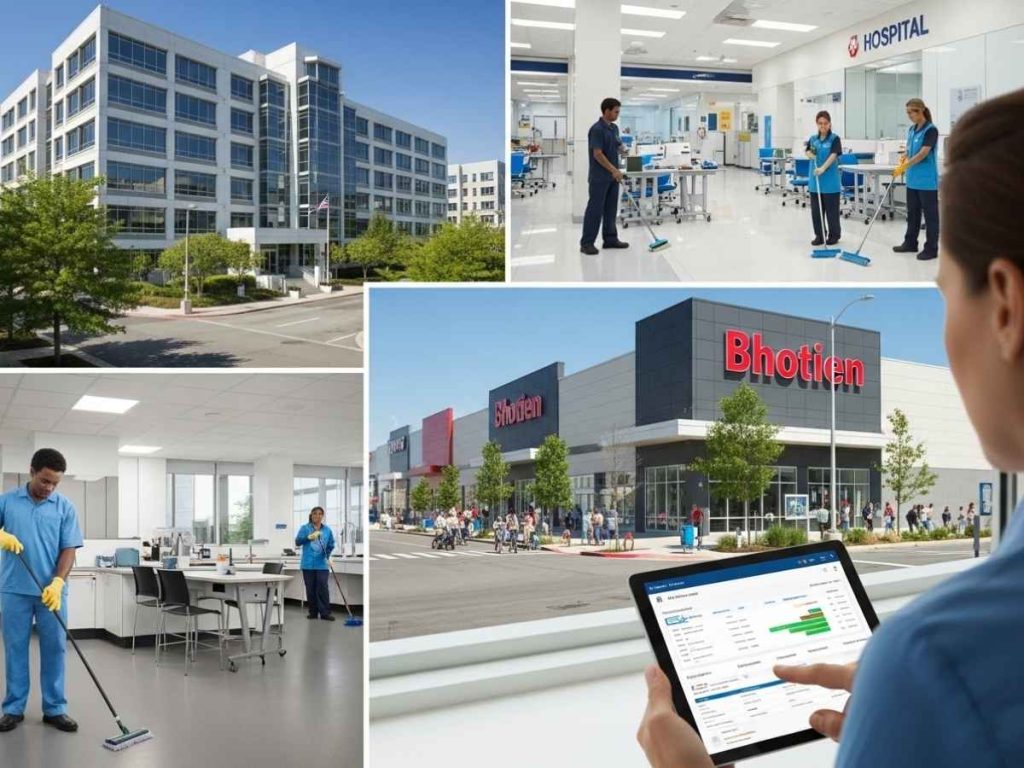
Long-term cleaning contract benefits are most evident in specific operational environments:
- Multi-site operations requiring standardised procedures
- Regulated environments such as medical or government facilities
- High-footfall commercial sites needing consistent hygiene management
- Audit-sensitive facilities requiring structured reporting and documentation
In these settings, long-term agreements support improved hygiene standards, predictable budgets, fewer service disruptions, and a clear accountability structure. Facility managers gain operational stability. Procurement teams gain financial clarity. Executive stakeholders see reduced risk exposure.
Organisations with corporate portfolios can review specialised options such as corporate office cleaning or broader commercial cleaning services services to assess alignment with operational KPIs and compliance needs.
Facilities in Brisbane and the Gold Coast approaching contract renewal should review their current cleaning service agreement against three areas: service consistency, commercial cleaning cost predictability, and compliance risk exposure. If gaps appear, a structured scope assessment is a practical next step.
A clear, well-defined partnership creates stability. For organisations evaluating their position, requesting a formal assessment through a commercial cleaning quote allows scope, pricing, and performance expectations to be reviewed against long-term operational goals.
Frequently Asked Questions
What are the main long-term cleaning contract benefits for facility managers?
Long-term cleaning contract benefits include consistent service quality, predictable costs, and clearer accountability. With a multi-year agreement, the same cleaning team becomes familiar with the facility’s layout, risks, and high-traffic areas. This improves efficiency and reduces service errors. Structured pricing and defined service standards also make budgeting easier and allow facility managers to monitor performance using clear KPIs and review schedules.
How do long-term cleaning contracts improve cleaning consistency?
Long-term cleaning contracts improve consistency by keeping the same provider and team assigned to a facility over time. This continuity allows cleaners to understand site-specific procedures, traffic patterns, and hygiene priorities. Familiarity reduces onboarding mistakes and missed tasks. Documented scopes of work and routine inspections also ensure the same cleaning standards are followed across shifts, departments, or multiple buildings.
Are long-term commercial cleaning contracts more cost-effective?
Yes, long-term commercial cleaning contracts are often more cost-effective because pricing is structured and agreed in advance. Multi-year agreements reduce frequent tendering, administrative work, and emergency call-out costs. Predictable monthly invoicing also supports accurate budget planning. Over time, organisations avoid the pricing volatility and repeated onboarding expenses that often occur with short-term cleaning arrangements.
Do long-term cleaning agreements help with compliance and workplace hygiene standards?
Long-term cleaning agreements support compliance by embedding structured procedures, safety protocols, and documented reporting into daily operations. Professional providers usually include scheduled inspections, audit records, and training standards within the contract. These processes help demonstrate due diligence during regulatory inspections and ensure cleaning tasks meet workplace health, safety, and hygiene requirements in regulated or high-traffic environments.
Can facility managers exit a long-term cleaning contract if performance declines?
Yes, most professional cleaning agreements include safeguards that allow facility managers to address poor performance or terminate the contract if necessary. These may include probation periods, performance review checkpoints, corrective action clauses, and defined termination conditions. Clear KPIs and service level agreements also help identify problems early so issues can be resolved before the relationship needs to end.