How long does it take to clean a hotel room
?
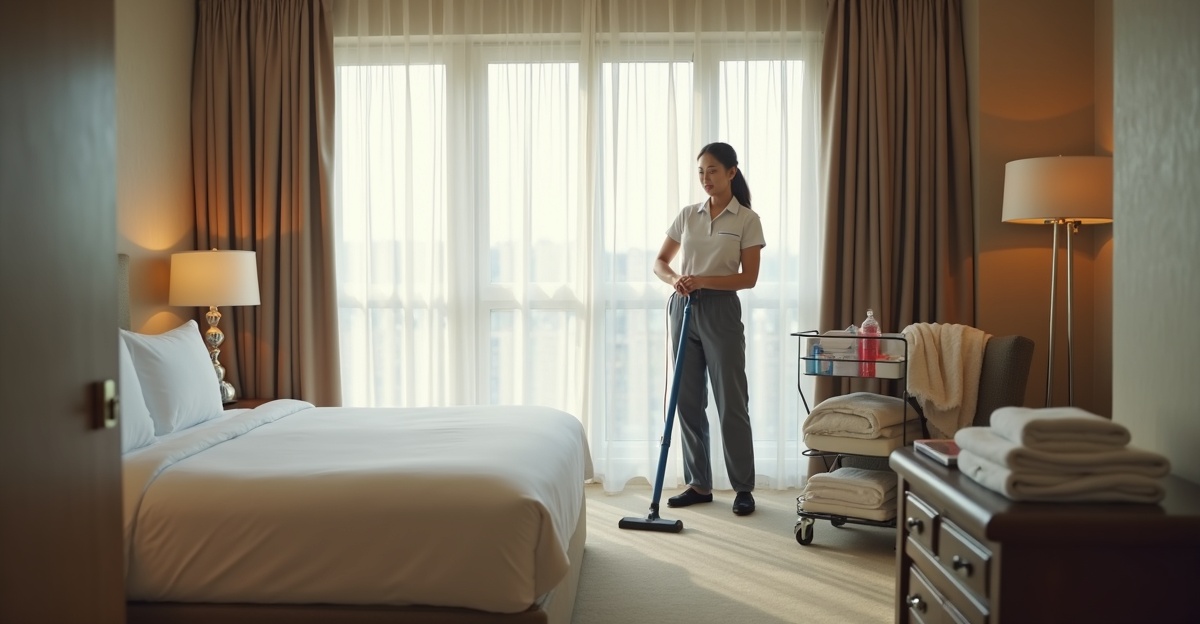
Understanding how long it takes to clean a hotel room depends on whether we carry out a stayover, checkout, or deep clean. Timeframes usually range from 20 minutes to more than two hours. Room size, guest behaviour, infection control standards, staffing structure, and compliance duties all shape labour hours and release times.
Key Takeaways
- Stayover cleans usually take 20–30 minutes, checkout cleans 30–60+ minutes, and deep cleans 60–120+ minutes depending on scope.
- Room layout, bathroom count, guest condition at checkout, and linen handling directly affect cleaning time.
- Compliance, WHS processes, and infection control steps add required tasks that extend cleaning time but protect quality and safety.
- Staffing structures and scheduling, especially during peak turnover, influence how fast we release rooms.
- Speed at the expense of quality increases long-term operational risk, while realistic benchmarks protect standards and assets.
Realistic Timeframes for Cleaning a Hotel Room
Understanding how long does it take to clean a hotel room starts with defining the type of service required. Cleaning time varies significantly between a light stayover service and a full reset after checkout.
A typical stayover clean takes 20–30 minutes per room. This service focuses on presentation and hygiene maintenance while guests remain in-house. Tasks usually include:
- Bed remake with existing linen
- Bathroom refresh and sanitising high-touch areas
- Rubbish removal
- Surface wipe-downs
- Light vacuuming or spot cleaning
- Restocking essential amenities
A typical checkout clean takes 30–60+ minutes, depending on room size, layout, and condition. This is a full reset. Housekeeping replaces all linen, completes a detailed bathroom clean, dusts all accessible surfaces, vacuums thoroughly, checks drawers and wardrobes, and restocks amenities to brand standard.
A deep clean or detailed spring clean takes 60–120+ minutes depending on scope. This process goes beyond routine servicing and may include carpet extraction, grout scrubbing, high dusting, upholstery cleaning, and detailed work around ventilation grilles and fixtures. For a clearer breakdown of scope, our guide on what deep cleaning includes outlines the level of detail typically involved.
When managers ask how long does hotel room cleaning take, the honest answer sits within these ranges. Faster cleaning is not always better. If speed compromises hygiene, safety, or consistency, the long-term cost is far greater than a few saved minutes.
Stayover vs Checkout vs Deep Cleaning: What Changes the Time Required
How long does a hotel room take to clean depends heavily on the service type. Each category has operational differences that affect labour hours and compliance requirements.
Stayover cleaning maintains standards without fully resetting the space. Staff work around guest belongings and limit disruption. The focus remains on hygiene upkeep and presentation. Because linen often stays in place and high-level detailing is limited, timeframes remain shorter.
Checkout cleaning resets the room entirely. Every bed receives fresh linen. Bathrooms undergo more detailed sanitisation. Staff check under furniture, inside drawers, and along skirting boards. This thorough process explains why how long does a hotel room clean take is often double the time of a stayover.
Deep cleaning addresses issues that build up over months of occupancy. Carpets require extraction. Grout lines demand scrubbing. Upholstery may need specialised treatment. High dusting and ventilation cleaning improve air quality. For properties reviewing structured service programs, our hotel cleaning services outline how routine and periodic cleans integrate into a broader housekeeping plan.
Several variables also extend cleaning time:
Room design plays a major role. Suite-style rooms take longer than standard layouts. Multiple bathrooms, kitchenettes, and balconies increase surface area and complexity.
Infection control practices add structured processes. In higher-risk environments, teams must follow documented sanitising methods, safe chemical handling, and waste protocols. WHS requirements protect both staff and guests. Compliance-focused cleaning naturally requires more time than a basic tidy-up.
Understanding these operational differences prevents unrealistic expectations. Routine servicing and compliance-driven cleaning are fundamentally different tasks.
Operational Variables That Directly Impact Cleaning Duration
When clients ask how long does hotel cleaning take, we avoid vague answers. Instead, we assess specific operational factors that influence labour hours.
Room size and layout complexity matter. An executive suite may contain separate living zones, larger bathrooms, and additional fixtures. Each surface adds time.
Occupancy level and room condition at checkout directly affect workload. Heavy guest use increases towel volumes, waste removal, and bathroom detailing. Damaged or heavily soiled areas require corrective action.
Linen volumes and laundry logistics also affect turnaround. Properties with on-site laundry operate differently from those relying on external supply cycles. Delays in linen availability can slow room release times.
Bathroom complexity significantly impacts duration. Glass shower screens require polishing to prevent streaking. Tiled surfaces with heavy grout lines increase cleaning effort. Multiple basins and fixtures extend sanitising processes.
Contamination risk changes procedures. Where bodily fluids or biohazards are present, staff must follow elevated infection control practices. These protocols prioritise safety over speed.
Compliance obligations further influence duration. WHS requirements, chemical handling guidelines, manual handling procedures, and documented quality control checks all add structured steps.
Turnover rate pressures during peak periods, such as conferences or holiday surges, also shape scheduling. Efficient planning becomes critical to avoid shortcuts.
Clarifying these elements moves the discussion beyond “it depends.” Instead, we anchor cleaning time in measurable operational factors.
Staffing Models and Turnaround Planning
Staffing structure has a direct impact on how long does a hotel room cleaning take. Some properties use an individual housekeeper model. Others operate team-based systems, where roles divide between bathroom cleaning, bed making, and final inspection.
In operations planning, a common benchmark ranges from 12–16 checkout rooms per 8-hour shift, depending on complexity. Simpler room formats allow higher allocations. Larger suites reduce capacity. These figures provide guidance but must align with brand standard and compliance needs.
Staggered checkouts and tight turnaround windows complicate forecasting. If most guests depart within a short window, labour demand spikes sharply. Effective scheduling smooths this pressure across shifts.
Supervision and inspection processes also affect duration. Supervisor sign-off, spot checks, and reporting systems extend cleaning time slightly. However, they significantly reduce guest complaints and rework.
Labour allocation influences cost expectations as well. Managers should understand how time estimates connect with operational budgeting. Our guide on commercial cleaner hourly rates in Australia explains how labour hours translate into pricing frameworks.
Hotel housekeeping also sits within broader facility operations. For facility managers reviewing integrated service models, our overview of what is involved in commercial cleaning provides context on how hotel room servicing aligns with larger site cleaning programs.
Clear workforce planning supports room readiness without cutting corners.
Why Speed Must Be Balanced With Quality, Safety, and Compliance
Rushed cleaning creates risk. High-touch surfaces may be missed. Sanitisation contact times may be shortened. Visual presentation might look acceptable while hygiene falls short.
Hotels operate in high-expectation environments. Guests judge quality quickly. Infection control practices are non-negotiable. WHS requirements protect staff from injury during repetitive tasks, heavy lifting, and chemical exposure.
Quality assurance measures take time. Spot checks. Supervisor sign-off. Reporting and documentation. These steps extend cleaning duration but improve outcomes.
Efficiency matters. Properties must release rooms promptly. Still, cleaning that sacrifices safety or compliance often leads to reputational damage and maintenance issues over time. Preventative deep cleaning, grout maintenance, and carpet extraction preserve assets and reduce long-term repair costs.
We always remind clients that performance should be measured by results, not speed alone. Consistency delivers long-term operational stability.
Benchmarking Performance and Setting Realistic Expectations
Realistic benchmarks help answer how long does a hotel room clean take without oversimplifying the process:
- Stayover clean: 20–30 minutes
- Checkout clean: 30–60+ minutes
- Deep clean: 60–120+ minutes
These are discussion ranges, not rigid targets. Room configuration, compliance requirements, and service inclusions must inform the final expectation.
Managers evaluating providers should review cleaning scope carefully. Clarify what tasks are included. Confirm whether inspections and reporting are part of the service. Ask how labour allocation adjusts during peak occupancy. Assess how quality control systems protect brand standards.
Brisbane and Gold Coast facility managers overseeing multi-site portfolios face additional coordination pressures. Peak tourism cycles, event-driven occupancy spikes, and workforce logistics all affect time planning. Structured programs like our commercial cleaning services support consistency across properties without sacrificing compliance.
Reviewing current cleaning timeframes often reveals alignment gaps between expectations and operational reality. We encourage managers to assess their benchmarks against room type, turnover pressure, and compliance scope. Where required, we can provide an operational assessment or request a cleaning quote to align speed, quality, and safety standards with business performance goals.
Frequently Asked Questions
What factors have the biggest impact on hotel room cleaning time?
Room condition has the greatest impact on cleaning time. Checkout rooms, large suites, heavily used bathrooms, excessive rubbish, linen changes, and special guest requests all increase cleaning requirements. Occupancy levels and staffing availability also influence turnaround times. Planning workloads based on room type rather than room count helps maintain both efficiency and cleaning quality.
How many hotel rooms can one housekeeper clean in a shift?
Most experienced housekeepers clean between 12 and 18 standard rooms during an eight-hour shift, depending on room size, hotel standards, occupancy, and whether rooms are stayovers or checkouts. Hotels should balance productivity targets with quality expectations to avoid rushed cleaning and guest complaints.
Do checkout rooms take longer to clean than stayover rooms?
Yes. Checkout rooms usually require significantly more time because every surface must be cleaned, beds completely remade, bathrooms fully sanitised, rubbish removed, and amenities replenished. Stayover rooms generally require lighter servicing, allowing housekeeping staff to complete them more quickly while maintaining guest comfort.
How often should hotel rooms receive a deep clean?
Most hotels schedule deep cleaning every three to six months, although luxury hotels and high-occupancy properties may perform it more frequently. Deep cleaning includes carpets, upholstery, curtains, air vents, grout, mattresses, and other areas not addressed during daily housekeeping, helping maintain hygiene and extend asset life.
What is included in a standard hotel room cleaning?
Standard hotel room cleaning typically includes making beds, disinfecting bathrooms, vacuuming or mopping floors, dusting furniture, emptying bins, replenishing guest amenities, cleaning mirrors and glass, and checking room presentation. Many hotels also perform a final inspection before releasing the room for the next guest.
Can hotels reduce cleaning times without sacrificing quality?
Yes. Hotels improve efficiency by using standardised cleaning procedures, effective staff training, modern cleaning equipment, organised supply carts, and realistic room assignments. Streamlining workflows helps reduce delays while maintaining consistent hygiene standards and guest satisfaction.
How does occupancy affect hotel housekeeping schedules?
Higher occupancy increases housekeeping workloads and reduces flexibility between guest departures and arrivals. During peak periods, hotels often adjust staffing levels, prioritise early departures, and coordinate closely with front desk teams to ensure rooms are available on time without compromising cleaning standards.
Should hotels outsource housekeeping services?
Outsourcing housekeeping can improve staffing flexibility, reduce recruitment challenges, and provide access to experienced commercial cleaning professionals. It is particularly beneficial for hotels experiencing seasonal demand, labour shortages, or rapid occupancy changes while maintaining consistent cleaning performance.
Why is room inspection important after cleaning?
A room inspection ensures cleaning standards have been met before guests arrive. Supervisors check cleanliness, room presentation, amenities, maintenance issues, and safety concerns. Final inspections help reduce guest complaints, improve consistency, and protect the hotel’s reputation for quality service.
Does room size affect cleaning duration?
Yes. Larger rooms, executive suites, family accommodations, and serviced apartments naturally require more cleaning time due to additional bathrooms, furniture, kitchens, and living areas. Hotels often adjust housekeeping schedules to reflect room complexity rather than assigning every room the same cleaning target.