How often should office carpets be cleaned?
Understanding how often office carpets should be cleaned requires us to match cleaning frequency with traffic levels, compliance standards, and environmental conditions instead of relying on fixed calendar dates. We assess offices in Brisbane and the Gold Coast based on usage intensity, seasonal moisture risks, and long-term asset protection goals. This approach keeps carpets presentable while protecting the investment over time.
Key Takeaways
- Cleaning frequency should reflect traffic volume, facility type, and compliance requirements, not a single fixed schedule.
- Low-traffic offices typically need annual deep cleaning, while high-traffic or compliance-sensitive sites may require hot water extraction every 3–6 months.
- Effective programs combine daily vacuuming, scheduled interim cleaning, and controlled deep cleaning to maintain carpet condition.
- Brisbane and Gold Coast conditions, including humidity and storm seasons, often demand shorter cleaning cycles to control moisture and embedded soil.
- Structured maintenance reduces reactive costs, extends carpet lifespan, and preserves a consistent, professional workplace appearance.
What Most Commercial Offices Actually Require (Clear Cleaning Frequency Benchmarks)
Determining how often should office carpets be cleaned depends on traffic levels, facility type, and operational risk. Cleaning cycles must reflect how the space is used, not arbitrary calendar dates.
In low-traffic offices with small teams, private offices, and minimal visitor movement, practical benchmarks look like this:
- Vacuuming: daily or at least 3–5 times per week
- Interim cleaning (spot treatment or encapsulation): every 3–6 months
- Deep cleaning (hot water extraction or steam cleaning): every 12 months
Moderate-traffic corporate environments in Brisbane and the Gold Coast require a stronger plan. Shared desks, meeting rooms, and breakout zones increase soil load significantly:
- Vacuuming: daily
- Interim cleaning: every 3–4 months
- Deep cleaning: every 6–12 months
High-traffic buildings such as lobbies, lift banks, corridors, and multi-tenant facilities demand even tighter programs:
- Vacuuming: daily, with high-visibility areas checked multiple times per day
- Interim cleaning: every 1–3 months
- Deep cleaning: every 3–6 months
Medical centres, education campuses, government buildings, and other compliance-sensitive sites operate under stricter expectations:
- Vacuuming: daily, often multiple passes in critical zones
- Interim cleaning: monthly or bi-monthly
- Deep cleaning: every 3–6 months, aligned with risk assessments and internal standards
Seasonal changes also matter. Wet summer conditions across Brisbane and the Gold Coast track in moisture, sand, and soil. High humidity slows drying and increases odour risks. During storm periods, shortening cleaning cycles protects both hygiene and presentation.
There is no universal answer. How often carpets should be cleaned must align with traffic, environment, and compliance level. Facilities with structured programs experience fewer disruptions and longer carpet lifespan.
The Difference Between Maintenance and Deep Cleaning (And Why It Matters)
Many decision-makers confuse routine maintenance with restorative cleaning. The difference directly impacts performance and cost control.
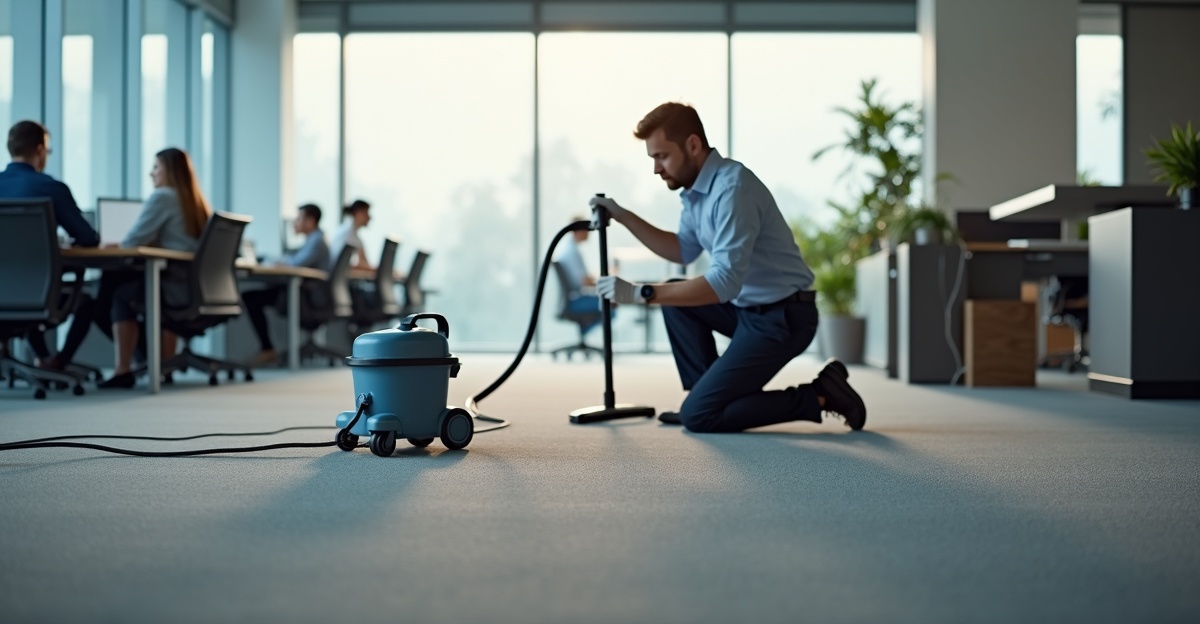
Daily or frequent vacuuming removes surface dust and loose debris. It prevents grit from settling into fibres where it acts like sandpaper under foot traffic.
Interim cleaning focuses on targeted stain treatment and low-moisture encapsulation. This controls appearance between deep cleans and reduces visible wear patterns.
Deep cleaning, typically through controlled hot water extraction, removes embedded soil, residues, and trapped contaminants. It resets the carpet’s condition and restores texture.
Preventative maintenance combines all three layers into a structured schedule. Facilities that plan cleaning cycles experience fewer emergency call-outs and reduced reactive spending.
The question of how often can you clean carpets depends on the method used, fibre construction, and drying control. Excess moisture from poor technique creates avoidable risks. Proper equipment and controlled extraction prevent overwetting and minimise downtime.
Selecting appropriate methods matters as much as frequency. We outline practical guidance in which carpet cleaning method should you choose, especially for commercial environments where operational disruption must stay low.
Well-managed programs improve indoor presentation and support staff wellbeing. Consistent removal of soil also contributes to healthier workspaces, as outlined in how carpet cleaning reduces allergies.
Key Factors That Change Your Cleaning Schedule in Brisbane and the Gold Coast
Brisbane and Gold Coast properties operate under specific environmental pressures. Climate plays a major role. High humidity, heavy rainfall, and summer storms increase tracked-in debris and slow drying times.
Foot traffic volume drives cleaning frequency. Staff numbers, public access, shared kitchens, and event usage all accelerate soil accumulation. Flexible seating arrangements increase concentrated wear in particular zones.
Building layout matters. Entry mat positioning, lobby size, lift banks, and shared corridors determine how much debris reaches carpeted areas. Poorly protected entries lead to rapid deterioration.
Carpet type also influences scheduling. Loop pile holds soil differently from cut pile. Carpet tiles allow targeted replacement, while broadloom requires zone-based management. Manufacturer care instructions should guide method selection.
Usage behaviour changes outcomes. Workplaces where food is consumed at desks or where meeting rooms run back-to-back will require shorter interim cycles.
Compliance environments require documented cleaning frequencies. Medical practices, education campuses, and government buildings operate under higher hygiene expectations. Audit readiness often drives more frequent extraction and detailed record-keeping.
For many clients across Brisbane commercial towers and Gold Coast multi-tenant buildings, a predefined schedule delivers consistency. However, no one-size-fits-all model works. Cleaning frequency must reflect operational use and risk exposure rather than generic advice.
Businesses reviewing contracts often assess how often office carpets should be cleaned in line with annual maintenance planning. Aligning the schedule with financial cycles reduces budget surprises.
The Real Cost of Getting It Wrong (Under-Cleaning vs Over-Cleaning)
Under-cleaning causes gradual decline that many facilities underestimate. Visible traffic lanes form. Odours develop as moisture and soil accumulate. Embedded grit damages fibres with every step.
Presentation impacts client perception. Staff notice deterioration quickly. In regulated environments, inconsistent cleaning may lead to compliance questions.
Replacing carpet prematurely due to neglect is significantly more expensive than structured maintenance. Soil acts as an abrasive material. Over time, it permanently weakens fibre construction.
Over-cleaning also carries consequences. Budgets absorb unnecessary treatments. Downtime increases. Poor drying processes can introduce moisture-related issues if not professionally controlled.
Cleaning beyond what traffic demands often delivers limited additional benefit. Balanced programs focus on measurable outcomes: hygiene, presentation, and asset preservation.
Reactive cleaning often costs more than planned scheduling. Emergency stain removal or last-minute pre-inspection cleans disrupt operations and stretch budgets. Preventative planning stabilises costs and protects long-term asset value.
Creating a Structured, Cost-Effective Carpet Maintenance Plan
Practical planning framework
To build a reliable program, follow this structure:
- Classify traffic zones as low, moderate, or high
- Identify compliance obligations or industry standards
- Map seasonal risk, especially wet summer periods
- Align cleaning cycles with budget planning and financial year reviews
- Coordinate carpet care within broader commercial cleaning services contracts
Medium-to-large facilities benefit most from predictable scheduling. Planned maintenance reduces complaints and ensures consistent presentation across all areas.
Periodic reviews are essential. Assess conditions before renewing contracts or setting annual budgets. Traffic patterns change. Workforce size shifts. Leasing arrangements evolve.
Where deeper restorative work is required, structured deep cleaning services can reset worn areas without replacing flooring.
Facilities that want consistent outcomes often integrate carpet programs within broader office cleaning programs. Coordinated services improve accountability and reduce administrative workload.
For organisations across Brisbane and the Gold Coast seeking structured maintenance schedules, we provide site assessments and planned carpet cleaning services. Clear scheduling removes guesswork and protects the investment already made in flooring.
Frequently Asked Questions
How often can you clean carpets without damaging them?
Carpets can be cleaned as frequently as needed when correct methods and drying controls are used. Damage usually results from poor equipment, overwetting, or untrained handling, not appropriate frequency.
How often carpets should be cleaned in a commercial office compared with residential settings?
Commercial offices require significantly more frequent vacuuming, interim treatments, and deep extraction. Higher foot traffic, shared amenities, and compliance standards drive tighter schedules than typical residential properties.
Does more cleaning extend carpet life?
Structured preventative cleaning extends lifespan by removing abrasive soil before it damages fibres. Excessive or unnecessary cleaning without assessment does not add value. Balanced, risk-based programs deliver the strongest long-term results.
How do I know if our office carpets need cleaning sooner than scheduled?
Visible stains aren’t the only indicator. Persistent odours, dull appearance, flattened fibres, increased dust, allergy complaints, or heavy foot traffic can all signal it’s time for professional carpet cleaning. Cleaning carpets before they become heavily soiled helps preserve their appearance, improves indoor air quality, and prevents permanent fibre damage.
Is regular vacuuming enough to keep office carpets clean?
No. Vacuuming removes surface dirt but cannot extract embedded soil, bacteria, allergens, or oils trapped deep within carpet fibres. Professional carpet cleaning reaches contaminants that standard vacuuming leaves behind, helping extend carpet life and maintain a healthier workplace. Vacuum regularly between professional cleaning visits for the best results.
Does carpet cleaning frequency depend on the type of business?
Yes. Offices with light foot traffic may only require professional cleaning every 6–12 months, while medical clinics, retail stores, schools, hospitality venues, and busy corporate offices often benefit from cleaning every 1–3 months due to higher traffic and stricter hygiene requirements.
Can regular carpet cleaning extend the life of office carpets?
Yes. Dirt and grit act like abrasive particles that gradually wear carpet fibres as people walk across them. Routine professional cleaning removes these contaminants before they cause excessive wear, helping businesses maximise the lifespan of their carpet investment and delay costly replacements.
What is the best professional carpet cleaning method for offices?
Hot water extraction is widely recommended because it removes deep-seated dirt, allergens, and bacteria while providing a thorough clean. Low-moisture cleaning methods may be better for offices that need faster drying times and minimal disruption. The right method depends on carpet type, occupancy, and operational requirements.
Should office carpets be cleaned more often during certain seasons?
Yes. During wet weather, carpets collect more mud, moisture, and debris from footwear. Businesses may also experience higher pollen or dust levels during certain seasons. Increasing cleaning frequency during these periods helps maintain cleaner carpets, reduces staining, and supports healthier indoor air quality.