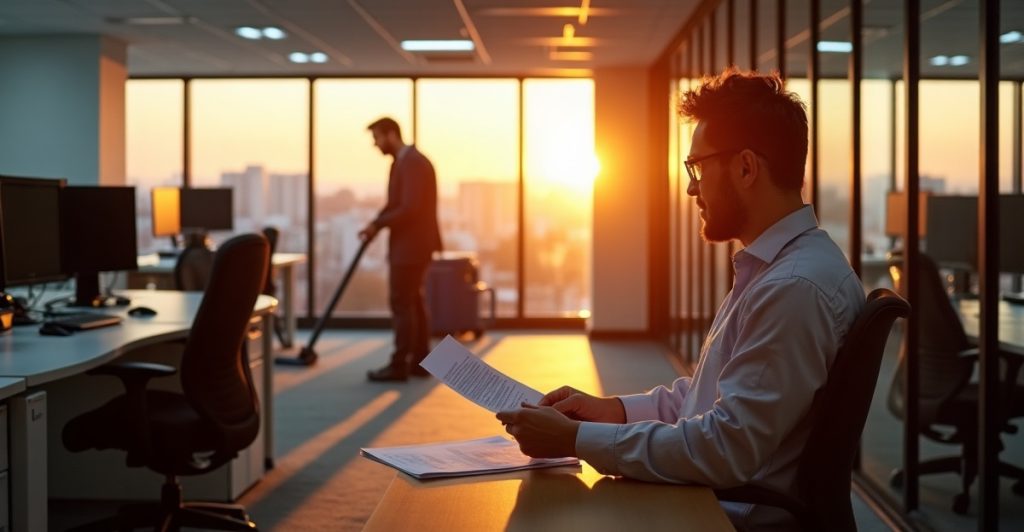
What is involved in commercial cleaning?
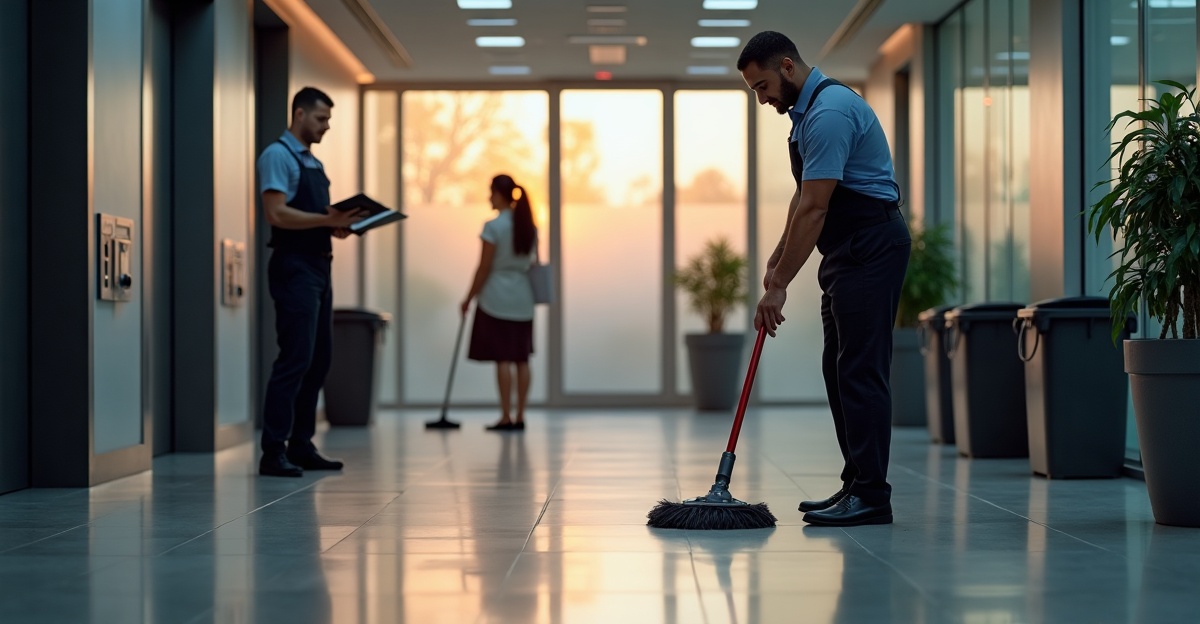
Commercial cleaning includes far more than basic surface-level tasks. We deliver structured scopes of work, scheduled programs, supervision, compliance records, and measurable performance standards. In offices, medical centres, and government facilities, we support daily operations, reduce risk, maintain hygiene standards, and protect long-term asset value through routine and periodic services.
Key Takeaways
- Commercial cleaning runs on defined scopes of work, documented schedules, supervision, and KPIs instead of informal or ad-hoc tasks. We set clear expectations from day one and track results against agreed standards.
- Daily services include amenities cleaning, waste management, floor care, high-touch disinfection, and shared space maintenance. We structure these tasks around site traffic and usage patterns to prevent disruption while maintaining hygiene.
- Periodic services such as carpet steam cleaning, hard floor maintenance, high dusting, deep cleans, and glass cleaning protect assets and preserve long-term standards. We schedule these services at practical intervals to extend surface life and control replacement costs.
- Compliance responsibilities cover safety documentation, chemical registers, risk assessments, infection control procedures, and audit-ready reporting. We maintain accurate records and keep documentation current so facilities stay inspection-ready at all times.
- Service quality relies on trained staff, active supervision, clear communication channels, and transparent, site-specific service agreements. We invest in training, monitor performance consistently, and communicate openly so standards remain high and measurable.
What Commercial Cleaning Actually Covers in a Professional Environment
Commercial cleaning is a structured service built for business environments. It differs from residential cleaning in scale, compliance requirements, supervision, and documented performance standards.
In a commercial setting, cleaning supports daily operations, protects assets, and manages compliance risk. Offices, medical centres, government buildings, industrial facilities, and multi-site organisations rely on defined scopes of work rather than informal or ad-hoc cleaning.
When organisations ask what is included in commercial cleaning, they’re usually reviewing contracts, preparing a tender, or addressing service concerns. A professional service includes scheduled tasks, supervision, clear reporting lines, and measurable performance standards.
It also includes:
- Defined scopes of work tied to service agreements
- Documented cleaning schedules
- Allocated staff and supervisory oversight
- Compliance records and safety documentation
- Key performance indicators (KPIs) and inspections
Basic cleaning often covers surface-level tasks performed without structured oversight. In contrast, commercial cleaning services operate with planned systems. Checklists align with site requirements. Supervisors inspect quality. Reporting processes record issues and resolutions.
Understanding what commercial cleaning is helps clarify expectations. What is included in a commercial clean goes beyond wiping desks and emptying bins. It covers hygiene standards, risk reduction, audit readiness, and consistent presentation.
Many facility managers carry operational pressures. They manage complaints, tight budgets, limited after-hours access, and minimal downtime for staff. They need cleaning services that fit into business operations without interruption. Clarity around what does commercial cleaning consist of becomes essential when performance directly impacts staff satisfaction and compliance outcomes.
Day-to-Day Cleaning Tasks That Keep Commercial Facilities Operational
Daily and weekly tasks form the backbone of a commercial cleaning program. These tasks vary depending on industry type, foot traffic, and operational hours, but core services are consistent across most environments.
Typical routine tasks include:
- Cleaning and disinfecting toilets, basins, mirrors, and partitions in amenities
- Replenishing soap, paper towels, and toilet paper
- Waste removal and recycling management
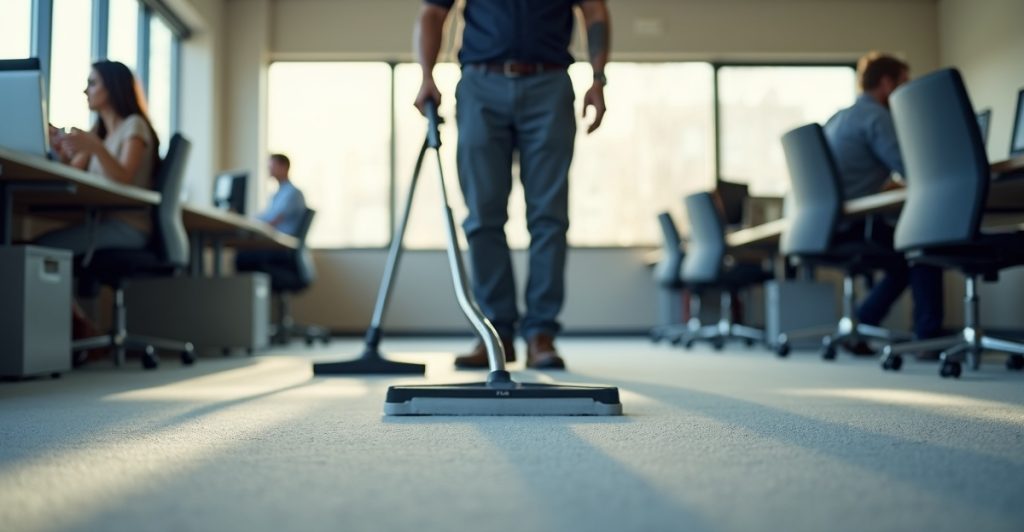
- Vacuuming carpets and mopping hard floors
- Sanitising high-touch points such as door handles, lift buttons, light switches, and handrails
- Cleaning kitchen and breakout areas, including benchtops, sinks, and appliance surfaces
- Maintaining reception areas, meeting rooms, corridors, and shared workspaces
Frequency depends on usage levels. A corporate office may require daily cleaning with periodic detail work. A medical practice or high-traffic facility may require multiple services per day, particularly around infection control zones.
Floor care also plays a critical role. Hard surfaces require the correct methods and chemicals to protect finishes and reduce slip risks. Our professional floor cleaning programs align with manufacturer guidelines and site traffic levels, supported by knowledge of which chemicals are used for floor cleaning in different environments.
In Brisbane and Gold Coast commercial buildings, cleaning often occurs outside normal business hours. After-hours services must align with alarm procedures, access control protocols, and building management rules. Clear key control and security processes protect both the client and the cleaning team. We outline these operational considerations in our guide on after-hours cleaning services.
Every site operates on a documented scope. Tasks are site-specific and tied to the service agreement. That structured approach leads to practical outcomes: fewer complaints, improved hygiene, predictable presentation standards, and smooth daily operations.
Periodic and Specialist Services Beyond the Daily Clean
Daily cleaning alone does not maintain long-term standards. Periodic services form a critical part of what is included in a commercial clean.
These scheduled or project-based services often include:
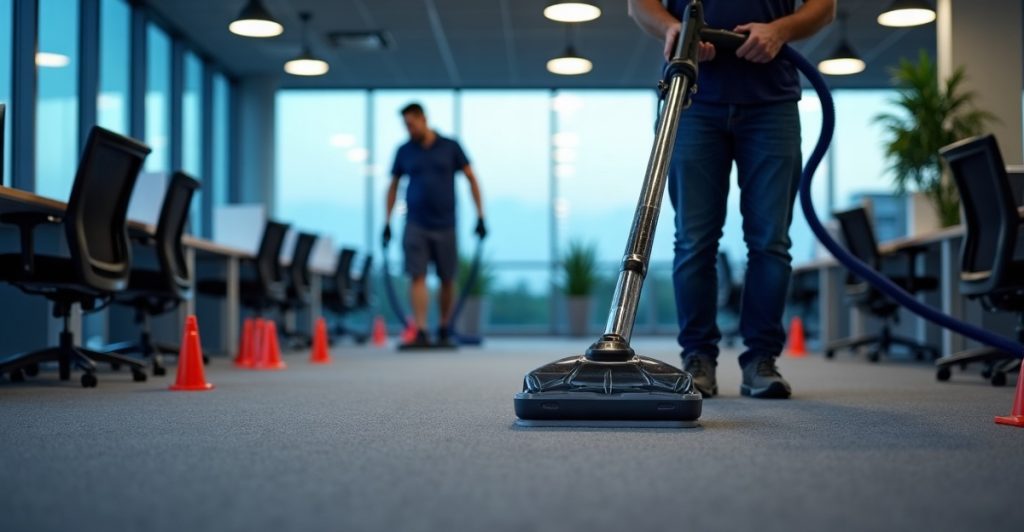
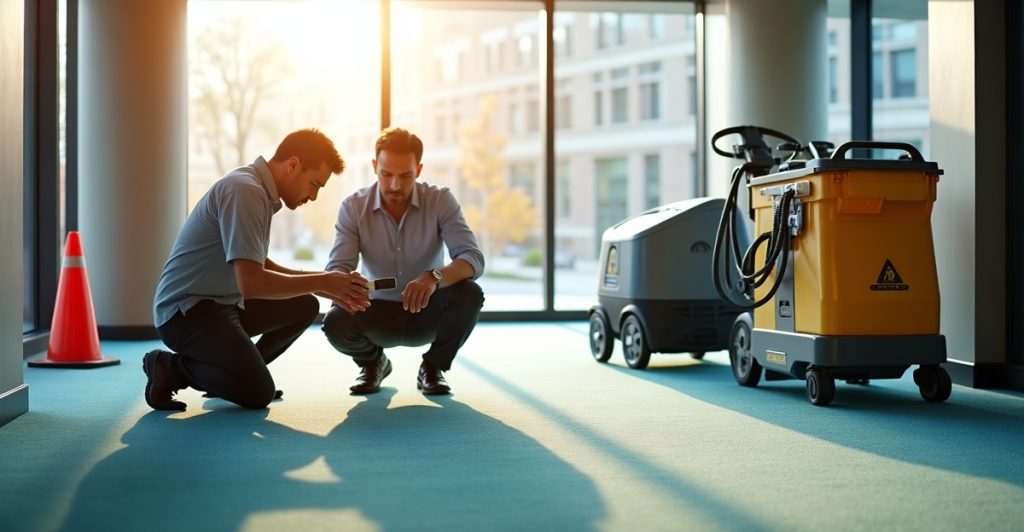
- Carpet steam cleaning to remove embedded soil and extend carpet life. Our commercial carpet cleaning services are scheduled quarterly, biannually, or annually depending on usage.
- Hard floor maintenance such as machine scrubbing, polishing, and strip-and-seal treatments to protect high-traffic surfaces.
- High dusting of vents, ledges, and hard-to-reach areas to reduce dust build-up and support air quality.
- Deep kitchen cleans to maintain hygiene standards in staff areas or hospitality environments.
- Internal and accessible external glass maintenance through professional window cleaning programs.
- More intensive support through deep cleaning services where required for compliance resets or high-risk periods.
These services extend asset life and maintain presentation. They also reduce long-term repair and replacement costs. Flooring, upholstery, and fixtures last longer when properly maintained.
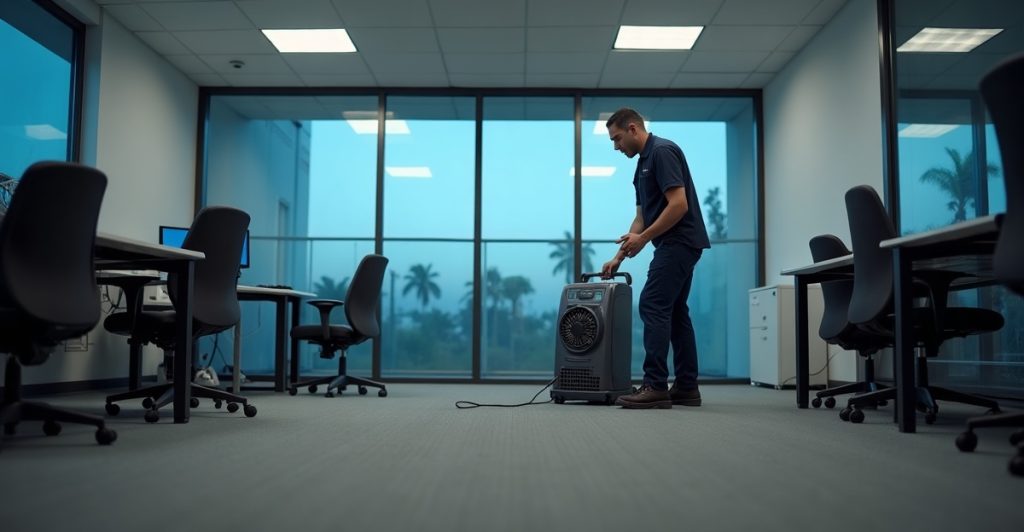
Periodic works may require elevated work platforms, specific safety documentation, or specialised equipment. Building size, surface types, and compliance obligations all influence scheduling and cost.
A structured cleaning program blends daily consistency with scheduled specialist maintenance. That combination protects both appearance and operational integrity.
Compliance, Safety, and Risk Management Responsibilities
Commercial cleaning carries clear workplace health and safety obligations. Services must align with Safe Work Australia guidance and site-specific safety policies.
Each site should maintain Safety Data Sheets (SDS) for all chemicals, alongside a current chemical register. Risk assessments and Safe Work Method Statements (SWMS) guide hazardous tasks. Incident reporting processes document and address issues promptly.
Medical centres and government facilities operate under higher infection control expectations than general office environments. High-touch disinfection procedures, colour-coded equipment, and controlled waste management become essential. Where required, services may include workplace sanitisation services to support infection prevention programs.
Security clearances and background checks may also be necessary, particularly for government contracts or sensitive facilities.
In regulated environments, what commercial cleaning consists of includes audit documentation, site logs, inspection records, and corrective action tracking. Many facility managers review what is involved in commercial cleaning when assessing compliance gaps in existing contracts. Documentation and traceability protect the organisation as much as the visible cleaning work itself.
Indoor air quality is another often overlooked area. Proper vacuum systems, dust management, and ventilation cleaning directly influence staff wellbeing. We discuss this in detail in our article on how cleaning affects indoor air quality.
People, Systems, and Quality Control Behind the Service
Consistency comes from structure, not individual effort alone. A professional cleaning operation includes trained cleaners, site supervisors, and area managers who oversee performance across locations.
Cleaners receive training in:
- Equipment handling
- Chemical safety and dilution control
- Infection control procedures
- Site-specific rules and access requirements
Supervision plays a central role. A cleaning site supervisor conducts inspections, supports staff, and addresses performance concerns before they become complaints.
Quality assurance systems typically include site inspections, logbooks or digital reporting tools, defined KPIs, and structured service level agreements (SLAs). Clear communication channels allow urgent issues to be escalated and resolved within agreed timeframes.
Common misconceptions persist. Many assume all commercial sites are cleaned in the same way. Others believe the lowest price delivers the best value. Some view cleaning as a visual task, limited to appearance. In practice, commercial cleaning protects compliance, reduces risk, and supports staff productivity.
A structured janitorial services program aligns routine tasks with supervision, reporting, and performance monitoring. That framework drives consistent results across single and multi-site operations.
Factors That Influence Cost and How to Evaluate a Commercial Cleaning Provider
Several variables influence pricing.
Key cost drivers include building size and layout, overall foot traffic, frequency of service, and industry risk profile. Medical facilities and industrial sites require higher hygiene standards than standard office environments. Security requirements, restricted access windows, and specialised services also affect pricing.
When reviewing proposals, clarity is critical. What is involved in commercial cleaning should be clearly documented before signing a contract.
A strong proposal should outline:
- A detailed, site-specific scope of work
- Clear supervision and inspection processes
- Compliance procedures and safety documentation
- Defined response times for urgent requests
- Periodic services and their frequency
- Transparent cost breakdowns
Red flags include vague task lists, unclear communication channels, and no inspection schedule.
We support Brisbane and Gold Coast organisations with structured commercial cleaning services built around defined scopes, supervision, and measurable outcomes. We also offer service reviews and site assessments to help managers evaluate their current arrangements with clarity.
Where needed, organisations can request a cleaning quote to compare scope, compliance coverage, and service structure against their current provider. Clear documentation, consistent supervision, and practical outcomes should always guide the decision.
Frequently Asked Questions
How often should commercial cleaning be scheduled?
Commercial cleaning frequency depends on the type of business, occupancy, and hygiene requirements. Offices may only need cleaning several times a week, while medical clinics, retail stores, and high-traffic facilities often require daily cleaning. A customised schedule helps maintain cleanliness, reduce wear on surfaces, and support workplace health.
What is the difference between routine cleaning and deep commercial cleaning?
Routine commercial cleaning focuses on everyday maintenance such as vacuuming, emptying bins, disinfecting touchpoints, and restroom cleaning. Deep cleaning targets accumulated dirt in carpets, grout, upholstery, vents, and hard-to-reach areas. Combining both services helps maintain a consistently hygienic and professional workplace.
Do commercial cleaning companies provide after-hours cleaning?
Yes. Many commercial cleaning providers offer after-hours cleaning to minimise disruption during business operations. Evening or overnight cleaning allows staff to work uninterrupted while ensuring offices, retail spaces, and shared facilities are clean, sanitised, and ready for the next business day.
What equipment do professional commercial cleaners use?
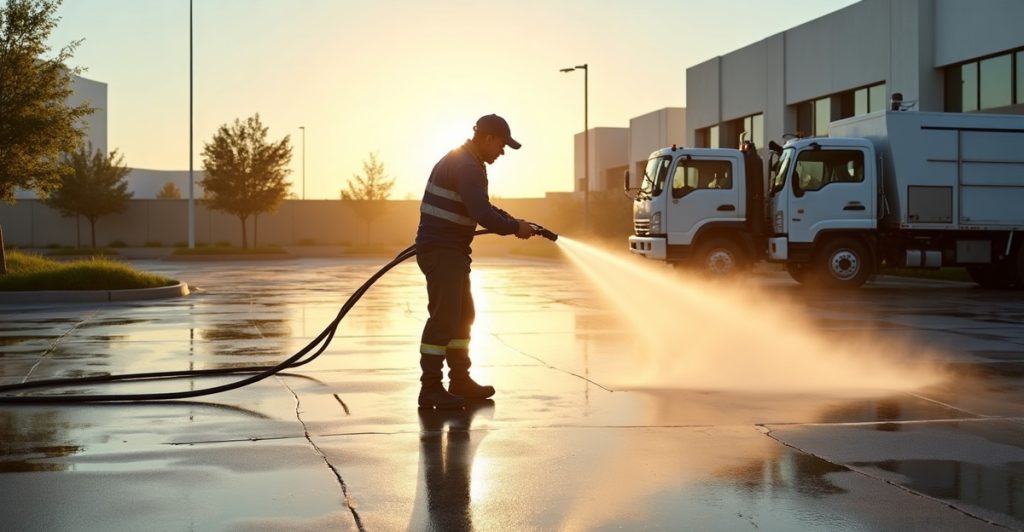
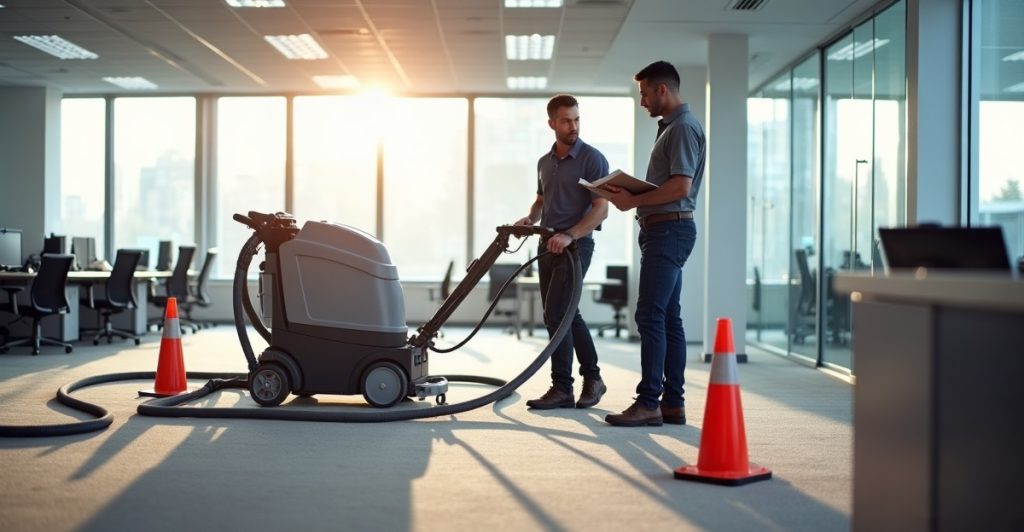
Professional commercial cleaners use industrial-grade equipment such as HEPA-filter vacuums, auto scrubbers, carpet extraction machines, pressure washers, and microfibre cleaning systems. These tools improve cleaning efficiency, remove contaminants more effectively, and help maintain large commercial facilities to a higher standard.
Are eco-friendly commercial cleaning products effective?
Yes. Modern environmentally friendly cleaning products can effectively remove dirt, bacteria, and common contaminants while reducing chemical exposure and environmental impact. Many businesses choose green cleaning programs to support sustainability initiatives and create healthier indoor environments for employees and visitors.
How do commercial cleaning companies maintain quality standards?
Professional cleaning companies typically follow documented cleaning schedules, supervisor inspections, quality checklists, and client feedback processes. Regular audits help ensure consistency, identify issues early, and maintain service levels across offices, healthcare facilities, government buildings, and other commercial properties.
Can commercial cleaning services be customised for different businesses?
Absolutely. Commercial cleaning programs are usually tailored to each facility’s size, industry, operating hours, compliance requirements, and foot traffic. Customised cleaning plans ensure businesses receive the right level of service without paying for unnecessary tasks or missing critical cleaning needs.
What should businesses do before commercial cleaners arrive?
Businesses can improve cleaning efficiency by clearing desks, securing confidential documents, providing access to restricted areas, and identifying any priority cleaning concerns. Good communication between the facility manager and cleaning provider helps ensure all scheduled tasks are completed efficiently.
Does commercial cleaning help extend the life of building assets?
Yes. Regular commercial cleaning removes dirt, dust, and contaminants that contribute to premature wear on carpets, flooring, furniture, and fixtures. Preventive maintenance through professional cleaning helps businesses reduce replacement costs while preserving the appearance and functionality of their facilities.
What should you look for in a commercial cleaning contract?
A good commercial cleaning contract should clearly define the scope of work, cleaning frequency, service inclusions, quality standards, pricing, communication procedures, and termination terms. Reviewing these details before signing helps establish expectations and reduces the risk of service disputes.