What does post construction cleaning include?
Post construction cleaning follows a structured, multi-stage process that prepares commercial sites for safe occupancy, inspection, and handover. At this critical stage, many clients ask what post construction cleaning includes. We cover rough debris removal, detailed surface cleaning, and final touch-ups that align with WHS compliance, inspection readiness, and coordinated project timelines.
Key Takeaways
- We follow three phases: rough clean, detailed clean, and final touch-up or handover clean.
- We remove debris, extract dust from high-access areas, clean internal glass, treat floors, and detail kitchens and bathrooms.
- We focus on operational readiness to support WHS compliance, regulatory inspections, and smooth tenancy transitions.
- We define scope clearly because hazardous material removal, defect rectification, and specialised restoration usually sit outside standard inclusions.
- We coordinate schedules with builders and project managers to reduce delays, prevent rework, and protect handover timelines.
Do not modify or enhance the wording; the text must remain identical except for the HTML markup.
Do not convert the first sentence or introductory text into a heading — it must remain a normal paragraph (<p>).
From Construction Site to Operational Workplace: What You Should Expect
Post construction cleaning is a structured, multi-stage process that prepares a newly built or renovated commercial site for safe occupancy, inspection, and handover. When clients ask us what does post construction cleaning include, we explain that it goes well beyond a basic tidy-up.
In commercial environments such as offices, medical centres, government buildings, and multi-tenant facilities, the goal is operational readiness. That means meeting WHS compliance requirements, presenting the site to a professional standard, and ensuring building surveyors or facility managers can inspect without delay.
Most projects follow three defined phases: rough clean, detailed clean, and final touch-up or handover clean. Each stage builds on the previous one. Skipping steps often leads to rework, delayed approvals, or tenancy disruptions.
Decision-makers usually care about clear outcomes. They want reduced delays at handover, readiness for regulatory inspections, safe access for staff and contractors, and alignment with project timelines. A properly managed post construction cleaning service supports all of these priorities and keeps the final stage of construction on track.
Rough Clean: Clearing Debris and Preparing the Site for Detailed Work
The rough clean begins once major construction works are complete but before final finishes are fully protected. This phase clears the site so that detailed cleaning can be done properly and safely.
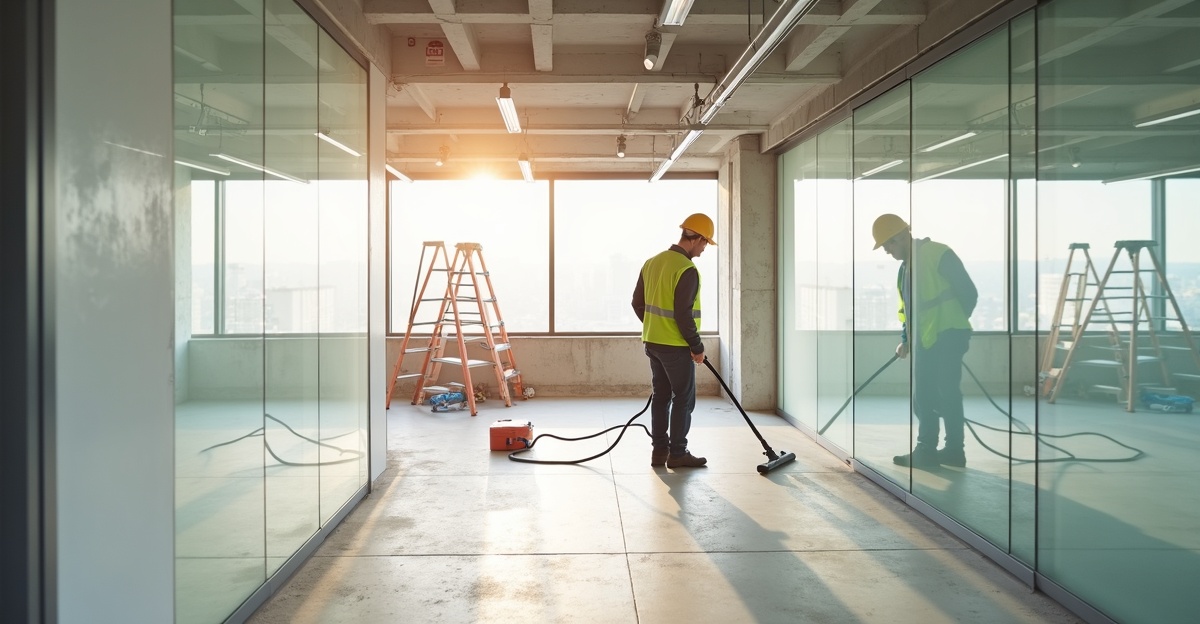
At a commercial scale, the rough clean typically includes removal of builders’ debris, packaging, offcuts, and loose materials from floors and surfaces. Large areas such as corridors, open-plan offices, stairwells, and common areas are swept and vacuumed to remove bulk dust and waste. We also remove protective plastics and clear significant dust from walls, ceilings, ledges, and fixtures.
Internal glass often still has construction film and labels. Where safe and approved, we remove these materials during the rough clean to expose surfaces for detailed work.
Coordination is critical at this stage. We align with builders and project managers on access times, staging areas, and waste handling. This reduces disruption to remaining trades and prevents double handling of materials.
Safety remains a priority. Teams follow site safety protocols, wear appropriate PPE, and manage waste removal in line with WHS compliance requirements. The outcome is a safe, clear foundation for the detailed clean, reducing the risk of ongoing dust contamination or damage caused by unmanaged debris.
Detailed Clean: Surface-By-Surface Removal of Dust, Residue, and Contaminants
The detailed clean is the most labour-intensive phase and forms the core of what is included in post construction cleaning. This is where the site shifts from “built” to presentation-ready.
We carry out comprehensive dust extraction from high-access areas such as ceiling grids, air vents, diffusers, lighting fixtures, and vertical surfaces. Construction dust travels widely and settles in places that general cleaning will not address. Thorough removal improves indoor air quality and reduces complaints after occupancy.
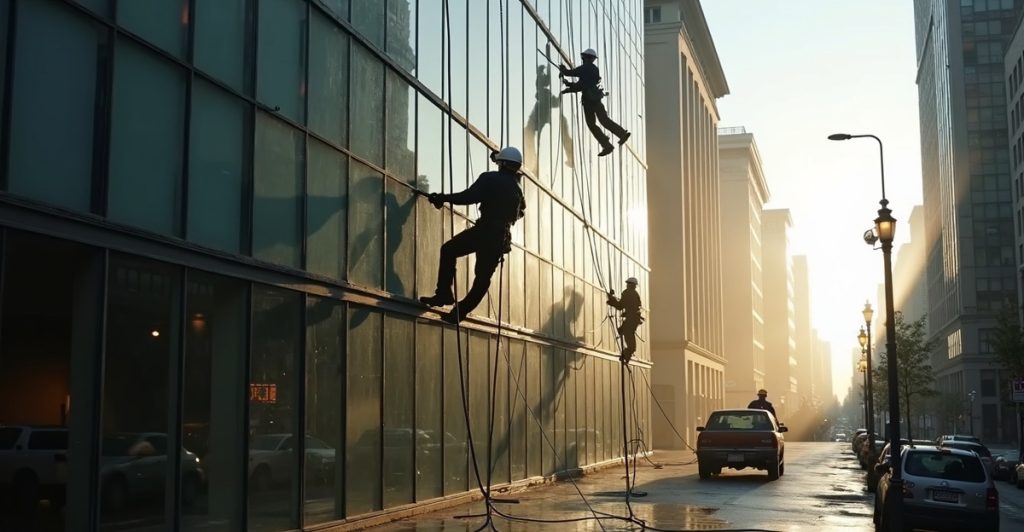
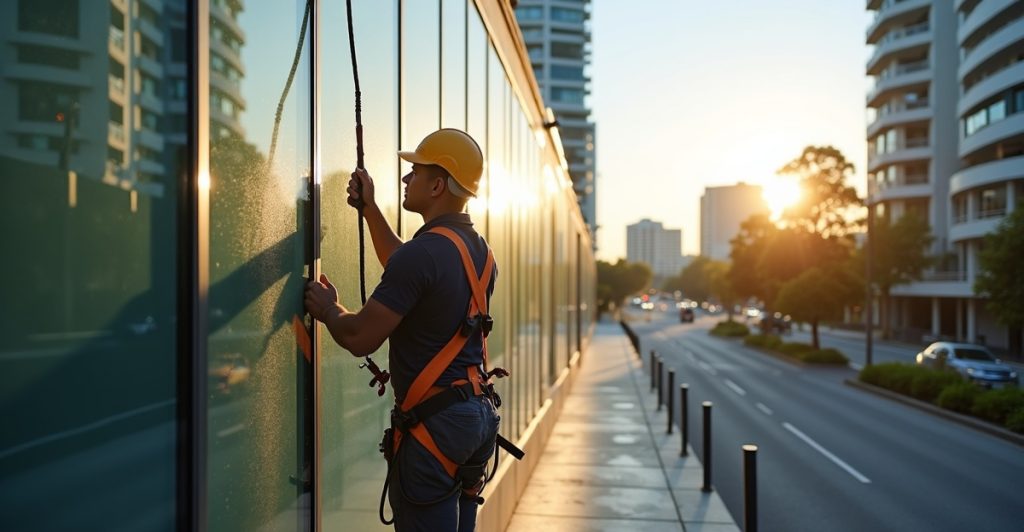
Walls, doors, door frames, skirting boards, switches, power points, and joinery are cleaned and sanitised. Stickers, adhesives, paint splatter, silicone residue, and protective films are carefully removed from glass and fixtures. Internal and, where safely accessible, external glass is professionally cleaned using a dedicated window cleaning service approach suited to construction conditions.
Bathrooms and kitchens receive detailed attention. Sinks, taps, cabinetry, splashbacks, appliances, partitions, and sanitary fixtures are cleaned to a hygiene standard appropriate for first occupancy. In medical or health-adjacent facilities, we apply stricter dust control and sanitisation measures to ensure inspection readiness and compliance with operational requirements.
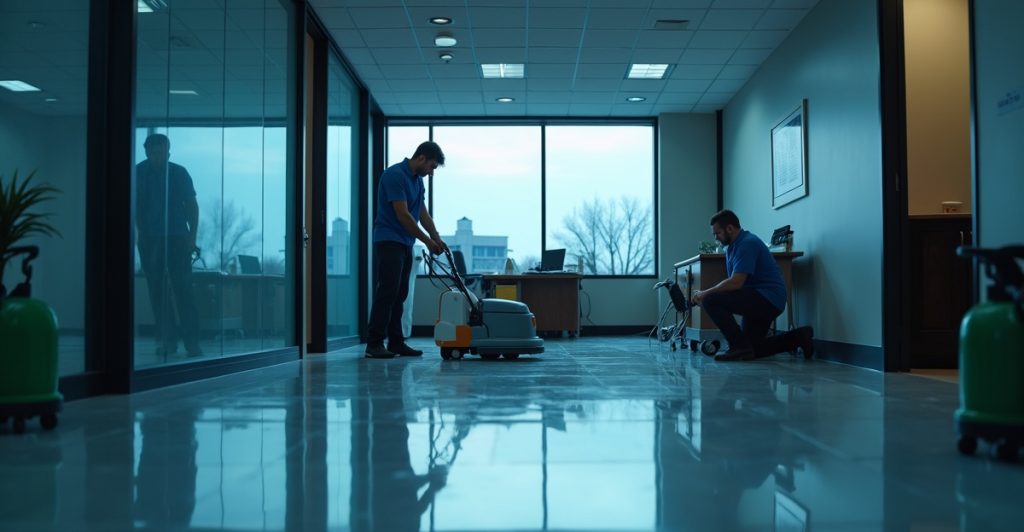
Floors are treated according to material. We vacuum and scrub hard surfaces, use high pressure cleaning where specified for external areas, and prepare surfaces for initial polish or seal where required. Specialist floor cleaning ensures finishes are protected at handover rather than damaged by embedded grit or residue.
Projects vary across sectors. Government or secure buildings may require stricter access protocols and documentation. Multi-tenant office spaces often involve staged handovers across levels or suites. In each case, we align our process with programme milestones.
Clients often compare this stage with broader commercial maintenance standards. For context on ongoing services, we outline those expectations in what is involved in commercial cleaning. Post construction cleaning is more intensive, but the objective remains the same: safe, functional, and presentable environments.
The practical benefits are clear. Indoor air quality improves. Surfaces become safe to touch and use. The asset is ready to be shown to clients, tenants, or staff with confidence.
Final Touch-Up and Handover Clean: Inspection-Ready Standards
The final touch-up, or handover clean, occurs after trades complete defect rectifications. Even minor adjustments can reintroduce dust, marks, or debris. This phase ensures the property meets inspection-ready standards.
We reclean high-traffic areas affected by final trade activity. Glass, mirrors, and polished surfaces receive spot cleaning to remove fingerprints and smudges. All flooring is given a final vacuum and mop. Small scuffs, dust settlement, and last-minute marks are addressed before sign-off.
Quality benchmarks guide this stage. The site must be ready for inspection by building surveyors, facility managers, and regulatory bodies. Cleaning aligns with the agreed scope and any documented checklists. WHS compliance and safe presentation remain essential.
Close coordination with project managers helps minimise operational delays. If tenants are preparing to move in, timing becomes critical. We schedule the final clean to avoid clashes with furniture delivery, IT setup, or final installations.
The outcome is a clean, compliant, fully presentable commercial environment. Handover can proceed with confidence, and occupancy can begin without preventable setbacks.
What Is Not Typically Included in Post Construction Cleaning
Clear scope definition prevents confusion and budget overruns. While we are often asked what is included in post construction cleaning, certain tasks usually sit outside standard agreements.
Hazardous material removal, such as asbestos or chemical contamination, requires licensed specialists and separate engagement. Rectification of builder defects or poor workmanship is also excluded. Cleaning addresses surface contamination, not construction faults.
Specialised restoration services, including mould remediation or major stain repair, are typically outside a standard post construction scope unless specifically quoted. Major waste disposal beyond agreed quantities or off-site waste management outside contract terms may also require additional arrangements.
Reviewing quotes carefully is essential. We recommend confirming exactly what is included in post construction cleaning and documenting any exclusions in writing. Transparent scope protects both parties and reduces the risk of disputes during handover.
How to Compare Providers and Avoid Scope Gaps
Procurement and operations teams benefit from a structured approach when assessing providers. Clear documentation and open communication reduce surprises at the final stage.
Essential scope checkpoints
Before appointing a provider, we recommend confirming:
- All three cleaning phases are itemised: rough clean, detailed clean, and final touch-up or handover clean.
- High-access dust extraction, including vents and ceiling grids, is explicitly included.
- Glass cleaning, floor treatments, and bathroom or kitchen detailing are clearly specified.
- Safety procedures, site inductions, and WHS compliance documentation are addressed.
- Experience in similar commercial environments across Brisbane, the Gold Coast, and surrounding metro areas is demonstrated.
- Timelines, access requirements, and coordination with other contractors are agreed in advance.
Experience in broader commercial cleaning environments also matters. Providers who understand live workplaces, strata operations, and multi-tenant demands are better prepared for the final transition from site to workplace.
We use structured checklists and work closely with project teams to align cleaning with programme milestones. That coordination helps prevent scope gaps and last-minute pressure before inspection.
For teams reviewing upcoming handovers, we recommend an early scope review. A clear, well-defined plan keeps the project moving and ensures the site is ready for inspection and operational use. Sites across Brisbane and the Gold Coast can request a review or get a quote so we can confirm alignment with inspection and occupancy requirements.
Frequently Asked Questions
What is the difference between post-construction cleaning and regular cleaning?
Post-construction cleaning removes construction dust, debris, paint splatters, adhesive residue, and other building-related contaminants that regular cleaning does not address. It requires specialised equipment, detailed cleaning techniques, and extra attention to surfaces affected during construction. Hiring professionals ensures the property is safe, clean, and ready for occupancy.
How many stages are involved in post-construction cleaning?
Most projects involve two or three cleaning stages. These typically include a rough clean to remove debris, a detailed clean to eliminate dust and residue, and a final sparkle clean before handover. Larger commercial projects may require additional cleaning after inspections or contractor touch-ups.
Does post-construction cleaning include removing paint and adhesive residue?
Yes, professional post-construction cleaning usually includes removing paint splatters, silicone residue, stickers, protective film, and adhesive marks from suitable surfaces. Cleaners use specialised products and techniques to avoid damaging glass, flooring, cabinetry, and other finished materials.
Why is construction dust considered a health risk?
Construction dust often contains fine particles that can irritate the eyes, skin, and respiratory system. Some projects may also generate silica dust, which requires careful removal using HEPA-filtered equipment. Thorough cleaning improves indoor air quality and creates a healthier environment before occupants move in.
Who is responsible for post-construction cleaning?
Responsibility depends on the construction contract. Builders often arrange a builders’ clean before handover, while property owners, developers, or tenants may organise a final detailed clean before occupying the space. Confirming responsibilities early helps avoid delays at project completion.
How long does a post-construction clean usually take?
The cleaning time depends on the property’s size, level of construction work, and amount of dust and debris. A small renovation may take only a few hours, while large commercial or multi-storey projects can require several days. A site inspection provides the most accurate estimate.
Does post-construction cleaning include air vents and light fixtures?
Yes, comprehensive post-construction cleaning should include dusting and cleaning air vents, ceiling fans, light fixtures, switches, and other high surfaces where construction dust commonly settles. Cleaning these areas helps prevent dust from circulating after the building is occupied.
Can occupants move in immediately after post-construction cleaning?
In most cases, yes. Once all debris, dust, residues, and cleaning products have been removed, the property is generally ready for occupancy. A final inspection ensures all surfaces are clean, safe, and prepared for everyday use before furniture and equipment are moved in.
What equipment is used during post-construction cleaning?
Professional cleaners commonly use HEPA vacuums, microfiber cloths, floor scrubbers, extension poles, glass cleaning tools, and specialised cleaning solutions. This equipment captures fine dust more effectively than household tools and helps protect newly finished surfaces from scratches or damage.
How do you know when post-construction cleaning is complete?
A post-construction clean is complete when all visible dust, debris, protective coverings, paint residue, fingerprints, and construction waste have been removed. Floors, windows, fixtures, and high-touch surfaces should be spotless, allowing the property to pass final inspections and be ready for immediate use.