What Are the Benefits of Commercial Cleaning Services?
We understand what the benefits of commercial cleaning services are, and we use that understanding to help organisations assess how structured cleaning strengthens risk control, supports regulatory compliance, protects assets, and maintains operational continuity. We deliver measurable results through documented processes, preventative maintenance, and consistent hygiene standards across high-traffic and regulated environments. Clear systems and defined accountability drive consistent outcomes.
Key Takeaways
- Reduces workplace health and safety risks through structured cleaning schedules, supervision, and documented procedures
- Supports regulatory compliance and audit readiness with clear reporting, checklists, and quality control processes
- Protects physical assets such as flooring, fixtures, and fit-outs, lowering long-term capital replacement costs
- Improves productivity and attendance by maintaining consistent hygiene in shared and high-use areas
- Enhances brand perception and stakeholder confidence through reliable presentation across single and multi-site operations
How Commercial Cleaning Directly Impacts Workplace Health, Safety and Operational Risk
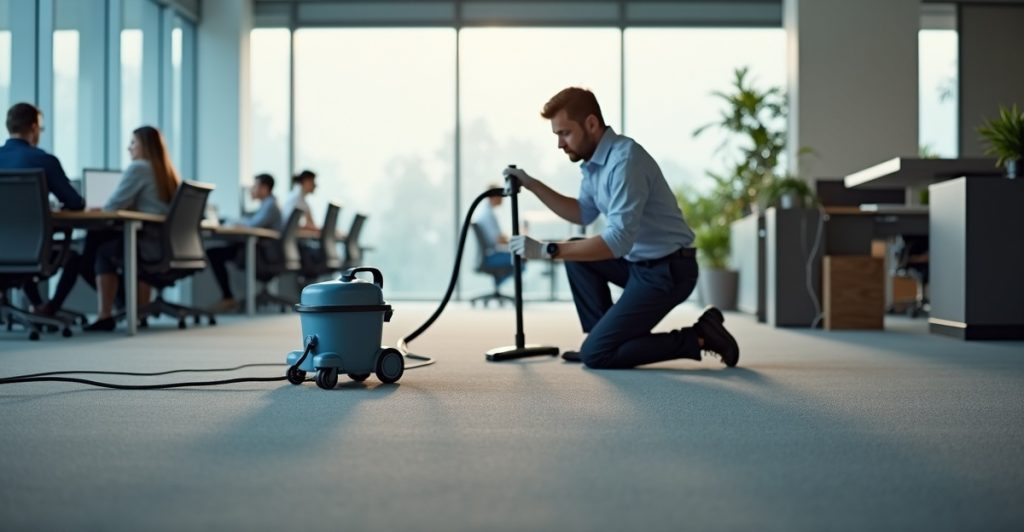
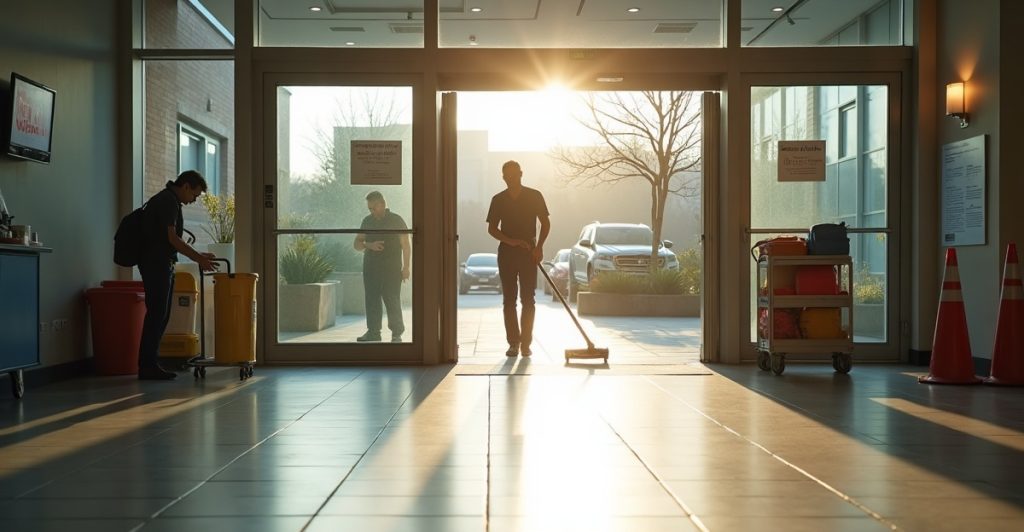
Professional commercial cleaning reduces workplace health risks and supports compliance across offices, medical facilities, government buildings, and multi-site operations. It protects staff, contractors, and visitors by maintaining consistent hygiene standards in high-traffic environments. For many organisations, understanding what are the benefits of commercial cleaning services starts with risk control.
Workplace health and safety obligations in Australia require employers to provide a safe working environment. Cleaning plays a direct role in meeting that obligation. Documented cleaning procedures, clear schedules, and supervision show that risk is being managed in a structured way rather than handled reactively.
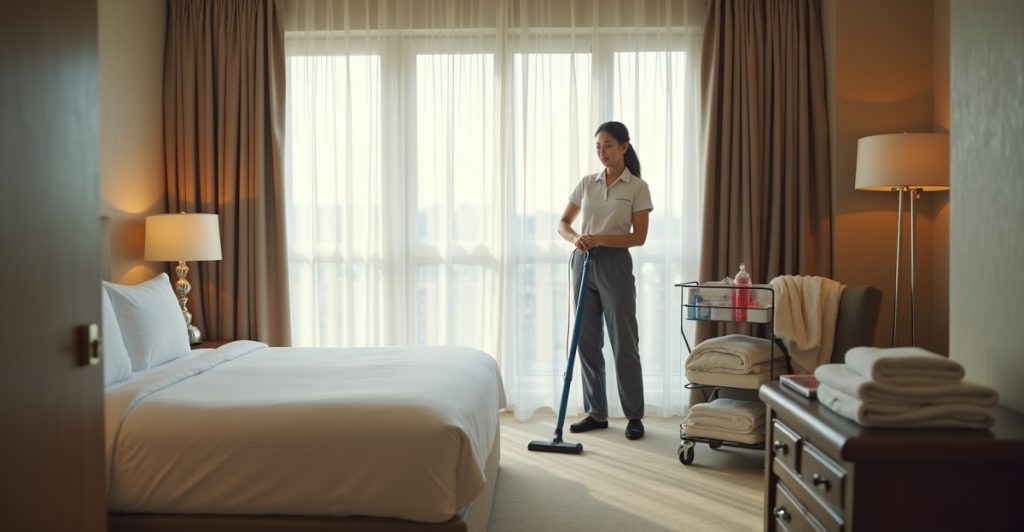
In medical and regulated environments, standards are higher. Medical-grade cleaning in healthcare settings requires defined processes, appropriate chemicals, and staff trained in cross-contamination control. Routine touchpoint disinfection schedules reduce the spread of contaminants across shared desks, lifts, kitchens, and bathrooms. This approach supports operational continuity without making unsupported health claims.
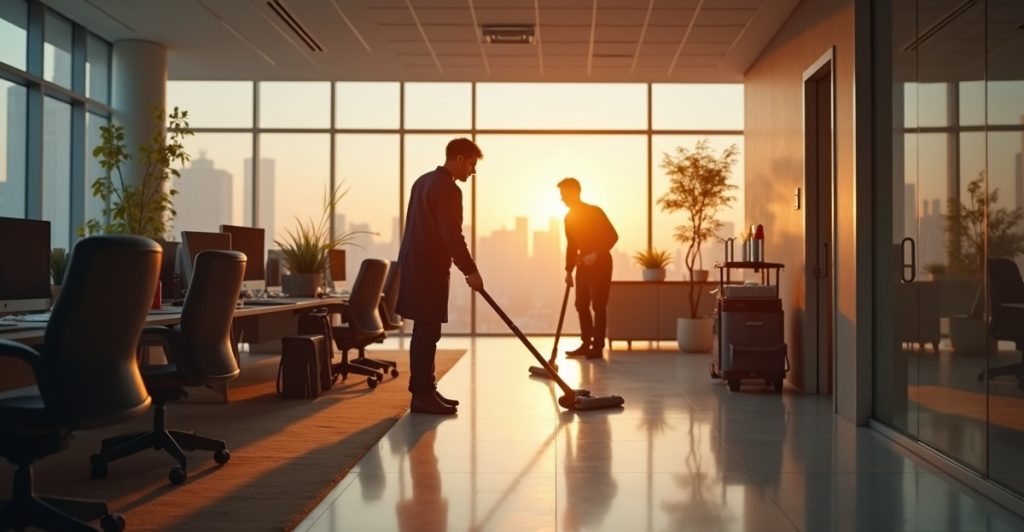
A structured cleaning plan also limits disruption. We plan cleaning around business hours, peak traffic periods, and shift changes. This protects productivity while maintaining hygiene standards. Larger facilities benefit from clearly defined zones, response protocols for spills, and escalation procedures for higher-risk areas.
These practices contribute to measurable outcomes:
- Reduced operational interruptions caused by preventable hygiene issues
- Lower absenteeism risk through controlled shared-space hygiene
- Improved audit readiness with documented tasks and sign-offs
- Clear accountability through reporting and supervisor checks
Managers often explore why hire a commercial cleaning service when internal processes become inconsistent. The answer is usually linked to control, documentation, and experience in managing risk at scale.
For organisations reviewing commercial cleaning services, the focus should remain on site-specific risk management and continuity planning. Cleaning is operational infrastructure. It supports daily activity and reduces avoidable disruption.
Protecting Assets and Reducing Long-Term Operational Costs
Commercial cleaning protects physical assets and controls long-term expenditure. Flooring, carpet, fixtures, and high-value fit-outs represent a significant capital investment. Without structured maintenance, these assets deteriorate faster than expected.
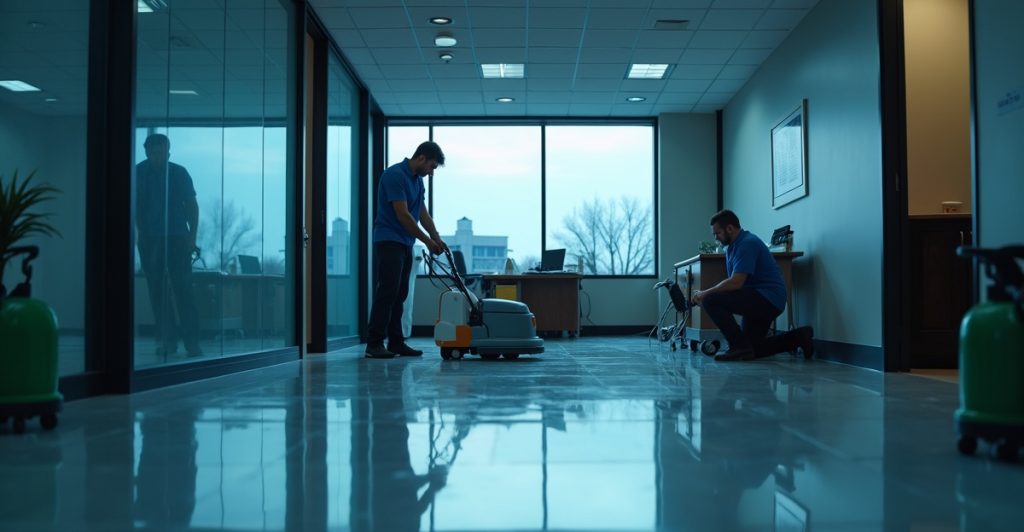
Preventative floor care programs extend the lifespan of vinyl, tile, and carpeted surfaces in high-traffic environments. Dirt acts as an abrasive. Moisture weakens adhesives and finishes. Routine machine scrubbing, burnishing, and carpet extraction reduce damage and maintain presentation standards.
Washroom hygiene programs protect fixtures and plumbing infrastructure. Correct chemical selection prevents etching and corrosion. Scheduled deep cleaning services address buildup that routine maintenance cannot remove.
Cleaning frequency, scope, and method must align with foot traffic and use patterns. An office with daily footfall requires a different maintenance strategy from a warehouse or industrial site. Matching service design to environment avoids premature replacement of flooring and fittings.
Decision-makers often shift perspective once they review how to measure ROI on commercial cleaning services. The benefits of cleaning services are not limited to appearance. They influence lifecycle planning, budget predictability, and capital expenditure timing.
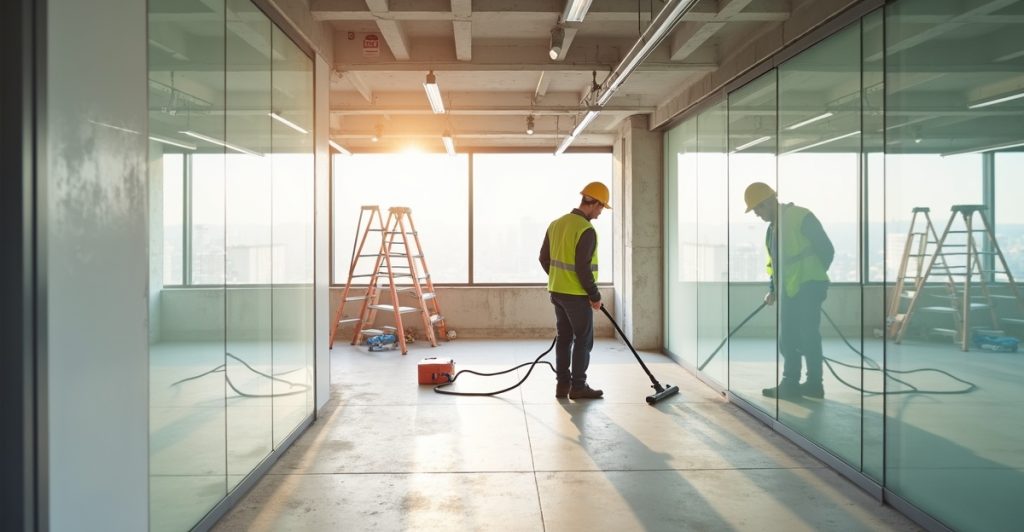
Professional industrial cleaning extends the life of plant areas and heavy-use sections of commercial facilities. Preventative care costs less than replacement. That principle applies consistently across industries.
Supporting Regulatory Compliance and Audit Readiness
Structured cleaning supports compliance across regulated environments, including medical facilities and government buildings. Written checklists, reporting systems, and supervisor inspections provide evidence that cleaning standards are being maintained.
Procurement frameworks increasingly require documented processes. Facility managers must demonstrate accountability and risk control. Cleaning documentation supports these requirements by recording frequency, chemicals used, and completed tasks.
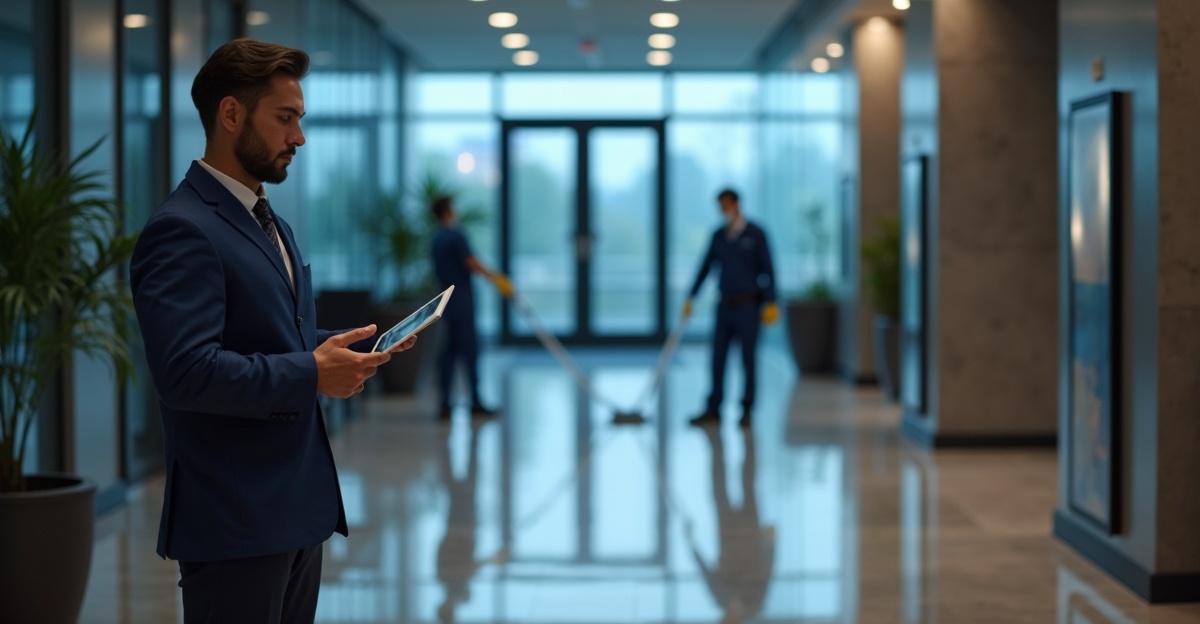
Audit readiness improves when cleaning schedules align with regulatory standards. Supervisors conduct spot checks. Reports track recurring issues. Escalation pathways clarify responsibility. This structure reduces last-minute compliance pressure.
Organisations comparing providers often conduct site walkthroughs to review methodology and practical capability. Understanding what is involved in commercial cleaning helps managers evaluate vendor value beyond hourly rates.
The benefits of commercial cleaning services in regulated sectors include reduced compliance risk, greater documentation transparency, and clearer quality control. Strong processes also assist risk management teams during internal reviews and external audits.
For operations leaders across sectors listed under our industries we service, consistency and documentation carry as much weight as presentation. Compliance confidence strengthens operational stability.
Improving Staff Productivity, Attendance and Workplace Experience
Clean, well-maintained environments support smoother daily operations. Shared kitchens, meeting rooms, and washrooms operate more efficiently when hygiene standards are consistent. Breakdowns in cleanliness often lead to complaints and internal friction.
Busy teams rely on predictable standards. A structured office cleaning plan ensures bins are emptied, surfaces are sanitised, and shared facilities remain usable throughout the week. This reduces distractions and last-minute service requests.
Facility managers manage operational pressures daily. Staffing shortages, visitor traffic, and tight schedules leave little margin for reactive cleaning. Planned maintenance helps avoid unexpected issues in high-traffic areas.
Many organisations revisit why it is important to have a clean workspace after service standards slip. The practical outcomes are clear: fewer complaints, better morale, and less time spent resolving preventable issues.
The benefits of office cleaning services extend beyond appearance. Cleaner shared spaces support workflow consistency. Meeting rooms are presentation-ready. Kitchen areas remain hygienic throughout peak usage. Operations feel organised rather than reactive.
Reliable janitorial services maintain that consistency through daily and weekly schedules. Steady standards allow teams to focus on core responsibilities rather than maintenance gaps.
Enhancing Brand Perception and Client Confidence
Presentation influences perception. Reception areas, entryways, meeting rooms, and washrooms signal operational standards to visitors and stakeholders. Clean facilities communicate order and control.
Multi-site organisations across Brisbane, the Gold Coast, and surrounding metro areas require consistency. A reliable cleaning partner ensures standards remain aligned across every location. Inconsistent presentation weakens brand credibility.
Routine disinfection of high-touch areas through a structured sanitisation service reinforces that commitment to hygiene. This consistency strengthens stakeholder confidence in management oversight.
The benefits of office cleaning include stronger first impressions and fewer negative comments from clients or staff. Clean environments support reputation management without additional marketing effort.
For many organisations, exploring resources in our cleaning insights blog helps clarify service expectations and performance benchmarks. Informed evaluation leads to better vendor selection and long-term partnerships.
What High-Quality Commercial Cleaning Should Include When Comparing Providers
High-quality commercial cleaning requires clear scope definition, structured scheduling, trained staff, and documented quality control. Performance depends on supervision and communication, not just task lists.
Common commercial pain points include inconsistent cleaners, missed tasks, and limited accountability. These issues disrupt operations and create hidden management workload. Reliable providers address this risk with structured oversight and reporting.
Pricing varies based on scope, frequency, staffing standards, supervision levels, and reporting transparency. Lower prices often reflect reduced oversight or minimal documentation. Operational value should outweigh short-term savings.
Vendor comparisons should begin with site walkthroughs and facility assessments. A detailed review clarifies traffic flow, risk points, compliance obligations, and service intensity. Understanding what commercial cleaning involves supports informed procurement decisions.
Outsourcing cleaning is a strategic operational decision. It supports reliability and continuity across complex facilities. Decision-makers evaluating what are the benefits of commercial cleaning services should measure providers against risk mitigation, documentation quality, and long-term asset protection.
Organisations ready to improve standards can request a cleaning quote to assess scope and performance benchmarks. Comparing providers against measurable outcomes ensures cleaning supports business operations, rather than adding pressure to them.
Frequently Asked Questions
Can commercial cleaning services improve employee productivity?
Yes. A clean workplace helps employees stay focused by reducing dust, clutter, unpleasant odours, and germs. Cleaner work environments also contribute to fewer sick days and better morale, allowing teams to work more efficiently. Maintaining consistent cleaning schedules supports both employee wellbeing and overall business performance.
Is commercial cleaning more cost-effective than hiring an in-house cleaner?
For many businesses, yes. Commercial cleaning companies provide trained staff, specialised equipment, and flexible service schedules without the added costs of recruitment, employee benefits, training, or equipment maintenance. Outsourcing often delivers more consistent results while helping businesses control operating expenses.
How often should a business schedule commercial cleaning?
The ideal cleaning frequency depends on your industry, occupancy, and daily foot traffic. Offices may require daily or several-times-weekly cleaning, while medical facilities, retail stores, and high-traffic environments often need daily sanitisation. A professional cleaning company can recommend a schedule based on your facility’s specific needs.
Does commercial cleaning help extend the life of office assets?
Yes. Regular cleaning removes dirt, dust, and contaminants that gradually damage carpets, flooring, furniture, and office equipment. Preventive cleaning reduces wear and tear, helping businesses delay costly repairs and replacements while protecting their long-term investment.
How does commercial cleaning improve indoor air quality?
Commercial cleaning improves indoor air quality by removing dust, allergens, mould spores, and other airborne particles from carpets, upholstery, vents, and hard surfaces. Cleaner air creates a healthier workplace, reduces allergy symptoms, and contributes to a more comfortable environment for employees and visitors.
Are eco-friendly commercial cleaning services as effective as traditional cleaning?
Yes. Modern eco-friendly cleaning products can effectively remove dirt, bacteria, and viruses while reducing exposure to harsh chemicals. Many businesses choose environmentally responsible cleaning solutions to improve workplace sustainability without compromising cleanliness or hygiene standards.
What signs indicate it’s time to hire a commercial cleaning company?
Common signs include recurring employee complaints about cleanliness, unpleasant odours, increased sick leave, dirty carpets, overflowing bins, dusty surfaces, or customers noticing poor presentation. If maintaining cleanliness is becoming difficult, professional commercial cleaning can restore consistent hygiene standards.
Can commercial cleaning help businesses meet health and safety requirements?
Yes. Professional commercial cleaning supports compliance by maintaining hygienic workspaces, reducing contamination risks, and following appropriate cleaning procedures. While compliance requirements vary by industry, regular cleaning helps businesses create safer environments for employees, customers, and visitors.
Why is a customised commercial cleaning plan better than a standard package?
Every workplace has different cleaning requirements based on its size, layout, operating hours, and industry regulations. A customised cleaning plan focuses resources where they’re needed most, ensuring consistent results, improved efficiency, and better value than a one-size-fits-all cleaning schedule.
Does investing in commercial cleaning save money over time?
Yes. Although professional cleaning is an ongoing expense, it often reduces long-term costs by extending the lifespan of building assets, lowering maintenance expenses, minimising employee absenteeism, and helping businesses avoid costly hygiene-related issues. Preventive cleaning is generally more affordable than repairing neglected facilities.