Which carpet cleaning method should you choose?
Selecting which carpet cleaning method we should use depends on our facility’s traffic levels, hygiene standards, drying limits, and daily operational demands rather than one single “best” option. We match the method to the environment. The right strategy blends deep cleaning with low-moisture maintenance and schedules work around humidity, access restrictions, and long-term asset protection.
Key Takeaways
- There is no universal best method; we base the right solution on facility type, soil load, compliance requirements, and available downtime.
- Hot water extraction delivers deep sanitation and restorative cleaning, yet we plan for longer drying times and precise scheduling.
- Encapsulation and dry compound systems support low-disruption maintenance with fast drying, which makes them ideal for busy or multi-tenant facilities.
- Bonnet cleaning quickly improves surface appearance, though we use it as one component of a broader maintenance plan.
- A structured program that combines periodic deep extraction with routine low-moisture cleaning extends carpet life and protects operational continuity.
How to Decide: The Right Method Depends on Your Facility, Not a Single “Best” Option
Clarifying which carpet cleaning method should you choose starts with understanding your facility’s operational needs. Searches such as which carpet cleaning method is best and what carpet cleaning method is the best suggest there’s a clear winner, but there isn’t a universal answer.
A high-rise corporate office operates differently from a medical centre. An education facility has different timing pressures compared to a government building. Carpet cleaning methods which is better for one environment may create disruption or risk in another.
Long-term performance matters more than a single deep clean. We focus on consistent results, minimal disruption, and protecting your flooring asset over time. A well-structured program reduces wear, supports hygiene standards, and limits unexpected replacement costs.
Key decision drivers include:
- Traffic volume and soil load
- Hygiene requirements and compliance obligations
- Drying time constraints
- Building access and after-hours availability
- Carpet fibre type and backing condition
- Budget allocation across short-term and long-term needs
Facility managers across Brisbane and the Gold Coast face practical pressures. Multi-storey buildings restrict equipment access. Tenants expect minimal interruption. After-hours windows are tight. Humidity extends drying times and increases mould risk if moisture isn’t managed correctly.
The right method supports procurement and contract renewal decisions. It must align with risk profile, operational continuity, and asset longevity rather than chasing a single “best” label.
Objective Comparison of Commercial Carpet Cleaning Methods
Selecting the right system requires a clear side-by-side view of common commercial approaches. No single method answers every operational need. Each has strengths and limits depending on site conditions.
Hot Water Extraction (Steam Cleaning)
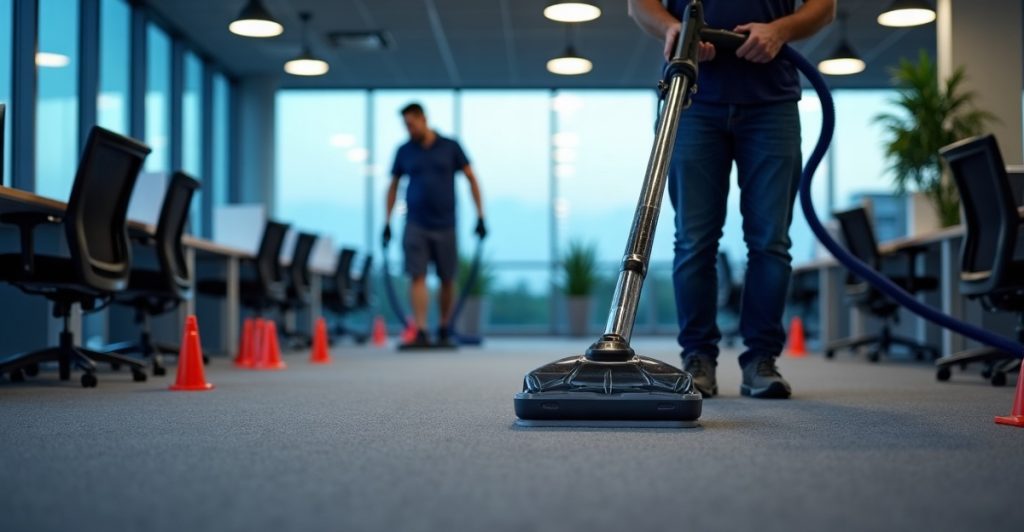
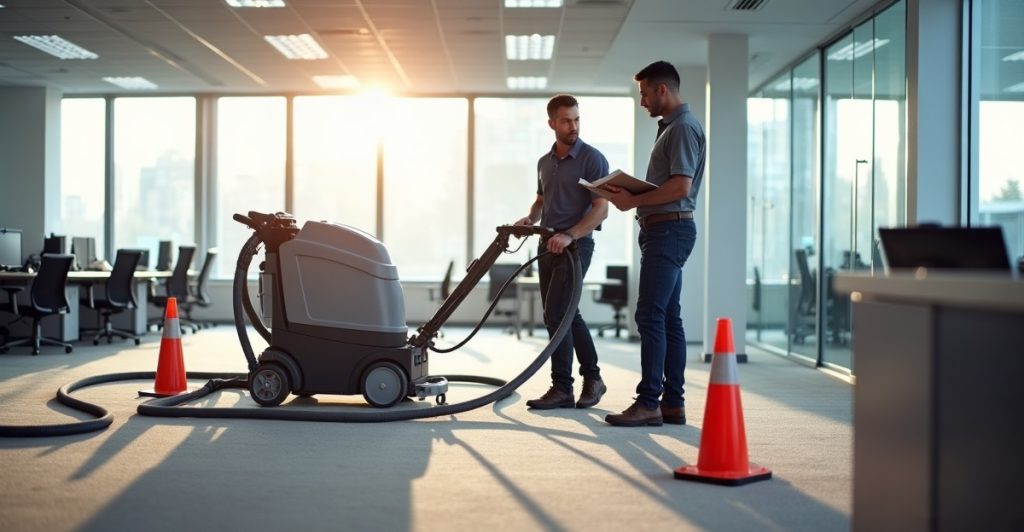
Hot water extraction pushes heated water and cleaning solution deep into carpet fibres, then extracts soil and moisture with powerful suction.
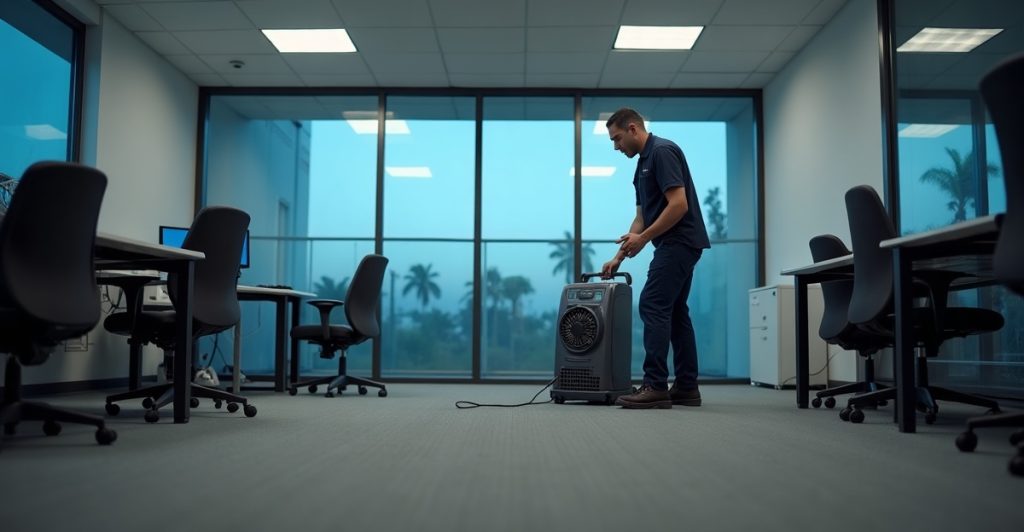
Drying time usually ranges from 6–12 hours in controlled environments. Brisbane and Gold Coast humidity can extend this window if airflow is limited.
Operational disruption is moderate to high unless scheduled after hours. Equipment access and noise must be planned carefully.
Hygiene effectiveness is strong. This method removes embedded soil, allergens, and contaminants well. It supports indoor air improvements when used correctly, as explained in how cleaning affects indoor air quality.
Long-term impact on carpet fibres is positive when performed responsibly. Over-wetting or poor extraction, however, can affect backing and adhesives.
Short-term cost may be higher than surface methods, but long-term value is strong in high-soil regions.
Encapsulation, Dry Cleaning and Bonnet Cleaning
Encapsulation applies a solution that surrounds soil particles. Once dry, the residue crystallises and is removed through routine vacuuming.
Dry cleaning (low-moisture compound) uses an absorbent compound spread across the carpet. The compound binds to soil and is then vacuumed away.
Bonnet cleaning uses a rotary machine with an absorbent pad to lift surface soil.
Drying times for encapsulation and dry compound systems are short, often 1–2 hours. This is a major advantage in humid climates. Bonnet cleaning also dries quickly.
Operational disruption is low. These methods suit multi-tenancy sites and staged cleaning programs.
Hygiene depth differs. Encapsulation and dry compound systems remove more embedded soil than bonnet cleaning. Bonnet primarily improves surface appearance.
Long-term fibre health depends on correct scheduling. Low-moisture systems work well as maintenance between periodic deep cleans. Over-reliance on surface pads alone can leave residue behind.
Cost per visit is usually lower. However, total value depends on integration into a broader commercial strategy. Understanding what is involved in commercial cleaning helps align method choice with your full facility scope.
Steam cleaning is not automatically better. Low-moisture is not superficial when used within a structured maintenance plan. The environment and risk profile determine which method of carpet cleaning is best.
Hot Water Extraction (Steam Cleaning): When Deep Hygiene Matters Most
Hot water extraction is a restorative deep-cleaning method. Heated solution penetrates fibres and flushes out embedded soil, bacteria, and contaminants.
This method suits:
- Medical centres with strict hygiene expectations
- End-of-lease or restorative cleans
- High-traffic lobbies with visible soil build-up
- Sites maintaining compliance standards
Strength lies in deep soil removal. Properly executed extraction supports hygiene assurance and extends carpet lifespan.
Limitations must be managed. Drying times are longer, especially during humid Brisbane and Gold Coast periods. Scheduling after hours or over weekends reduces disruption.
Routine maintenance differs from restorative deep cleaning. Heavy extraction every month is rarely necessary. Instead, we recommend a balanced approach combining regular low-moisture maintenance with scheduled deep extraction.
Facilities where compliance and deep hygiene are top priorities may find this answers what carpet cleaning method is the best. Cost varies based on frequency and scope. For budgeting clarity, review how much does carpet cleaning cost to understand planning considerations.
For properties needing scheduled deep cleans across metro areas, our Brisbane carpet cleaning services and Gold Coast carpet cleaning services are structured around operational continuity.
Encapsulation and Dry Carpet Cleaning: Low-Disruption Maintenance for Busy Facilities
Encapsulation works by applying a cleaning agent that surrounds soil. As it dries, dirt particles form crystals and are removed during routine vacuuming.
Dry compound systems spread an absorbent material that binds with soil before extraction.
These methods work well in:
- Multi-storey office buildings
- Education facilities operating daily
- Commercial sites requiring immediate re-entry
- Properties with restricted downtime
Drying time is short. Reduced moisture lowers mould risk in humid climates and protects adhesives and subfloors.
Operational disruption stays minimal. Equipment footprints are smaller. Noise levels are lower. Tenants can often continue normal operations with staged cleaning.
We use these systems as part of a structured maintenance plan rather than a substitute for deep extraction. Scheduled correctly, they maintain appearance and soil control between restorative cleans.
Facilities comparing carpet cleaning methods which is better often discover low-moisture options support routine performance while limiting disruption. For ongoing programs, our commercial carpet cleaning services integrate encapsulation and extraction based on site conditions.
Bonnet Cleaning and Other Surface Methods: Where They Fit (and Where They Don’t)
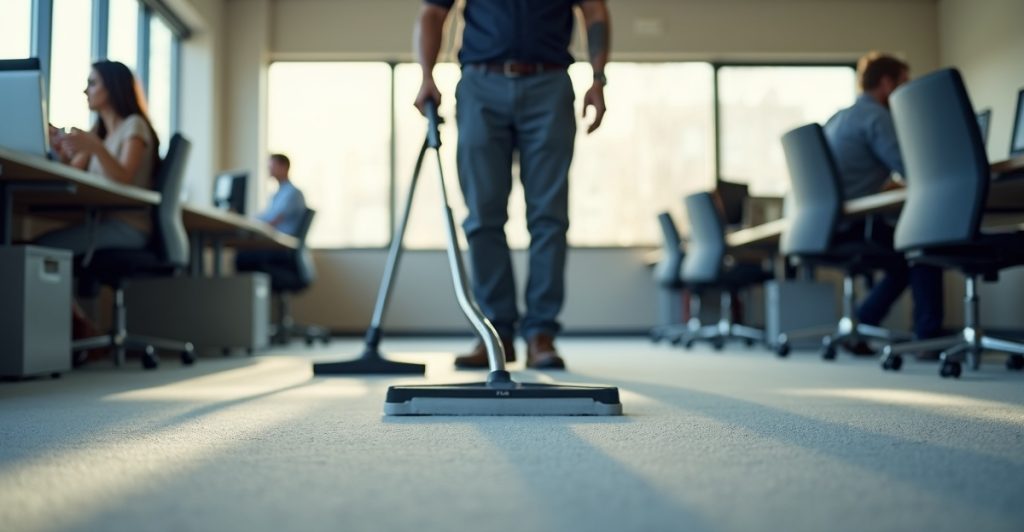
Bonnet cleaning uses a rotary machine fitted with an absorbent pad. The pad rotates across the carpet surface and absorbs loosened soil.
This method suits:
- Entry points needing quick visual improvement
- Interim appearance refresh before events
- Budget-conscious short-term upgrades
It is fast and cost-effective for surface enhancement. Drying time is short.
Limitations are clear. Soil removal is mostly superficial. Residue can build up if used repeatedly without deeper cleaning. Fibre wear may also increase if aggressive techniques are applied regularly.
Bonnet cleaning works as part of a broader floor strategy, which may also include hard surface maintenance under a structured floor cleaning program. It should not stand alone as the long-term solution.
Over-reliance can mask deeper hygiene issues. For most commercial environments, we position bonnet cleaning as an interim method within a balanced schedule.
How to Choose the Best Method for Your Building’s Operations
Every facility requires a site-specific assessment. Rather than chasing what carpet cleaning method is the best in general terms, we evaluate operational realities first.
We assess:
- Traffic levels: light, moderate, or heavy
- Facility type: office, healthcare, education, or government
- Compliance requirements and hygiene risk tolerance
- Available downtime and access windows
- Carpet fibre type, age, and backing condition
- Budget balance between routine maintenance and periodic deep restoration
Humidity across Brisbane and the Gold Coast affects scheduling decisions. Longer drying times increase risk if airflow isn’t controlled. Low-moisture programs often reduce this exposure between deep cleans.
Routine maintenance differs from restorative intervention. A balanced structure might include quarterly encapsulation with annual or biannual hot water extraction. High-traffic medical sites may require more frequent deep cleaning.
Independent advice supports better procurement outcomes. Understanding why hire a commercial cleaning service helps align risk management with operational efficiency. Budget forecasting also improves when reviewing commercial cleaning services cost expectations.
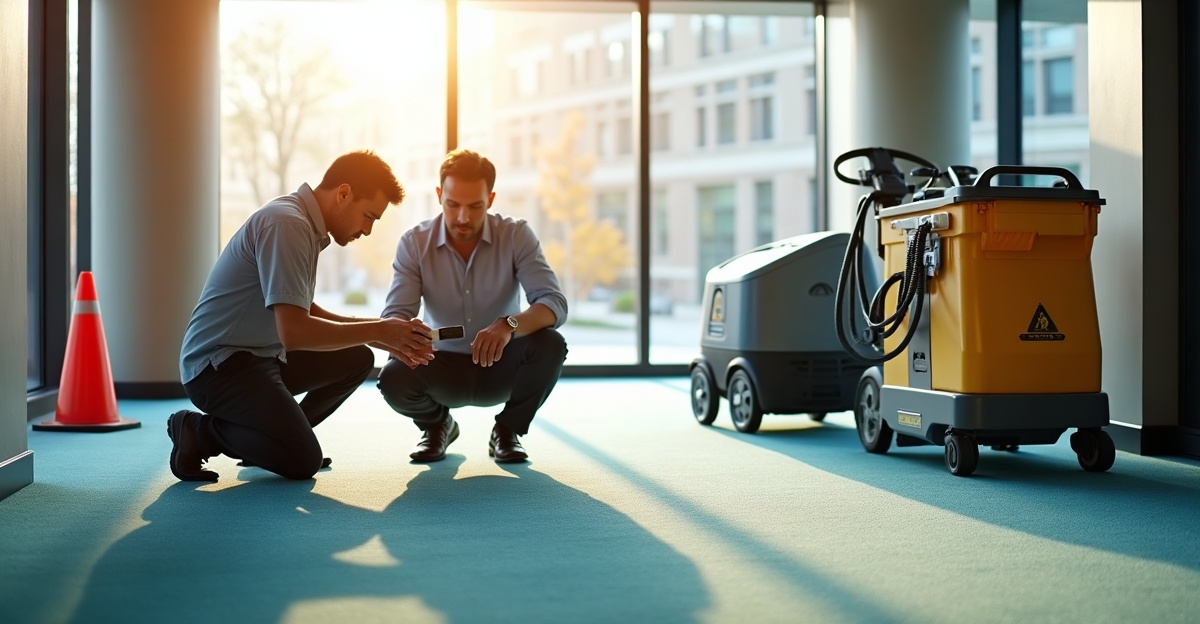
We recommend a professional site inspection before locking in any method. Real conditions determine which carpet cleaning method should you choose. For a clear, practical assessment aligned with your building’s requirements, request a structured proposal through our commercial cleaning quote process.
Frequently Asked Questions
Which carpet cleaning method removes the most dirt?
Hot water extraction generally provides the deepest clean by flushing dirt, allergens, and cleaning solution from carpet fibres. It is ideal for heavily soiled carpets and annual deep cleaning. For the best results, ensure the carpet is allowed to dry completely before regular use.
Is dry carpet cleaning better than steam cleaning?
Neither method is universally better. Dry carpet cleaning is excellent when fast drying is important, while steam cleaning is more effective for deep soil removal and allergen reduction. The best choice depends on your carpet type, cleaning goals, and available drying time.
Which carpet cleaning method dries the fastest?
Dry carpet cleaning and encapsulation methods typically dry within one to two hours, while hot water extraction may require six to twenty-four hours depending on humidity, airflow, and carpet thickness. Good ventilation significantly reduces drying time.
What is the best carpet cleaning method for allergy sufferers?
Hot water extraction is often the preferred option because it removes dust mites, pollen, pet dander, and other allergens trapped deep within carpet fibres. Regular vacuuming combined with periodic professional deep cleaning helps maintain healthier indoor air quality.
Can steam cleaning damage carpets?
Steam cleaning is generally safe when performed correctly, but excessive moisture or improper equipment can damage certain natural fibres or leave residue behind. Following manufacturer recommendations and using experienced professionals helps protect your carpet investment.
Which carpet cleaning method is safest for homes with pets and children?
Low-residue methods such as hot water extraction and encapsulation are popular choices because they leave minimal cleaning chemicals behind. After cleaning, carpets should be fully dry before pets or children resume normal use.
How often should carpets be professionally cleaned?
Most households benefit from professional carpet cleaning every 12 to 18 months. Homes with pets, children, heavy foot traffic, or allergy concerns may require cleaning every 6 to 12 months to maintain appearance and hygiene.
Can professional carpet cleaning remove old stains?
Professional cleaning can significantly improve or completely remove many stains, but results depend on the stain type, carpet fibre, and how long the stain has been present. Early treatment always provides the highest chance of successful removal.
Does carpet cleaning help carpets last longer?
Yes. Regular professional cleaning removes abrasive dirt and debris that gradually wear down carpet fibres. Proper maintenance helps preserve appearance, extend carpet life, and maintain a cleaner indoor environment.
How do I choose the right carpet cleaning method for my home?
Start by considering your carpet material, level of soiling, drying requirements, and household needs. Steam cleaning is ideal for deep restoration, while dry methods suit busy homes requiring quick turnaround and minimal downtime.