What is the best homemade window cleaning solution?
Understanding what is the best homemade window cleaning solution helps us maintain internal glass without relying on specialist equipment or external contractors for minor tasks. We use a simple mix of white vinegar and warm water to achieve consistent, streak-free results during routine maintenance, while recognising its limits in larger or high-access commercial settings.
Key Takeaways
- We find the most effective homemade solution uses a 1:1 mix of white vinegar and warm water, with a small amount of dishwashing liquid added for heavier grime.
- Vinegar’s acetic acid breaks down mineral deposits and grease, and warm water speeds up evaporation and reduces streaking.
- Proper application delivers better results, so we apply a light spray, use microfiber cloths or a squeegee, and avoid cleaning in direct sunlight.
- This method works well for internal glass, small shopfronts, and interim touch-ups between scheduled professional cleans.
- DIY solutions cannot replace commercial window cleaning for high-access areas, specialist glass, or facilities that require strict safety and compliance standards.
The Most Effective Homemade Window Cleaning Solution (And Why It Works)
The best homemade window cleaning solution for general use is a simple mix of 1 part white vinegar to 1 part warm water. This combination is widely regarded as the best cleaning windows solution for internal glass panels and light commercial use because it’s effective, low cost, and easy to prepare.
For heavier dirt or greasy buildup, we recommend adjusting the ratio to 1 part white vinegar to 2 parts water and adding a few drops of dishwashing liquid. That added detergent helps lift stubborn grime without leaving excess residue when used correctly.
Understanding why this works makes the result more consistent. White vinegar contains acetic acid, which breaks down mineral deposits, grease, and light grime. It cuts through residue without leaving a film behind when diluted properly. Warm water helps dissolve contaminants and improves evaporation, which reduces streaking on glass surfaces.
This solution answers the common question of what is the best homemade cleaning solution for window cleaning. For everyday maintenance on internal windows, it performs reliably. It’s suitable for offices, small retail tenancies, and routine residential upkeep.
We set clear expectations, however. A window cleaning solution at home is effective for standard internal glass and light maintenance. It doesn’t replace commercial-grade equipment or purified water systems used for large buildings or specialist environments. For larger-scale work, structured commercial window cleaning services deliver a higher and more consistent finish.
How to Make Window Cleaning Solution at Home and Apply It Properly
Preparation and Mixing
Knowing how to make window cleaning solution properly improves results and avoids streaking.
Follow these basic steps:
- Before mixing, use distilled or filtered water where possible. Tap water can contain minerals that cause spotting, especially on dark-tinted glass.
- Combine your chosen ratio of white vinegar and warm water in a clearly labelled spray bottle. Accurate measurement ensures the acetic acid concentration is strong enough to clean but not so strong that it leaves odour or residue.
- Shake the bottle gently to blend. Avoid overfilling, so the solution can mix evenly before each use.
Application for Streak-Free Results
Application technique matters as much as the mix itself.
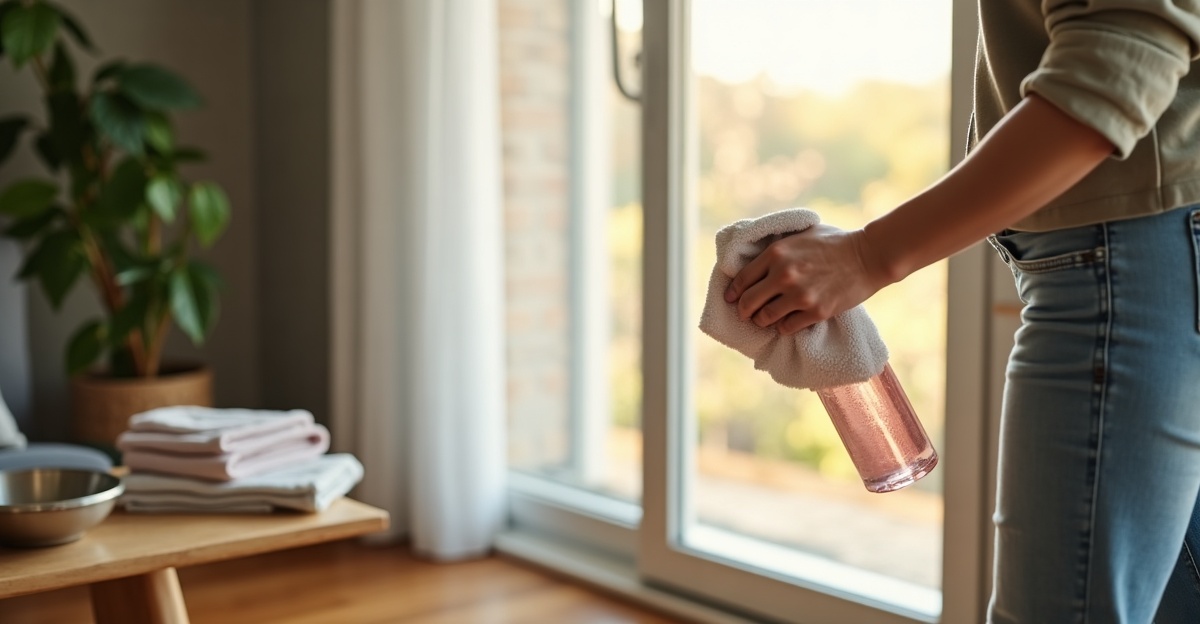
Spray lightly onto the glass. Avoid over-saturating the surface, as excess liquid increases the chance of runs and streaks. Wipe using a clean microfiber cloth, as paper towels often leave lint behind.
For larger panes, use a squeegee in a consistent top-to-bottom motion. Wipe the blade between passes to prevent transferring residue. Finish by drying the window edges and frames with a separate cloth to catch any remaining drips.
Operational timing also plays a role. Clean windows out of direct sunlight whenever possible. Fast evaporation caused by heat can leave streak marks before the glass is properly wiped.
In busy offices or small tenancies, this method works well for quick touch-ups between scheduled cleans. It supports presentation without requiring complex equipment or outside contractors for minor tasks.
When a Homemade Window Cleaning Solution Is Suitable in Commercial Settings
A window cleaning solution at home has practical uses in certain business environments.
It’s suitable for:
- Internal glass partitions in offices
- Small, single-storey shopfronts
- Spot cleaning fingerprints and smudges
- Interim cleaning between scheduled professional services
Use it for low-risk, ground-level, easily accessible glass only. That keeps the process simple and aligns with safety expectations in a workplace.
Facility managers often appreciate the advantages. The ingredients are low cost, immediately available, and simple to prepare. Maintenance teams can apply the solution without special training when working on accessible internal areas.
We take a balanced view. While this approach works well for minor maintenance, it doesn’t replace a structured commercial window cleaning program. Professional services ensure consistent coverage, scheduled maintenance, and documented work practices. For those reviewing broader cleaning requirements, it helps to understand what is involved in commercial cleaning so expectations are clear.
Surface Compatibility and Safety Risks to Consider
Homemade solutions require caution in specific environments.
Avoid ammonia-based mixtures on tinted windows, as they can damage window films. Vinegar-based solutions are generally safer for untreated glass, but specialty coatings and treated glass can still require manufacturer-approved products.
Medical, laboratory, and controlled environments demand higher residue control standards. Even small amounts of remaining film can create hygiene concerns or compliance issues.
Safety is another key factor. Ladder use introduces fall risks, especially in workplaces with strict WHS requirements. Multi-storey buildings and high-access glass involve additional hazards and often fall under regulated height-access conditions. Insurance policies may also require licensed and trained operators for certain tasks.
Incorrect dilution ratios can cause streaking or leave residue, particularly in areas with hard water. Over time, inconsistent results affect the building’s presentation.
Protecting physical assets and maintaining safety standards should guide the decision. A short-term saving is rarely worth damaged film, compliance issues, or injury risk.
Limitations of DIY Solutions in Larger or Complex Facilities
Homemade solutions have clear limitations in larger or complex facilities.
They don’t provide access to professional-grade water-fed pole systems or purified water systems used for spot-free external cleaning. Without purified water, mineral spotting becomes common on exterior glass.
High-access work requires compliant equipment and documented safety controls. Internal maintenance teams may not have this capability or certification. Managing window cleaning without a structured plan can also disrupt operations, particularly across multi-site properties.
Consistency becomes difficult. One staff member may dilute the solution differently from another. Results vary from site to site. In professional offices, medical facilities, and government buildings, expectations around presentation and hygiene remain high.
We often explain that what is the best homemade solution to clean windows for small-scale tasks may not meet cleanliness, safety, or presentation standards in larger commercial environments. Consistent, compliant outcomes rely on structured processes, trained teams, and proper equipment.
Making a Practical Decision: DIY Touch-Ups or Professional Window Cleaning
A clear assessment helps determine the right approach.
Start by reviewing building height and access requirements. Ground-level internal glass differs significantly from multi-storey external façades. Check the type of glass and any coatings. Consider risk exposure and WHS obligations. Assess how frequently cleaning is required to maintain a professional appearance.
A homemade vinegar and water mix works well for minor internal maintenance and quick touch-ups between scheduled services. It keeps presentation standards steady and supports in-house teams.
Professional commercial window cleaning remains the safer option for high or complex access. It delivers more reliable, streak-free results at scale. It also supports insurance and safety compliance requirements that many organisations must meet.
We focus on being a steady, disruption-free service partner. Our role is to provide consistent outcomes, protect assets, and maintain compliance without adding pressure to daily operations. When the decision moves beyond simple internal touch-ups, structured window cleaning supports operational peace of mind and a stronger first impression for staff, visitors, and clients alike.
Frequently Asked Questions
What is the simplest homemade window cleaning solution?
A simple mixture of equal parts white vinegar and distilled water is one of the most effective homemade window cleaners. It cuts through dirt, fingerprints, and light grease without leaving heavy residue. For best results, spray lightly and wipe with a clean microfiber cloth.
Why should I use distilled water instead of tap water?
Distilled water contains no minerals that can leave spots or streaks on glass. Tap water in hard water areas may leave mineral deposits after drying, reducing the clarity of your windows. Using distilled water helps achieve a cleaner, streak-free finish.
Can I add dish soap to a homemade window cleaner?
Yes. Adding one or two drops of mild dish soap helps break down grease and grime on heavily soiled windows. Avoid using too much soap, as excess detergent can leave streaks that require additional wiping.
Does vinegar leave a smell on windows?
The vinegar smell usually disappears within a few minutes after the solution dries. Once the windows are clean and dry, there should be no lingering odour. If preferred, you can improve ventilation while cleaning or add a small amount of lemon juice.
What is the best cloth for cleaning windows?
A microfiber cloth is the best choice because it traps dirt without scratching the glass or leaving lint behind. Paper towels and old cotton rags can leave fibres that create streaks or reduce the clarity of the finished surface.
Can homemade window cleaners be used on tinted windows?
It depends on the ingredients. Vinegar-based cleaners are generally safe for most factory-installed window tints but may not be recommended for some aftermarket films. Always check the manufacturer’s cleaning guidelines and test the solution on a small area first.
How often should windows be cleaned?
Most residential windows benefit from cleaning every three to six months. Homes near busy roads, coastal areas, or construction sites may need more frequent cleaning because dust, salt, and pollutants accumulate more quickly.
What causes streaks after cleaning windows?
Streaks are commonly caused by using too much cleaner, cleaning in direct sunlight, dirty cloths, or hard water residue. Working on cool glass with a microfiber cloth or squeegee and using distilled water helps produce a streak-free finish.
How long can a homemade window cleaning solution be stored?
Most vinegar and distilled water mixtures can be stored in a sealed spray bottle for several months. Keep the solution in a cool place and label the container clearly. If additional ingredients are added, prepare smaller batches for the best performance.
Is a homemade window cleaner better than a commercial cleaner?
Homemade window cleaners work well for routine maintenance and light dirt while being affordable and environmentally friendly. Commercial products may perform better on heavy grease, smoke residue, or professional cleaning jobs. The best choice depends on the condition of the windows and the desired results.