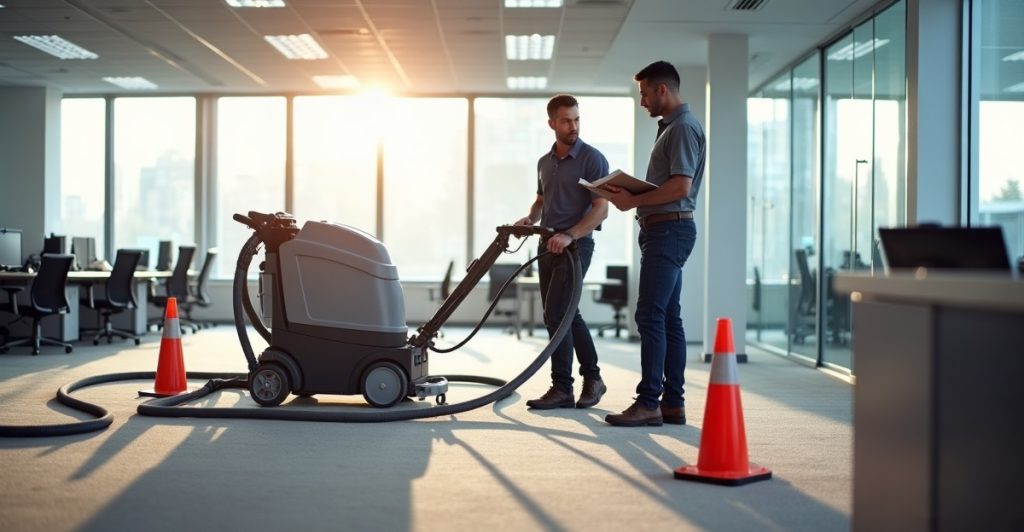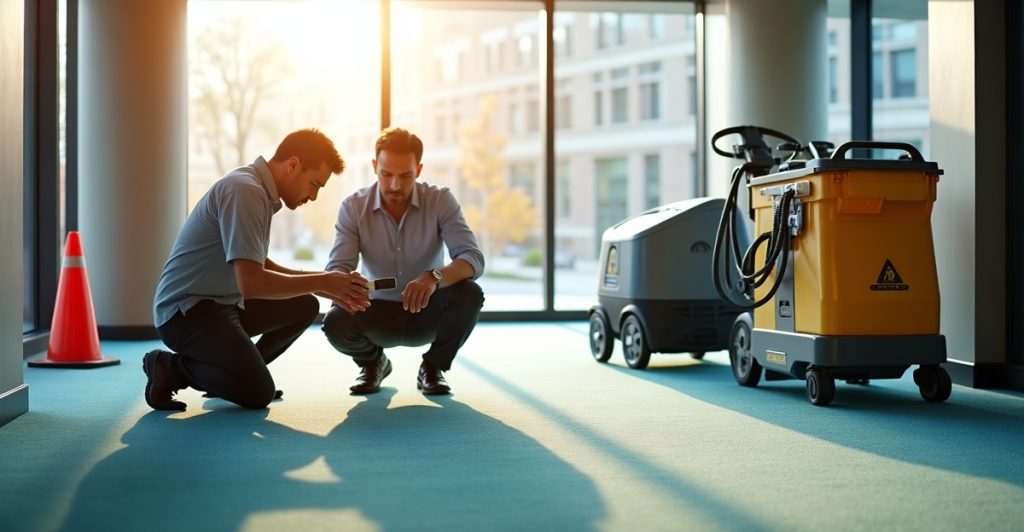
How long does carpet take to dry after cleaning?
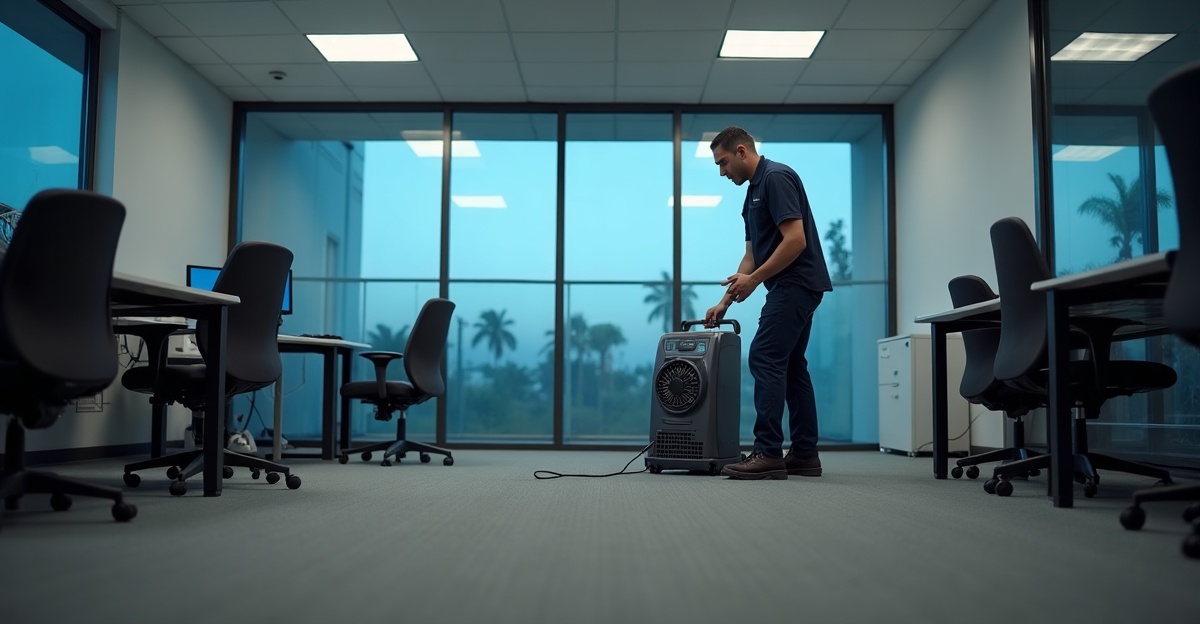
How long carpet takes to dry after cleaning remains a practical concern for commercial sites. We see drying times range from 4 to 24 hours, depending on the cleaning method, airflow, humidity, and carpet construction. Across offices in Brisbane and the Gold Coast, we often achieve 4–8 hour drying with low-moisture methods. In contrast, hot water extraction can take up to 24 hours if we don’t use active ventilation and climate-aware planning.
Key Takeaways
- We find most commercial carpets dry within 4–24 hours, depending primarily on the cleaning method and site conditions.
- Low-moisture cleaning dries faster (4–8 hours), while hot water extraction generally requires 6–24 hours.
- Airflow, HVAC performance, humidity levels, carpet density, and building layout all influence drying time.
- Queensland’s humid climate can extend drying periods unless we run air movers, dehumidifiers, and overnight ventilation.
- After-hours scheduling and staged access reduce downtime and help us maintain safety compliance.
Typical Carpet Drying Times in Commercial Buildings
In commercial settings, how long does carpet take to dry after cleaning? In most offices and shared facilities, drying takes between 4 and 24 hours, depending on the cleaning method and site conditions.
Low-moisture methods such as encapsulation or bonnet cleaning usually dry within 4–8 hours. Hot water extraction typically takes 6–24 hours. The exact timeframe depends on airflow, humidity, carpet construction, and how much moisture was required to clean the site effectively.
Drying time often varies across the same building. Large open-plan office floors tend to dry faster because air circulates freely. Small enclosed rooms, consulting suites, or partitioned spaces can hold moisture longer, especially if doors remain closed overnight.
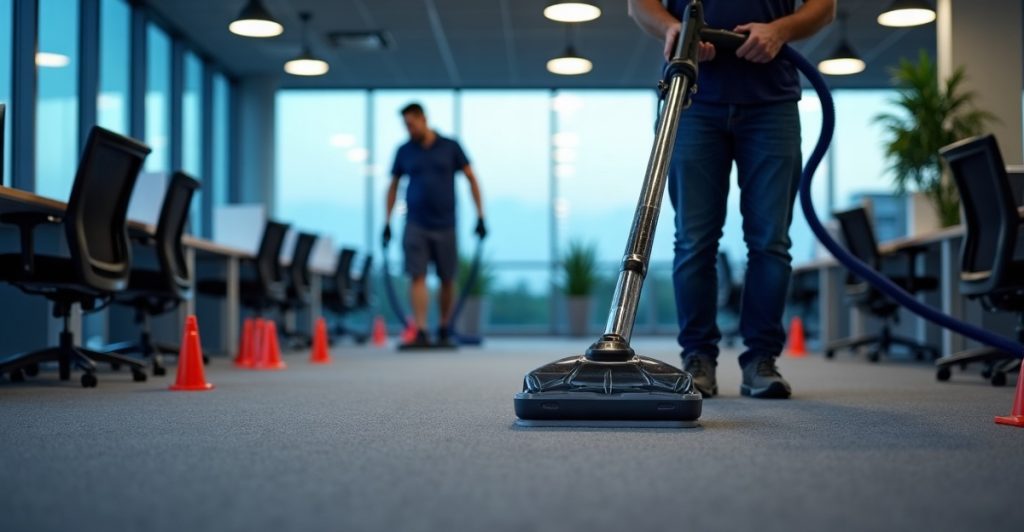
In practical terms, if an office floor is cleaned at 6pm using hot water extraction, staff can generally return safely the next morning around 8–9am. That assumes the HVAC system runs overnight and air movement is adequate. Without ventilation, drying may extend closer to the 24-hour mark.
Commercial environments differ from residential properties. Offices cover larger surface areas and experience heavier foot traffic. They also operate under stricter safety and compliance requirements. For facility managers, carpet cleaning how long does it take to dry is not just a maintenance question. It directly affects reopening schedules and staff safety.
Drying Time by Cleaning Method: What to Expect
How long does it take carpet to dry after cleaning? The method used makes the biggest difference.
Low-Moisture vs Hot Water Extraction
We generally recommend matching the cleaning approach to the level of soiling and operational pressures.
Here’s what to expect:
- Low-moisture cleaning (encapsulation): Uses significantly less water. In well-ventilated commercial spaces, carpets are often dry within 4–8 hours. This method suits routine maintenance in high-traffic offices where downtime must be minimal.
- Hot water extraction (steam cleaning): Uses heated water injection and powerful extraction to remove built-up soil. Drying typically takes 6–24 hours. Dense carpet tiles, heavy pile broadloom, or heavily soiled areas may sit toward the upper end of that range.
Scale also matters. A small boardroom may dry quickly even with hot water extraction. A full open-plan headquarters floor requires coordinated airflow planning to manage evaporation across the entire space.
Equipment quality plays a role as well. High-performance extraction machines remove more moisture from the carpet during cleaning, reducing residual dampness. For a deeper breakdown of methods, our guide on which carpet cleaning method to choose outlines when each approach works best.
Key Factors That Affect How Long It Takes to Dry Carpet After Cleaning
How long does it take to dry carpet after cleaning? Several operational and environmental factors influence the answer.
The main variables include:
- Cleaning method used: Low-moisture processes dry faster than hot water extraction.
- Carpet fibre and pile density: Synthetic fibres often dry faster than dense wool blends or thick commercial broadloom.
- Building level and ventilation: Basement offices with limited airflow dry slower than upper-floor spaces with active ventilation.
- HVAC performance: Continuous air circulation significantly reduces drying time.
- Building layout: Open-plan offices encourage evaporation, while small partitioned rooms slow it down.
- Time of service: After-hours cleaning allows uninterrupted drying without foot traffic.
- Level of soiling: Heavily soiled carpets require more solution and rinsing, increasing moisture retention.
We often find that facility teams underestimate the impact of airflow. Even strong extraction equipment cannot compensate for stagnant air overnight. Running HVAC systems and using air movers can shift drying from 18–24 hours closer to the 8–12 hour range in many commercial sites.
When planning maintenance cycles, we also consider long-term outcomes. Regular professional carpet cleaning services reduce embedded soil and moisture demand over time. That improves indoor air quality and can shorten drying times in future cleans. Our article on how carpet cleaning reduces allergies explains how consistent maintenance supports healthier workplaces.
Ultimately, how long does it take for carpet cleaning to dry comes down to preparation, equipment, and building conditions. A clear plan prevents surprises the next morning.
Brisbane and Gold Coast Humidity: Why Climate Matters
Local climate plays a major role in how long does a carpet take to dry after cleaning. In Brisbane and the Gold Coast, humidity levels can push drying times toward the higher end of the 6–24 hour range.
Summer storm seasons and coastal moisture slow evaporation. Even with strong extraction equipment, ambient humidity limits how quickly moisture leaves the carpet fibres. That’s why we treat drying as an active process rather than waiting for air alone to do the work.
Air movers and commercial dehumidifiers are critical in Queensland conditions. Continuous HVAC operation overnight can significantly reduce next-day dampness complaints in large office buildings across Brisbane. Turning systems off too early often extends drying by several hours.
Facility managers in South East Queensland benefit from seasonal planning. During humid months, we allow extra drying time or adjust cleaning schedules to ensure predictable reopening timelines. For region-specific support, our team provides Brisbane carpet cleaning and Gold Coast carpet cleaning with climate-aware drying strategies.
Assuming fixed drying times year-round can lead to delays. Climate-aware planning prevents those disruptions.
When Is It Safe to Walk on Carpet? Risk and Compliance Considerations
Light foot traffic is sometimes possible within a few hours of cleaning. However, safe to walk on does not mean fully dry.
Carpet fibres may feel slightly damp even when the surface appears dry. In busy facilities, that creates slip hazards, especially near entrances or where carpet transitions to polished concrete, tile, or lift lobbies.
In regulated environments such as medical centres, government sites, and high-traffic public buildings, signage and restricted-area planning are essential. We treat risk management as part of the service, not an afterthought.
Key compliance considerations include:
- Preventing slip incidents on damp surfaces.
- Avoiding moisture tracking into lifts and shared common areas.
- Ensuring reopening times align with safety policies.
Balancing operational pressure with safety requires clear communication. Many sites want immediate access after cleaning. We recommend waiting until carpets are fully dry for normal operations wherever possible. A few extra hours of drying can prevent far greater disruption from incidents or damaged flooring.
How to Minimise Downtime and Plan Cleaning with Minimal Disruption
Drying time is manageable with proper planning. We structure projects to reduce disruption and maintain predictable reopening schedules.
After-hours cleaning allows carpets to dry overnight without foot traffic. Staged cleaning, such as one wing or floor at a time, keeps the rest of the facility operational. Air movers and dehumidifiers accelerate drying, particularly during humid Queensland periods.
HVAC systems should remain operational after cleaning wherever feasible. Air circulation is one of the most effective ways to control how long does it take carpet to dry after cleaning.
In critical environments, we pre-plan restricted access areas and coordinate closely with site managers. Medical, government, and multi-tenant office buildings often require structured access windows. Clear scheduling prevents unexpected downtime.
Regular maintenance also reduces large-scale disruption. Frequent cleaning means less water is required at each visit because heavy soil buildup is less common. That shortens cleaning and drying cycles over time. For a broader look at service planning and operational timing, our general cleaning blog shares practical guidance for commercial sites.
Cost planning also plays a role. Understanding how much carpet cleaning costs helps facility teams schedule appropriately rather than delaying maintenance until carpets require intensive treatment.
With the right equipment, airflow management, and scheduling flexibility, drying times become predictable. That reduces downtime, supports safety compliance, and keeps daily operations running smoothly.
Frequently Asked Questions
How can you tell if a carpet is completely dry?
A carpet is completely dry when it feels warm and dry to the touch, with no damp smell or cool spots. Press a clean towel firmly onto the carpet—if no moisture transfers, it is usually safe to resume normal use. Checking several areas is recommended because thicker sections and underlay may retain moisture longer.
Can you walk on carpet while it is drying?
Yes, light foot traffic is usually acceptable if you wear clean socks or protective shoe covers. Avoid heavy traffic, dirty shoes, or moving furniture until the carpet is fully dry to prevent resoiling and permanent indentations.
Why is my carpet still wet after 24 hours?
Carpets may remain wet after 24 hours due to high humidity, poor ventilation, thick carpet fibres, or excessive water used during cleaning. Running fans, opening windows when weather permits, or using a dehumidifier can help speed up the drying process.
Does weather affect how long carpet takes to dry?
Yes. Warm, dry weather with good airflow helps carpets dry much faster than cold or humid conditions. During rainy seasons or high humidity, drying times may increase significantly, making ventilation and dehumidification even more important.
Can furniture be placed back on damp carpet?
It’s best to wait until the carpet is completely dry before replacing furniture. Heavy furniture can trap moisture, cause staining or rust marks, and slow the drying process. If furniture must be returned early, place protective foil or plastic tabs under the legs.
Is it safe for pets and children to use a damp carpet?
It’s better to keep pets and children off damp carpets until they are fully dry. This prevents slipping, transferring dirt onto the fibres, and disturbing the carpet pile before it has properly settled after cleaning.
Does carpet thickness affect drying time?
Yes. Thick plush carpets and dense underlays retain more moisture than low-pile carpets, so they generally require longer drying times. Cleaning method, airflow, and humidity also play important roles in determining how quickly the carpet dries.
Can air conditioning help carpets dry faster?
Yes. Air conditioning reduces indoor humidity while circulating air, which helps moisture evaporate more efficiently. Combining air conditioning with ceiling fans or portable fans can noticeably shorten carpet drying time.
What happens if carpet stays damp for too long?
Prolonged dampness can encourage mould growth, mildew, unpleasant odours, and damage to the carpet backing or underlay. If a carpet remains wet for more than 24–48 hours, increasing ventilation or contacting a professional cleaner is recommended.
Which carpet cleaning method dries the fastest?
Low-moisture or dry carpet cleaning methods generally dry within one to three hours, while steam cleaning (hot water extraction) typically requires six to twenty-four hours depending on conditions. The best method depends on the carpet type and level of soiling.