How much does high pressure cleaning cost?
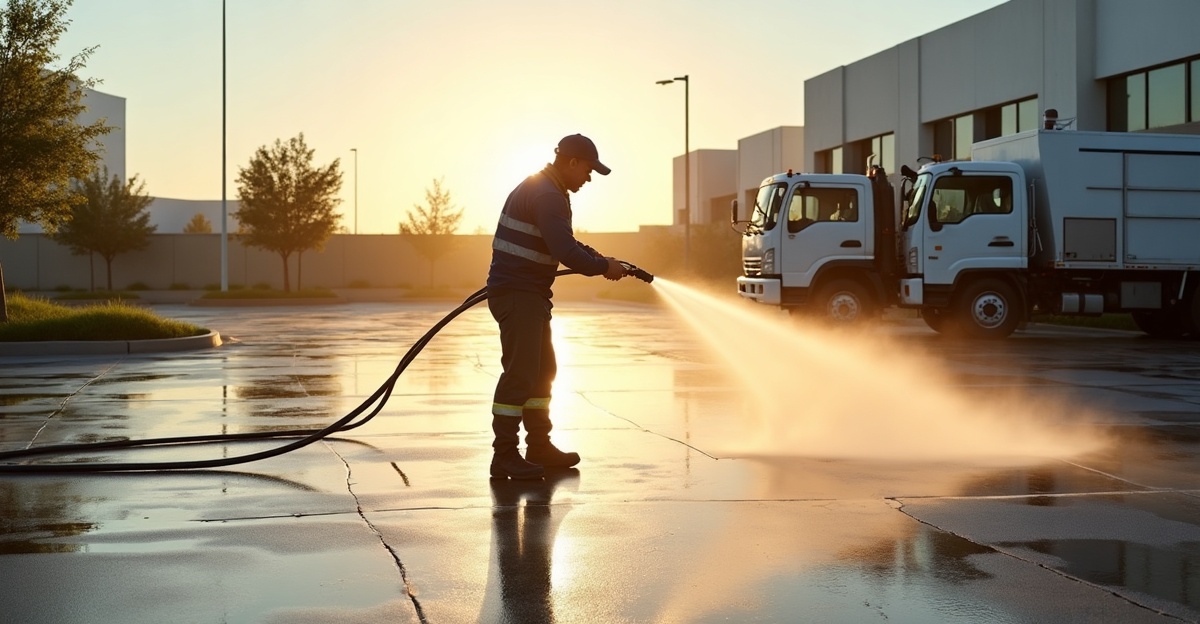
Understanding how much high pressure cleaning costs for commercial properties requires us to assess site size, contamination levels, access constraints, and compliance obligations instead of comparing residential examples. Across Brisbane and the Gold Coast, pricing typically ranges from $2–$6 per m² for large open areas. Heavily soiled or complex projects can exceed $10 per m² or move onto hourly or project-based pricing depending on scope.
Key Takeaways
- Commercial high pressure cleaning typically costs $2–$6 per m² for large open areas, while heavily contaminated surfaces can exceed $6–$10+ per m².
- Hourly rates generally range from $120–$200+ for smaller or complex works that require specialist equipment and qualified technicians.
- Site size, surface type, contamination level, access requirements, and environmental compliance directly influence final pricing.
- Project-based and maintenance contracts allow clearer budgeting for multi-level, strata, medical, or government facilities.
- Scheduled maintenance programs lower long-term costs by preventing heavy build-up and spreading expenditure across the financial year.
What Commercial Properties Typically Pay for High Pressure Cleaning
Understanding how much high pressure cleaning costs starts with looking at real commercial environments rather than residential examples. Pricing varies by site access, contamination level, and compliance requirements, so figures are always indicative.
Across Brisbane and the Gold Coast, commercial price ranges generally fall within the following bands:
- Per square metre: approximately $2–$6 per m² for large, open hardstand areas such as car parks or warehouse floors
- Heavily soiled surfaces (oil, grease, mould, chewing gum): can exceed $6–$10+ per m² depending on treatment required
- Hourly rates (for small or complex areas): typically $120–$200+ per hour using commercial-grade equipment and trained technicians
- Project-based quotes: common for multi-level buildings, strata complexes, medical facilities, and government sites
Many clients ask how much should pressure cleaning cost. The honest answer is that every commercial site is different. Fixed pricing without a site inspection rarely reflects the true scope. Factors like coastal salt exposure on the Gold Coast or humidity-driven mould growth in Brisbane can push the cost of high pressure cleaning higher than expected.
One-off deep cleans often carry a higher upfront investment. They usually involve heavy staining, specialist treatments, and longer labour time. In contrast, scheduled maintenance programs reduce long-term high pressure cleaning cost by preventing build-up and spreading expenditure across the year.
We routinely advise operations and facility managers to view high pressure cleaning as asset protection. Regular maintenance protects concrete, reduces slip risks, and supports brand presentation. That approach creates predictable budgets and fewer unpleasant surprises.
What Affects High Pressure Cleaning Costs in Commercial Environments?
Several variables influence high pressure cleaning cost in commercial settings.
Site Size, Surface Type, and Contamination
Total square metres play a major role. Larger sites usually reduce the per m² rate but increase the overall project value. An open warehouse apron is faster to clean than a confined, obstacle-heavy loading dock of the same size.
Surface type also impacts the cost of high pressure cleaning. For example:
- Raw concrete reacts differently to pressure than painted surfaces.
- Pavers require careful technique to prevent joint damage.
- Multi-level car parks involve ramps and vertical faces.
- Building facades may require lower pressure and specialised methods.
The level of staining often determines how much high pressure cleaning costs on a final quote. Common commercial contamination includes:
- Oil and grease in industrial zones
- Mould and algae, especially in humid Brisbane conditions
- Salt build-up on coastal Gold Coast properties
- Chewing gum and biological growth in high-foot-traffic areas
Heavier staining may require hot water systems, degreasers, or multiple passes. That adds labour time, chemical costs, and environmental control measures.
Access, Compliance, and Operational Constraints
Access requirements often drive commercial pricing. Height access may require elevated work platforms. Confined plant areas slow productivity. Multi-storey sites increase setup time and supervision needs.
Traffic management and public safety are equally important. Many projects require temporary barriers, signage, SWMS documentation, and pedestrian controls. These are not optional extras. They are part of working safely around staff, tenants, and the public.
Environmental compliance also influences pricing. Some sites require runoff capture and reclaim systems to prevent contaminated water entering stormwater drains. Local environmental regulations must be followed. That level of control adds equipment and labour time.
The timing of service matters. After-hours, weekend, or shutdown works can reduce disruption but may increase rates due to supervision and crew availability.
Cleaning frequency is one of the most controllable cost drivers. Preventative programs consistently lower long-term high pressure cleaning cost compared with reactive cleaning after heavy build-up.
How Commercial Pricing Models Work (Per m², Hourly, and Project-Based)
Commercial high pressure cleaning is generally priced under one of four models.
Per square metre pricing is the most common for open, measurable areas such as car parks and warehouse floors. Rates are often tiered based on total size and contamination level. The clearer the scope, the more accurate the per m² figure.
Hourly pricing suits smaller jobs, unpredictable tasks, or add-on scope. Facilities that require flexible scheduling sometimes use this model. The rate typically reflects commercial-grade units, trained technicians, and insurance coverage.
Project-based quotes apply where variables are complex. Strata complexes, medical facilities, and government sites often fall into this category. Pricing considers staging, access equipment, safety compliance, and coordination with other contractors.
Ongoing maintenance contracts usually provide a lower per-visit rate. They support planned budgeting and align with long-term asset management strategies. For many organisations, this structure offers the most control over how much should pressure cleaning cost across the financial year.
Clear scope definition remains critical. Accurate site measurements, documented problem areas, and confirmed service frequency directly affect the final cost of high pressure cleaning.
For broader budgeting context, we also share pricing insights across related services within our cleaning cost guides, helping facility managers benchmark expenditure across cleaning categories.
What’s Usually Included — and What May Cost Extra
Commercial proposals often look similar at a glance. The differences sit in the detail.
Typically included in standard pricing:
- Labour and commercial-grade pressure cleaning equipment
- Standard surface cleaning
- Basic pre-treatment for light organic growth
- General site clean-up after works
However, several items are commonly excluded or priced separately:
- Heavy pre-treatment chemicals for deep oil or rust staining
- Chewing gum removal
- Line marking removal
- Paint stripping
- Rooftop access equipment or elevated work platforms
- Traffic control permits
- Wastewater reclaim and disposal services
Overly simplistic flat rates can create confusion. Detailed, itemised quotes provide clarity around what is included and what sits outside base scope. That transparency protects both sides and prevents variation disputes once work begins.
Why Commercial High Pressure Cleaning Costs More Than Residential
Residential comparisons often distort expectations in commercial procurement.
Commercial sites operate at a different scale. A small residential driveway differs significantly from a multi-level car park or distribution centre.
Compliance requirements also differ. Commercial contractors must adhere to WHS standards, maintain SWMS documentation, and carry substantial public liability insurance. These obligations add administrative and operational costs.
Operational realities increase complexity. Work often occurs around tenants, staff, and customers. Service providers must minimise disruption to normal business activities. That requires planning, supervision, and clear communication with stakeholders.
Equipment capability further separates commercial and residential pricing. Industrial hot water units, truck-mounted systems, and reclaim systems represent a major investment. Domestic machines simply do not match that output or control level.
Risk management adds another layer. Height access, confined spaces, medical facilities, and government sites carry higher compliance expectations. Those risks must be managed professionally.
For facilities integrating pressure cleaning within a broader commercial cleaning program or requiring heavy-duty support under industrial cleaning services, pricing reflects coordination, supervision, and consistent standards across all works.
How to Prepare for an Accurate Quote and Compare Providers with Confidence
Clear information leads to accurate pricing. We encourage facility and operations managers to prepare before requesting a proposal.
Provide practical details such as:
- Site plans and approximate square metre measurements
- Identified problem areas such as oil bays, mould-prone zones, and loading docks
- Preferred service times, including after-hours or weekends
- Access restrictions and height requirements
- Environmental or compliance requirements specific to the site
When reviewing high pressure cleaning cost proposals, look beyond the headline price. Consider:
- Insurance coverage and compliance documentation
- Defined safety procedures and SWMS
- Experience with similar-scale properties such as corporate offices, strata, medical, or government facilities
- Equipment capacity, including hot water and reclaim systems
- Ability to support long-term maintenance planning
A detailed site assessment works as a consultation. It reduces procurement risk, supports realistic budgeting, and sets clear expectations before internal approvals begin.
For properties in southeast Queensland, project requirements sometimes vary between metro regions. Coastal exposure may affect pricing on the Gold Coast, while large distribution and commercial zones influence scope across Brisbane.
When planning next steps, we recommend formalising requirements through a structured assessment and requesting a detailed proposal via our commercial quote process. This ensures pricing reflects actual conditions and delivers clarity on how much high pressure cleaning costs for the specific site in question.
Frequently Asked Questions
Why do high pressure cleaning prices vary so much?
High pressure cleaning costs vary because every site is different. Surface material, contamination levels, accessibility, total area, equipment requirements, and labour all influence the final price. Large, regularly maintained sites generally cost less per square metre than small jobs with heavy grease, mould, or graffiti removal.
Is commercial high pressure cleaning charged per square metre or per project?
Most commercial high pressure cleaning is priced per square metre for larger areas, while smaller or more complex jobs may receive a fixed project quote. Contractors consider access, setup time, water supply, contamination, and safety requirements before providing an accurate estimate.
Which surfaces cost the most to pressure clean?
Heavily stained concrete, industrial floors, loading docks, and surfaces requiring chemical treatments typically cost more than standard pathways or external walls. Delicate materials or areas needing low-pressure soft washing may also require specialised equipment that increases pricing.
Does regular high pressure cleaning reduce long-term maintenance costs?
Yes. Routine high pressure cleaning removes dirt, algae, oil, and contaminants before they permanently damage surfaces. Preventative maintenance can extend the lifespan of concrete, paving, and building exteriors while reducing the need for expensive restoration work.
What is usually included in a commercial high pressure cleaning quote?
Most quotes include labour, commercial-grade equipment, water usage, standard detergents, and basic site preparation. Additional services such as graffiti removal, chemical degreasing, wastewater recovery, or surface sealing may be priced separately, so reviewing the scope of work is important.
How often should commercial properties schedule high pressure cleaning?
Many commercial properties benefit from high pressure cleaning every 6 to 12 months, although busy retail centres, industrial facilities, and hospitality venues may require more frequent maintenance. A scheduled cleaning program helps maintain appearance, safety, and asset value.
Can high pressure cleaning remove oil stains and mould completely?
High pressure cleaning can remove many oil stains, mould, algae, and dirt, but results depend on how deeply contaminants have penetrated the surface. Older stains often require specialised degreasers or multiple treatments to achieve the best possible outcome.
Is DIY pressure cleaning cheaper than hiring professionals?
DIY pressure cleaning may appear less expensive initially, but equipment hire, cleaning chemicals, water consumption, and the risk of damaging surfaces can quickly increase costs. Professional services deliver faster, more consistent results using commercial equipment and appropriate cleaning methods.
How can businesses reduce high pressure cleaning costs?
Businesses can lower costs by scheduling regular maintenance instead of waiting for heavy contamination, combining multiple cleaning services into one visit, ensuring easy site access, and cleaning larger areas at the same time to improve efficiency.
Should surfaces be sealed after high pressure cleaning?
Applying a protective sealer after cleaning can help reduce future staining, slow algae growth, and extend the life of concrete and paved surfaces. While sealing increases the initial investment, it often lowers long-term maintenance requirements.