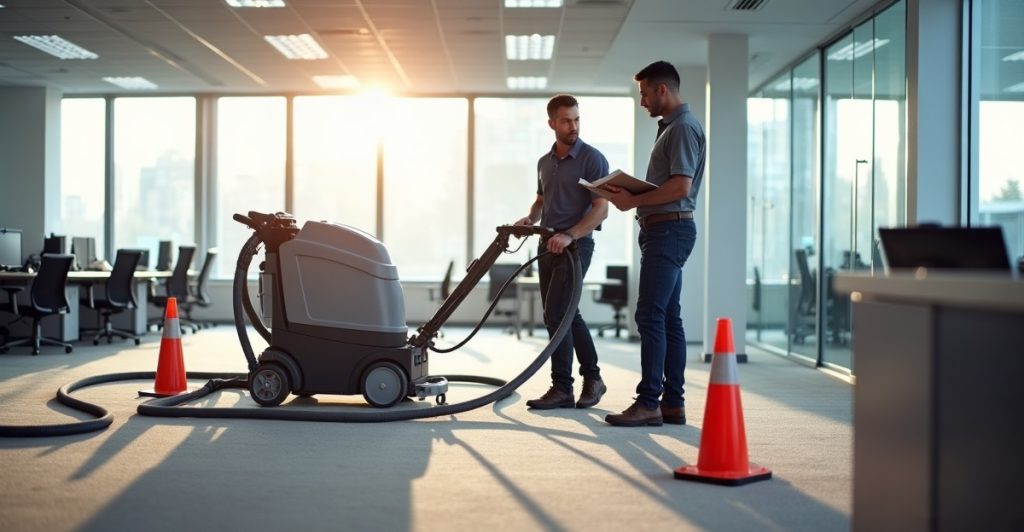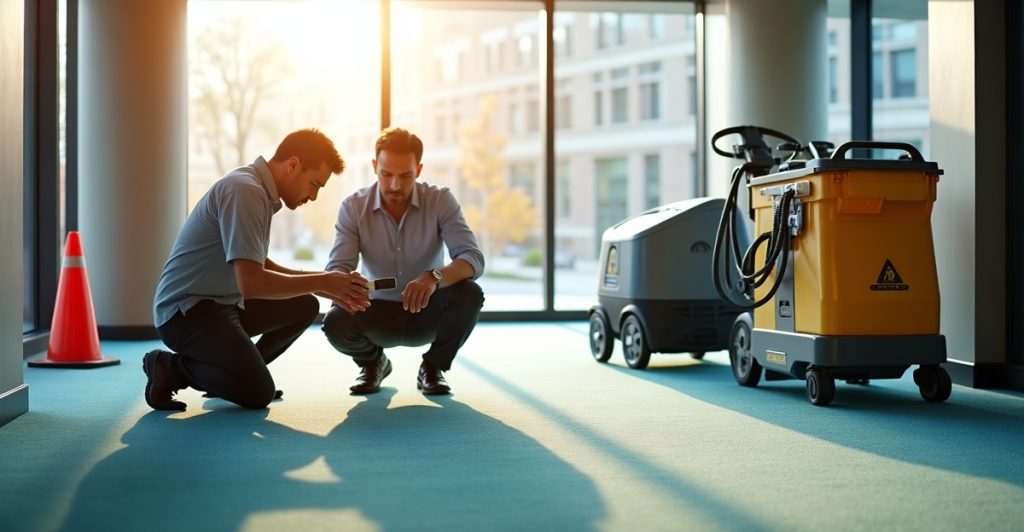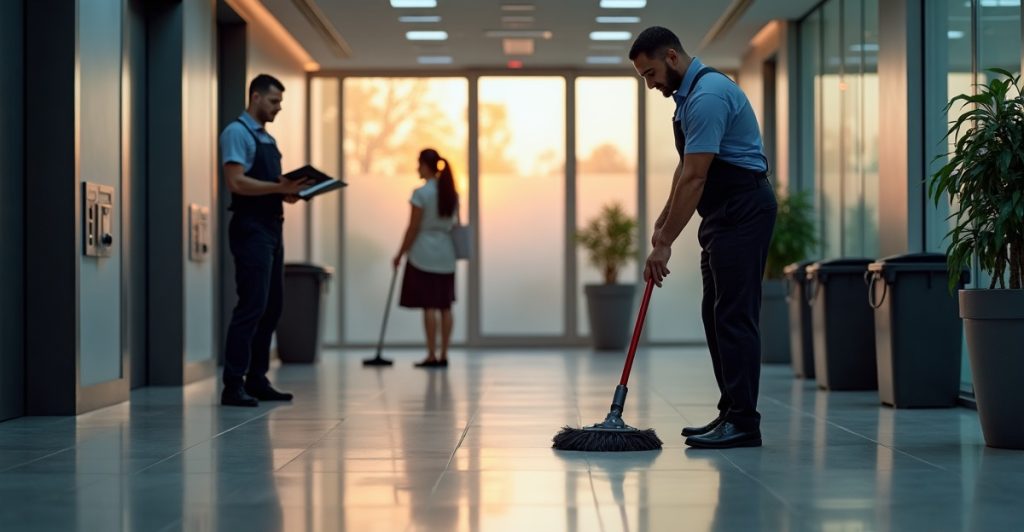
What is commercial cleaning experience?

Understanding what commercial cleaning experience means requires us to treat it as a measurable operational asset. We define it through documented systems, trained teams, compliance oversight, and consistent service delivery across complex environments. We look beyond years in business and focus on risk control, audit readiness, industry-specific capability, and structured quality assurance that protect daily operations and brand reputation.
Key Takeaways
- We demonstrate commercial cleaning experience through documented systems, structured training, active supervision, and measurable quality control — rather than simply years in operation.
- We reduce operational disruption by maintaining staffing continuity, clear communication, and proactive issue resolution.
- We treat compliance knowledge, including WHS, infection control, and audit documentation, as a core operational requirement.
- We apply industry-specific and multi-site experience to maintain consistent standards while adapting to sector risks and location requirements.
- We provide transparent reporting, routine inspections, and contingency planning to deliver stronger long-term reliability and lower risk exposure.
Commercial cleaning experience is a measurable business asset — not just years in business
Commercial cleaning experience is a measurable business asset that affects operational stability and risk control. Understanding what commercial cleaning experience means in practical terms helps separate marketing claims from genuine capability.
In operational language, commercial cleaning experience refers to proven systems, trained personnel, compliance knowledge, sector understanding, and consistent service delivery over time. It reflects how well a provider manages staff, documentation, safety standards, and site-specific requirements. It shows in the way a contractor handles complex environments without disrupting daily operations.
Many businesses ask what commercial cleaning experience means beyond completing standard cleaning tasks. The answer goes further than vacuuming floors or emptying bins. It means the ability to manage large teams, comply with WHS standards, maintain documentation, respond to audits, and communicate effectively with facility managers.
Experience also protects operations. It reduces disruptions, protects brand reputation, supports audit readiness, and limits exposure to compliance failures. Years in operation do not automatically equal operational depth. A company may have operated for a decade yet still lack structured supervision, formal training systems, or documented quality control processes.
Organisations reviewing contractors should look beyond time in business. What matters is whether systems are documented, staff are trained, and service consistency is measurable.
What commercial cleaning experience means in day-to-day operations
Commercial cleaning experience becomes visible in daily routines and structured systems. When we consider experience in commercial cleaning, we look at how a provider organises people, processes, and communication on-site.
Operational systems that demonstrate genuine experience
True operational capability typically includes:
- Structured staff onboarding with site-specific inductions.
- Documented training programs covering WHS, infection control, and safe chemical handling.
- Clear supervision hierarchies and defined escalation procedures.
- Communication protocols aligned with facility management reporting structures.
- Documented inspection routines with scheduled quality checks and reporting systems.
These systems produce measurable outcomes. We see fewer complaints because standards are clear and monitored. Downtime reduces because issues are identified early. Staffing coverage stays consistent because there is backup planning. Service continuity is maintained during annual leave or unexpected turnover.
Facility managers in Brisbane and the Gold Coast operate under constant pressure. They manage contractors, compliance obligations, and tenant expectations at the same time. What does commercial cleaning experience mean for your facility? It means fewer operational interruptions and fewer reactive conversations.
For example, established Brisbane commercial cleaning services rely on documented procedures that ensure consistency across CBD offices, medical rooms, and large commercial sites. Similarly, structured Gold Coast commercial cleaning services must plan around tourism traffic, extended trading hours, and multi-tenant buildings. Experience translates into processes that maintain standards regardless of these pressures.
Understanding what commercial cleaning is and why it matters provides context. However, operational experience shows how those responsibilities are delivered day after day.
Compliance, risk management, and audit readiness
Compliance knowledge is a core component of commercial cleaning experience. Experienced providers understand WHS obligations, infection control procedures, chemical storage regulations, and site-specific security requirements.
Medical facilities, for example, require colour-coded systems to prevent cross-contamination. These systems must be enforced through structured training and documented supervision. Without experience, small errors can lead to health risks and regulatory scrutiny.
Government buildings often demand strict access control protocols. Access cards, clearance checks, and log documentation must be managed carefully. A lapse in procedure can result in security breaches and reputational damage.
In these environments, commercial cleaning experience means risk mitigation through documented procedures and service records. Inspection logs, safety data sheets, incident reports, and compliance registers should be readily available. Audit-readiness is not prepared the night before an inspection. It is built into daily routines.
Experienced contractors operate with clear documentation that supports regulatory requirements. This reduces exposure to fines, safety breaches, and insurance complications. It also protects the organisation’s reputation.
Facilities reviewing commercial cleaning services should confirm that compliance systems are embedded in workflows. If documentation exists only on request, the operational structure may not be strong enough to support audit demands.
Industry-specific and multi-site capability
Sector familiarity significantly affects service quality. Experience in commercial cleaning depends on understanding each industry’s risks and operational pressures.
High-traffic offices require consistent daily presentation standards. Medical centres prioritise infection control and waste segregation. Government facilities demand security sensitivity and documented compliance. Industrial environments often require specialised equipment and hazard awareness.
Experienced office cleaning services manage early starts, after-hours access, and minimal disruption to tenants. Established industrial cleaning providers understand machinery safety zones and high-risk areas.
Multi-site operations introduce another layer of complexity. Large commercial groups expect:
- Consistency across all locations.
- Centralised reporting for head office visibility.
- Scalable staffing structures as sites expand.
- Contingency planning to address absenteeism or emergencies.
Commercial cleaning experience means proven ability to standardise systems across multiple sites while adapting to location-specific requirements. That balance is difficult to achieve without established procedures and trained supervisory teams.
The result is reduced disruption and stable service continuity. Managers spend less time resolving service gaps, even when staffing changes occur. The contractor’s systems, not individual cleaners, drive performance.
Quality control, accountability, and long-term reliability
Genuine experience appears in quality assurance systems. Routine inspections, documented checklists, and supervisor sign-offs provide measurable consistency. Transparency in reporting builds accountability.
There is a clear difference between reactive cleaning and proactive service management. Reactive models wait for complaints before acting. Proactive systems schedule inspections, identify gaps early, and document corrective actions.
Staffing reliability forms another part of long-term performance. Structured recruitment processes reduce mismatch. Ongoing training keeps standards current. Backup teams maintain service continuity during leave or illness.
Commercial cleaning experience means dependable systems that operate independently of any single team member. Over time, these systems reduce complaints, stabilise service delivery, and minimise operational disruption.
Facilities reviewing contractors should also understand what is involved in commercial cleaning to compare claims against actual service scope and verification processes.
How to evaluate whether a provider’s experience is genuine
Experience should be visible, explainable, and documented. Procurement teams and facility managers can assess capability by asking focused operational questions.
A practical review checklist includes:
- Can the provider clearly explain their onboarding and site induction process?
- Do they supply documented training records and compliance documentation?
- How do they coordinate multi-site operations and reporting?
- What inspection and quality assurance systems are in place?
- How do they respond to staffing shortages or emergencies?
- Can they demonstrate industry-specific capability across medical, government, or large commercial sites?
- Is reporting structured, consistent, and aligned with management needs?
Organisations preparing to appoint a new contractor can reference guidance on how to choose the right commercial cleaning company and review how to evaluate commercial cleaners before signing a contract for structured comparison criteria. It is also important to understand what to expect from a professional cleaning contract before committing to service terms. For organisations weighing internal resources against outsourcing, reviewing the benefits of in-house vs outsourcing can clarify strategic direction.
If you are reviewing your current cleaning contract or preparing for a vendor change, use this checklist to assess whether your provider’s experience translates into real operational capability. If you would like to discuss your facility’s specific requirements, a structured review of systems, compliance, and reporting processes can help align cleaning services with your operational goals.
Frequently Asked Questions
What does commercial cleaning experience mean?
Commercial cleaning experience refers to practical experience cleaning business premises such as offices, retail stores, schools, warehouses, and medical facilities. It typically includes sanitising surfaces, maintaining floors, emptying bins, and following workplace safety procedures. Employers generally value experience that demonstrates reliability, attention to detail, and the ability to work independently.
Can you get a commercial cleaning job without experience?
Yes. Many commercial cleaning companies hire entry-level staff and provide on-the-job training. Employers often prioritise a strong work ethic, punctuality, and willingness to learn over previous experience. Highlight any customer service, housekeeping, or residential cleaning experience when applying.
What skills are most important for commercial cleaners?
Commercial cleaners need attention to detail, time management, communication skills, and the ability to follow cleaning schedules and safety procedures. Physical stamina and knowledge of cleaning equipment and chemicals are also valuable for maintaining consistent cleaning standards.
Is residential cleaning experience relevant to commercial cleaning?
Yes. Residential cleaning develops transferable skills such as dusting, vacuuming, sanitising, and organising tasks efficiently. Commercial cleaning may require additional knowledge of larger facilities, specialised equipment, and workplace health and safety requirements, but the core cleaning skills remain highly relevant.
What industries require commercial cleaning experience?
Commercial cleaning experience is useful across offices, schools, healthcare facilities, retail stores, hotels, warehouses, manufacturing sites, and government buildings. Each environment may have unique cleaning standards, compliance requirements, and sanitation procedures.
What equipment should a commercial cleaner know how to use?
Commercial cleaners commonly use vacuum cleaners, floor scrubbers, mops, microfibre systems, pressure washers, carpet extractors, and disinfecting equipment. Understanding how to operate and maintain these tools safely improves efficiency and cleaning quality.
Are certifications required for commercial cleaning jobs?
Most entry-level positions do not require formal qualifications. However, training in workplace health and safety, infection control, hazardous chemical handling, or specialised floor care can improve job opportunities and demonstrate professional competence.
How can you gain commercial cleaning experience?
You can gain experience through entry-level cleaning roles, casual employment, volunteer work, internships, or residential cleaning positions. Completing training courses and becoming familiar with commercial cleaning equipment and safety procedures can also strengthen your resume.
What do employers look for in commercial cleaning experience?
Employers typically look for consistency, reliability, attention to detail, the ability to work independently, and knowledge of cleaning procedures. Experience following checklists, using commercial equipment, and maintaining hygiene standards is often viewed favourably.
How is commercial cleaning different from industrial cleaning?
Commercial cleaning focuses on maintaining offices, retail spaces, and public facilities, while industrial cleaning involves factories, manufacturing plants, and heavy-duty environments. Industrial cleaning often requires specialised equipment, additional safety training, and experience working around machinery or hazardous materials.