How to Choose the Right Commercial Cleaning Company

Selecting the right commercial cleaning company directly affects compliance, risk control, staff wellbeing, and brand reputation across corporate, government, and medical environments. We treat this decision as an operational priority, not a simple procurement task. Strong commercial cleaner selection focuses on verified insurance, WHS systems, supervision structures, and scalable multi-site capability. Clear contract terms must protect continuity and performance, rather than chase lower costs.
Key Takeaways
- Verify insurance coverage, WHS procedures, chemical handling protocols, and staff clearances before we shortlist any provider.
- Assess documented quality control processes, including scheduled site inspections, performance scoring systems, supervisor-to-staff ratios, and corrective action tracking.
- Confirm the provider can manage multi-site operations with consistent reporting, structured onboarding frameworks, and tested contingency plans.
- Review contract documentation carefully so scope, KPIs, service frequencies, and variation terms remain clearly defined and enforceable.
- Prioritise structured systems, compliance alignment, and proven experience in regulated environments instead of accepting the lowest-price proposal.
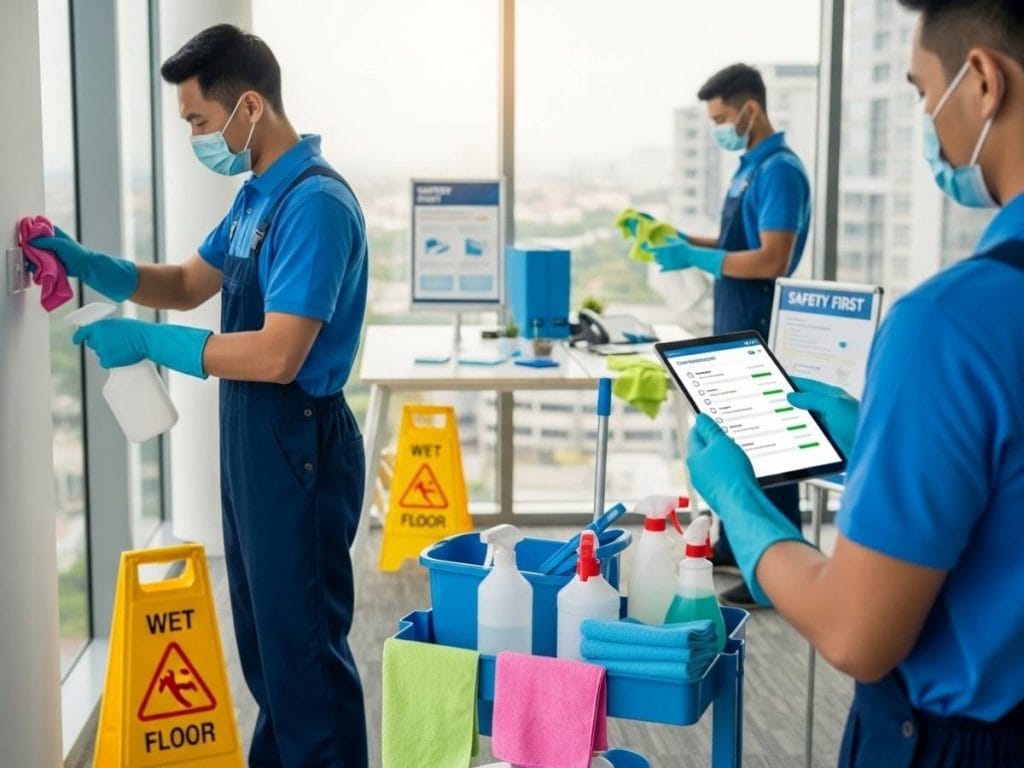
What Actually Impacts Your Operations: Quality, Compliance and Risk Control
Selecting the right provider directly affects brand reputation, staff wellbeing, and regulatory standing. In corporate offices, government facilities, and medical settings, cleaning supports safe operations and public trust every day.
Price should never be the primary driver driver of commercial cleaning company selection, especially when evaluating the qualities of a commercial cleaning company that support long-term operational reliability. Service failure can result in compliance breaches, safety incidents, reputational damage, and operational disruption. Poor hygiene standards in high-traffic environments increase absenteeism and complaints. In regulated sectors, they can lead to formal non‑compliance.
Understanding how to choose a commercial cleaning company means assessing what protects operations over time. That includes strong workplace risk management systems and alignment with commercial cleaning compliance standards.
We recommend verifying measurable indicators before shortlisting any provider:
- Public liability insurance limits and a current certificate of currency
- Documented Work Health and Safety (WHS) procedures
- Chemical handling protocols and Safety Data Sheet (SDS) management systems
- Staff background checks and police clearances where required
- Secure access protocols and data and privacy safeguards
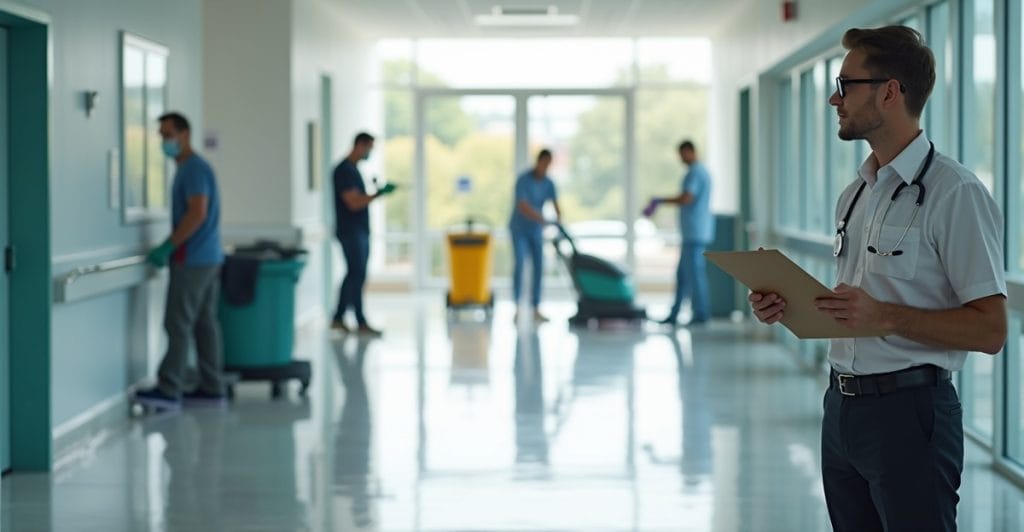
Medical facilities require strict infection control practices and adherence to medical facility cleaning requirements. Government and corporate environments require secure access, structured reporting, and traceable procedures. High‑traffic buildings require consistent sanitisation and monitoring.
An ISO-certified cleaning company or one aligned with recognised quality standards demonstrates documented systems and repeatable processes. Whether formal certification is held or alignment is demonstrated internally, structured compliance reduces risk.
For a broader understanding of service expectations, we recommend reviewing what to expect from a cleaning company before progressing to contract stage.
Evidence of a Structured Quality Control Process and On-Site Supervision
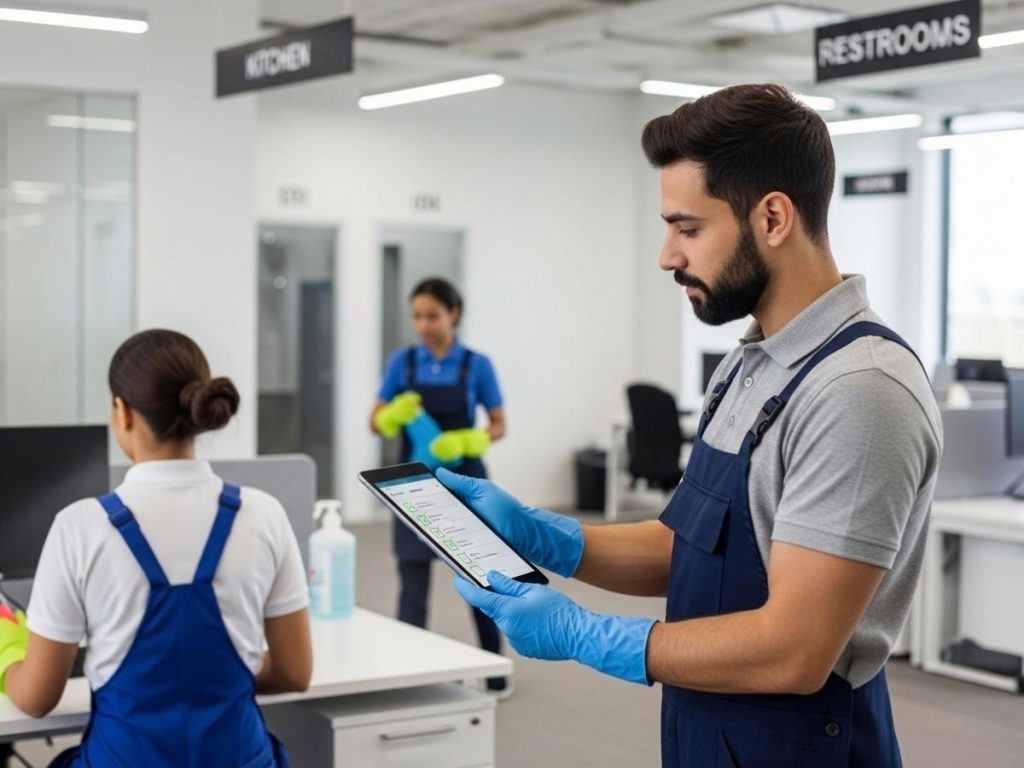
A commercial cleaning quality control process must operate in practice, not just on paper. Weekly walkthroughs, documented audits, and visible supervision create consistent outcomes.
Effective quality control usually includes scheduled site inspections based on facility size. Larger sites may require weekly inspections. Smaller offices may operate on monthly reviews. Inspection frequency should be clear from the outset.
Look closely at supervision structure. What is the supervisor‑to‑cleaner ratio? Is there a dedicated account manager? Who holds accountability for service performance?
A reliable facility cleaning contractor checklist should include documented audit points for kitchens, bathrooms, workstations, high-touch surfaces, and consumables. Photographic reporting can support transparency, especially across multi‑area facilities.
Performance measurement is central. Providers should clearly explain:
- How performance is scored
- How issues are logged
- How corrective actions are tracked
- Agreed response timeframes
- Escalation pathways if standards drop
Choosing commercial cleaner tips often focus on surface impressions. However, sustainable performance depends on supervision and relief staff consistency. Relief or backup cleaners must follow the same documented procedures as permanent teams. Otherwise, standards fluctuate.
Those evaluating providers should also consider whether the contractor offers structured janitorial services backed by formal reporting, rather than informal arrangements that lack accountability.
Scalability and Multi-Site Cleaning Management Capability
Medium to large organisations across Brisbane and the Gold Coast often operate from multiple locations. Consistency across sites becomes a governance issue.
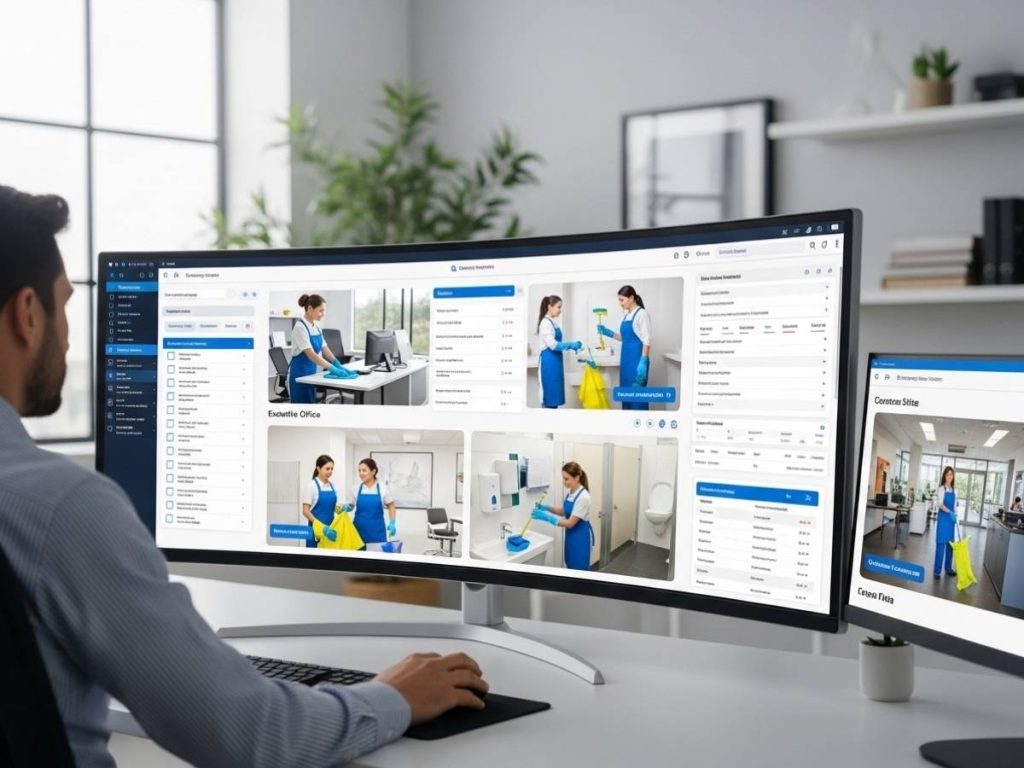
Multi-site cleaning management should include centralised reporting dashboards and standard operating procedures applied uniformly. Communication channels must remain consistent, regardless of site size or geographic spread.
Commercial cleaning services Brisbane providers should demonstrate capacity beyond a single team. Expansion, seasonal demand, or tenancy changes require access to trained staff without lowering standards.
Transition capability also matters. Contract handovers often create risk. A capable provider will have an onboarding framework that maps out scope confirmation, staff allocation, inductions, and compliance checks before day one.
Contingency planning should be documented. Ask how staff absences, supply shortages, or urgent sanitisation needs are handled. Reliable providers maintain standby lists and escalation processes.
We often see operational strain when multi-site contracts rely on informal coordination. A structured commercial cleaning service model reduces variability and ensures alignment across locations.

Transparency in Pricing and Long-Term Contract Value
Lowest price rarely equals best value. Long-term operational reliability protects revenue and reduces hidden costs.
Under‑quoting typically results in inconsistent staffing levels, reduced scope delivery, or high cleaner turnover. Over time, that instability increases management oversight and drives re-tender costs.
A clear commercial cleaning service agreement should define scope and expectations in measurable terms. Decision‑makers should apply a cleaning contract evaluation checklist before approval.
At minimum, documentation should outline:
- Scope of works by area
- Frequency schedules
- Key performance indicator (KPI) benchmarks
- Consumables supply responsibilities
- Variation and adjustment clauses
- Review intervals
Understanding what a commercial cleaning contract is helps clarify accountability structure. Managers should also review what to include in a cleaning contract to ensure nothing critical is omitted.
Service failure carries measurable cost. That includes health complaints, poor staff retention, and reputational damage with visitors or clients. Reliable, compliant delivery reduces those risks. Effective commercial cleaning company selection protects operational continuity.

Questions to Ask Before Signing a Cleaning Contract
Decision‑makers benefit from a structured facility cleaning contractor checklist before committing to any agreement. Verbal assurances are insufficient. Documentation should support every claim.
Key choosing commercial cleaner tips include requesting clear answers — in writing — to the following:
- Are you ISO-certified or aligned with recognised standards?
- Can you provide recent client references in similar industries?
- What training do cleaners complete and how often?
- How are incident reporting and WHS compliance managed?
- What is the onboarding and transition process?
- How quickly are service issues resolved?
- How is multi-site coordination handled?
Commercial cleaning compliance standards require proof of systems, not marketing language. Reviewing what to expect from a professional cleaning contract supports informed evaluation before signing.
Clear documentation reduces ambiguity and protects both parties.
Proven Experience in Regulated and Complex Environments
Experience should demonstrate structured systems, trained teams, and industry‑specific knowledge. Years alone do not confirm capability.
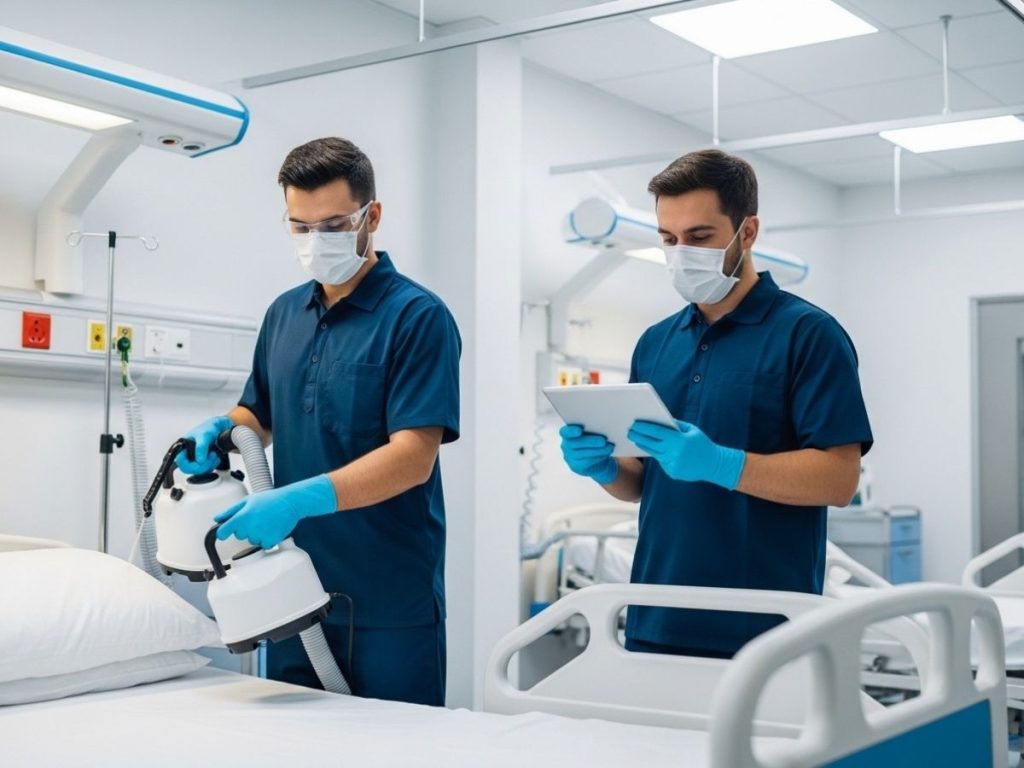
Medical facility cleaning requirements demand infection control protocols, controlled chemical usage, and strict surface hygiene procedures. Government buildings may require security clearances and access logs. High‑traffic commercial environments need frequent servicing and rapid response capacity.
Staff vetting supports risk control. Continuous training programs ensure techniques remain current. Safe chemical usage policies protect occupants and cleaners alike. Where necessary, targeted sanitisation services should be delivered under documented procedures.
Corporate settings also benefit from structured office cleaning services aligned with compliance requirements and internal governance standards.
Operational leaders should evaluate providers calmly and objectively. Marketing claims matter less than consistent documentation, audit trails, and supervision structure.
As a commercial cleaning provider operating across Brisbane and the Gold Coast, we prioritise structured processes, active supervision, compliance alignment, and long-term partnerships. Our approach focuses on stability, risk reduction, and measurable service standards.
Strategic selection protects day‑to‑day performance. A disciplined approach to contracting ensures cleaning remains a support function rather than an operational liability.
Frequently Asked Questions
What should businesses look for when choosing a commercial cleaner?
Businesses should look for verified insurance, documented safety procedures, and a structured quality control system when choosing a commercial cleaner. A reliable provider should also offer trained staff, clear supervision, and transparent reporting. These factors help ensure consistent service delivery, regulatory compliance, and reduced operational risk across offices, government facilities, or medical environments.
Why is insurance important when hiring a commercial cleaning company?
Insurance protects businesses from liability if accidents, property damage, or injuries occur during cleaning services. A reputable commercial cleaning company should carry public liability insurance and provide a valid certificate of currency. This coverage helps protect your organisation from unexpected costs and ensures the cleaning provider meets basic risk management and compliance standards.
How can you evaluate the quality control process of a cleaning contractor?
You can evaluate a cleaning contractor’s quality control process by reviewing their inspection schedules, reporting systems, and supervision structure. Reliable companies conduct regular site inspections, track performance scores, and document corrective actions. They should also explain how issues are reported, resolved, and escalated to maintain consistent cleaning standards over time.
What questions should you ask before signing a commercial cleaning contract?
Before signing a commercial cleaning contract, ask about staff training, safety compliance, insurance coverage, and service supervision. It is also important to clarify onboarding processes, issue response times, and quality monitoring methods. These questions help confirm the provider has structured systems in place to maintain consistent service and operational reliability.
Can a commercial cleaning company manage multiple locations effectively?
Yes, many commercial cleaning companies manage multiple locations through centralised reporting systems and standard operating procedures. Providers with multi-site experience usually implement consistent training, supervision, and communication frameworks across all sites. This approach helps maintain uniform cleaning standards, simplify management oversight, and ensure reliable service delivery across different facilities.