What is the best homemade floor cleaning solution?
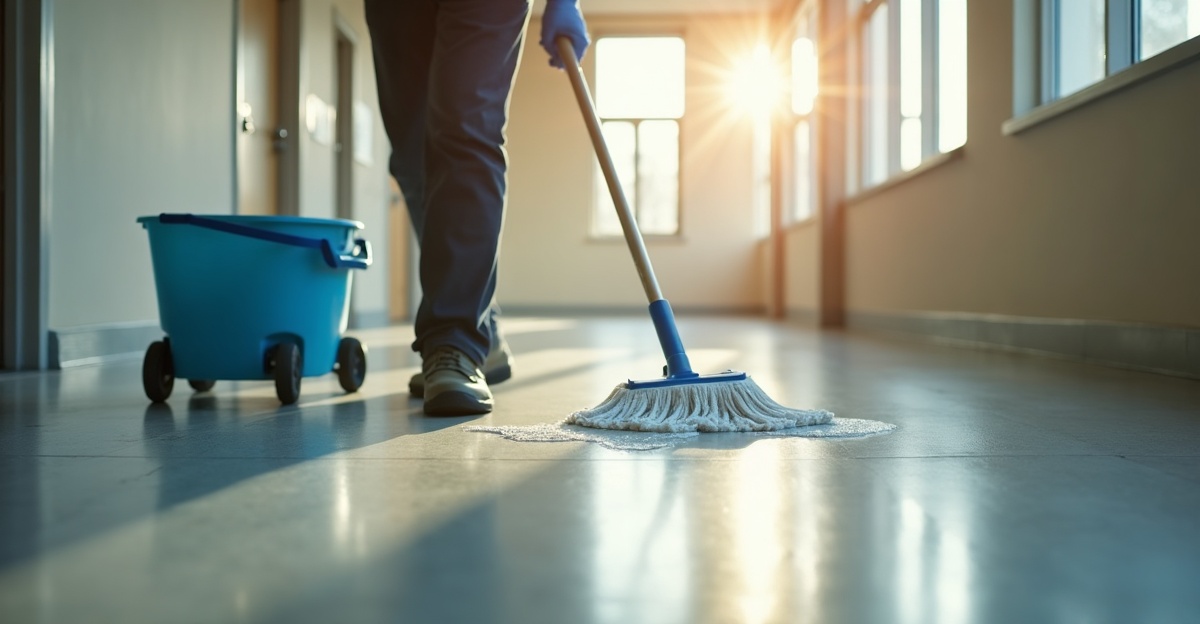
The best homemade floor cleaning solution for commercial settings depends on floor type, traffic levels, and compliance standards. We find that warm water mixed with a small amount of mild dish soap works safely on most sealed hard floors. Vinegar and water can work on certain sealed tile or vinyl surfaces. Still, we don’t recommend one homemade formula for every material. DIY mixtures rarely deliver the consistency, hygiene control, or warranty protection that busy or regulated facilities demand.
Commercial floors endure constant wear. We need solutions that clean effectively without damaging finishes or leaving residue. Although homemade blends can support short-term use, they often fail to meet the performance standards required in high-traffic environments.
Key Takeaways
- Warm water with a small amount of mild dish soap is typically the safest general homemade option for sealed vinyl and tile floors.
- Vinegar and water can cut light grease on some sealed surfaces but may damage stone, concrete sealers, or timber finishes over time.
- Homemade solutions lack consistent dilution control, documented safety data, and hospital-grade disinfecting capability.
- Residue from overuse of soap or improper rinsing can create slip hazards, faster re-soiling, and long-term surface build-up.
- DIY cleaning may suit low-traffic interim use, but high-traffic, multi-site, or regulated facilities require structured, professional-grade floor care systems.
The best homemade floor cleaning solution for commercial settings — what works and where it doesn’t
What is the best homemade floor cleaning solution? For most sealed hard floors, a simple mix of warm water and a small amount of mild dish soap is the safest general option. A vinegar and water blend, typically 1 cup of white vinegar to 4 litres of warm water, can suit some sealed tile or vinyl surfaces, but it isn’t appropriate for every floor type.
No single homemade floor cleaning solution is safe for all commercial flooring. What is a good homemade cleaning solution depends on the surface, traffic levels, hygiene requirements, and manufacturer guidelines. In regulated or high-traffic facilities, a DIY floor cleaning solution rarely delivers the consistency, compliance, or long-term surface protection required.
Homemade mixes can assist with light, interim cleaning. They aren’t a replacement for structured, professional-grade floor care systems in most commercial environments.
Common homemade floor cleaning solutions used in workplaces
Facilities teams often turn to simple mixtures for convenience and cost control. Below are the most common options we see in offices and small commercial spaces.
Vinegar and water
The typical ratio is 1 cup of white vinegar to 4 litres of warm water. This solution can cut light grease and reduce minor odours on sealed ceramic tile or vinyl.
However, vinegar is acidic. Over time, it may dull polished stone, degrade sealers on concrete, and weaken coatings on sealed timber. Some flooring manufacturers clearly restrict acidic products, meaning warranties can be affected.
In client-facing areas, vinegar odour can also be an issue. While it fades, first impressions matter in professional settings.
Mild dish soap and warm water
A few drops of dish soap in a bucket of warm water is low-cost and generally safe for sealed vinyl and tiles. It’s often considered the safest homemade floor cleaning solution for light-duty use.
The risk comes from overuse. Excess soap leaves residue. That residue can create slip hazards and attract dirt, leading to sticky surfaces and faster re-soiling. We’ve addressed this issue in detail in our article on sticky floors after cleaning.
Other homemade approaches include baking soda for spot treatment on grout or tiled areas. It can help with stubborn marks, but it must be fully removed. Any residue left behind contributes to build-up and discolouration.
Across commercial settings, these solutions present real limitations:
- Inconsistent dilution ratios between staff create variable results.
- No formal Safety Data Sheets (SDS) readily available for documentation.
- Limited disinfecting capability, unsuitable for medical or high-touch environments.
We understand the pressure to reduce costs and use products already on hand. Immediate availability and simplicity make DIY options appealing. Operationally, though, the trade-offs need careful consideration.
Surface-by-surface guidance for commercial floors
Different materials respond differently to cleaning agents. Using the wrong mix can shorten a floor’s lifespan.
Vinyl flooring generally tolerates mild soap and water. Excess water should still be avoided. Prolonged saturation can affect seams and adhesives. Always follow the manufacturer’s care guidelines.
Tile and grout require care. Vinegar may assist on sealed ceramic tile, but it should not be used on natural stone. Stone surfaces such as marble or limestone are especially vulnerable to acid damage. Grout is porous and can retain residue, which leads to staining over time.
Polished concrete depends on protective sealers. Acidic solutions, including vinegar, can gradually degrade those sealers. A pH-neutral cleaner protects the finish and extends the lifecycle of the floor.
Sealed timber is sensitive to both water and acidity. Too much moisture can cause swelling. Acidic mixtures may dull finishes or break down protective coatings.
Carpet presents a different issue. Baking soda can temporarily manage odours, but it does not replace mechanical extraction. For a deeper overview of stain removal outcomes, we’ve covered this in steam cleaning and stain removal.
Surface damage has direct operational impact. Premature wear increases replacement costs. Appearance affects brand perception across offices, government facilities, and healthcare spaces. Floors are highly visible. Neglect shows quickly.
Commercial risks decision-makers must consider
Homemade cleaning solutions raise broader concerns beyond surface compatibility.
Manufacturers often specify approved cleaning products. Using unapproved substances can void warranties. In insurance claims involving floor failure or slip incidents, non-compliance may complicate matters.
Residue build-up increases slip risk. Soap film left behind from poor dilution creates a safety exposure. Australian workplaces operate under clear duty of care responsibilities. A preventable fall can carry legal and reputational consequences.
Inconsistent mixing is another issue. One staff member may add a small amount of soap. Another may add significantly more. Results vary. Cleanliness becomes unpredictable across shifts or locations.
Odour control also matters. Vinegar smells may not suit executive offices, reception areas, or medical waiting rooms.
Hygiene compliance remains the biggest limitation. A DIY floor cleaning solution is a cleaning agent. It isn’t a hospital-grade disinfectant. In medical, aged care, and other regulated sectors, this gap may create audit or compliance risks.
Decision-makers focus on risk management, reputation protection, and operational consistency. Multi-site facilities across Brisbane and the Gold Coast often require standardised processes supported by documentation. That level of control is difficult to achieve with informal mixtures. Our overview of why commercial cleaning matters explores this broader responsibility in more detail.
Cost comparison: short-term savings vs long-term lifecycle costs
Homemade solutions offer clear short-term savings. Ingredients are inexpensive and readily available. For small offices with limited traffic, that may appear practical.
Long-term costs tell a different story.
Resealing or refinishing floors due to product misuse can be expensive. Residue build-up increases maintenance frequency. Slip incidents may lead to claims, lost time, or higher insurance costs. Corrective cleaning can disrupt operations.
Flooring is a capital asset. Protecting it extends its lifespan and reduces replacement expenditure. Professional systems use controlled dilution, documented processes, and products selected for specific materials. That consistency helps protect warranties and ensures predictable results.
Total cost of ownership should account for risk exposure, surface longevity, and compliance requirements. Product price alone is rarely the full picture.
For facilities requiring structured care, our commercial floor cleaning services focus on preserving finish quality while controlling long-term maintenance costs.
When DIY is acceptable — and when professional-grade cleaning is necessary
A homemade floor cleaning solution may be reasonable in limited circumstances. Small offices cleaning minor spills between scheduled services can manage with mild soap and water. Low-traffic, non-regulated environments may use a simple DIY floor cleaning solution for interim touch-ups.
Clear signs indicate a shift to professional-grade cleaning is needed:
- High foot traffic or visible wear patterns.
- Regulated industries such as medical or government requiring documented hygiene standards.
- Persistent odours or recurring residue problems.
- Upcoming audits or compliance reviews.
- Multi-site facilities requiring standardisation.
In these situations, deep corrective cleaning may also be necessary. Services such as commercial deep cleaning reset surfaces and remove built-up residue that household mixtures can’t address.
Facilities leaders balance budgets, safety, compliance, and brand image every day. Where those priorities are at stake, a facility-specific assessment provides clarity. For teams evaluating surface condition, risk exposure, or compliance requirements, we recommend arranging a structured review and requesting a clear scope of works through our cleaning quote process.
Frequently Asked Questions
Is vinegar the best homemade floor cleaning ingredient?
Vinegar is one of the most effective homemade cleaning ingredients because it helps dissolve grease and remove dirt naturally. However, it is not suitable for every surface. Natural stone, marble, and some hardwood floors can be damaged by acidic cleaners, so always check your flooring manufacturer’s recommendations before use.
Can I use baking soda and vinegar together to clean floors?
Yes, but they work differently than many people expect. When mixed, they react and neutralize much of each other’s cleaning power. For best results, use baking soda as a stain remover or deodoriser and diluted vinegar as a separate cleaning solution rather than combining large amounts.
What homemade floor cleaner is safest for hardwood floors?
A lightly damp microfibre mop with warm water and a small amount of pH-neutral soap is usually the safest option. Avoid excessive water and highly acidic ingredients like concentrated vinegar, which may dull finishes or damage protective coatings over time.
How often should I mop floors with a homemade cleaner?
Most homes benefit from mopping once a week, while high-traffic kitchens and entryways may need cleaning two or three times weekly. Regular sweeping or vacuuming before mopping prevents dirt from spreading and improves the effectiveness of homemade cleaning solutions.
Can homemade floor cleaners disinfect surfaces?
Some DIY ingredients, such as rubbing alcohol, can help reduce germs when used correctly. However, many homemade solutions primarily clean rather than disinfect. If sanitation is important after illness or food spills, a disinfectant designed for your flooring type may provide more reliable results.
Are homemade floor cleaners safe for pets and children?
Many homemade cleaners use simple ingredients that produce fewer harsh fumes than some commercial products. Even so, pets and children should stay off freshly mopped floors until they are completely dry, and essential oils should be used carefully because some varieties can be harmful to animals.
Can I store homemade floor cleaning solution for later use?
Yes, simple water-based mixtures can often be stored in a clean, sealed container for several weeks. Label the bottle with the ingredients and preparation date, and discard the solution if it develops an unusual smell, colour change, or visible contamination.
Why does my homemade floor cleaner leave streaks?
Streaks usually occur when too much soap is used or when dirty mop water spreads residue across the floor. Using a microfibre mop, measuring ingredients carefully, and rinsing the mop frequently can leave floors cleaner and streak-free.
When is a commercial floor cleaner a better choice than a DIY solution?
Commercial products may be a better option for specialty flooring, heavy grease buildup, or surfaces that require pH-balanced formulations. They are also useful when the flooring manufacturer specifically recommends approved cleaning products to maintain warranty coverage.
What ingredients should never be mixed in homemade floor cleaners?
Never mix bleach with vinegar, ammonia, or rubbing alcohol, as these combinations can produce dangerous gases. Stick to simple recipes with compatible ingredients and avoid experimenting with multiple cleaning chemicals in the same bucket.