How to use floor cleaning machine?
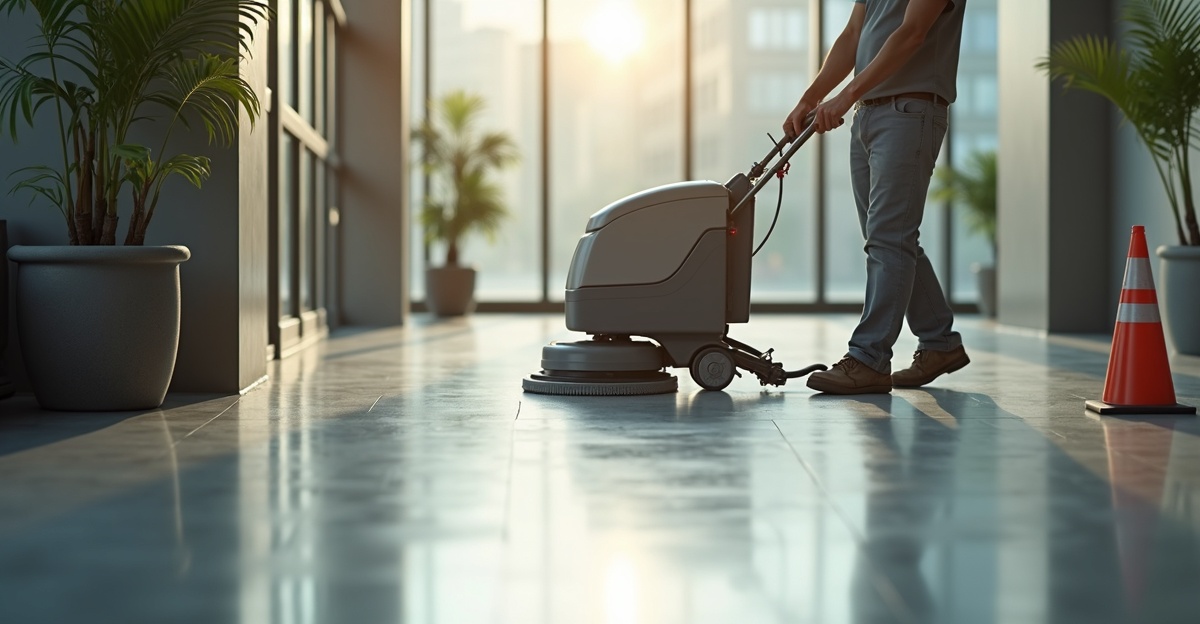
Using floor cleaning machine equipment correctly lowers safety risks, safeguards floor assets, and increases productivity across commercial facilities. We apply a structured process—covering machine selection, pre-operational checks, safe operation, and post-cleaning maintenance—to prevent surface damage, reduce downtime, and limit unnecessary replacement costs.
Key Takeaways
- We choose the right machine type—auto scrubber, single-disc machine, or burnisher—based on floor surface, layout, and traffic levels.
- We complete pre-operational checks, including pad inspection, tank cleaning, battery or cable checks, and clear safety signage before we start.
- We use correct dilution ratios, controlled movement, and overlapping passes to prevent streaking, residue, and surface damage.
- We manage water levels carefully to avoid slip hazards, moisture damage, and long drying times.
- We follow post-cleaning maintenance procedures, including rinsing tanks, cleaning pads, and routine inspections, to extend equipment life and keep results consistent.
Choosing the Right Floor Cleaning Machine for Your Facility
Understanding how to use floor cleaning machine equipment starts with choosing the right type for the space. The wrong machine increases labour time, damages flooring, and drives up replacement costs.
Commercial facilities usually rely on three main machine categories.
Auto scrubbers are suited to large, open areas such as office floors, hospital corridors, and government buildings. They scrub, vacuum, and recover water in one pass. Walk-behind models work well in medium-scale areas with tighter layouts. Ride-on models are built for expansive environments where productivity and time efficiency are critical.
Single-disc floor machines give flexibility. Teams use them for detailed scrubbing, heavy soil removal, and periodic maintenance. They are effective in areas that need deeper agitation or restoration work.
Burnishers run at high speed to polish hard floors in high-traffic settings. They help maintain a consistent gloss and extend the life of protective coatings.
Matching the machine to the surface is essential. Vinyl, tile, sealed concrete, and laminate all respond differently to pressure, water levels, and pad selection. Traffic levels matter as well. A medical centre corridor handling constant foot traffic needs a different approach from a low-use administrative office.
Asset protection must guide the decision. An aggressive pad on soft vinyl or excessive down pressure on laminate can shorten the floor’s lifespan. Restoration and replacement costs quickly exceed the savings of using the wrong equipment. Selecting suitable equipment and pads protects the finish and keeps long-term maintenance predictable.
For facilities uncertain about equipment selection, professional floor cleaning services provide structured programs based on surface type and usage patterns.
Pre-Operational Checks and Site Preparation
Every effective process around how to use a floor cleaning machine begins before the machine is switched on. Pre-operational checks reduce breakdowns, safety risks, and inconsistent results.
Start with a quick inspection:
- Check power cables for damage or confirm batteries are fully charged.
- Inspect pads or brushes for wear or contamination.
- Ensure the recovery tank is empty and clean.
- Confirm squeegees are intact and properly seated.
Next, assess the site. Identify high-traffic zones, patient areas, and public access times. In offices, medical facilities, and government buildings, after-hours cleaning often reduces disruption and slip hazards.
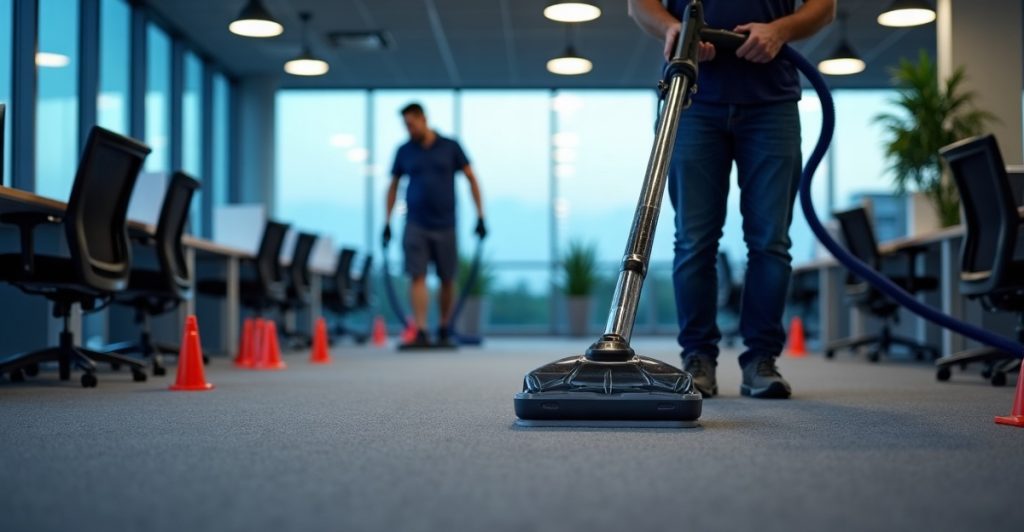
Safety controls must be visible and consistent. Place wet floor signage before starting. Staff should wear non-slip footwear and gloves when handling chemicals. Corded machines require extra attention to cable placement to prevent trips.
Chemical selection also plays a major role. Always follow manufacturer dilution ratios and match products to surface type and compliance requirements. In healthcare settings, product choice must align with infection control standards. For guidance on product compatibility, refer to this article on which chemical used for floor cleaning.
Risk management goes beyond compliance. Slip hazards, noise levels, and disruption to occupants all affect daily operations. Planning cleaning activities around these pressures keeps facilities running smoothly.
Safe and Efficient Machine Operation
Teams often ask about floor machine how to use methods that avoid streaking and damage. Consistency comes from correct setup and controlled movement.
Begin with proper machine preparation. Fill the solution tank with correctly diluted solution. Secure the appropriate pad or brush based on whether the task involves scrubbing or polishing. Adjust the handle height to maintain operator control and reduce fatigue.
Movement technique determines the finish. Work in straight, overlapping passes to prevent streaks. Move slowly and steadily rather than rushing. Plan an exit path before starting so no one walks across freshly cleaned areas.
Edge work also matters. Corners and perimeter edges collect soil quickly. Address them methodically to avoid build-up that later requires heavy restoration.
Water management protects surfaces. Avoid overwetting floors, especially vinyl and laminate. Excessive moisture increases slip risk and can lead to swelling or adhesive breakdown.
Training and supervision safeguard standards. Staff must be trained before operating equipment. Supervisors should periodically review technique and output, particularly in high-traffic sites. Consistent training reduces rework, shortens drying time, and improves overall finish quality.
Understanding how to use a floor cleaner machine in this structured way results in an even appearance, fewer complaints, and less downtime.
Post-Cleaning Procedures and Routine Maintenance
Proper shutdown protects both equipment and flooring. Skipping post-cleaning steps often leads to odours, residue issues, and mechanical faults.
Immediately after use, empty and rinse the recovery tank. Remove and clean pads or brushes, then allow them to dry fully. Wipe down the exterior of the machine to prevent chemical build-up.
Battery care is equally important. Recharge batteries according to manufacturer guidance. Store equipment in a dry, secure area to avoid unnecessary wear.
Routine inspection should include checking squeegee blades, hoses, and seals for cracks or damage. Replace worn pads promptly. A degraded pad reduces cleaning performance and can cause uneven wear on floor coatings.
Larger sites, particularly government and healthcare facilities, should maintain basic maintenance records. Documenting inspections and servicing supports compliance and asset tracking.
Avoid attempting mechanical repairs beyond basic maintenance. Follow manufacturer service schedules and engage qualified technicians where required. Structured maintenance extends equipment lifespan and keeps results consistent.
Common Operational Mistakes That Increase Risk and Costs
Small process gaps can create significant financial and safety consequences.
- Skipping signage exposes occupants to slip incidents and increases liability.
- Using the wrong pad type or aggressive machine settings damages floor coatings and shortens asset life.
- Overusing chemicals or miscalculating dilution ratios often results in residue build-up, which can create the problems explained in why floors become sticky after cleaning.
- Inadequate staff training leads to inconsistent finishes and patchy appearance across large areas.
- Ignoring regular equipment maintenance accelerates breakdowns and shortens machine lifespan.
Operational planning also plays a role. Failing to schedule work around peak hours in Brisbane and Gold Coast commercial environments can disrupt tenants, patients, and staff. Careful coordination is part of professional janitorial services that protect both safety and reputation.
Over time, these mistakes increase liability exposure and drive unnecessary flooring replacement costs. In medical or government operations, disruption can affect service delivery and compliance expectations.
When In-House Operation Makes Sense — and When Professional Support Delivers Better Outcomes
In-house operation can work well in moderate-sized facilities where staff are properly trained and supervised. Clear maintenance schedules and manageable compliance requirements are essential. Teams should understand what a cleaning schedule should include to keep standards consistent.
However, professional support often delivers stronger outcomes in larger or higher-risk environments. Ride-on equipment in expansive sites requires experienced operators. Healthcare facilities demand strict hygiene control. Periodic floor restoration or corrective treatment calls for specialised knowledge and equipment.
Internal teams also face time pressure. When cleaning competes with other operational duties, results can become inconsistent. Evaluating risk exposure, supervision capacity, and long-term asset protection helps determine the right model.
If current cleaning practices are not producing reliable finishes or drying times are affecting operations, we can assist. Aus Pro Commercial Cleaners provides practical, on-site assessments across offices, medical centres, and government facilities. For facilities needing structured programs, our teams support locations across Queensland, including Brisbane floor cleaning and Gold Coast floor cleaning services.
For a clear evaluation of equipment, processes, and risk controls, request an assessment through our quote request page.
Frequently Asked Questions
What type of floor cleaning machine should I use?
The best floor cleaning machine depends on the surface and cleaning task. Auto scrubbers are ideal for large commercial areas, rotary machines work well for scrubbing and polishing, while burnishers restore shine on finished floors. Matching the machine to the floor type helps achieve better results and reduces unnecessary wear.
Do I need to sweep or vacuum before using a floor cleaning machine?
Yes. Removing loose dust, dirt, and debris before machine cleaning prevents scratches and allows the machine to clean more effectively. Pre-cleaning also reduces wear on brushes, pads, and squeegee blades while improving overall cleaning performance.
What cleaning solution should I put in a floor cleaning machine?
Use a cleaning solution recommended for both your floor type and machine. Neutral pH cleaners are suitable for most commercial hard floors because they remove dirt without damaging protective finishes. Always follow the manufacturer’s dilution instructions to avoid residue or streaking.
How fast should I operate a floor cleaning machine?
Operate the machine at a steady walking pace with slight overlap between each pass. Moving too quickly can leave dirt behind, while moving too slowly may create excess moisture or uneven cleaning. Consistent speed produces a more uniform finish across the entire floor.
Why does my floor look streaky after machine cleaning?
Streaks usually occur because of dirty pads, worn squeegee blades, incorrect chemical dilution, or a full recovery tank. Regularly inspecting and cleaning machine components helps maintain consistent results and prevents residue from being left on the surface.
Can one floor cleaning machine be used on different floor types?
Many commercial floor cleaning machines can clean multiple hard floor surfaces, but the correct brush, pad, and cleaning solution should always be selected for each material. Using the wrong accessories may damage vinyl, tile, polished concrete, or sealed floors.
How often should a floor cleaning machine be maintained?
Basic maintenance should be completed after every use by emptying tanks, rinsing filters, cleaning pads or brushes, and inspecting hoses and squeegees. Regular maintenance improves cleaning performance, extends equipment life, and helps prevent unexpected breakdowns.
What safety precautions should I follow when using a floor cleaning machine?
Always inspect the machine before use, wear appropriate footwear, place wet floor signs in the area, and avoid running over power cords or obstacles. Following basic safety procedures helps reduce slip hazards and protects both operators and building occupants.
How long does it take for floors to dry after machine cleaning?
Most commercial hard floors dry within 5–20 minutes when an auto scrubber with a functioning vacuum system is used correctly. Drying time varies depending on humidity, ventilation, floor type, and the amount of cleaning solution applied.
How can I make my floor cleaning machine last longer?
Routine maintenance is the best way to extend machine life. Empty and rinse tanks after each use, clean brushes and pads, inspect moving parts, recharge batteries correctly, and store the machine in a dry location. Preventive care reduces repair costs and keeps cleaning performance consistent.